By Norman Alston, FAIA
Special Contributor
Unveiling Dallas’s Architectural Soul: A Call for Preservation and Vision
In the dynamic tapestry of urban landscapes, buildings stand as silent storytellers, each brick and beam echoing the narratives of generations past. Within the critical field of historic preservation, a fundamental principle resonates: “a building is a product of its time.” However, to truly grasp its profound implications, we must expand this notion. A building is not merely a static structure; it is a vibrant creation of people, and those who commission and construct it are, in turn, deeply shaped by their era. This symbiotic relationship reveals why our built environment—a testament to immense utility and significant financial investment—serves as an unparalleled mirror reflecting our society’s deepest priorities and prevailing culture.
Beyond individual artistic flair or personal expression, the collective architectural fabric of our cities distinctly portrays what we, as a society, value most. From grand public edifices to humble residential dwellings, these structures embody our communal aspirations, technological capabilities, and evolving social norms. They are, in essence, tangible artifacts of our cultural identity, offering invaluable insights into the lives, values, and even the daily routines of those who came before us.
Architectural Echoes of a Bygone Era: The Dallas “Extra Door”
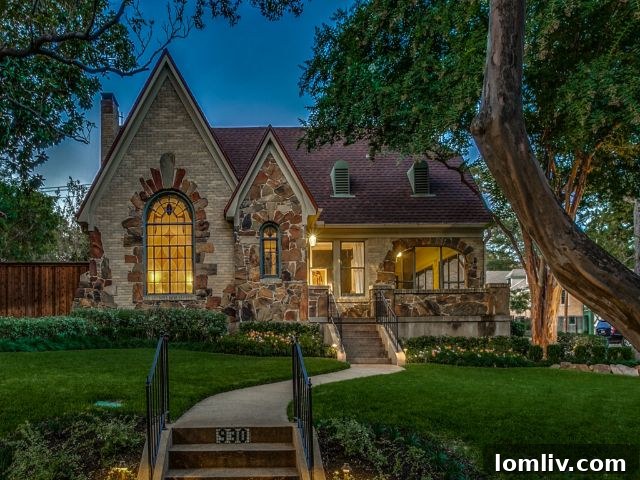
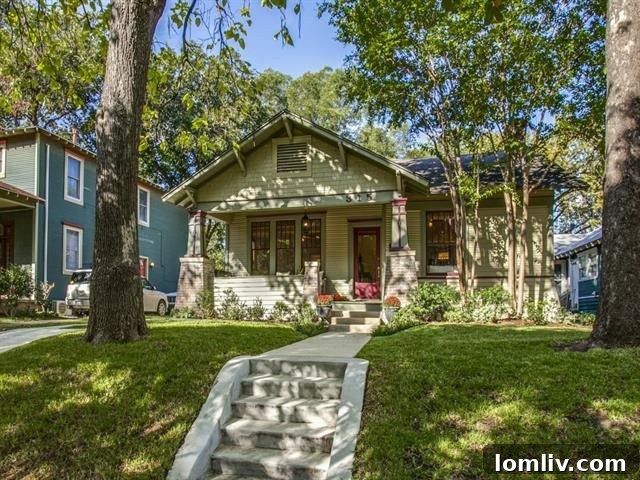
A striking yet subtle example of this cultural imprint can be observed in many older homes across Dallas, particularly within its venerable neighborhoods. Our own 1928 residence in East Dallas features a distinct second exterior door, opening directly into one of the bedrooms. This architectural curiosity is not an anomaly; it’s a common characteristic found in virtually every house in our neighborhood, as well as in nearby areas dating back to the early 20th Century. This “extra door,” a fascinating relic of a past era, was born from a confluence of social norms, housing priorities, and perhaps even economic realities that are largely unheard of today.
While not a technological marvel, this feature was a practical and cultural expression. It might have facilitated independent access for boarders, provided direct entry for domestic staff, allowed for greater privacy in multi-generational households, or simply reflected different societal expectations regarding public and private spaces. Today, with shifting family structures, changing privacy expectations, and modern housing designs, the practical need for such a door has gracefully faded into history, leaving behind a subtle yet profound testament to how much our culture has evolved.
The Adolescent City: Dallas’s Development Crossroads
This deep connection between buildings and culture fuels the intense debate surrounding demolitions in Dallas’s established neighborhoods. For much of my life, Dallas has often felt like an adolescent city—vibrant, growing rapidly, perhaps with an abundance of energy but sometimes lacking the mature foresight to manage its consequences. The forces and priorities shaping our urban landscape are transforming at an unprecedented pace, dramatically and, at times, painfully. The push for new density, driven by economic growth and population influx, frequently clashes with the intrinsic value of existing structures and the cherished character of long-standing communities.
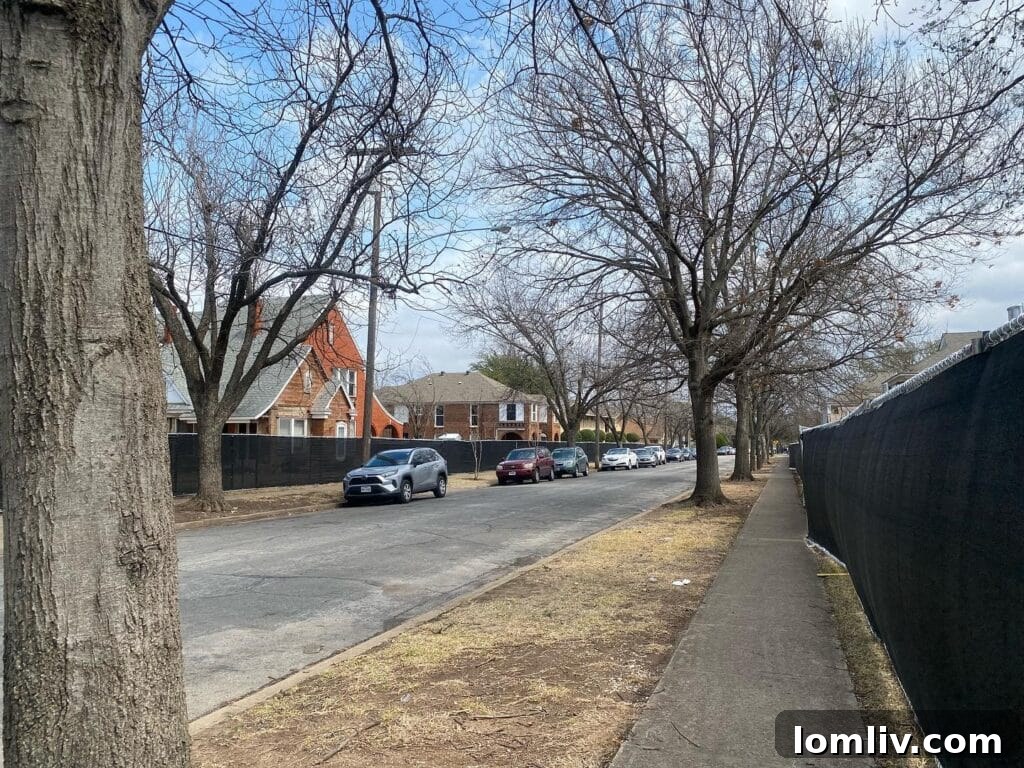
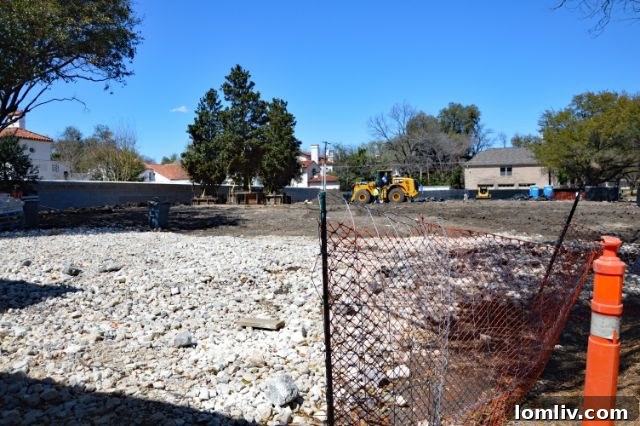
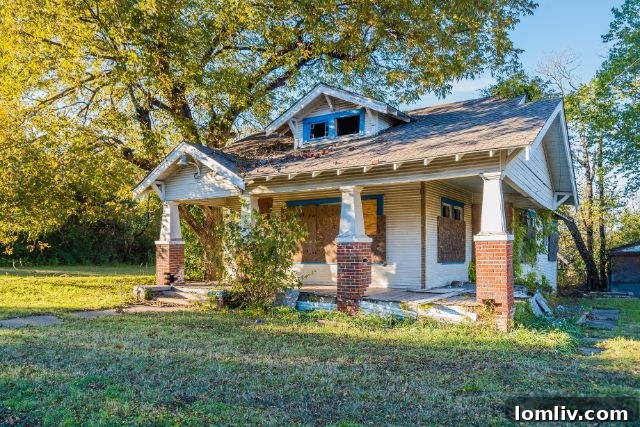
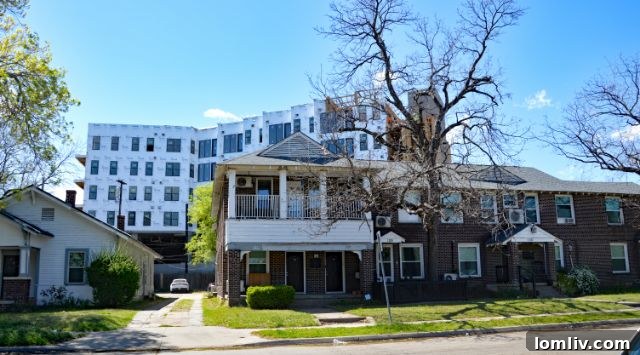
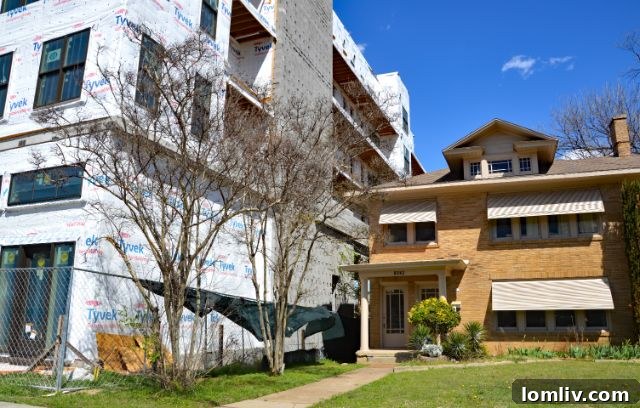
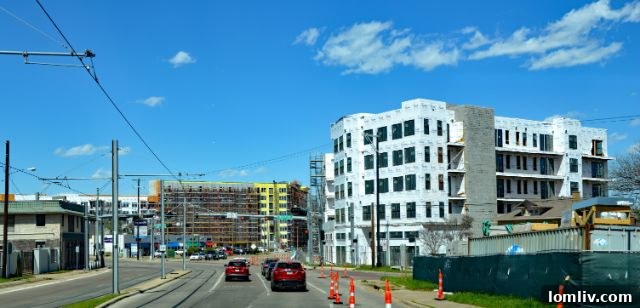
The scenes of demolition, like the one recently observed on Eighth Street near the bustling Bishop Arts District, are poignant reminders of this ongoing transformation. Here, a home in an unprotected area, rich with local history and character, is being razed to make way for a multi-unit apartment complex. This scenario underscores a critical challenge: how do we accommodate necessary growth and evolving housing needs while honoring and retaining the architectural and cultural legacies that give Dallas its distinctive spirit? It’s a complex balancing act, one that demands thoughtful dialogue and innovative solutions to prevent the wholesale erasure of our past in the pursuit of an undefined future.
Cultivating a New Culture of Preservation: Beyond Demolition
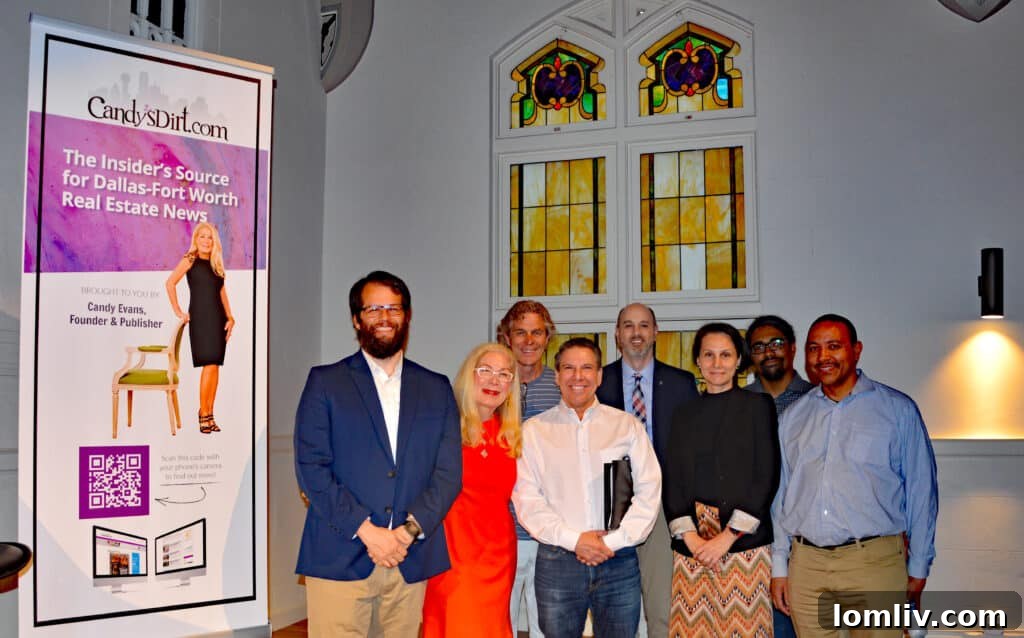
The recent Alternatives to Demolition panel, held at the Arts Mission Oak Cliff, offered a compelling and diverse discussion on these very issues. A panel of skilled experts provided invaluable insights into the myriad development forces currently shaping Dallas, alongside a retrospective look at the historic influences that originally molded our city. More importantly, the discussion illuminated a range of existing tools available for navigating modern development and redevelopment pressures, while also identifying critical gaps and the need for new, innovative preservation strategies.
However, the underlying thread connecting these discussions, and indeed the source of much of the aforementioned “pain,” is a crisis of culture. For too long, the default mindset in Dallas has been one of disposability, often viewing older structures as impediments to progress rather than assets. In the realm of historic architecture, advocates have consistently championed the development of a new, proactive culture of preservation—a culture that transcends the reactive stance of merely protecting what’s left.
Instead of the frequently asked, often defensive, question of “Why preserve?”, we must fundamentally shift our perspective to proactively ask, “Why *not* preserve?” This change in inquiry reflects a growing understanding that preservation is not an obstacle to progress but rather a cornerstone of sustainable, culturally rich, and economically vibrant urban development. The true value of a city lies not only in its gleaming new constructions but equally in the unique character and stories embedded within its historic fabric.
Dallas’s Undervalued Legacy: A City Coming of Age
A common misconception, often articulated, is that Dallas is simply “too young” to possess a sufficiently deep or unique history worthy of extensive preservation. Critics frequently argue that whatever limited history Dallas once had has already been irrevocably lost, suggesting that all true value and potential lie solely in its future. This narrative, while convenient for proponents of unfettered new development, overlooks the city’s rich and multifaceted past, undermining its distinctive architectural heritage and the intricate stories it tells.
However, we are now at a pivotal moment, arriving at a new understanding of our city’s identity. For decades, the national focus, and indeed much of Dallas’s own developmental ethos, has been squarely on “new.” I often highlight how our design and construction industries have been almost exclusively geared towards fresh construction, often at the expense of existing structures. Only in the last decade have both technologies and attitudes begun a significant shift. We are collectively realizing that Dallas is a “great legacy city,” endowed with unique qualities, distinct character, and a compelling architectural narrative that continues to hold immense value. This awakening has spurred a growing movement of residents and stakeholders who are passionately fighting to protect and retain these invaluable aspects of our urban environment.
Beyond Buildings: The AIA Dallas Policy Statement on Local Architectural Heritage
Responding to a series of escalating concerns from the architectural community, the Dallas Chapter of the American Institute of Architects (AIA) undertook a comprehensive study in 2016. After months of intensive consideration, they produced a landmark document: the Policy Statement on Local Architectural Heritage. This pivotal document extended its concern and consideration far beyond the mere preservation of individual structures, emphasizing a holistic approach to Dallas’s built environment.
The policy statement recognized that vibrant neighborhoods and communities are much more than just a collection of buildings. They are, in fact, a complex and rich combination of qualities developed organically over time—including street patterns, mature tree canopies, architectural styles, diverse building scales, and the intangible social fabric—all of which collectively contribute to a neighborhood’s distinct identity. Crucially, it advocates for recognizing and valuing this multifaceted identity, urging its thoughtful inclusion in all future redevelopment plans. This forward-thinking policy acknowledges that a neighborhood’s unique character is a valuable asset, worth protecting and integrating into Dallas’s ongoing growth story.
Navigating the Crisis of Culture: Dallas’s Identity in Flux
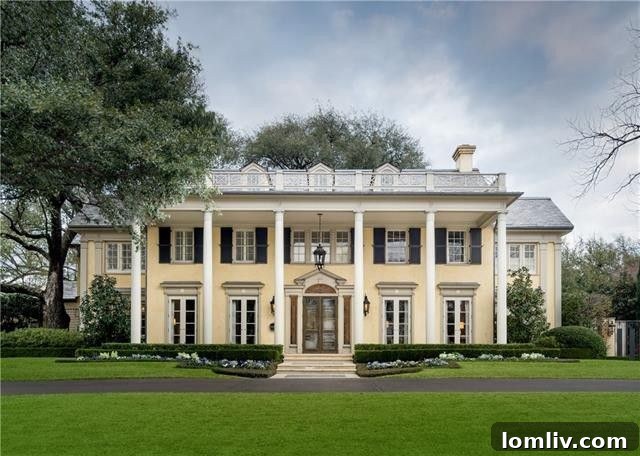
This “crisis of culture” is what truly challenges and perplexes us today. It manifests in various forms across the city: from the ongoing demolition of historic homes in the affluent Park Cities to the heartbreaking loss of real estate icon Ebby Halliday’s cherished home, to the systematic replacement of character homes in vibrant neighborhoods across Dallas. Simultaneously, we see burgeoning efforts in areas like The Bottoms and Tenth Street, where preservation and sensitive redevelopment are actively pursued to safeguard unique histories and communities.
Through these contrasting scenarios, Dallas finds itself in the midst of organically developing a new cultural identity—one that is learning to consider and value qualities we perhaps only hoped for, or didn’t fully realize we already possessed. This transformation, however, is largely happening “on the fly,” driven by immediate pressures and often without a cohesive, city-wide vision. The consequences of this ad-hoc approach risk eroding the very distinctiveness that makes Dallas unique, replacing it with a homogenous landscape devoid of historical context.
Charting the Course Ahead: A Shared Vision for Dallas
The path forward for Dallas is a collective responsibility, shared by every resident, developer, planner, and policymaker. We must not only demand but actively contribute to better urban planning—a comprehensive vision that prioritizes sustainable growth, respects existing communities, and celebrates our unique Dallas history. Let us fully utilize the existing tools provided by the City of Dallas, such as conservation districts, historic overlays, and adaptive reuse incentives, while also advocating for the creation of more robust and effective mechanisms to safeguard our heritage.
Crucially, we must relieve the city government from the sole burden of providing inspiration and vision for our urban future. That fundamental responsibility belongs to us—the citizens who live, work, and invest in Dallas. Let us look to and actively engage with one another to collectively decide what kind of city we truly aspire to be. This means participating meaningfully in critical processes like the ForwardDallas! update, which shapes our city’s development policies, and engaging robustly in important public debates, such as those surrounding sites like Atlas Metalworks. These opportunities are not mere formalities; they are vital avenues for shaping the future character of Dallas.
Ultimately, a sustainable, vibrant Dallas is one where progress and preservation walk hand-in-hand. This requires continuous dialogue, active participation, and a shared commitment to recognizing the intrinsic value of our past as we build towards an even brighter future. Let’s keep talking to our neighbors, collaborating with our communities, and together, forge a vision that truly reflects the multifaceted soul of Dallas.