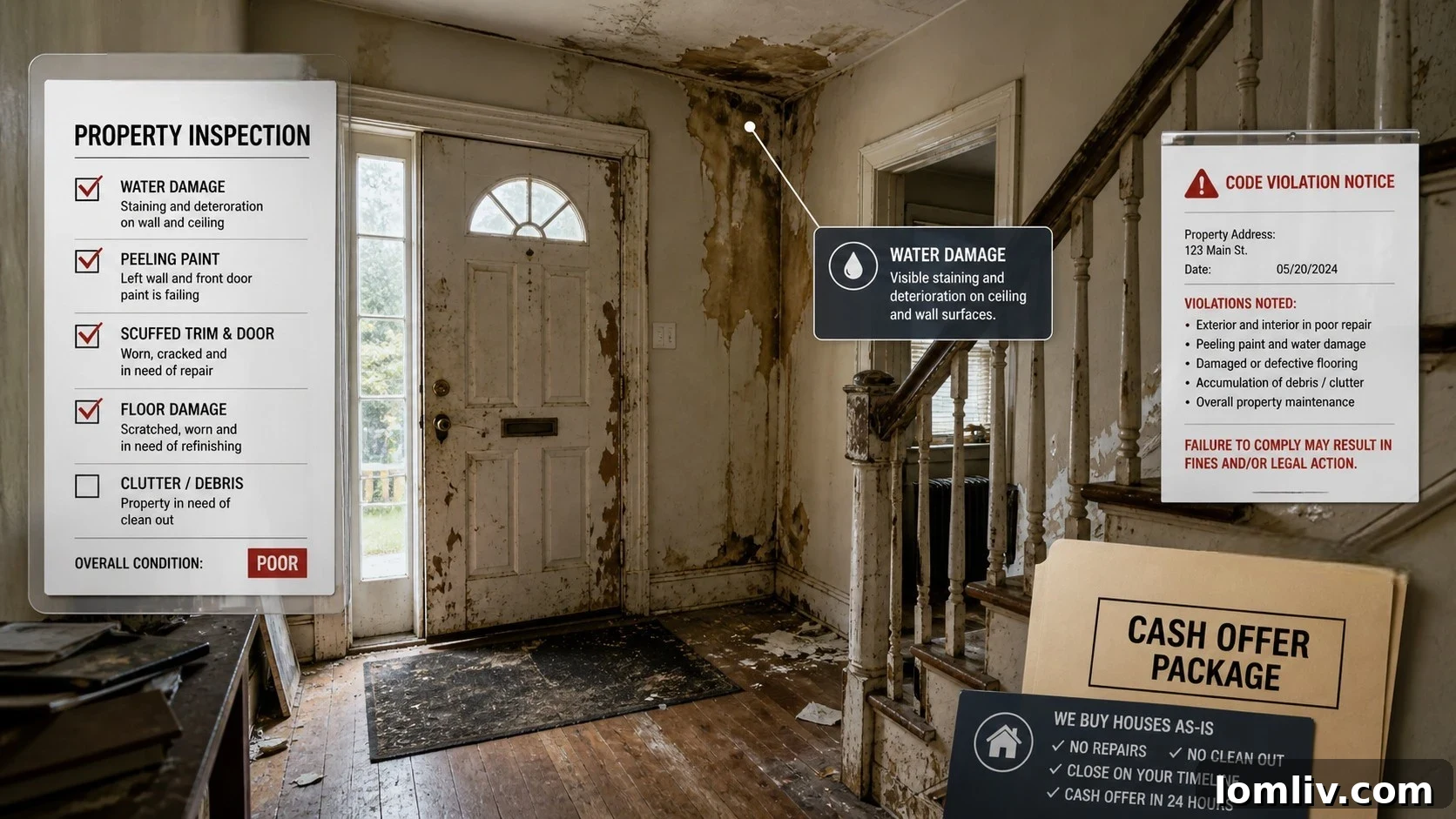
Pricing a distressed property in Milwaukee is a challenging task, made even more complex by a fluctuating market, shifting interest rates, and unpredictable buyer demand. It’s no surprise that many sellers misjudge their home’s value. They often anchor their price to a neighbor’s sale from over a year ago, add a dose of optimism, and then are left wondering why their property languishes on the market without a single serious offer.
The rules for pricing move-in-ready homes simply do not apply to distressed properties. The pool of potential buyers is significantly smaller, financing options are more restrictive, and in a market with ample inventory, even minor defects can become major deal-breakers. An incorrect price tag means your house just sits, accumulating days on the market. Subsequent price drops are public and signal desperation, often resulting in a final sale price far below what a realistic initial listing would have achieved.
Getting the price right is especially critical in Wisconsin, given its diverse and often aging housing stock. A distressed bungalow in Bay View with foundation issues, a fire-damaged duplex in Riverwest, and a hoarder home in West Allis each present unique challenges. They all fall under the “distressed” umbrella, but they demand vastly different pricing strategies tailored to their specific conditions and target buyers.
Start With an Honest Assessment of the Property’s Current Condition
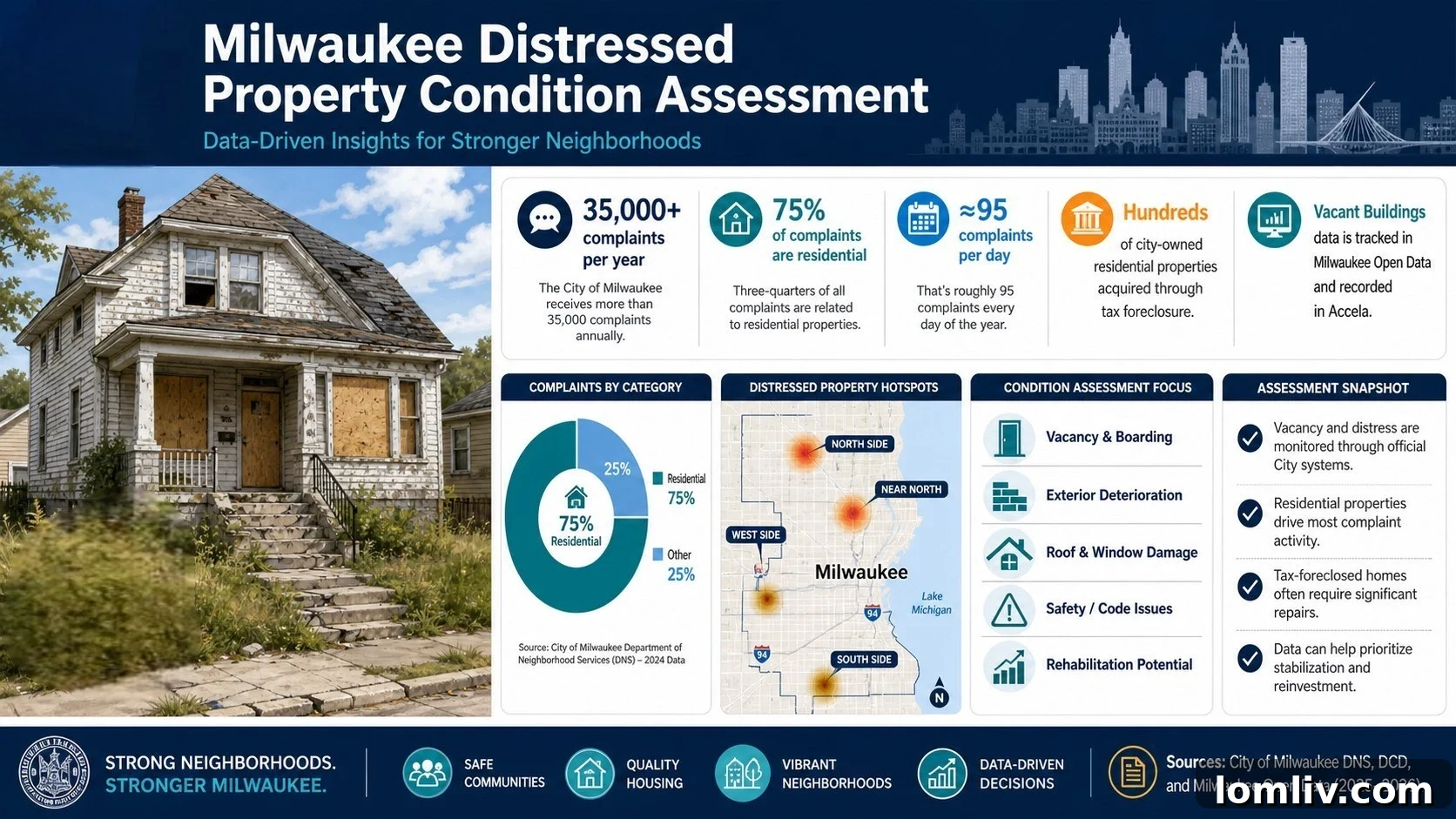
One of the most common and costly mistakes sellers make is treating a distressed property like a standard home and applying a superficial discount. Many will look up the Zestimate or find the average sale price for renovated homes in their neighborhood, subtract a seemingly generous 15 percent, and list it. This approach is almost always a recipe for failure.
A distressed property must be priced against its true competition: other distressed sales. If your home requires a new roof, updated electrical and plumbing, and extensive cosmetic work, you are not competing with the beautifully flipped three-bedroom house that sold for top dollar last month. Your real competitors are other unrenovated homes, bank-owned foreclosures, estate sales, and properties explicitly marketed as “investor specials.”
Understanding the Investor’s Perspective
To accurately price your home, you need to think like your most likely buyer: a real estate investor. Investors use a specific formula to determine their maximum offer. It starts with the After-Repair Value (ARV), which is the estimated market value of your home *after* all renovations are completed. From there, they subtract all anticipated costs.
A common formula used is the 70% Rule, which dictates that an investor should pay no more than 70% of the ARV, minus the cost of repairs. The remaining 30% covers their holding costs (taxes, insurance, utilities during the renovation), transaction fees (closing costs, realtor commissions on the final sale), and, crucially, their profit margin. In the competitive Milwaukee market, investor purchase prices often fall between 30% and 45% below the price of fully renovated comparable properties. This is the realistic price range where your property needs to be.
Calculate Realistic Repair Costs, Not DIY Estimates
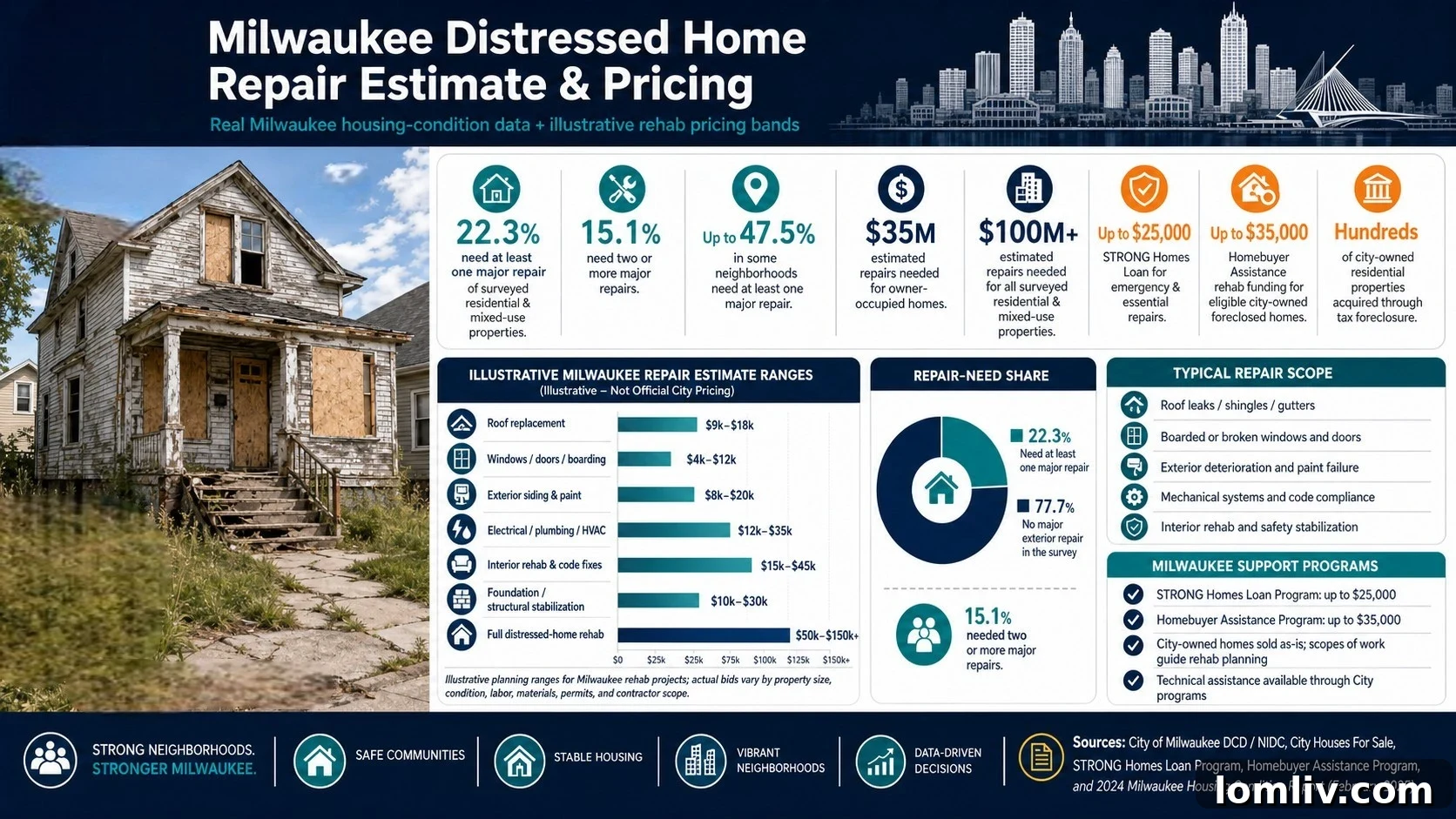
Sellers almost universally underestimate the cost of repairs. They remember what they paid for a project years ago or assume they can get materials at a discount. However, a professional investor calculates costs based on licensed contractors, permits, and current material prices, which have seen significant inflation.
A new roof in Milwaukee is no longer a $6,000 job; depending on the size, pitch, and materials, it can easily cost between $12,000 and $18,000. A complete mechanical overhaul—including a new furnace, A/C unit, water heater, and an updated electrical panel—can run from $15,000 to $25,000. That’s before you even touch a single piece of drywall. Basic kitchen and bathroom renovations, even without high-end finishes, can add another $20,000 to $40,000 to the budget.
To price a distressed property effectively, you must subtract the full, realistic cost of bringing the home to market-ready condition. This isn’t about what you would pay to do the work yourself on weekends; it’s about what a professional crew would charge. Emotion often clouds judgment here. Perhaps the house was your childhood home, or you have fond memories of a kitchen you remodeled in 2006. Unfortunately, the market is unsentimental. It only values the property’s current physical condition and location, not its history.
Analyze Today’s Market, Not Last Year’s News
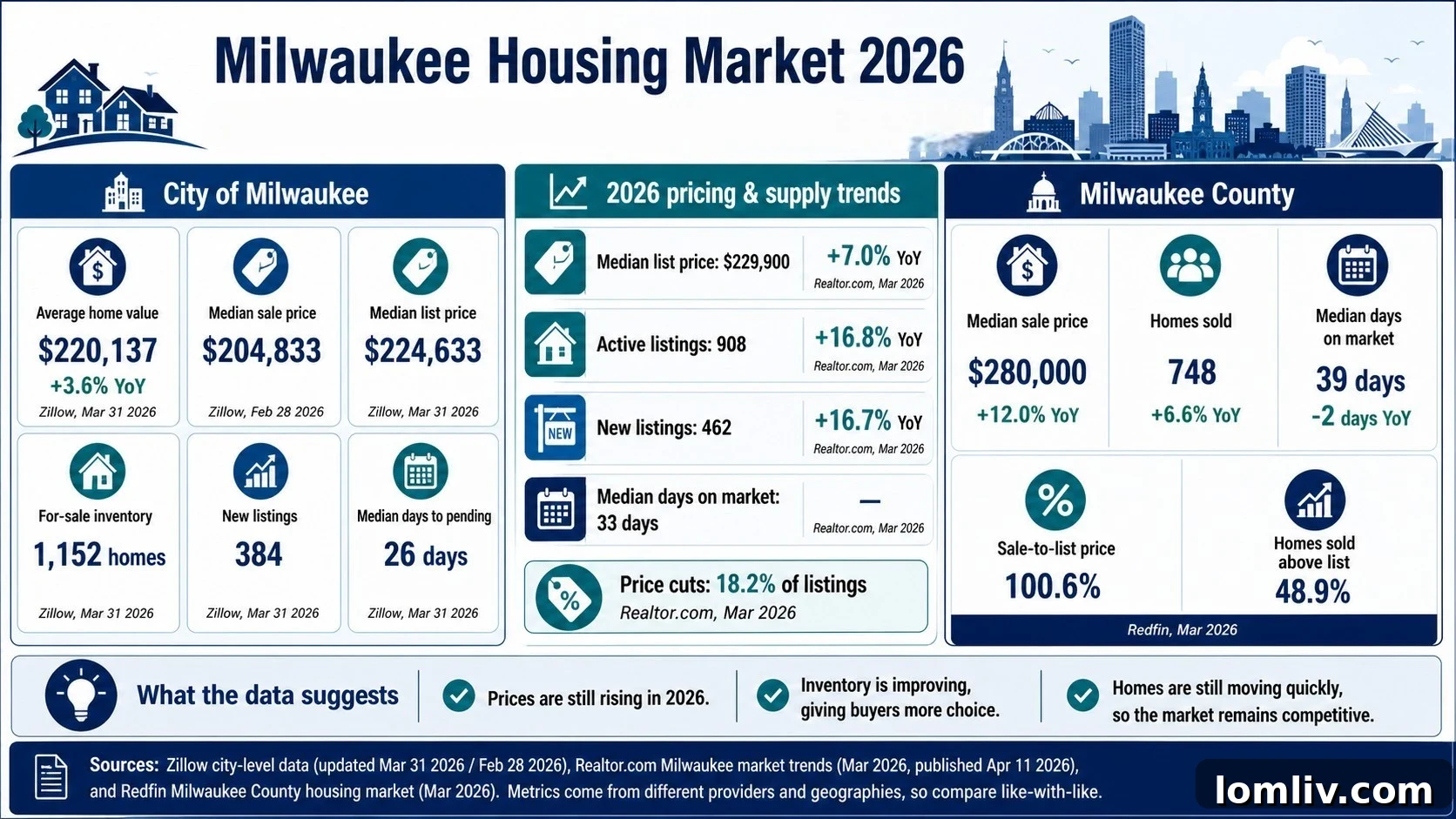
Real estate markets can change dramatically in a matter of months, and distressed properties are often the first to feel the impact. When interest rates rise, the cost of financing increases. This affects not only traditional homebuyers but also investors who rely on rehab loans or hard money, making them more cautious with their offers. When housing inventory increases, buyers have more options and become far less willing to take on a project house with significant problems.
Do not base your price on market conditions from when you first considered selling. Your focus must be on what is happening right now. Look at the current Days on Market (DOM) for comparable distressed properties. If fixer-uppers in your neighborhood are sitting for 60-90 days and undergoing multiple price reductions, it’s a clear sign that buyers are hesitant. Conversely, if they are selling in under 30 days, demand remains strong.
Pay close attention to Milwaukee-specific market signals as well. City-wide property reassessments, changes in tax levies, and shifting patterns of investor activity in certain neighborhoods can all influence the price floor for distressed homes. Properties facing specific legal or financial issues, such as tax delinquency, probate, or condemnation orders from the city, operate under their own pricing logic that rarely aligns with general market trends.
Recognizing When a Traditional Listing Is Not the Answer
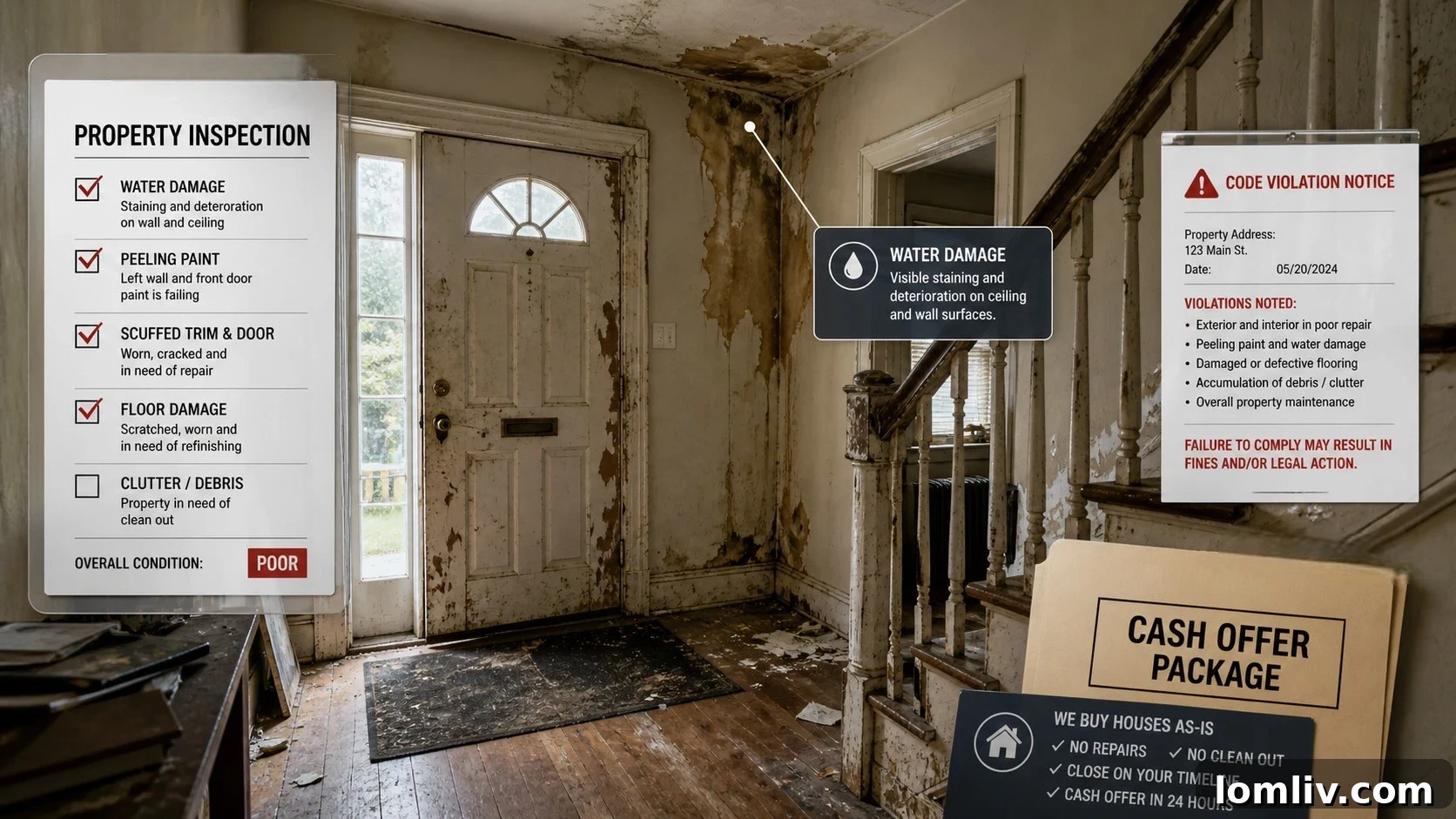
There are times when even a perfectly priced distressed property will struggle on the open market. If the home has severe issues, a traditional listing can become a long, frustrating, and expensive ordeal. These “red flag” issues include:
- Major foundation problems or structural damage
- Active water intrusion or extensive mold
- Fire or smoke damage
- Severe hoarding conditions
- Numerous city code violations or a condemnation notice
- Major systems (electrical, plumbing, HVAC) that are non-functional
In these situations, the property is not just “distressed”; it’s often un-financeable for a traditional buyer. You end up with a house that isn’t ready for showings, can’t pass a home inspection, and faces financing hurdles that most retail buyers cannot overcome. Your realistic buyer pool shrinks to almost exclusively cash investors.
By going directly to a cash buyer, you can often achieve a better net outcome. You bypass the damaging cycle of listing, reducing the price, and delisting, which erodes the property’s perceived value. You also immediately stop the financial drain of carrying costs like property taxes, insurance, and utilities. The sale can often close in a matter of weeks, not months. Many homeowners in this exact situation choose to work with a reputable Milwaukee-based company that specializes in buying distressed properties directly. This approach provides certainty, as the cash offer is based on the property’s as-is condition and current market data, eliminating the guesswork and stress of a public listing.
The Bottom Line: Realistic Pricing Leads to a Successful Sale
Pricing a distressed property in Milwaukee correctly is about embracing reality. It means setting a price based on its actual competition—other homes in need of repair. It requires subtracting detailed, realistic repair costs, factoring in the buyer’s necessary profit margin, and analyzing today’s market dynamics, not yesterday’s headlines. Sellers who adopt this data-driven, objective approach are the ones most likely to achieve a timely and successful closing.
Conversely, sellers who anchor their price to beautifully renovated homes, underestimate the cost of repairs, or ignore clear market shifts will almost always find themselves chasing the market down with a series of frustrating price cuts. The most difficult part of this process is often not the math; it is the emotional detachment required to see the property for what it is. A distressed home is worth what a qualified distressed-property buyer is willing to pay for it today. Once Milwaukee sellers accept that fundamental truth, the path to a successful sale becomes much clearer.