Your dining table is more than just a piece of furniture; it’s the heart of your home. It’s where family dinners happen, where kids tackle their homework, where intricate craft projects come to life, and where conversations flow over coffee. With all this daily activity, the surface is constantly exposed to potential damage—from spilled drinks and hot plates to stray marks from crayons and pens. While it may not be the most glamorous accessory, a high-quality table protector is a smart investment to preserve the beauty and longevity of your table. It acts as a shield, absorbing the daily wear and tear so your table doesn’t have to. Choosing the right one, however, depends on your lifestyle, budget, and aesthetic preferences. This guide explores the most popular options to help you find the perfect defense for your dining table.
Glass Table Protectors: The Premium and Polished Choice
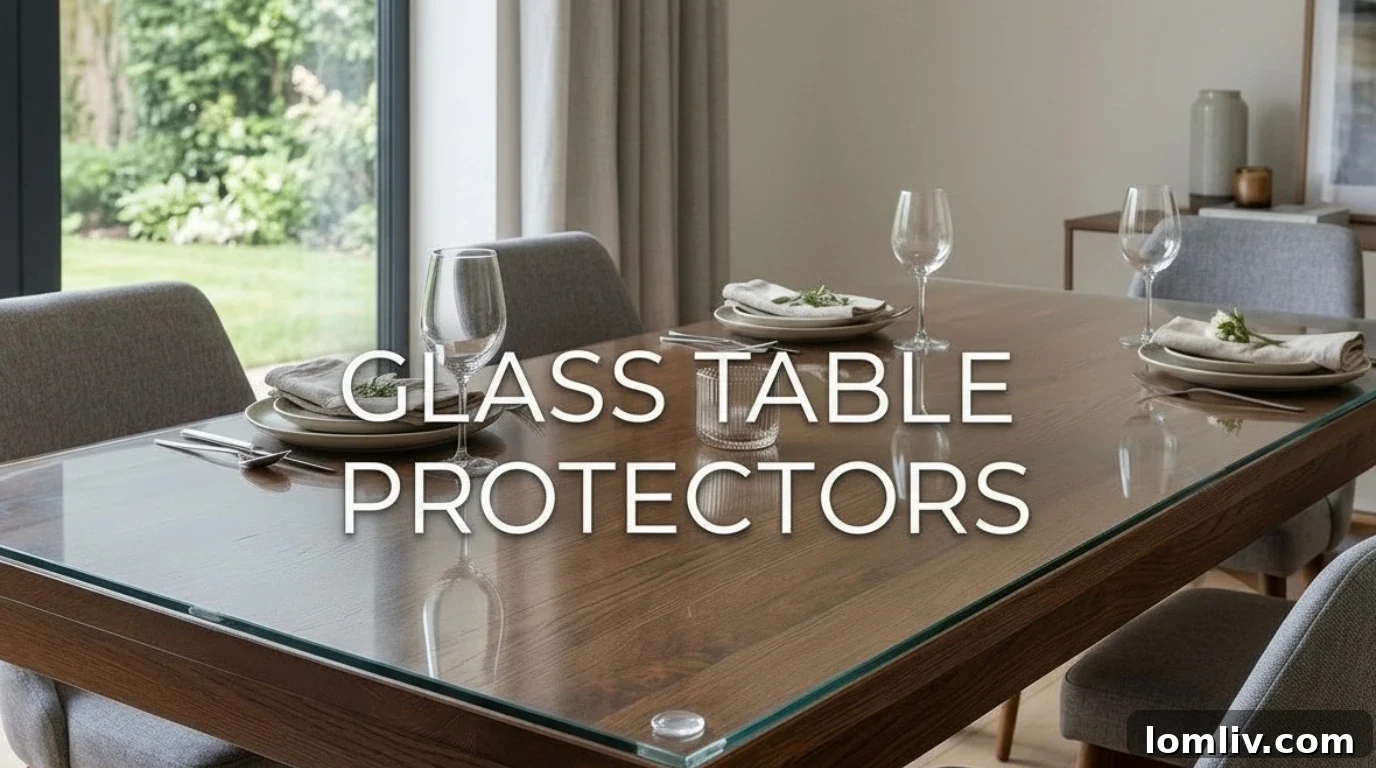
When you want uncompromising protection without sacrificing style, a tempered glass table protector is the top-tier solution. A custom-cut glass top provides a flawless, crystal-clear shield that enhances the look of your table rather than hiding it. The smooth, non-porous surface is incredibly easy to clean; spills, crumbs, and even dried-on food wipe away effortlessly, leaving no residue behind. This clarity allows the natural beauty of your wood grain or the intricate details of a stone tabletop to shine through, often adding a sense of depth and elegance to the piece.
One of the primary advantages of tempered glass is its exceptional heat resistance. You can place hot mugs, serving dishes, and bowls directly on the surface without worrying about creating unsightly heat rings or damaging the wood finish beneath. This makes serving meals much more convenient. Furthermore, tempered glass is highly scratch-resistant, standing up well to daily use, including cutlery, keys, and other items that might slide across the surface.
However, this premium option comes with significant drawbacks. The main barrier for many is the cost. Custom-cutting a thick piece of tempered glass to fit a large dining table can be a considerable expense. Its weight is another factor to consider; glass protectors are heavy, making them difficult to lift for cleaning underneath and potentially posing a risk if not placed securely. While tempered glass is designed to be four to five times stronger than standard glass, a sharp, heavy impact, especially on an edge, can cause it to shatter. Though it breaks into small, dull-edged pieces for safety, a crack or chip means you’ll likely need to replace the entire protector. For households with very active young children, the combination of weight and potential for breakage makes it a choice that requires careful consideration.
Clear Acrylic Protectors: The Practical and Versatile Solution
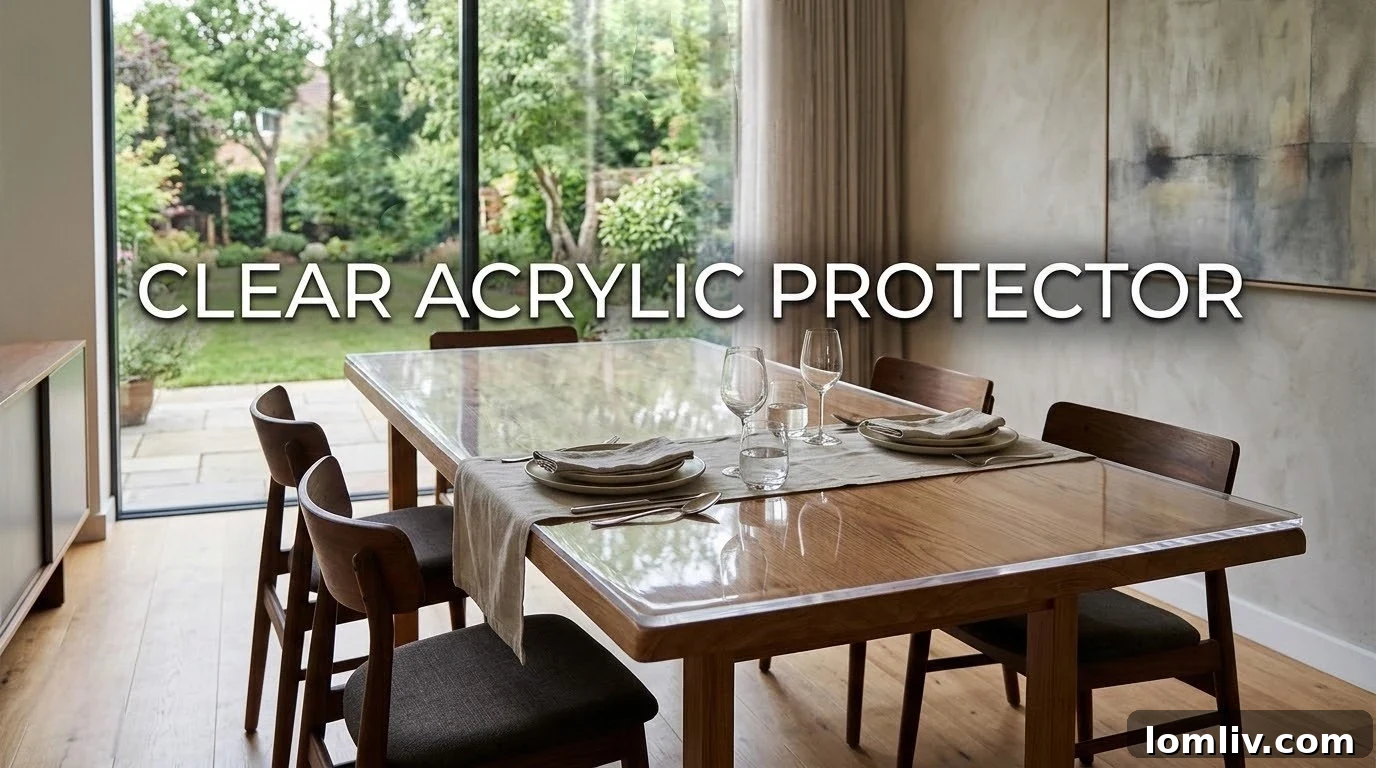
For many families, a clear acrylic sheet (often known by brand names like Plexiglas or Lucite) offers the perfect balance of protection, appearance, and affordability. It delivers the same crystal-clear, transparent look as glass, allowing your beautiful tabletop to remain the centerpiece of the room. This makes it an excellent choice for those who love the look of their wood, marble, or metal table but need a reliable shield against daily life.
The most significant advantages of acrylic over glass are its weight and durability. Acrylic is up to 50% lighter than glass of the same thickness, making it far easier to handle, position, and remove for cleaning. More importantly, it is highly impact-resistant and will not shatter like glass. If it gets bumped or dropped, it is far more likely to absorb the impact without breaking, making it a much safer option for homes with children and pets. This shatterproof quality provides invaluable peace of mind.
While acrylic is a fantastic all-rounder, it does have a key vulnerability: it is softer than glass and can be prone to scratching over time. Dragging rough-bottomed ceramics, using abrasive cleaners, or even just the daily grind of homework and crafts can lead to fine surface scratches. However, using placemats and coasters can greatly mitigate this risk, and minor scratches can often be buffed out with a specialized acrylic polish. In terms of heat, acrylic does not offer the same level of resistance as glass, so you will need to use trivets and hot pads for dishes coming directly from the oven or stove. Despite these considerations, its combination of clarity, safety, and a more accessible price point makes acrylic the go-to choice for busy households seeking durable, everyday protection.
PVC Tablecloths: The Budget-Friendly Workhorse
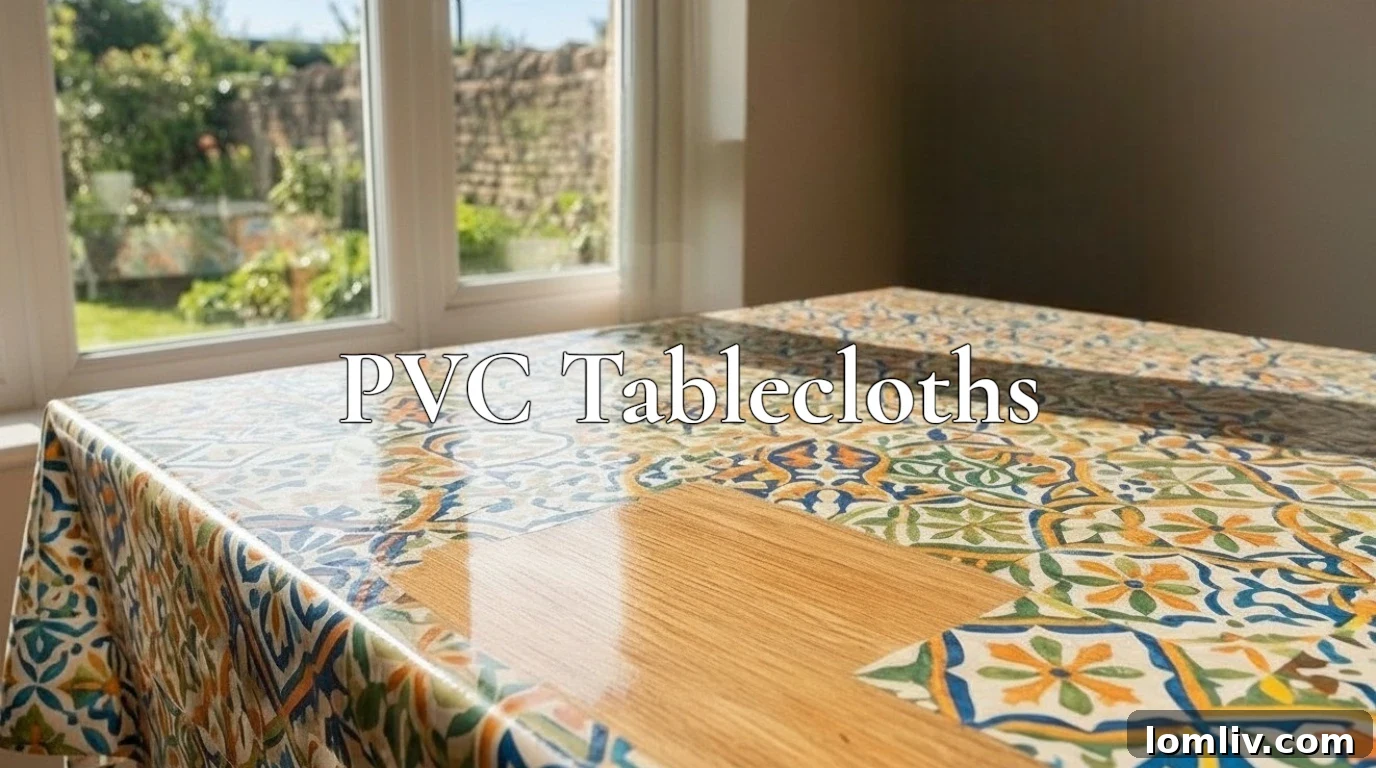
PVC (polyvinyl chloride), or vinyl, table protectors are the most affordable and widely available option on the market. You can find them in countless patterns, colors, and sizes at most home goods or department stores, making them an easy and accessible fix. Their main selling point is their waterproof and wipeable surface. They provide an impermeable barrier against spills, making cleanup after a messy meal with kids as simple as a quick wipe with a damp cloth.
However, the trade-offs for this convenience and low cost are significant. One major issue with PVC is that it doesn’t “breathe.” This can be a problem for wood tables, as the plastic can trap moisture and humidity underneath, potentially leading to clouding, discoloration, or damage to the table’s finish over the long term. In direct sunlight or a warm room, the surface can become tacky or uncomfortably warm to the touch. Over time, exposure to UV light can cause the PVC to yellow and become brittle.
Aesthetically, a PVC cover often lays unevenly and can have creases that are difficult to smooth out, detracting from the look of the dining area. While it’s an excellent solution for temporary needs—like a child’s birthday party, a messy crafting session, or for use on an outdoor patio table—it generally lacks the durability and premium feel for long-term, everyday use on a cherished indoor dining table.
Traditional Tablecloths: Elevating Style Over Substance
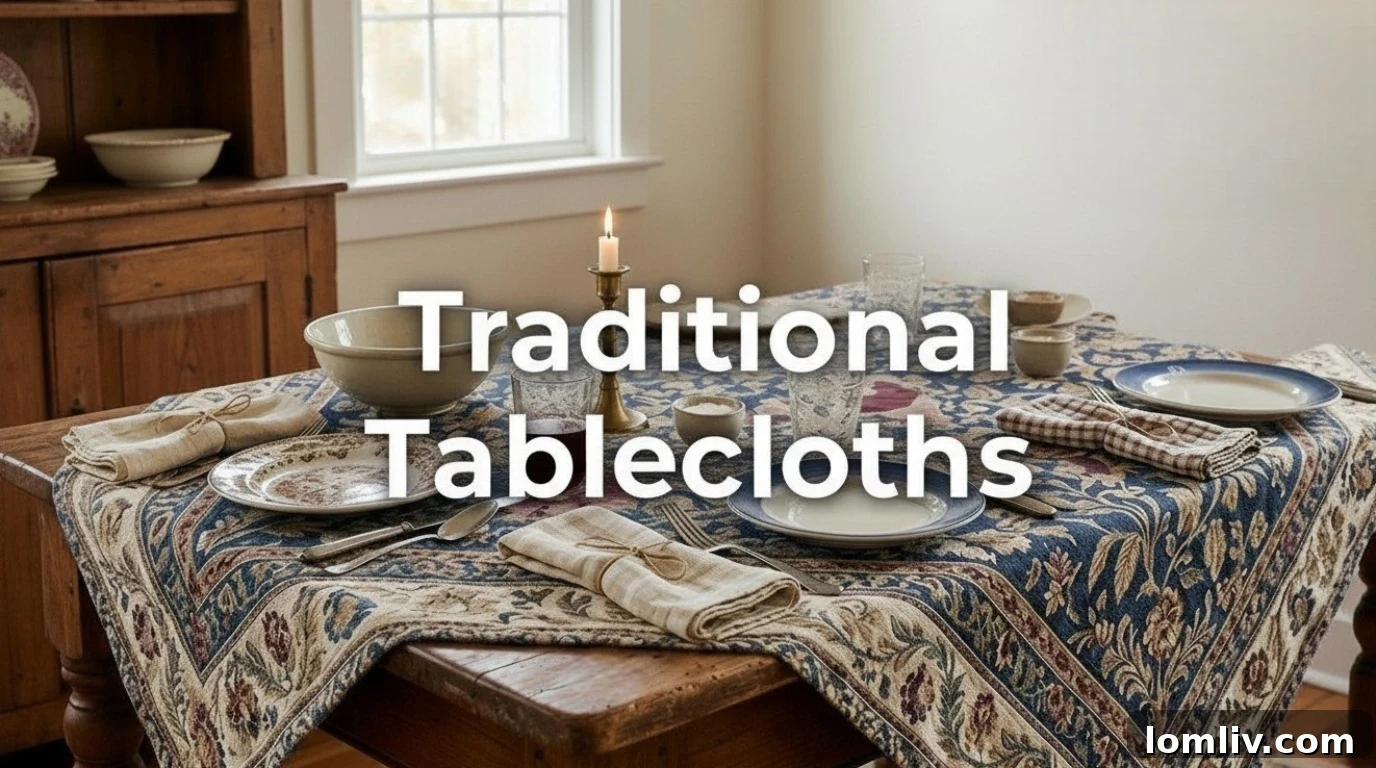
Fabric tablecloths have been a staple of dining decor for centuries, and for good reason. They offer an unmatched ability to inject color, texture, and personality into a room. With an endless variety of materials—from casual cotton and rustic linen to formal jacquard and easy-care polyester—a tablecloth can instantly change the mood of your dining space to match a season, holiday, or special occasion. It can soften the hard lines of a room and make it feel warmer and more inviting.
From a practical standpoint, however, a standard fabric tablecloth offers minimal protection. Instead of repelling spills, it absorbs them, often leading to stains that require immediate treatment and frequent laundering. This can become a chore, especially in a busy household. While a tablecloth can prevent minor surface scratches from plates and cutlery, it offers virtually no defense against heat from hot dishes, impact from dropped objects, or moisture from a spilled glass of water, all of which can easily damage the wood underneath.
For enhanced protection, you can opt for a felt-backed or vinyl-topped fabric tablecloth (often called oilcloth), which adds a layer of cushioning and water resistance. However, if your primary goal is robust, everyday protection from the rigors of family life, a fabric tablecloth alone is usually insufficient. It’s best suited for formal dining occasions or for homes where the table sees lighter use, with style being the top priority.
How to Choose the Right Table Protector: A Buyer’s Guide
Selecting the ideal table protector involves weighing several key factors against your specific needs. Think carefully about how your table functions in your daily life.
- Primary Use and Lifestyle: Is your table the central hub for every meal, homework session, and art project? Or is it reserved for more formal gatherings? A high-traffic table demands a durable, easy-to-clean surface like acrylic or glass. A less-used table might be fine with a decorative fabric tablecloth.
- Heat Resistance: How often do you place hot dishes on the table? If you frequently serve family-style meals straight from the oven, the superior heat resistance of tempered glass is a major advantage. For other materials like acrylic, consistent use of trivets is essential.
- Scratch and Impact Resistance: Consider the potential for scratches from cutlery, keys, laptops, and craft supplies. Glass offers the best scratch resistance. Acrylic is strong but can scratch, while PVC and fabric offer very little protection from sharp or heavy objects.
- Aesthetics and Appearance: Is it important for you to see the tabletop itself? If you’ve invested in a beautiful wood or marble table, a transparent protector like glass or acrylic is the best way to showcase it. If you prefer to add color and pattern to your decor, a PVC or fabric tablecloth is a better fit.
- Safety in the Home: If you have young children or boisterous pets, safety is paramount. Lightweight, shatterproof acrylic is by far the safest hard-surface option, eliminating the risks associated with heavy, breakable glass.
- Budget: Your budget will play a significant role. PVC and fabric tablecloths are the most affordable, easily replaceable options. Acrylic represents a moderate investment for long-term protection. Custom-cut tempered glass is the most expensive and should be considered a long-term investment in your furniture.
The Bottom Line: Making the Final Decision
Ultimately, the best table protector is the one that fits seamlessly into your life. It should reduce your stress about potential damage, not add another layer of complication to your daily routine.
For the vast majority of family homes, a clear acrylic protector strikes the ideal balance. It offers excellent, hassle-free protection, maintains the visual appeal of your table, and provides a safe, shatterproof surface suitable for a household with children. It’s the practical all-rounder that guards against almost anything daily life can throw at it.
If your budget allows and your home is free of small children, a tempered glass protector offers a luxurious, highly durable, and heat-resistant finish that elevates the look of your dining space. For those prioritizing style, seasonality, and decor, a collection of fabric tablecloths allows for endless creativity, best reserved for less intensive use. Finally, PVC protectors serve a valuable purpose as a low-cost, temporary, or heavy-duty “mess mat” for specific activities, rather than a permanent solution. By assessing your needs against these options, you can choose a protector that will keep your dining table looking beautiful for years to come.