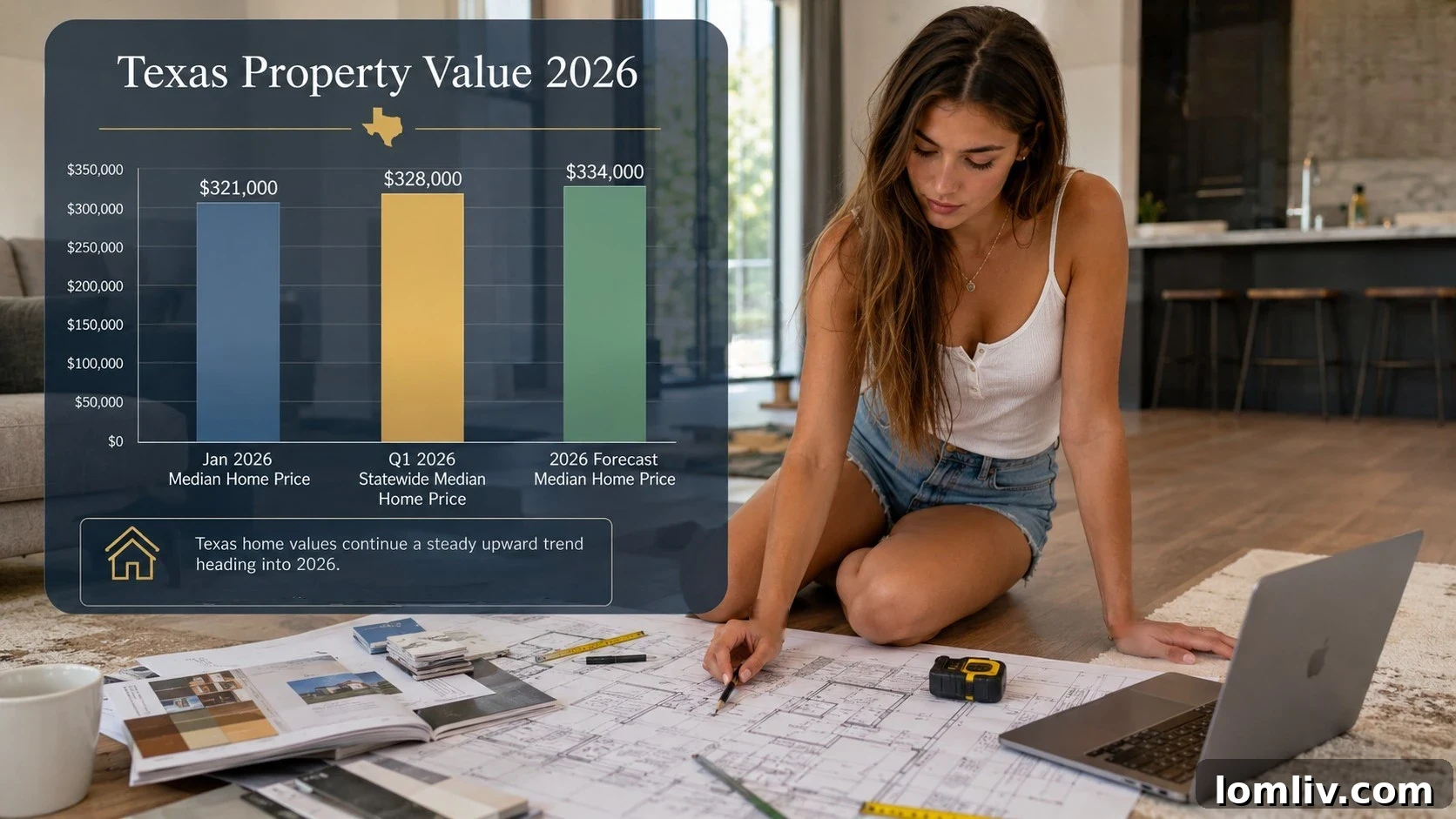
Thinking about home renovations often brings to mind fresh paint, new countertops, and a more comfortable living space. While these lifestyle enhancements are certainly valuable, they represent only one side of the coin. Beyond the immediate aesthetic and functional benefits, strategic home improvements are a powerful tool for shaping your long-term financial health. A well-planned renovation isn’t just an expense; it’s an investment in your single most significant asset.
A thoughtfully updated and meticulously maintained home doesn’t just feel better to live in—it also tends to appreciate more reliably and hold its value during market fluctuations. By focusing on smart upgrades, you can actively increase your property’s market value, reduce your monthly household expenses, and build a stronger foundation for financial security. The secret lies in understanding which home improvements deliver the best return on investment (ROI), rather than simply following fleeting design trends.
You don’t need a six-figure budget to make a meaningful impact. In fact, consistent, purposeful improvements executed over time can have a profound and cumulative effect on your financial well-being. These projects systematically build home equity, slash utility bills, and provide you with greater financial flexibility to achieve future goals, whether that’s funding retirement, paying for education, or simply living with less financial stress.
Transforming Your Home into a Powerful Financial Asset
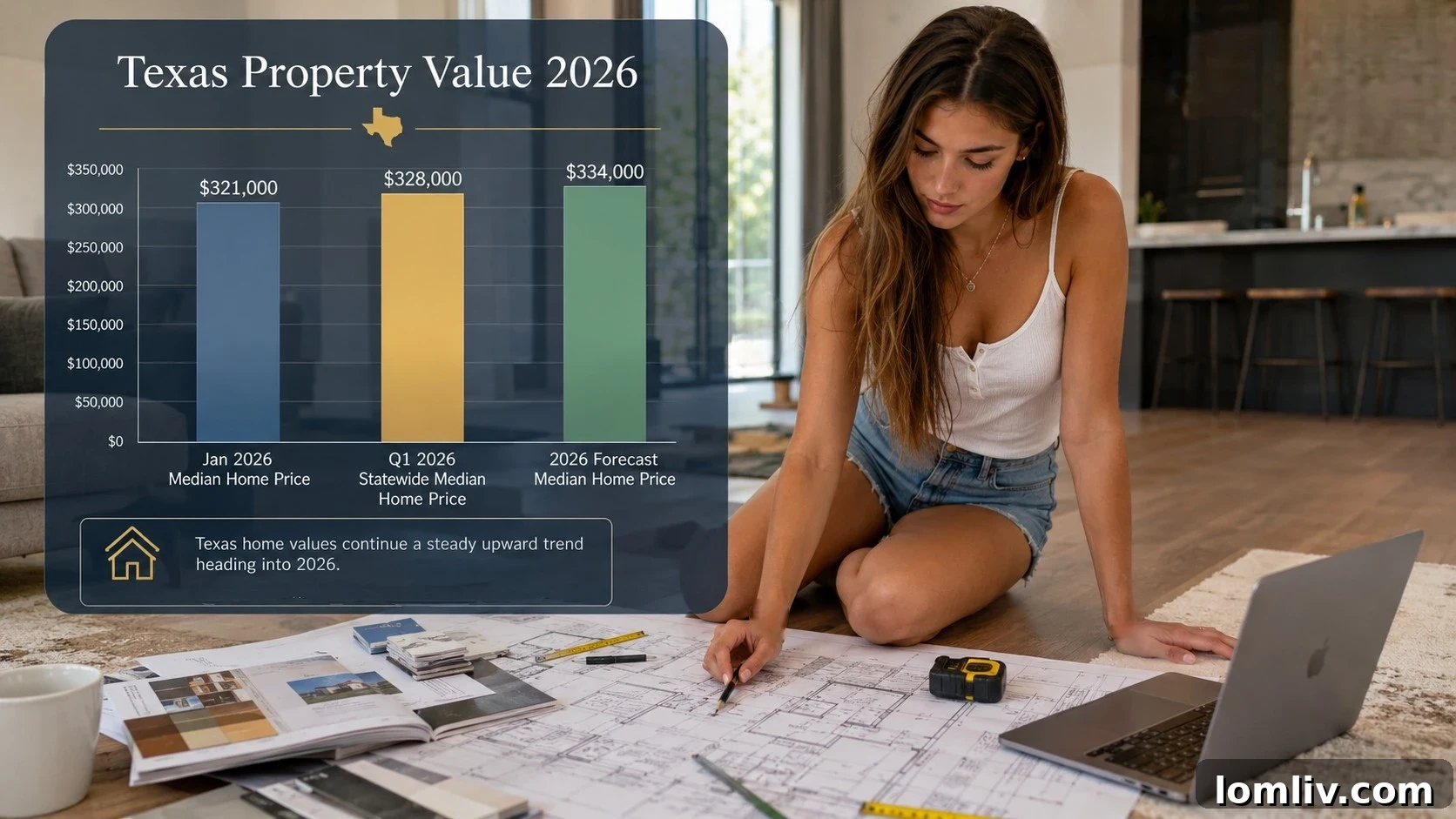
When people discuss investing, the conversation typically revolves around stocks, bonds, and retirement funds. However, for most individuals, their home is the largest asset they will ever own. Treating it as a dynamic investment to be nurtured, rather than a static place to live, unlocks a practical and tangible path toward wealth building. Strategic renovations are the mechanism for this growth.
Unlike discretionary spending on luxuries, well-chosen home improvements serve multiple vital purposes simultaneously. They enhance the daily utility of your space, protect the structural integrity of the building, and dramatically boost its appeal to potential buyers. Even small, cost-effective upgrades can contribute significantly to a higher resale price when executed with a clear financial goal in mind.
Consider the ripple effects of a few common projects. Replacing old, drafty windows does more than just improve the view; it immediately lowers your heating and cooling costs. Upgrading from worn-out carpet to durable hardwood flooring not only modernizes the look but also appeals to a broader range of buyers and lasts longer. A simple weekend project to improve curb appeal can create a powerful first impression that directly translates to a higher market valuation.
The crucial difference lies in your intention. Renovations driven solely by highly specific personal tastes might not resonate with the market and may fail to generate a positive return. In contrast, improvements that prioritize efficiency, durability, functionality, and timeless design consistently yield superior financial outcomes over the long run.
Boost Your Bottom Line with Energy-Efficient Upgrades
One of the most immediate and tangible financial rewards of home renovation comes from reducing monthly expenditures. Upgrades focused on energy efficiency can lead to substantial savings on utility bills month after month, creating a compounding benefit that grows over years. This is an investment that starts paying you back from day one.
Simple, high-impact projects can make a significant difference:
- Sealing Air Leaks and Adding Insulation: Properly insulating your attic, walls, and crawl spaces is one of the most cost-effective ways to prevent energy loss.
- Installing Energy-Efficient Windows: Modern double- or triple-pane windows reduce heat transfer, keeping your home warmer in the winter and cooler in the summer.
- Replacing Outdated Appliances: Swapping old refrigerators, dishwashers, and washing machines for new ENERGY STAR-rated models can drastically cut electricity and water consumption.
- Upgrading Your HVAC System: A new, high-efficiency heating, ventilation, and air conditioning system uses far less energy to maintain a comfortable temperature.
- Switching to LED Lighting: LEDs use up to 80% less energy than traditional incandescent bulbs and last significantly longer.
- Installing a Smart Thermostat: These devices learn your schedule and optimize heating and cooling, eliminating waste when you’re away or asleep.
These improvements not only reduce energy waste but also enhance the overall comfort of your home. According to the U.S. Department of Energy, a strategic approach to energy efficiency can cut household energy use by 25% or more. Lowering your monthly bills frees up your cash flow, allowing you to allocate more money toward savings, debt reduction, or other financial priorities. While a smaller utility bill might seem like a minor win each month, the long-term cumulative effect on your finances can be thousands of dollars saved.
Proactive Maintenance: Your First Line of Financial Defense
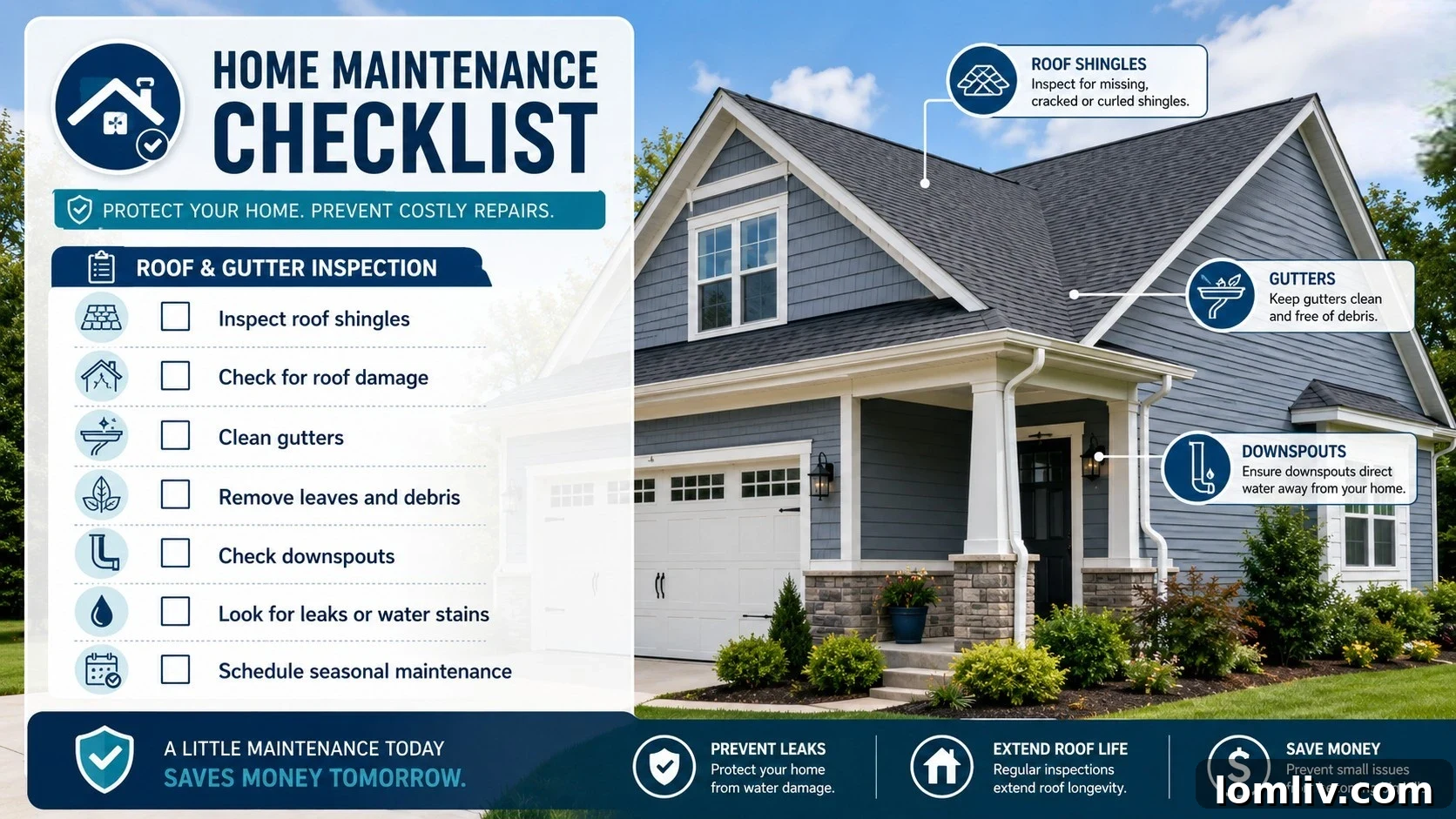
Preventive renovations may not be the most glamorous projects. Replacing a roof or updating an electrical panel rarely inspires the same excitement as a kitchen remodel. However, these maintenance-focused improvements are critical for protecting your home’s value and saving you from catastrophic financial burdens down the road.
Ignoring seemingly small issues is a recipe for disaster. A minor roof leak can lead to widespread water damage, mold growth, and structural rot. An aging electrical system poses a fire hazard. Foundation cracks can worsen over time, compromising the entire structure of your home. The cost of repairing these major problems almost always skyrockets the longer they go unaddressed.
Investing in routine maintenance and preventive upgrades helps you:
- Avoid Costly Emergency Repairs: It’s far cheaper to replace a water heater on your own schedule than to deal with a flooded basement.
- Preserve Your Home’s Value: A well-maintained home holds its value and is more attractive to buyers.
- Reduce Insurance Risks: Proactive maintenance can prevent claims and may even help lower your insurance premiums.
- Ensure Long-Term Durability: Protecting your home’s core systems ensures it remains a safe and stable asset for decades.
During a home sale, inspectors and savvy buyers pay close attention to the health of the roof, plumbing, electrical, and foundation. Evidence of diligent upkeep provides peace of mind and justifies a higher asking price, often more so than purely cosmetic finishes. Building financial stability isn’t just about pursuing growth; it’s also about aggressively mitigating preventable losses.
High-Impact Zones: Remodeling Kitchens and Bathrooms for Maximum ROI
When it comes to renovations that consistently boost resale value, kitchens and bathrooms are in a class of their own. These high-traffic areas are central to daily life and are often the spaces that make the strongest impression on potential buyers. A modern, functional kitchen or a clean, updated bathroom can be a major selling point.
However, this doesn’t mean you need a full-scale, luxury overhaul. In fact, minor and mid-range remodels often yield a higher percentage return on investment than overly expensive, custom renovations. The goal is to create a clean, timeless, and highly functional space that appeals to a wide audience.
Smart, value-adding improvements include:
Kitchen Improvements
- Refinishing or Repainting Cabinets: A fresh coat of paint and new, modern hardware can transform the look of a kitchen for a fraction of the cost of new cabinets.
- Replacing Outdated Countertops: Upgrading to durable, neutral materials like quartz or granite adds immediate value.
- Updating the Backsplash and Lighting: A stylish backsplash and modern light fixtures can brighten the space and make it feel more current.
- Installing New, Energy-Efficient Appliances: A matching suite of modern appliances is a major draw for buyers.
Bathroom Improvements
- Replacing Worn Vanities and Fixtures: A new vanity, faucet, and showerhead can instantly modernize a dated bathroom.
- Updating Tile and Grout: Regrouting or replacing old tile on the floor or in the shower makes the space look clean and new.
- Improving Ventilation: Installing a new, quiet exhaust fan prevents moisture and mold issues, a key concern for buyers.
- Enhancing Lighting and Mirrors: A well-lit space with a large, stylish mirror feels bigger and more inviting.
Data from real estate industry reports consistently shows that kitchen and bathroom projects are among the most desirable updates for homebuyers. By focusing on practical, high-quality improvements, you create a space that you can enjoy today while ensuring it pays financial dividends in the future.
Building Wealth Brick by Brick: How Renovations Boost Home Equity

Every strategic improvement you make to your property has the potential to grow your home equity. Home equity is simply the difference between your home’s current market value and the amount you still owe on your mortgage. As you increase the property’s value through renovations while simultaneously paying down your mortgage, your equity grows, representing a powerful form of personal wealth.
This accumulated equity can become a vital financial resource. Many homeowners leverage their equity to fund further renovations, consolidate high-interest debt like credit cards, cover educational expenses, or manage unexpected life events by using a home equity loan or line of credit. It provides a safety net and a source of flexible capital.
Of course, not all renovations contribute to equity equally. Projects with broad appeal and practical function, such as adding a bathroom, finishing a basement to increase usable living space, or making energy-efficiency upgrades, generally offer a stronger and more reliable return. Highly personalized or niche upgrades, like a home theater or a wine cellar, may not be valued as highly by the next owner.
Building equity is a marathon, not a sprint. It develops gradually through a combination of regular mortgage payments, consistent maintenance, and strategic improvement decisions that enhance the home’s long-term value and appeal.
The Power of First Impressions: Boosting Value with Curb Appeal
Exterior improvements are often the unsung heroes of home renovation. A potential buyer’s first impression is formed the moment they see your home from the street, and that initial perception can significantly influence their valuation of the entire property. A neglected or dated exterior can signal to buyers that the interior may also be poorly maintained, discouraging them before they even step inside.
Conversely, thoughtful and well-executed curb appeal enhancements can make a property look well-cared for, modern, and inviting, often yielding one of the highest returns on investment of any renovation category.
High-impact exterior projects that deliver immense value include:
- A Fresh Coat of Exterior Paint: This is one of the most transformative upgrades, instantly making a home look newer and cleaner.
- Landscaping and Garden Maintenance: A manicured lawn, trimmed shrubs, fresh mulch, and strategically placed flowers create a welcoming environment.
- Updating the Front Door: A new, stylish front door or a fresh coat of bold paint on the existing one can dramatically change the home’s focal point.
- Pressure Washing Surfaces: Cleaning siding, walkways, and driveways removes years of dirt and grime, revitalizing the home’s appearance.
- Improving Outdoor Lighting: New fixtures on the porch and along walkways enhance both safety and aesthetic appeal.
- Repairing Walkways and Driveways: Fixing cracks and uneven surfaces shows attention to detail and care.
These projects are typically less expensive and disruptive than major interior remodels but can provide a substantial boost to your home’s perceived and actual value. In a competitive housing market, outstanding curb appeal can be the deciding factor that sets your home apart.
Maximizing Livability: Creating Functional Spaces Buyers Crave
Today’s homebuyers prioritize functionality and efficient use of space, often over sheer square footage. A home with a smart layout that supports modern lifestyles will attract stronger interest and command a higher price than a larger but poorly configured one. Renovations that improve a home’s flow and usability are a wise financial move.
Renovations that add significant functional value include:
- Creating Multipurpose Living Areas: Flexible rooms that can serve as a home office, guest room, or fitness area are in high demand, especially with the rise of remote work.
- Enhancing Storage Solutions: Thoughtful storage, like custom closet systems, built-in shelving, and organized pantries, eliminates clutter and increases convenience.
- Finishing a Basement or Attic: Converting unused square footage into a family room, playroom, or extra bedroom is one of the best ways to add significant value and living space.
- Developing Outdoor Living Areas: A well-designed deck, patio, or screened-in porch effectively extends the home’s functional living area, providing more space for relaxation and entertaining.
The way a home functions on a daily basis is a critical component of its overall value. Buyers are increasingly looking for practical, efficient layouts that make everyday life easier and more enjoyable.
A Smart and Steady Approach: The Benefits of Phased Renovations
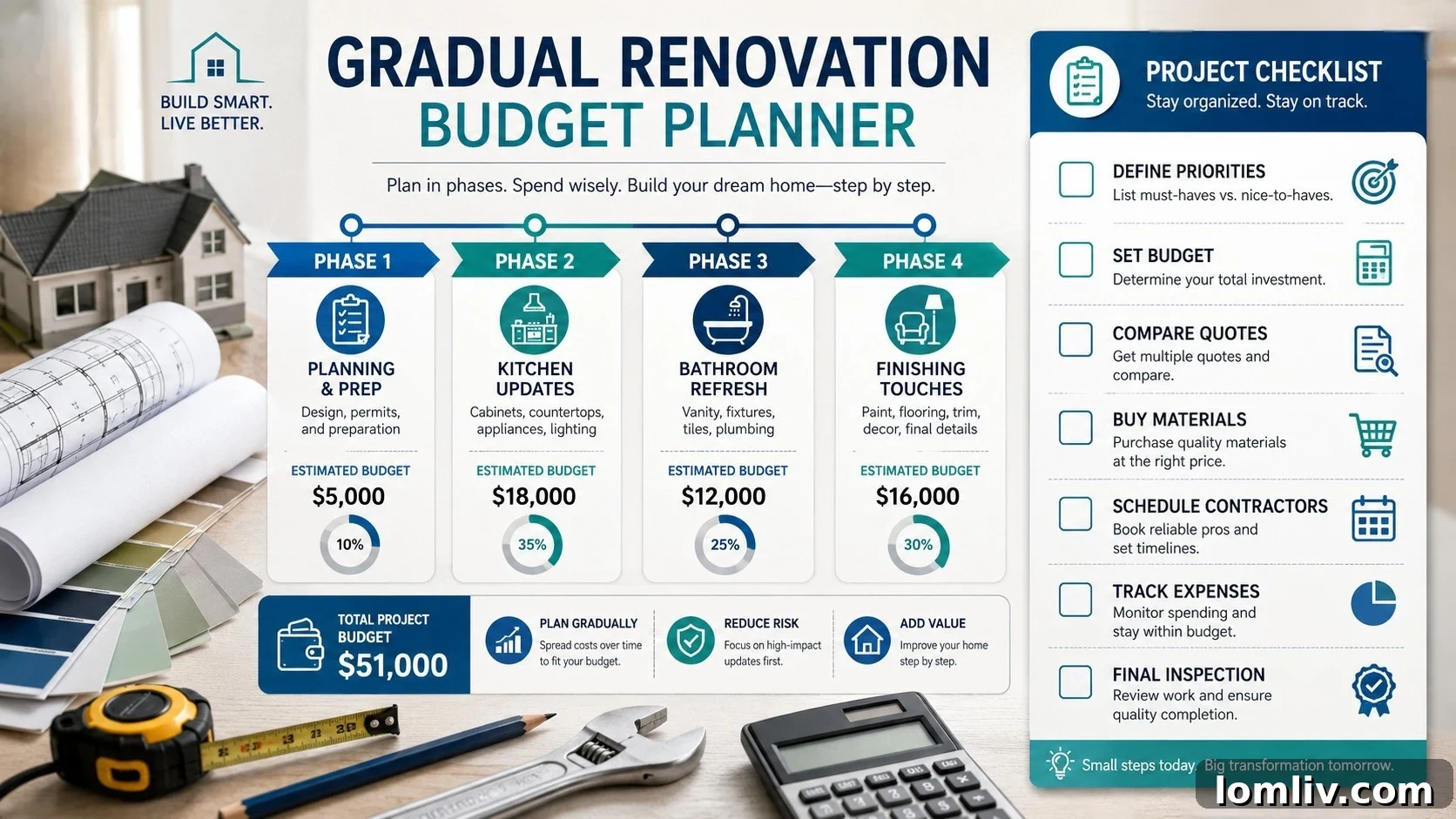
You don’t have to undertake a massive, all-at-once renovation to achieve your goals. In fact, for most homeowners, a phased approach is the more financially prudent and less stressful path. Breaking down a large-scale vision into smaller, manageable projects allows for better planning and financial control.
Tackling smaller projects over time helps you:
- Avoid Taking on Excessive Debt: Paying for projects with savings as you go is far better than financing a massive remodel with high-interest loans.
- Plan and Execute More Carefully: A gradual pace allows you to research materials, hire the right contractors, and make better decisions without feeling rushed.
- Manage Your Budget Effectively: Spreading costs over months or years makes them more manageable and allows you to adjust as your financial situation changes.
- Prioritize High-Return Improvements First: You can tackle the projects that offer the best financial or lifestyle benefits first, like fixing a leaky roof or updating a primary bathroom.
- Minimize Disruption and Stress: Living in a construction zone is challenging. Smaller projects mean less upheaval to your daily life.
This steady, methodical approach allows you to continuously improve your home and build equity without overextending yourself financially. True financial progress is rarely made in one giant leap; it’s the result of consistent, intelligent decisions made over time.
More Than Money: The Lifestyle Return on Your Investment
While the financial benefits are clear, it’s important to remember that a home is more than just a financial asset. It’s where you live your life. A comfortable, organized, and functional living space can profoundly improve your overall quality of life, reduce daily stress, and foster a sense of stability and well-being.
This positive emotional connection often reinforces sound financial habits. When you view your home as a valuable investment that you are proud of, you are more likely to maintain it properly and make thoughtful decisions about its future. Renovations that enhance organization, improve natural light, and create a more efficient flow can indirectly boost your productivity and financial confidence.
While the return on happiness is difficult to quantify, it is undeniably real. A home that truly works for you and your family supports better decision-making in all aspects of your life.
The Bottom Line: Renovate Smarter, Not Harder
Home renovations, when approached with a strategic mindset, are a cornerstone of a comprehensive financial plan. They are an opportunity to build wealth, enhance stability, and improve efficiency. By shifting your perspective from merely decorating to strategically investing, you can unlock the full financial potential hidden within your property’s walls.
Consistent, small improvements made over time often yield the most significant results. The cumulative effect of lower utility costs, avoided repair bills, increased property value, and growing home equity can create a much stronger financial future for you and your family.
Ultimately, the most effective renovations are those that blend practicality with timeless appeal. By focusing on durability, functionality, and long-term performance over short-lived trends, you can transform your home into not only a more beautiful place to live but also a more powerful engine for your financial success.