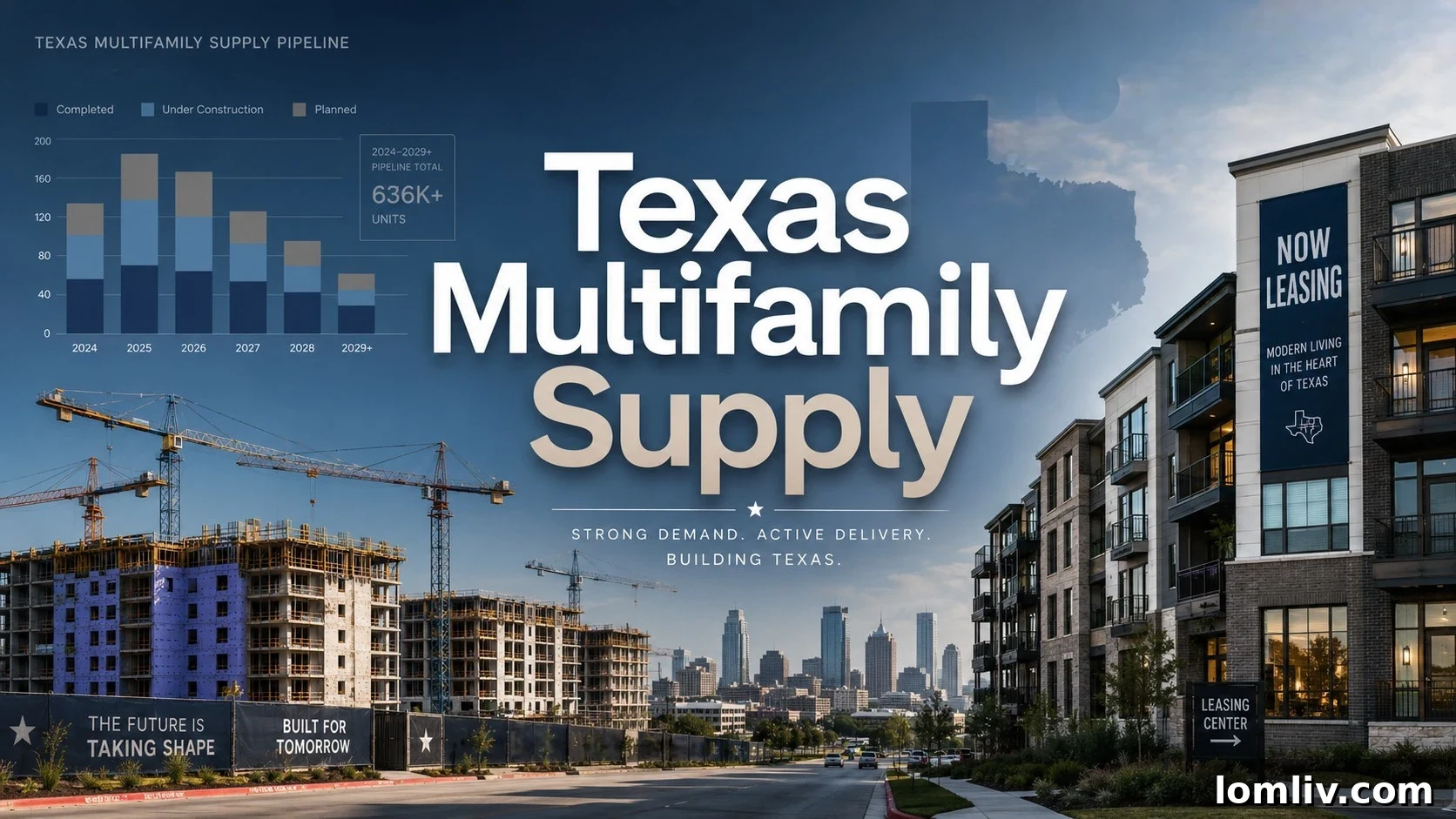
When investors think of Texas real estate, the sprawling metropolises of Dallas and Austin often dominate the conversation. These cities frequently make headlines with major commercial sales and rapid growth. However, a deeper analysis of the multifamily market suggests that savvy investors should be widening their scope. A comprehensive 2026 forecast reveals that while established hubs remain strong, the most compelling opportunities may lie in markets that offer a different kind of value proposition: affordability and untapped potential.
While national discussions often gravitate towards high-profile markets like Washington, D.C., or Las Vegas, the real story for investors in the Lone Star State is found in the balance between cost and opportunity. A recent study analyzing the 50 largest U.S. cities highlighted two Texas markets as standout entry points for those seeking to deploy capital without facing the intense pricing pressures of larger metros. These cities offer a unique blend of economic stability, growth drivers, and attractive acquisition costs, making them essential targets for portfolio diversification in 2026 and beyond.
Discovering Value: El Paso and San Antonio Emerge as Top Investment Hubs
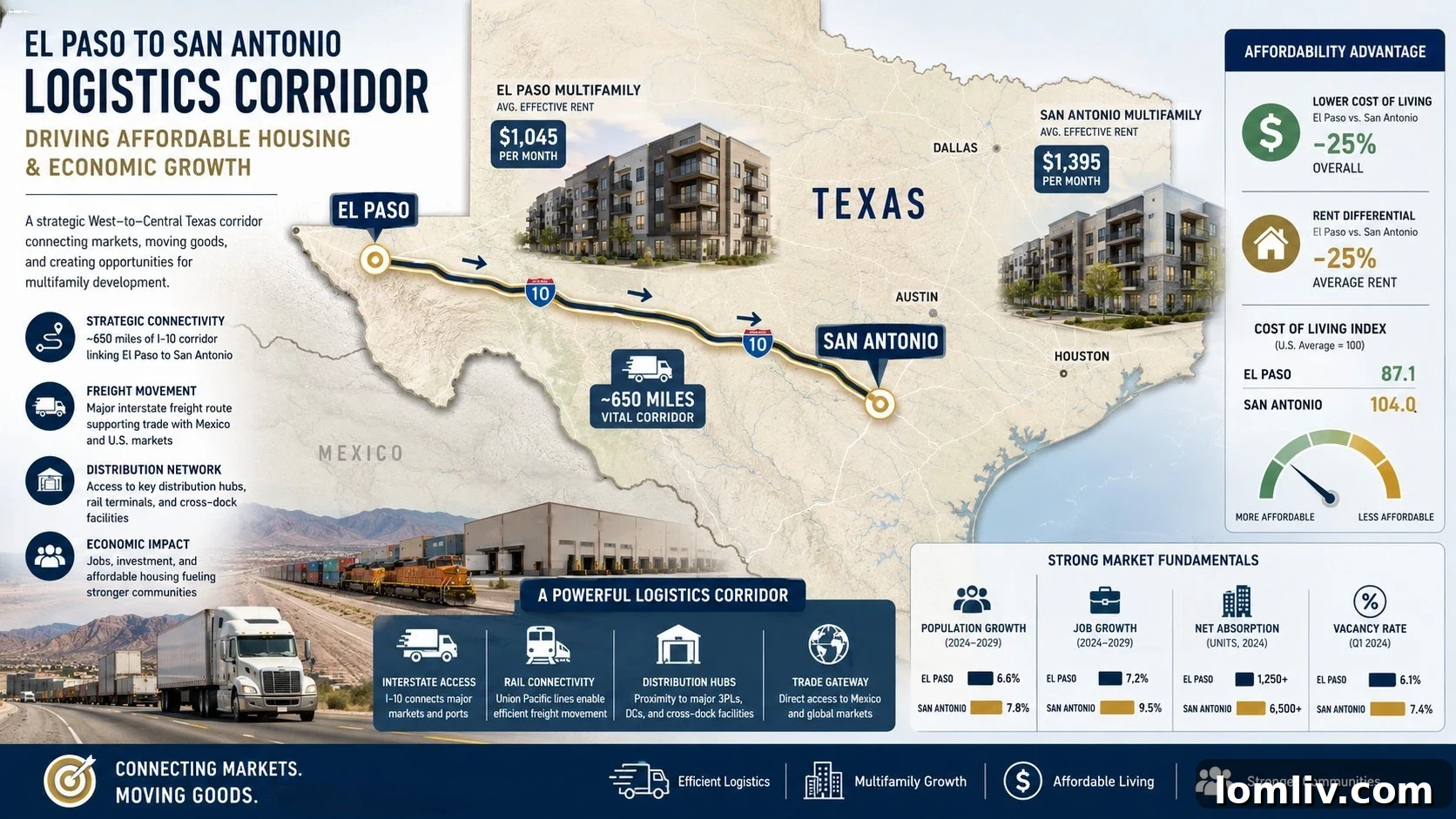
A detailed market analysis, weighing factors like capitalization rates, property tax burdens, housing inventory, and overall lifestyle appeal, has reshaped the investment map of Texas. While investors purely chasing the highest yields might still be drawn to markets like Detroit with its potential for double-digit cap rates, those looking for sustainable growth and more manageable operating costs within a robust state economy should turn their attention southward to El Paso and San Antonio.
El Paso has earned the top national ranking for multifamily affordability, boasting an average listing price of just $631,250. This isn’t merely a reflection of low land values; it’s a signal of a market with solid economic fundamentals. El Paso’s economy is intrinsically linked to cross-border trade, a burgeoning logistics sector, and the powerful “nearshoring” trend, where companies move manufacturing closer to the United States. While evolving trade policies introduce a variable, the city’s strategic location positions it as a critical hub for the workforce supporting the region’s vast industrial and logistics corridors. For an investor accustomed to the multi-million dollar price tags in North Texas, the opportunity to acquire a cash-flowing asset for well under $700,000 is a compelling proposition.
Similarly, San Antonio has secured its place in the top five for affordability, with an average asking price of around $1.29 million. But the city’s appeal extends far beyond its attractive pricing. San Antonio is a market in transformation, demonstrating a commitment to creating vibrant, modern urban environments. Major developments, such as the $65 million Mira at the Pearl, underscore the continued investment in walkable, mixed-use neighborhoods that attract and retain tenants. This project is a testament to the city’s evolution, offering residents big-city amenities at a significant discount compared to its northern neighbor, Austin. However, investors must remain diligent, carefully underwriting potential vacancy and rent concessions to navigate the competitive landscape successfully.
The Dallas Evolution: From Value Market to Premier Destination
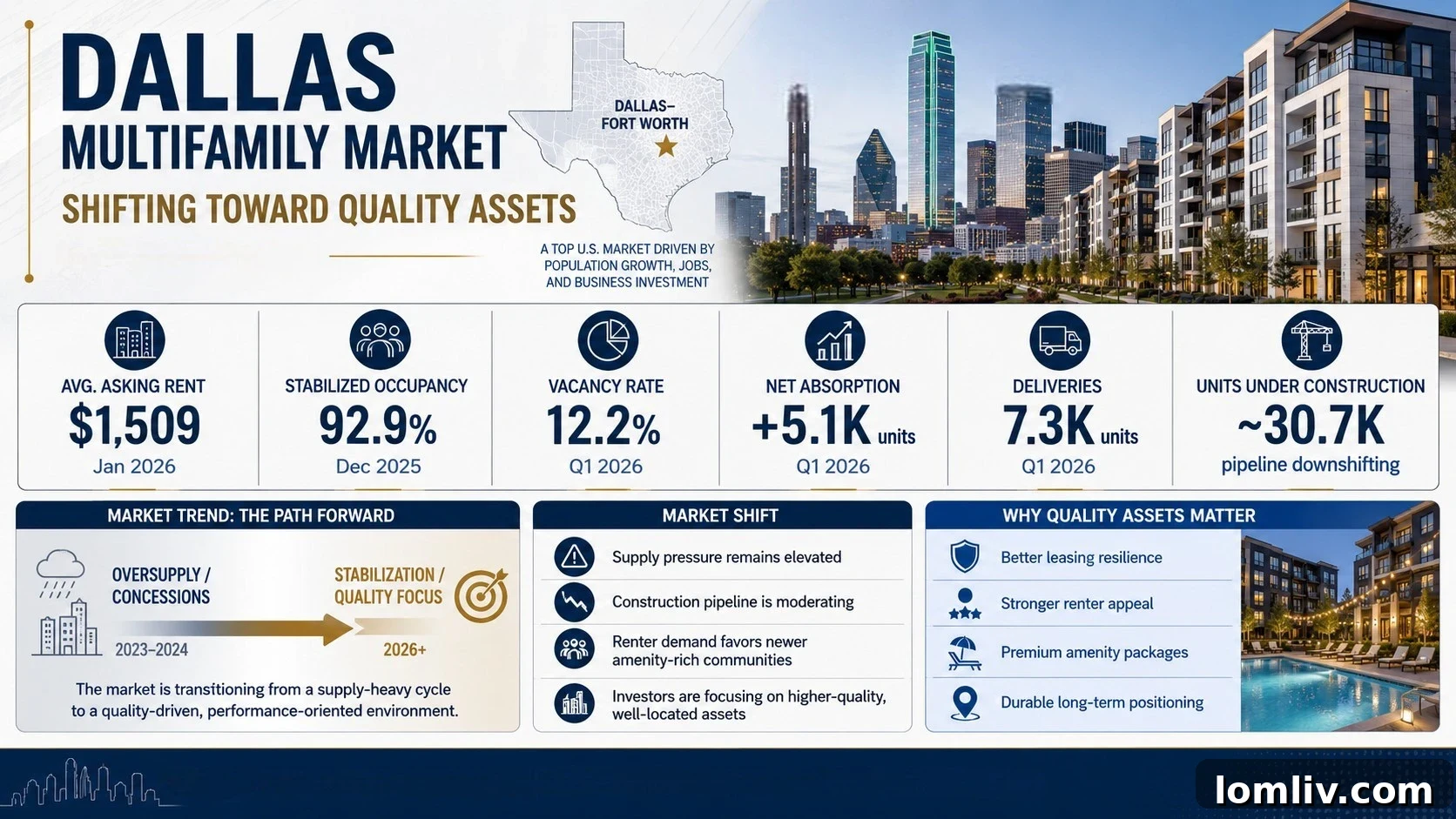
With more affordable alternatives like El Paso and San Antonio gaining prominence, a critical question arises: is Dallas-Fort Worth losing its competitive edge? The answer is a definitive no. Instead, the market is undergoing a significant evolution. The days of DFW being a “bargain” market for real estate are largely in the past. The 2026 data clearly indicates Dallas is maturing into a premier market where investment success hinges less on finding a low-cost deal and more on strategic asset selection, focusing on prime locations, superior quality, and a desirable tenant profile.
The Dallas-Fort Worth metroplex continues to benefit from immense renter demand, fueled by relentless corporate relocations and robust job growth. However, the market is simultaneously absorbing a substantial wave of new supply delivered over the past few years. This influx means developers are no longer just building units; they are competing fiercely to attract and retain tenants. In this environment, properties with strong lifestyle metrics have a distinct advantage. Access to green spaces, high-end retail, and acclaimed dining options—like those recognized by the James Beard Foundation—are becoming key differentiators. This is where Dallas continues to excel and command premium rents.
Major urban projects, such as the development of Harold Simmons Park along the Trinity River, and the enduring appeal of dynamic neighborhoods like the Bishop Arts District, provide the quality-of-life amenities that support strong rental demand, even as new supply comes online. For investors, the strategy in Dallas has shifted. It is no longer a simple value play. In 2026, DFW is best understood as a quality-focused market, ideal for investors targeting long-term appreciation and a stable, higher-income tenant base.
Navigating the 2026 Multifamily Supply Reset
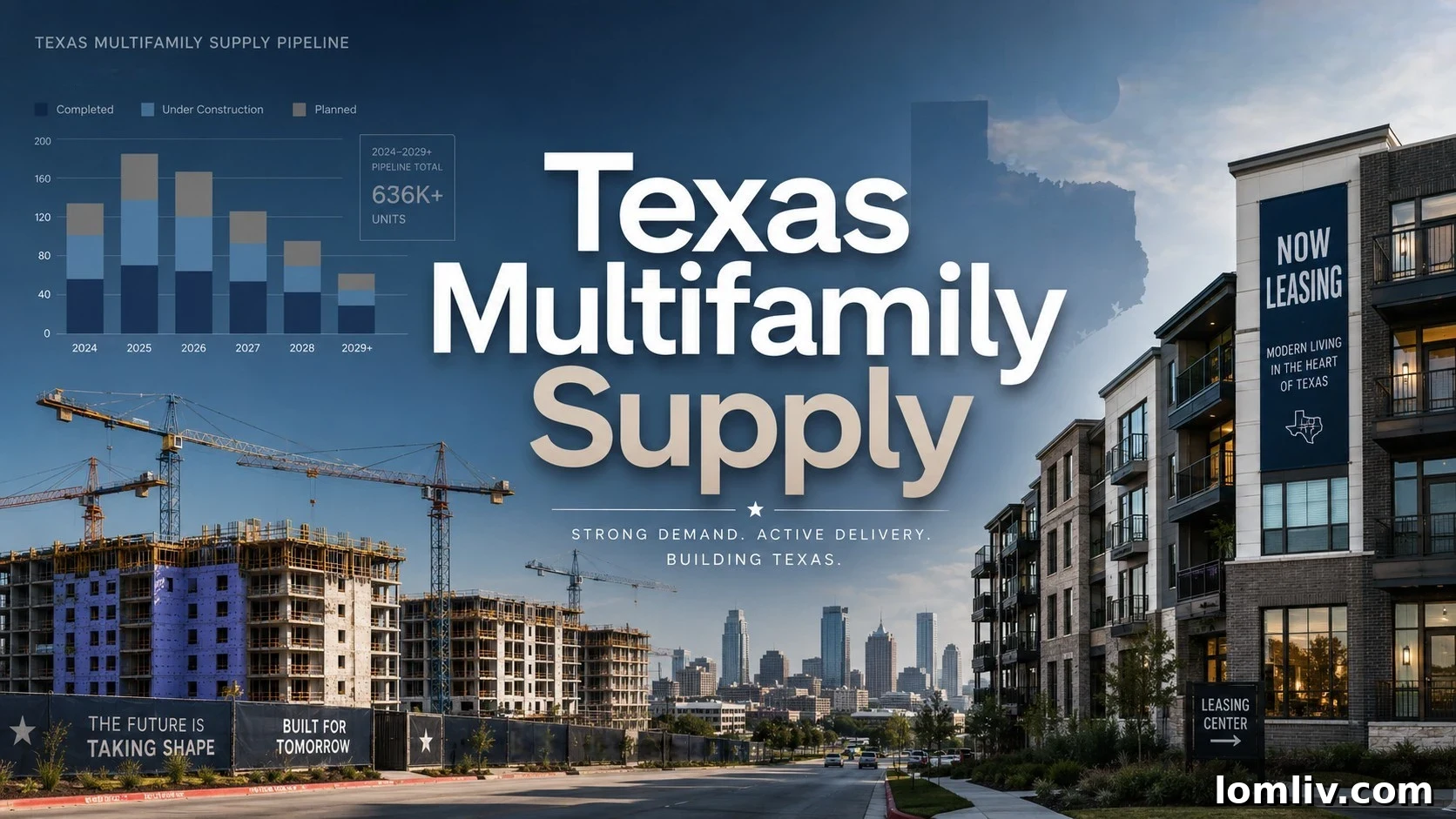
One of the most significant trends shaping the 2026 multifamily landscape is a broad market reset on new supply. The construction boom that began during the pandemic resulted in a massive wave of apartment deliveries throughout 2024 and 2025. Now, that pipeline is beginning to contract significantly as economic headwinds take hold.
Across the nation, the number of new multifamily completions is projected to drop in 2026. This slowdown is a direct result of fewer construction starts, as developers grapple with higher interest rates, elevated material costs, and tighter lending standards. The once-flooded under-construction pipeline is shrinking, setting the stage for a much different market dynamic in the coming years.
In the short term, rent concessions remain a key factor in major Texas markets. Cities like Austin and Dallas have seen landlords offer significant incentives, including six to eight weeks of free rent, to attract tenants in a competitive environment. However, this trend may be temporary. As renter demand continues to absorb existing units and the flow of new supply diminishes, these generous deals are likely to become far less common. This creates a strategic window of opportunity for investors.
The current, softer market conditions may not last. By acquiring well-located Class B and C assets in cities like San Antonio and El Paso today, investors can position themselves for stronger rent growth in 2027 and 2028. As the supply-demand balance tightens, these properties are poised to benefit from increased demand and pricing power, especially for investors who purchase at a disciplined basis now.
Strategic Diversification: A Playbook for Texas Investors
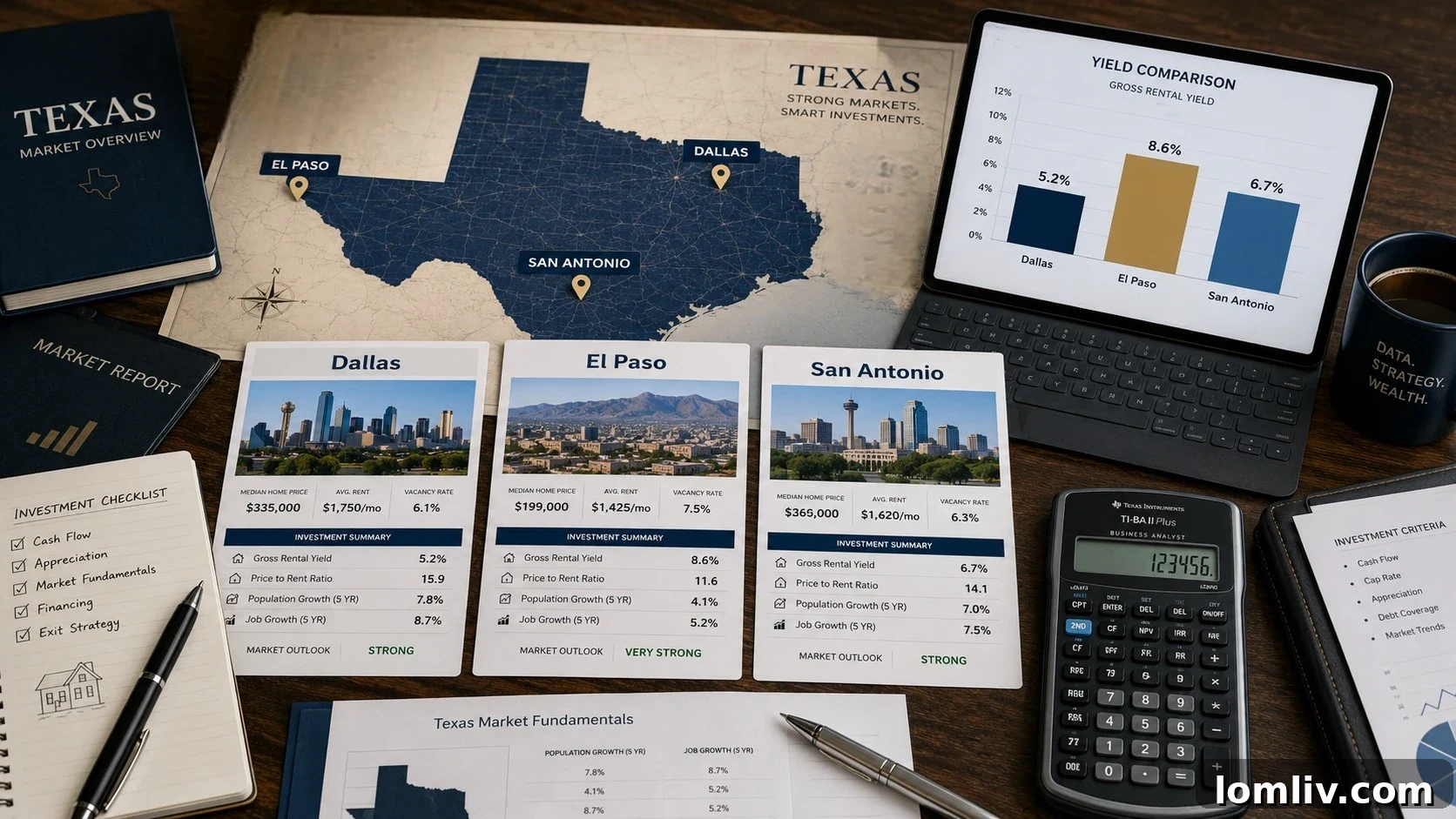
For investors based in North Texas, the current market data offers a clear and practical roadmap for portfolio diversification. While you may feel priced out of acquiring another multifamily property in your local Dallas-Fort Worth submarket, opportunities in San Antonio and El Paso provide a strategic pathway to continue scaling your investments within the state.
Expanding into these markets allows you to operate under the familiar Texas regulatory framework while pursuing a better yield-on-cost. In El Paso, for instance, capitalization rates can be significantly higher than those typically found in the urban core of Dallas, offering more immediate cash flow potential. This geographic diversification also mitigates risk by reducing your portfolio’s dependence on a single metropolitan economy.
Property taxes remain a significant consideration for any Texas investor. While Texas tax rates are higher than in states like Colorado, the overall financial picture remains compelling due to the absence of a state income tax. This trade-off continues to make Texas an attractive destination for both domestic and out-of-state capital, especially when compared to high-tax coastal markets like Boston or San Francisco.
When investing in El Paso, the multifamily real estate story is deeply intertwined with the region’s industrial and logistics boom. A smart strategy for 2026 is to target assets located near last-mile distribution centers, manufacturing facilities, and major employment corridors. This approach directly ties your investment to the durable, long-term demand for workforce housing generated by the city’s growing economic base.
The Enduring Strength and Diversity of Texas Real Estate
The Texas multifamily market offers a wealth of opportunities, but the optimal investment strategy depends entirely on your specific goals and risk tolerance. The 2026 outlook confirms that the state’s real estate future remains incredibly bright, but the most compelling story is its diversity. Each major market presents a distinct pathway to success.
If your priority is stability, access to a deep pool of high-income tenants, and exposure to a major Sun Belt economy, Dallas-Fort Worth remains the undisputed choice for a quality-focused, long-term appreciation play. Conversely, if your goal is to scale a portfolio cost-effectively and capture higher initial yields, a close examination of the fundamentals in El Paso and San Antonio is essential. These markets offer the chance to acquire assets at a lower basis while capitalizing on unique economic drivers.
Ultimately, successful real estate investing boils down to three core principles: buying at a disciplined basis, ensuring positive cash flow, and investing in markets with sustainable demand. The 2026 forecast shows that Texas excels on all three fronts. From the affordable, high-yield opportunities in El Paso to the balanced growth of San Antonio and the premier, quality-driven market of Dallas, investors have multiple, distinct ways to build wealth in the Lone Star State.