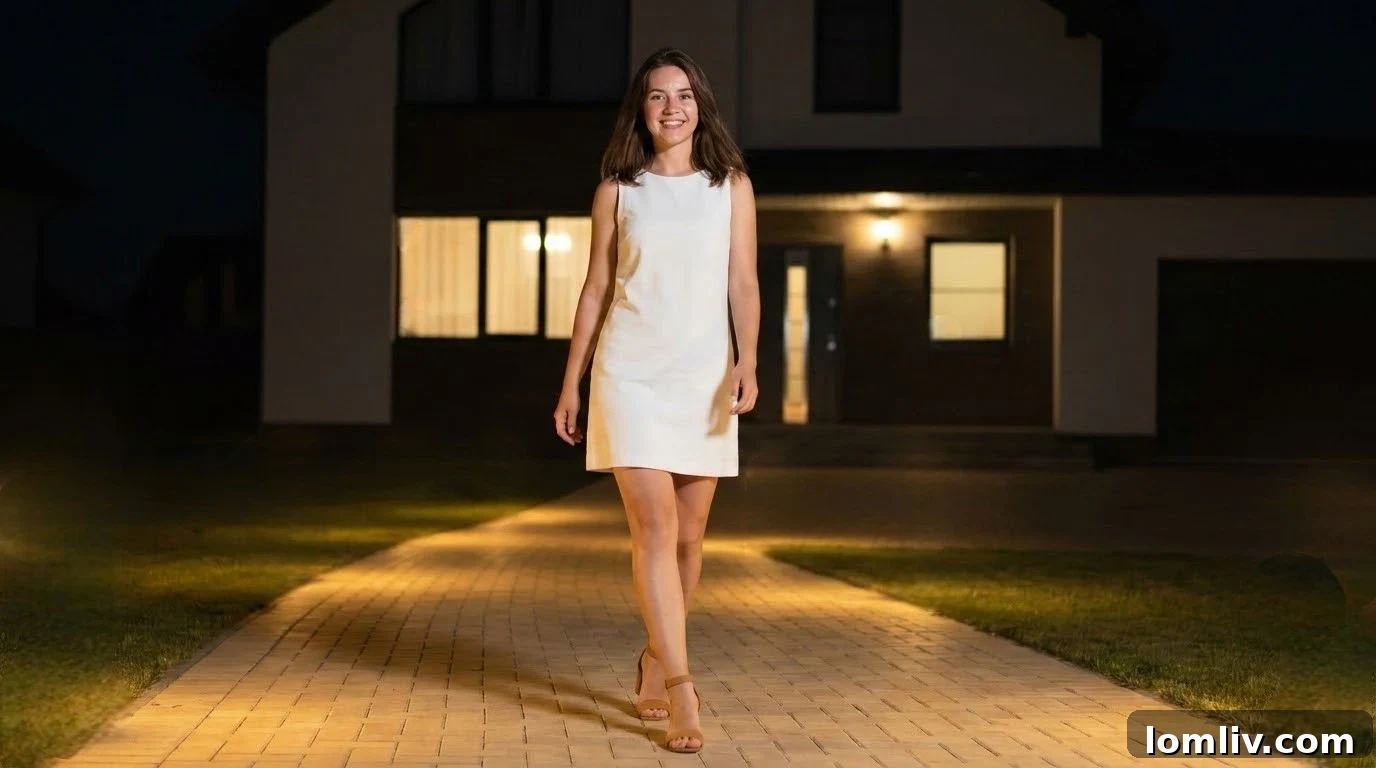
In the realm of rental property enhancements, pathway lighting often occupies a unique, often underestimated position. It’s not as immediately attention-grabbing as a state-of-the-art kitchen renovation, nor is it as budget-friendly as a fresh coat of paint. Yet, its ability to subtly but significantly alter a prospective tenant’s initial perception of a property, the very moment they arrive, is profound. For landlords contemplating this upgrade, the decision extends far beyond mere aesthetics; it’s a strategic investment that intertwines real costs, ongoing maintenance considerations, crucial safety standards, potential liability issues, and a careful assessment of whether a specific property truly stands to benefit.
Consider the diverse needs across different property types: a compact townhouse situated in a bustling urban core will have vastly different lighting requirements compared to a sprawling suburban single-family rental, or a small multi-family building featuring shared communal walkways. Each scenario presents its own set of challenges and opportunities for effective outdoor illumination.
This comprehensive guide delves into the multifaceted impact of pathway lighting on your rental assets. We’ll explore its tangible benefits for property value and tenant satisfaction, dissect the true costs of installation and upkeep, and critically evaluate when this upgrade transitions from a simple cosmetic touch to a financially astute decision that yields significant returns.
The Compelling Case for Strategically Installed Pathway Lighting
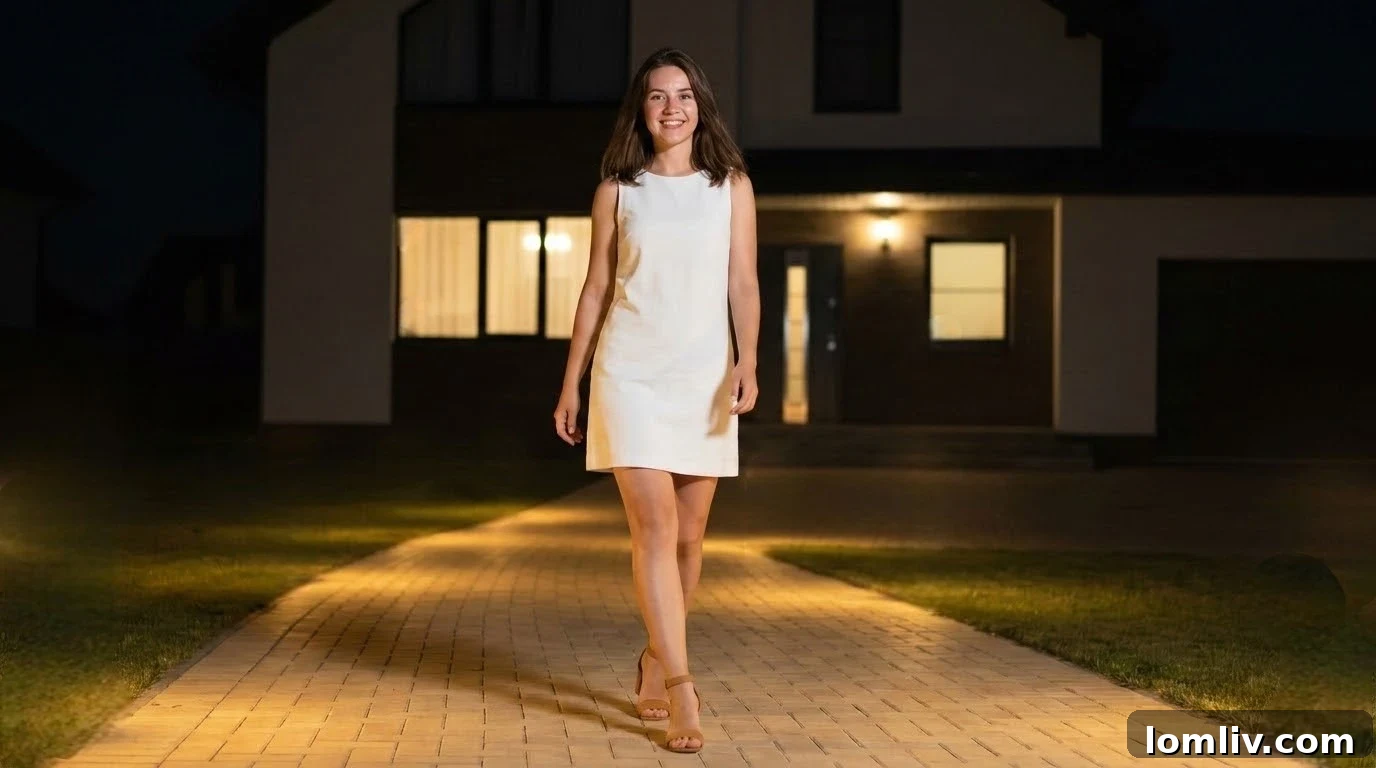
Investing in appropriate pathway lighting for your rental properties offers a trifecta of benefits: significantly enhanced safety, improved security, and undeniable curb appeal. Each of these elements contributes directly to your property’s value, tenant satisfaction, and long-term financial viability.
Safety and Liability Mitigation
One of the most critical aspects of pathway lighting is its direct impact on tenant safety and, consequently, landlord liability. Poorly lit walkways are a primary contributor to slip, trip, and fall accidents, particularly under adverse weather conditions such as rain, snow, or icy patches, and especially on uneven pavement or pathways with hidden obstacles. Should a tenant sustain an injury due to inadequate lighting and subsequently initiate a lawsuit, the financial ramifications for the landlord can be catastrophic, potentially far exceeding a decade’s worth of pathway lighting installation and maintenance costs. Proactive installation of proper lighting demonstrates a landlord’s commitment to tenant well-being and fulfills the legal “duty of care” by providing a safe environment. This can not only deter accidents but also provide a strong defense in case of an unfortunate incident, potentially reducing insurance premiums or mitigating legal expenses.
Enhanced Security and Crime Deterrence
Beyond accident prevention, effective outdoor lighting serves as a powerful deterrent against crime. Well-illuminated outdoor walking paths and clearly lit main access points to rental units are highly effective in lowering the risk of burglaries and other criminal activities. Most opportunistic burglars actively avoid properties that are brightly lit and visible, preferring the cover of darkness. A strategically placed motion-sensor light at a side door, garage entrance, or rear pathway can be far more effective at scaring off a potential intruder than a security sticker alone. Furthermore, tenants themselves experience a profound sense of safety and peace of mind when returning home after dark to a well-lit property. This feeling of security is a significant factor in tenant satisfaction and often plays a crucial role in their decision to renew a lease, reducing turnover costs for landlords.
Boosted Curb Appeal and Rental Value
While less tangible than safety or security, the boost to curb appeal provided by quality pathway lighting is undeniably important. In today’s competitive rental market, initial impressions are paramount. Many prospective renters conduct “drive-by” evaluations of neighborhoods and properties, often at night, before even scheduling a showing. A rental home with thoughtfully designed and properly functioning pathway lighting immediately conveys an image of a well-maintained, cared-for property. Conversely, a dark, unlit exterior can appear neglected, unwelcoming, and even unsafe. This positive first impression can be a deciding factor for potential tenants, allowing landlords to justify a slightly higher rental rate. That incremental increase in monthly income can often offset the initial investment in lighting within the first year or two, making it a wise financial move that attracts higher-quality tenants and commands premium rents.
Understanding the Real Costs and Ongoing Maintenance of Pathway Lighting
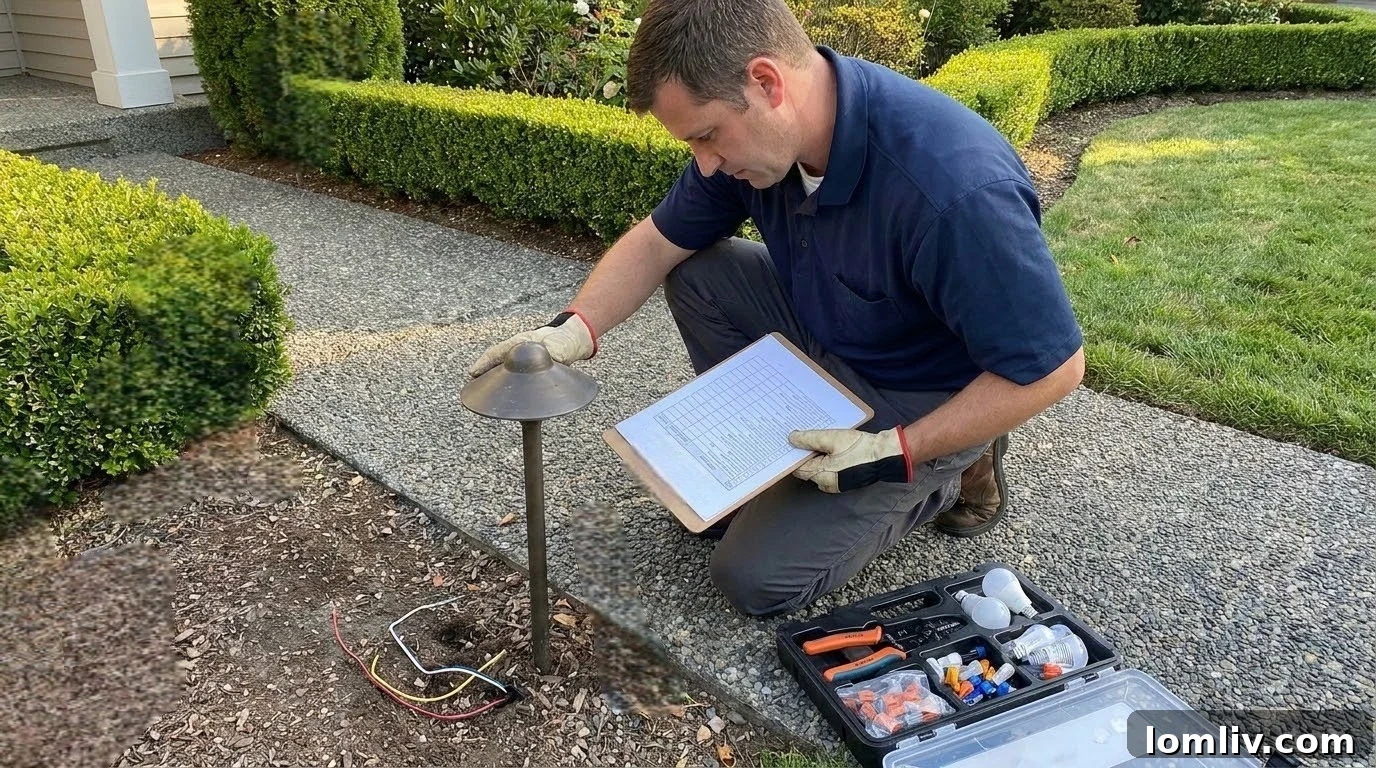
When budgeting for pathway lighting, landlords must look beyond the initial purchase price. A holistic view includes installation labor, energy consumption, and crucially, long-term maintenance. Underestimating these factors can quickly erode the return on investment.
Initial Installation Costs: A System-by-System Breakdown
- Solar Path Lights: These are the most budget-friendly upfront, typically ranging from $15 to $40 per individual unit. Their main appeal lies in their effortless, wire-free installation. However, this low initial cost often belies a shorter lifespan and less consistent performance, especially in shaded areas, colder climates, or once their integrated batteries begin to degrade after a couple of years. Expect to replace them more frequently than other systems.
- Low-Voltage Wired Systems (12V): Materials for a standard single-family property usually fall between $300 and $1,500. This estimate does not include labor. If you hire a professional electrician or landscaper, expect to add another $500 to $1,500 or more, depending on the complexity of the layout and local labor rates. These systems require a transformer plugged into a standard outdoor outlet, with low-voltage wiring typically laid just beneath the surface or under mulch.
- Line-Voltage Systems (120V): These robust systems demand licensed electrical work and can easily exceed $3,000 for materials and installation on larger properties or extensive pathways. This figure can climb significantly higher with permit requirements, code inspections, and the use of specialized, heavy-duty fixtures. While more expensive upfront, line-voltage systems offer unparalleled power, reliability, and durability for large-scale applications.
Ongoing Operational Costs
While energy consumption is a factor, modern LED pathway lighting has dramatically reduced this expense. An entire low-voltage system running LED bulbs might cost only a few dollars per month in electricity. For solar lights, the operational cost is zero, but the hidden cost comes in battery replacements and more frequent fixture replacements.
The Often-Underestimated Factor: Maintenance and Longevity
Maintenance is where many landlords stumble. Pathway lighting, regardless of system type, is exposed to the elements and daily wear and tear. You should realistically plan for an annual upkeep cost of roughly 5% to 10% of the original installation price. Here’s what contributes to this:
- Bulb Replacement: Though LEDs last significantly longer than incandescent or halogen bulbs, they eventually fail.
- Fixture Degradation: In humid, rainy, or salty coastal climates, fixtures can rust, corrode, or fade. Plastic fixtures are particularly prone to UV degradation and cracking.
- Physical Damage: Lawn care crews can accidentally knock stakes out of the ground or damage wiring. Tenants, or their children, might damage fixtures with bikes, cars, or toys. Landscapers can inadvertently cut buried wires during planting or digging.
- Environmental Factors: Extreme temperatures can affect battery performance in solar lights. Heavy snow can bury and damage fixtures if not properly rated or cleared.
To minimize these costs, choosing high-quality, durable fixtures designed for outdoor resilience is paramount. Prioritizing robust materials from the outset can save significant money and headaches down the line.
Choosing the Right Pathway Lighting System: Solar, Low-Voltage, or Line-Voltage
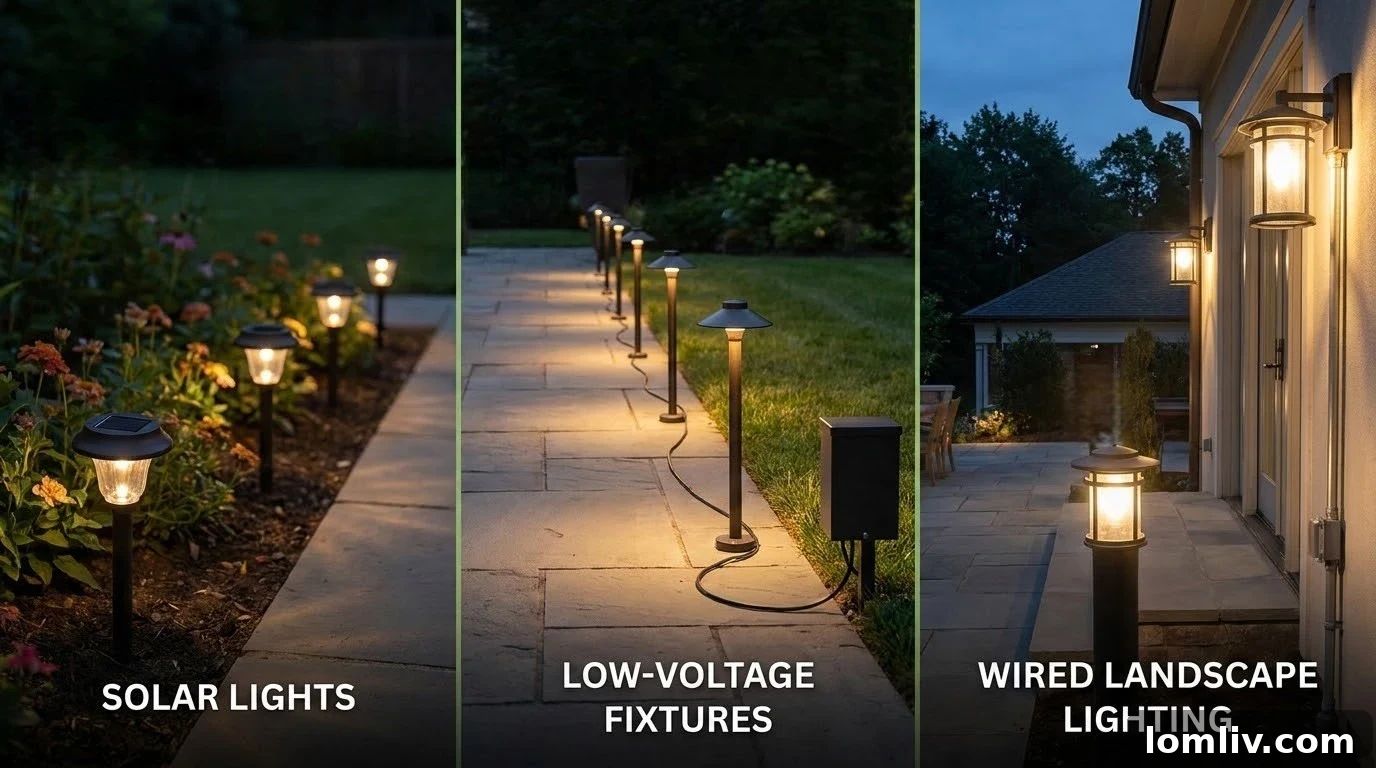
Selecting the ideal pathway lighting system involves balancing initial cost, performance expectations, installation complexity, and long-term maintenance. Each system type—solar, low-voltage, and line-voltage—caters to different property needs and landlord capabilities.
Solar-Powered Lighting Systems
Solar lighting represents the most straightforward and cost-effective entry point into outdoor illumination. Its primary advantages are zero wiring requirements and no electricity bills, making installation as simple as pushing a stake into the ground. Solar lights perform best in consistently sunny climates where fixtures receive direct sunlight for most of the day. They are perfect for secondary walkways, decorative garden paths, or properties where the absolute lowest upfront cost and maximum convenience outweigh long-term brightness and reliability. However, their limitations are significant: brightness is generally lower than wired systems, winter performance can be inconsistent due to shorter daylight hours and weaker sun, and integrated batteries typically require replacement every two to three years. They are not recommended for critical safety pathways or as a primary security solution.
Low-Voltage Lighting Systems (12V)
For the majority of single-family and small multi-family rental properties, low-voltage (typically 12V) lighting systems strike an excellent balance between performance, durability, and ease of installation. They provide a steady, strong light output that significantly enhances safety and curb appeal, and with proper installation and modern LED bulbs, they can last well over a decade with minimal maintenance. Installation is manageable for a hands-on landlord or a reasonably priced general contractor; no licensed electrician is typically required in most jurisdictions. The system relies on a transformer that plugs into a standard outdoor GFCI outlet, converting 120V household current to a safe 12V. Cables can be safely laid along the ground, often hidden beneath a layer of mulch or shallowly trenched, without the need for deep, extensive excavation.
Line-Voltage Lighting Systems (120V)
Line-voltage (120V) systems are generally considered overkill for individual single-family rentals but become a pragmatic and powerful choice for larger property portfolios, extensive multi-family complexes, or commercial-residential hybrid properties with vast pathways. These systems demand the expertise of licensed electricians due to the higher voltage, requiring permits and adherence to local electrical codes. While the initial investment is higher, including pricier, more robust fixtures, line-voltage systems offer the most durable, reliable, and powerful illumination solution, capable of covering large areas and accommodating higher-wattage requirements.
Optimizing Installation and Management for Large Portfolios
For landlords managing extensive rental portfolios, multi-family complexes, or commercial-residential properties, coordinating installation and ongoing service through a commercial property services firm, such as Touchstone Commercial, often proves more efficient and cost-effective. Managing separate electricians, landscapers, and fixture suppliers across multiple properties can create a significant project management overhead, which can quickly consume any perceived savings from piecemeal contracting. A single firm can streamline procurement, installation, maintenance schedules, and warranty management, ensuring consistency and quality across all properties.
The Dominance of LED Technology
Regardless of the system chosen—solar, low-voltage, or line-voltage—LEDs have become the undisputed default bulb type, and for excellent reasons. LEDs offer dramatically lower energy consumption compared to the halogen and incandescent options that dominated the market a decade ago, leading to substantial utility savings. They boast an exceptionally long lifespan, reducing the frequency and cost of bulb replacements. Furthermore, LEDs produce less heat, improving fixture longevity, and offer superior light quality and versatility in color temperature, allowing for a more customized and appealing ambiance.
Common Design Mistakes That Undercut Your Pathway Lighting Investment
Even with the best intentions, several common design and installation errors can diminish the effectiveness and overall value of your pathway lighting. Avoiding these pitfalls is crucial for maximizing your investment and achieving the desired aesthetic and functional results.
The Peril of Over-Lighting
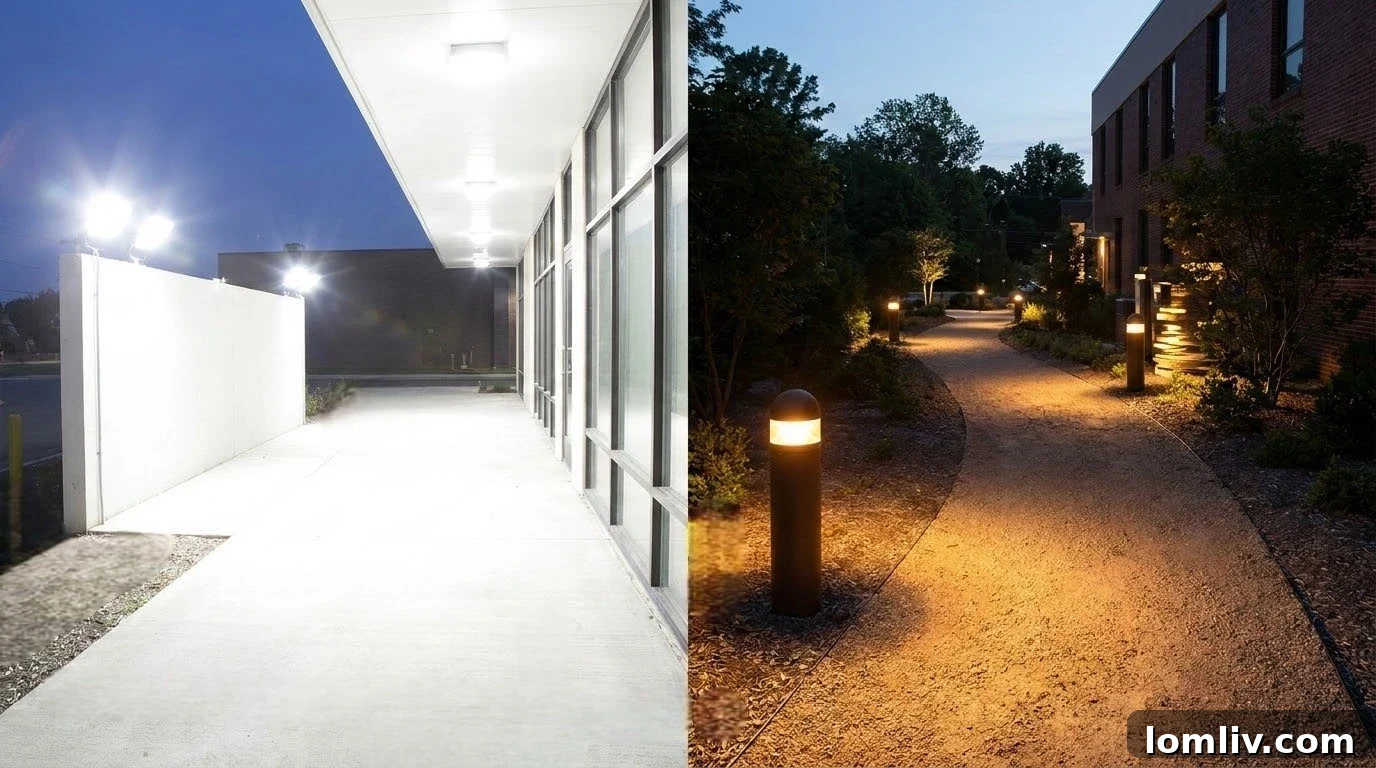
One of the most frequent mistakes is over-lighting, which occurs when too many light fixtures are placed too close together, creating an excessively bright, almost glaring environment. This often makes a residential pathway resemble an airport runway or a commercial parking lot, producing a harsh, unwelcoming, and unnatural ambiance. The goal for residential properties is to create a warm, inviting, and safe glow, not to turn night into day. For the most pleasing and effective illumination, space fixtures eight to ten feet apart, focusing on moderate, well-distributed light rather than overpowering brightness. Consider staggering lights on alternating sides of a pathway to create a more dynamic and less uniform effect.
Ignoring the Impact of Color Temperature
The color temperature of your lights plays a significant, yet often overlooked, role in the overall feel of a property. Cool white lights, typically in the 4000K to 5000K range, emit a sterile, almost institutional feel. While suitable for functional areas like parking lots or commercial spaces, they tend to make residential pathways feel uninviting and stark. In contrast, warm white lights, ranging from 2700K to 3000K, produce a softer, more pleasing glow that mimics traditional incandescent lighting and blends naturally with the warm indoor lighting most people prefer in their homes. This single design choice can often be the distinguishing factor between a rental property that feels like a cozy, welcoming home and one that feels cold and impersonal, akin to a motel.
Compromising on Fixture Quality
The difference between a successful, long-lasting lighting system and a constant source of frustration often boils down to fixture quality. Cheap plastic fixtures, while appealing due to their low upfront cost, are notoriously prone to fading, cracking, and becoming brittle when exposed to UV light and fluctuating temperatures. They often look unsightly and require replacement within a year or two, turning a supposed saving into a recurring expense. Investing in fixtures made from durable materials like cast aluminum with a high-quality powder coat, solid brass, copper, or robust composite materials will ensure longevity. These higher-grade fixtures can last a decade or more, resisting corrosion, impact, and weather damage, maintaining their aesthetic appeal over time. The initial price difference, typically only $10 to $30 per fixture, is a negligible investment when considering the long-term durability and reduced maintenance for a rental property you intend to hold for many years.
Incorrect Placement and Beam Spread
Beyond just spacing, the actual placement and the beam spread of the light fixtures are crucial. Lights should be positioned to illuminate the path without creating glare in tenants’ eyes. Consider how the light interacts with landscaping; avoid shining directly into windows. For pathways with turns or steps, ensure these critical areas are adequately highlighted to prevent accidents. Utilizing different types of fixtures, such as path lights for general illumination and spot or accent lights for architectural features or landscaping, can create a more layered and sophisticated lighting design.
When Pathway Lighting Is a Smart Investment, and When It Isn’t
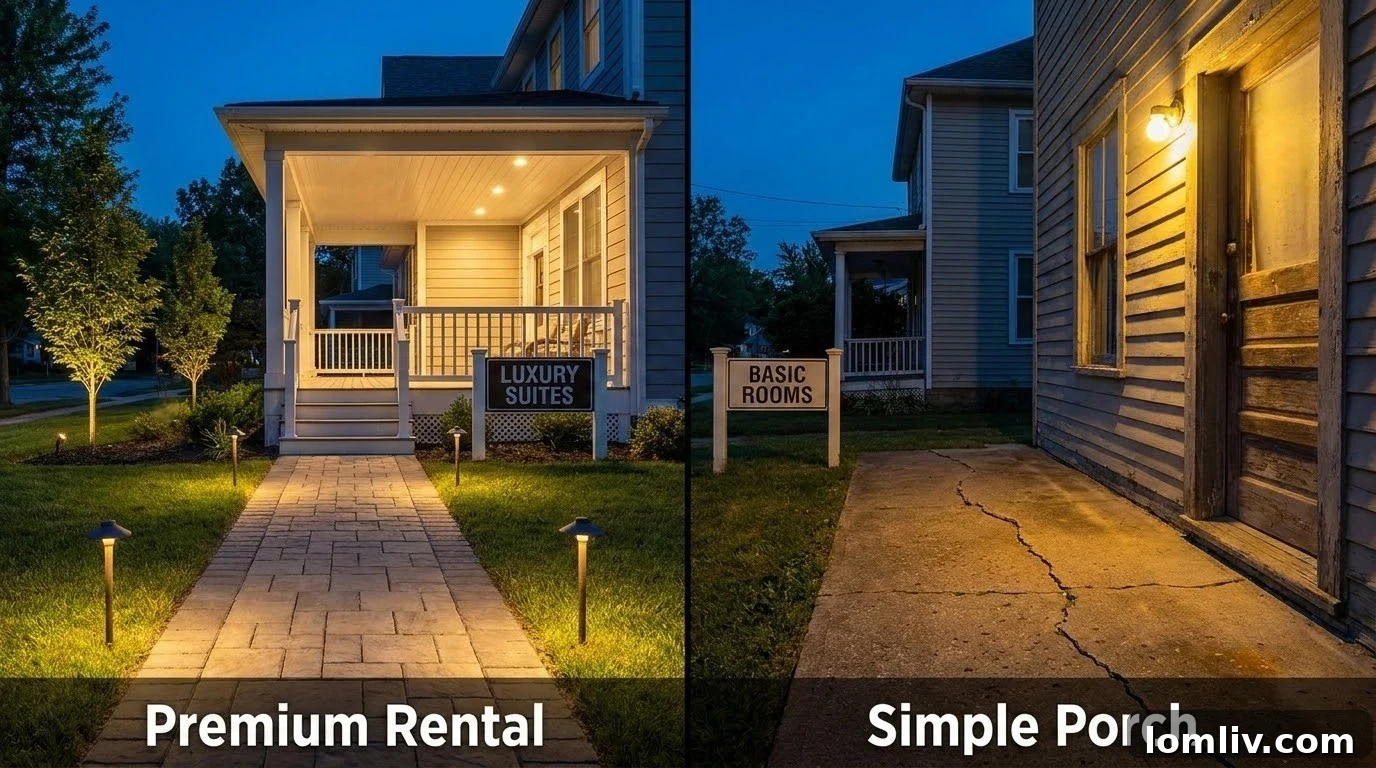
Determining whether pathway lighting is a worthwhile investment for your rental property requires a careful evaluation of the property’s specific characteristics, target tenant demographic, and local environmental conditions.
When Pathway Lighting is a Strong Investment
Pathway lighting typically delivers excellent returns and significant value for properties under the following conditions:
- High Foot Traffic & Late Arrivals: Homes where tenants frequently arrive home after dark, especially properties with longer driveways or pathways from parking areas to entrances.
- Uneven or Complex Surfaces: Properties with paths that feature steps, inclines, uneven paving, or varied terrain where a lack of visibility poses a significant trip hazard.
- Mid-to-Upper-End Market Competition: Rentals competing in a market segment where tenants expect a higher standard of amenity, safety, and aesthetic appeal. In these markets, good lighting is often a differentiator.
- Significant Security Concerns: Properties located in areas with higher crime rates where enhanced visibility can deter potential intruders and provide greater tenant peace of mind.
- Desire for Enhanced Curb Appeal: Properties where showcasing landscaping, architectural features, or simply creating a more welcoming nighttime presence is a priority to attract and retain tenants.
In these scenarios, the benefits—including improved safety, higher rental value potential, and better tenant retention rates—are typically clear and tangible.
When Pathway Lighting May Not Be the Best Fit
Conversely, pathway lighting may not always be the most cost-effective or practical upgrade in certain situations:
- Budget-Focused Rentals: For properties targeting tenants primarily motivated by the lowest possible price point, where any additional cost (even if minor) might deter them. These tenants are less likely to value premium amenities like pathway lighting.
- Direct Entrance Access: Properties where parking is immediately adjacent to the entrance, resulting in very short or non-existent pathways. In such cases, a single, bright porch light might suffice.
- High Vandalism Areas: In neighborhoods prone to frequent vandalism or theft, outdoor lighting fixtures can become a constant replacement expense, negating the investment. In these situations, more robust, vandal-resistant lighting or alternative security measures might be more appropriate.
- Properties with Significant Overhangs/Shade: For solar lights specifically, properties with heavy tree cover or architectural overhangs that block direct sunlight will severely limit their performance and longevity.
In cases where full pathway lighting isn’t justified, a well-positioned motion-sensor porch light, an upgraded overhead fixture at the main entrance, or strategic floodlights for key areas can provide most of the safety and security benefits at a much lower cost.
Crucial Climate Considerations
Climate is another often-overlooked factor that directly impacts the success and longevity of pathway lighting. Properties in areas with heavy snowfall, coastal exposure (leading to salt spray), or regions with extreme humidity and precipitation require specific lighting fixtures rated for these harsh conditions. Using standard fixtures in such environments will inevitably lead to premature rusting, corrosion, and failure after just a couple of seasons. Landlords who overlook this crucial detail often find themselves stuck in a cycle of yearly replacements, leading to the mistaken belief that pathway lighting simply “doesn’t work” or isn’t durable, when in fact, the wrong product was selected for the environment.
The Bottom Line: A Strategic Investment for Rental Property Success
Pathway lighting, when approached thoughtfully, is far more than a simple aesthetic upgrade; it is a consistent value-add and a strategic investment for the right rental properties. The financial returns typically materialize within the first year or two through a combination of tangible benefits: the ability to command a higher rental rate, a significant reduction in liability risk from slip-and-fall incidents, and improved tenant retention. These benefits, however, are contingent upon making intelligent choices regarding the system type, prioritizing quality, and keeping installation costs reasonable and aligned with the property’s market value.
Consider pathway lighting through the same lens as any other major rental property improvement. Tailor the scope of the project to perfectly fit the property’s specific needs and target demographic. Budget realistically not just for the initial installation, but crucially, for the ongoing maintenance and occasional repairs. Most importantly, install pathway lighting not merely to satisfy personal taste or to make a flashy statement, but because it genuinely solves a problem for your tenants by enhancing safety, security, and the overall living experience. When driven by these practical considerations, the positive financial returns, in the form of higher income and reduced expenses, will naturally follow, solidifying pathway lighting as a smart move for any savvy landlord.