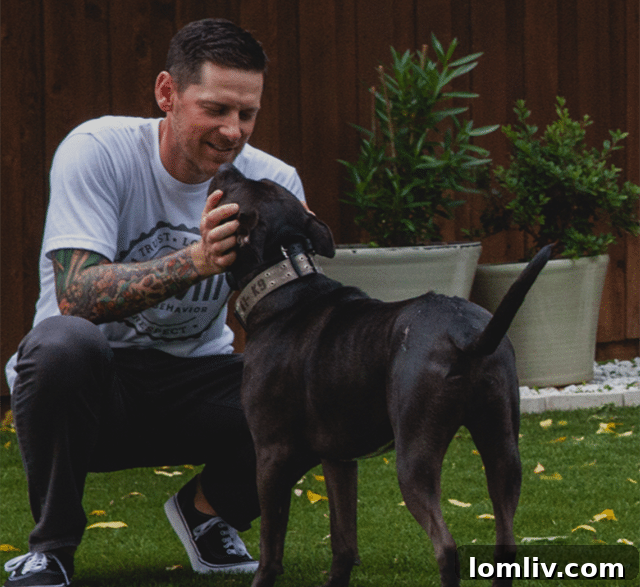
The act of moving, whether it’s a short hop across town or a monumental journey across the country, is universally acknowledged as one of life’s most significant stressors. For humans, it involves adapting to new surroundings, navigating unfamiliar routes, and forging connections with new neighbors. Even the most organized and resilient individuals require a period of adjustment to truly settle into a new environment. What many pet owners often overlook is that this same principle applies equally, if not more profoundly, to our canine companions. According to Brad Bevill, the visionary owner and founder of Bevill Dog Behavior, understanding a dog’s perspective on relocation is paramount to their successful transition and long-term well-being.
“Behavior is a science. Humans and dogs learn the same way,” Bevill explains with conviction. This foundational philosophy underpins his entire approach to dog training and behavior modification. “It’s not what makes us feel good, but what we’re trying to accomplish long-term.” This statement highlights a crucial distinction: effective dog training isn’t about immediate gratification or anthropomorphizing our pets; it’s about employing scientifically proven methods to foster lasting, positive behavioral changes that benefit both dog and owner.
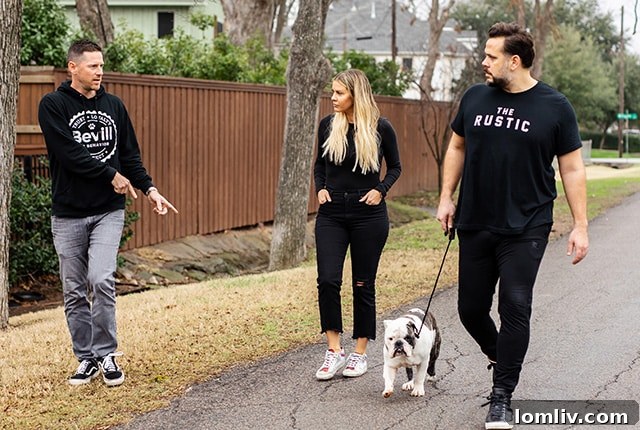
Mastering Canine Behavior: The Bevill Dog Behavior Approach
Brad Bevill’s insights into canine psychology are clearly resonating, as his business is experiencing phenomenal growth and demand. Bevill Dog Behavior caters to an esteemed clientele, including some of Dallas’ most cherished pooches and, naturally, their discerning owners. Upholding the ethical standards of a reputable therapist, Bevill maintains strict client confidentiality, never disclosing names. However, a glimpse at the luxury vehicles frequently observed arriving at his expansive North Dallas dog behavior facility and sanctuary strongly suggests that these canine clients hail from exceptionally privileged homes, seeking the very best in behavioral expertise.
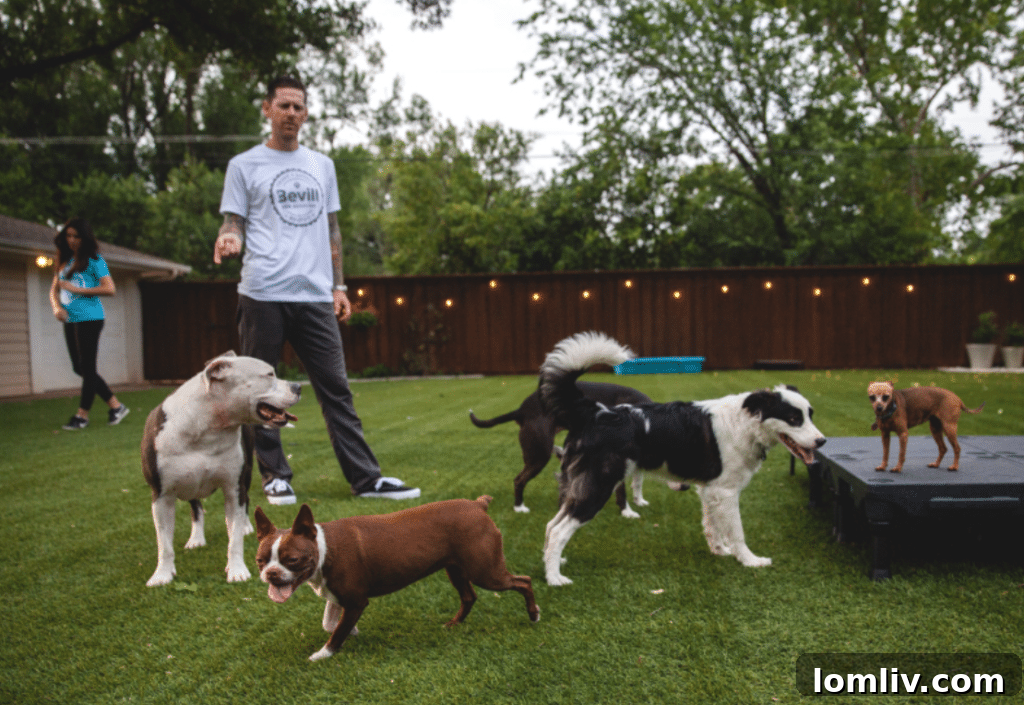
The comprehensive range of services offered by Bevill Dog Behavior includes highly effective one-on-one behavioral training sessions and engaging group classes designed to address a variety of needs. But what exactly drives such a significant demand for these specialized services?

Addressing the Modern Dog’s Dilemma: Over-Stimulation and Under-Purpose
“Most dogs are overly-stimulated, under-rested, under-exercised, and have no purpose,” Brad Bevill asserts, pinpointing the core issues many modern dogs face. In today’s fast-paced world, dogs are often exposed to a constant barrage of sensory input without adequate downtime or clear boundaries. This leads to a state of chronic arousal, making it difficult for them to relax and process information effectively.
“Owners have to introduce the behavior they want—calmness, politeness, respect.”
The solution, as Bevill outlines, lies in proactive guidance from owners. Instead of reacting to unwanted behaviors, owners must actively shape the desired outcomes. When viewed through Bevill’s pragmatic lens, the underlying concept appears strikingly simple: animals instinctively seek balance in their lives. This balance, however, doesn’t spontaneously manifest; it must be carefully cultivated through consistent training and a deep understanding of canine psychology.

“Getting a dog excited is easy. Creating calm is hard,” Bevill emphasizes, highlighting a common pitfall among pet owners. Many inadvertently reinforce states of excitement and perpetual activity, inadvertently hindering their dog’s ability to settle. “Everyone does it backwards. You need to spend more time on calmness.” This insight is critical: a truly well-adjusted dog isn’t just one that can perform tricks or respond to commands in an exciting environment, but one that can also achieve a state of relaxed tranquility, even amidst potential distractions.
Seamless Transitions: Introducing Your Dog to a New Home
So, how does this philosophy translate into successfully introducing your beloved pet to a new environment, especially after a stressful move? For starters, Bevill advises that owners consider a dog’s four fundamental states of being: Follow, Play, Explore, and Rest. Understanding and managing these states are key to minimizing anxiety and establishing positive behaviors in a new home.

The very first step upon arriving at your new residence is crucial. “Before inviting them into their new home—yes, invite—take them on a really long walk around the neighborhood to drain the body and mind.” This isn’t just any walk; it should be a structured, purposeful endeavor designed to expend both physical and nervous energy. This initial exploration allows the dog to become acquainted with the new scents and sounds of their immediate surroundings in a controlled manner, with the owner as their guide and protector. It helps them to process the new stimuli without being overwhelmed.
While they’re still on a leash, lead them in.
This subtle but powerful act of “invitation” is central to Bevill’s method. “You want your dog to be in the follow/rest state, not play/explore,” Brad explains. A dog in a “follow” state is attentive to its owner, seeking direction and security. A “rest” state signifies calmness and receptiveness. Allowing a dog to rush into a new home in an excited “play” or “explore” state can lead to them developing anxious or overstimulated associations with the new space. Bevill draws an insightful analogy to human child-rearing: “It’s the only way you can teach your kid that church is different from Chuckie Cheese.” In essence, different environments demand different modes of behavior, and it’s the owner’s responsibility to clearly define these expectations.

Bevill further advises introducing dogs to their new home gradually, one room per day, starting with the area where they will spend the most time, such as the family room. Again, the emphasis remains on ensuring your dog is in a completely calm and restful state during this introduction. This measured approach prevents sensory overload and allows the dog to slowly absorb the new environment without becoming overwhelmed or anxious.
“It becomes the imprint of their new home,” he elaborates. This initial experience sets the tone for how the dog perceives and interacts with each space going forward. “Pets look to us for permission of how to behave in a space.” By guiding them calmly, owners communicate that the new home is a safe, predictable, and structured environment where desired behaviors are encouraged.
Eventually, the time will come to introduce your dog to the backyard for potty breaks. Even for this seemingly simple act, Bevill advocates for a controlled and calm approach.
“Walk them to the back door, wait calmly, then extend the invitation to go outside,” Brad advises. This means avoiding a frantic dash to the door. Instead, create a brief pause, a moment of expectation, before allowing them access. “If you let the dog run around excited, you’re giving everything away.” This ‘giving everything away’ refers to surrendering your leadership role and inadvertently teaching your dog that excitement dictates access to resources, leading to a host of potential behavioral issues down the line.
Establishing Boundaries and Shaping Desired Patterns
Beyond the initial introduction, Bevill offers further practical tips for establishing clear boundaries within the new home. If there’s a specific room you prefer your dog not to enter, never introduce them to it. Instead, take them to the threshold, pause, and then guide them away without allowing entry. This teaches them the boundary from the outset. Similarly, if you don’t want your pets on the bed or furniture, provide a clear “no” command and gently back them out of the restricted area. Consistency is paramount in reinforcing these rules.

What about the common issue of dogs barking uncontrollably when the doorbell rings? Bevill suggests a proactive, rather than reactive, approach. After a long, energy-draining walk, place your dog in its crate or on its designated bed. Then, begin ringing the doorbell repeatedly. Crucially, instruct everyone in the household to remain calm, avoid getting up, or saying anything to the dog. This exercise removes the association between the doorbell and frantic human reaction.
“Animals don’t know what doorbells are. Humans give meaning to the noise,” Bevill explains. This critical distinction highlights that dogs react to our energy and established patterns, not inherently to the sound itself. By controlling your reaction and setting up structured training scenarios, you can reframe the doorbell as a neutral cue, or even one that signals to the dog that it’s time to go to its calm place. “Think preventative, not intervention. Create the patterns you want.” This encapsulates Bevill’s entire philosophy: successful dog behavior management is about foresight, consistent guidance, and establishing clear, positive patterns that lead to a balanced, respectful, and joyful relationship between pets and their owners.