

In the dynamic world of real estate, knowledge is power. Every week, the expert team at Green Scene Home Inspections dedicates their keen eye for detail to educate Daltxrealestate.com readers on crucial aspects of property assessment. Our ongoing series, “Upon Closer Inspection,” aims to peel back the layers of home ownership, revealing what lies beneath the surface and empowering both buyers and sellers with invaluable insights into their properties.
When most individuals embark on the journey of purchasing a new residence, a home inspection is often considered a non-negotiable step. A comprehensive buyer’s inspection serves as a critical due diligence tool, uncovering potential issues and allowing prospective homeowners to make informed decisions. This detailed report becomes a powerful lever for negotiation with the seller, enabling adjustments to the purchase price, requests for specific repairs, or a clear understanding of future financial commitments for maintenance and upgrades. However, a less commonly discussed yet equally vital service is the Pre-Listing Inspection – a strategic advantage designed specifically for anyone preparing to sell their home.
A Pre-Listing Inspection, conducted before a property even hits the market, is an exceptionally valuable asset for home sellers. This proactive approach empowers you to gain a thorough understanding of your home’s current condition, allowing you to identify and address potential concerns well in advance. Armed with a detailed pre-listing inspection report, sellers can make calculated decisions about what repairs or improvements to undertake, what items to disclose as-is, and how to accurately price their property for optimal market reception. This foresight not only helps in setting a competitive and realistic asking price but also pre-empts many common issues that typically arise during buyer negotiations, streamlining the entire selling process.
Moreover, a pre-listing inspection fosters transparency and builds buyer confidence. By proactively addressing or disclosing issues, sellers demonstrate integrity and commitment to a fair transaction. This can lead to fewer surprises during a buyer’s inspection, significantly reducing the chances of last-minute price reductions, stressful renegotiations, or even a deal falling through entirely. As the DFW real estate landscape increasingly shifts towards a buyer’s market, where properties may no longer attract multiple, swift offers, a pre-listing inspection becomes an indispensable tool, significantly bolstering a seller’s position and confidence. It transforms potential weaknesses into opportunities for proactive problem-solving, ensuring a smoother, more profitable, and less stressful sale.
Let’s delve deeper into some tangible examples illustrating why investing in a Pre-Listing Inspection is a prudent and profitable decision for any home seller.
Unmasking the ‘New Normal’: Identifying DIY Fixes and Hidden Flaws
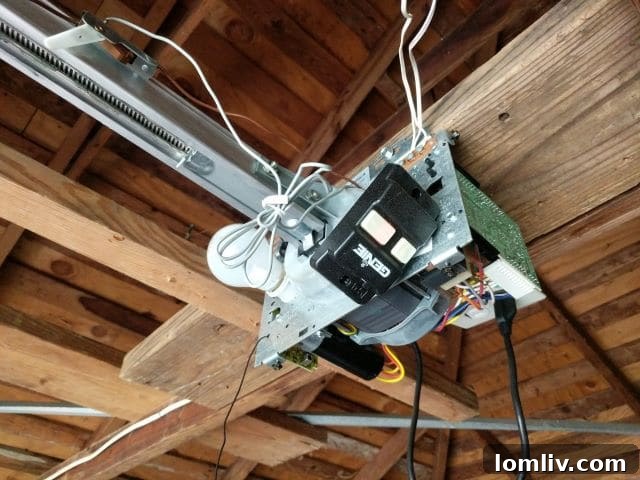
Living in a home for an extended period often leads to a unique perspective on its quirks and idiosyncrasies. What started as a quick DIY fix years ago can easily evolve into your “new normal,” blending seamlessly into the background of your daily life. Perhaps it’s that slightly jury-rigged garage door opener, an unconventional plumbing repair under the sink, or an electrical patch-up that has served its purpose without incident. While these personalized solutions might seem perfectly functional and acceptable to you, a potential buyer views them through a completely different lens. What appears “normal” or “acceptable” to you can look decidedly “janky,” unprofessional, or even unsafe to a discerning buyer or their professional home inspector.
DIY repairs, especially those that deviate from industry standards or local building codes, can be significant red flags. Buyers are often wary of such alterations, and rightly so. They represent potential hidden costs, future problems, and even safety hazards that could impact their family and their investment. An improvised garage door opener, for instance, might raise concerns about its reliability, the functionality of its safety mechanisms, and its overall lifespan. Beyond functionality, the aesthetic impression of such fixes can also detract significantly from the home’s perceived value and curb appeal. A pre-listing inspection will objectively highlight these departures from standard practice, providing you with the opportunity to address them proactively.
By identifying these issues early, you gain the power to rectify them on your terms. Replacing a non-standard setup with a professionally installed, industry-approved alternative can significantly enhance a buyer’s confidence, eliminate potential negotiation points, and ultimately help secure a smoother, more favorable sale. It’s about presenting a home that not only functions well but also adheres to professional standards, reassuring buyers that they are investing in a well-maintained, safe, and code-compliant property. This proactive approach turns potential liabilities into assets, ensuring your home stands out in a competitive market.
Water Management and the Integrity of Your Home: The Life of Pie
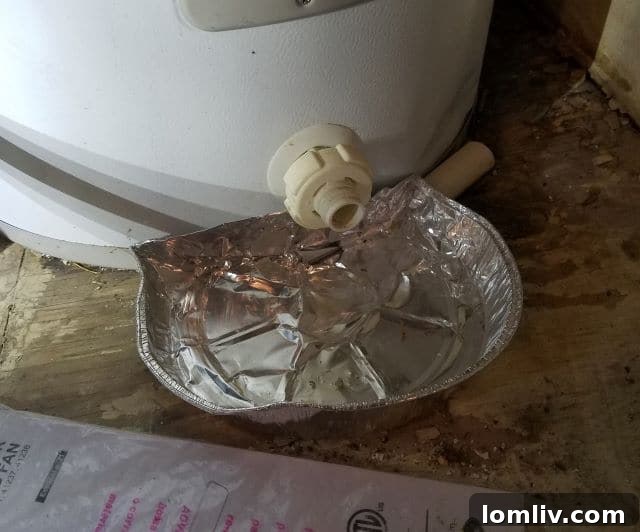
Water, while essential for life, can be one of a home’s most formidable adversaries if not properly managed. The image above, showing an improvised drainage solution under an appliance, perfectly encapsulates a common issue that a pre-listing inspection can quickly identify. While such a setup may have served your needs adequately over time, a professional home inspector, and subsequently an educated buyer, will undoubtedly flag it as insufficient and a potential hazard. The absence of a proper drain pan under a water heater, air conditioning unit, or washing machine is a significant concern that can lead to catastrophic water damage, including mold growth and structural decay, in the event of a leak or rupture.
Beyond this specific example, effective water management encompasses a wide array of potential problems within a home. Leaky faucets, improperly sealed shower enclosures, clogged gutters overflowing and causing foundation erosion, roof leaks, and inadequate yard grading all contribute to the risk of water intrusion. These issues can lead to expensive and unhealthy consequences such as rapid mold growth, structural damage to walls and floors, deterioration of building materials, and even pest infestations attracted to moisture. Such problems can significantly devalue a property and become major sticking points in negotiations, often leading to substantial repair demands from buyers.
A pre-listing inspection dives deep into your home’s plumbing and drainage systems, identifying weaknesses before they escalate into major crises. Knowing about these vulnerabilities beforehand allows you to either implement professional, lasting repairs or disclose them transparently with full documentation, presenting a clearer and more honest picture to potential buyers. Addressing these issues proactively, such as installing proper drain pans, repairing minor leaks, or clearing clogged gutters, not only safeguards your home’s integrity but also removes major points of contention during the negotiation phase. This ensures buyers feel secure about the property’s overall condition and longevity, making your home a more attractive and trustworthy investment in their eyes.
The Foundation of Your Investment: Highs and Lows of Home Ownership
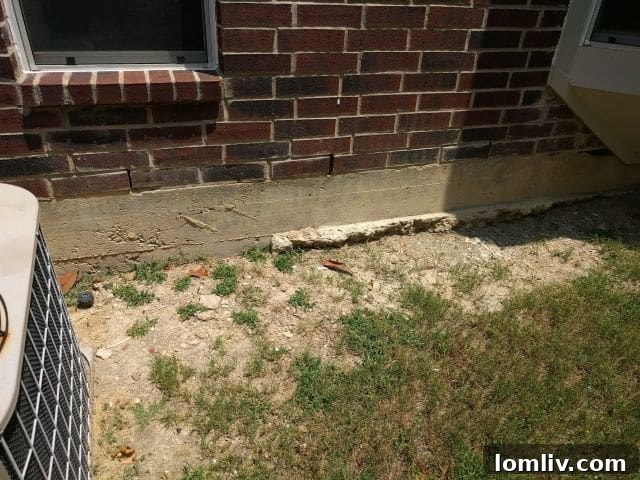
The foundation is quite literally the bedrock of your home – its structural integrity dictates the safety, stability, and longevity of the entire dwelling. The image provided illustrates a critical concern: significant soil erosion around the foundation, leading to excessive exposure of the underlying structure. This issue will invariably be highlighted in any professional inspection report, as it can indicate underlying problems and potential future structural damage. Soil erosion can compromise the foundation’s stability, increase the risk of water penetration into crawl spaces or basements, and even lead to pest intrusion, all of which are major red flags for prospective buyers.
Causes of foundation issues and soil erosion often include poor yard grading that directs water towards the house, improper drainage from downspouts, or even natural geological shifts and expansive clay soils common in many regions. While some minor issues, like the exposed foundation due to superficial erosion, might seem like a straightforward fix, their long-term implications can be profound. In this particular scenario, building up the ground level around the foundation with compacted soil to ensure proper drainage away from the structure is a repair that a homeowner might consider undertaking themselves or with the help of a capable friend or family member. However, it’s crucial to understand the distinction between cosmetic improvements and repairs that affect structural integrity, as these require professional intervention.
Should this issue become a point of contention during buyer negotiations, the buyer will almost certainly demand that the repair be conducted by a licensed vendor, complete with receipts and warranties, to ensure professional standards and accountability. A pre-listing inspection provides clarity on such matters. It allows you to understand the severity of the erosion and decide whether to tackle it yourself, if appropriate, or to budget for professional services. Addressing these foundational concerns proactively eliminates major deal-breakers and demonstrates to buyers that you’ve invested in the long-term health of your property, enhancing its perceived value and significantly reducing the likelihood of last-minute price reductions or stalled transactions. Investing in your foundation is investing in your home’s future and your selling success.
Ensuring Comfort and Efficiency: Keeping It Cool (or Warm!) with Your HVAC System
The Heating, Ventilation, and Air Conditioning (HVAC) system is undeniably one of the most critical, and often most expensive, components of any home. It plays a pivotal role in maintaining indoor comfort, air quality, and overall energy efficiency, making it a primary focus for potential buyers. When evaluating a property, prospective homeowners are keenly interested in the functionality, age, and maintenance history of the HVAC system, as replacements or significant repairs can represent a substantial financial burden that they will undoubtedly factor into their offer. A pre-listing inspection provides an invaluable assessment of your HVAC system, giving you a clear understanding of how it will be perceived by buyers and their own inspectors.
During a pre-listing inspection, the HVAC system undergoes a thorough examination by a qualified professional. The inspector assesses its operational efficiency, checks for proper airflow throughout the ductwork, inspects all visible ductwork for leaks, verifies thermostat functionality and accuracy, and evaluates the overall condition of the furnace, air conditioning unit (condenser and evaporator coils), and associated components. They will identify common issues such as clogged filters, refrigerant leaks, worn mechanical components, or the tell-tale signs of an aging unit nearing the end of its typical lifespan (which is generally 10-15 years for an AC unit and 15-20 years for a furnace). The video above further illustrates the detailed process an inspector undertakes when evaluating an HVAC system, offering practical recommendations for maintenance or repair that can directly impact a home’s marketability.
Understanding the precise state of your HVAC system before listing your home offers several strategic advantages. If the system merely requires routine cleaning, a professional tune-up, or a minor repair like a faulty sensor, addressing these issues proactively can significantly improve its performance, extend its life, and boost buyer confidence. A well-maintained HVAC system not only operates more efficiently, potentially lowering energy bills for the new owners, but also signals to buyers that the home has been meticulously cared for, reflecting positively on the entire property. Conversely, if the inspection reveals that your HVAC system is indeed at the end of its life, this crucial information empowers you to make informed decisions. You might choose to factor the cost of replacement into your asking price, offer a credit to the buyer, or even replace the unit yourself to enhance marketability and command a higher price. Better to know these facts upfront and incorporate them into your selling strategy than to be surprised by a buyer’s inspection, which could lead to last-minute price reductions, stressful negotiations, or even a deal falling through entirely. A healthy, efficient HVAC system is a major selling point, assuring buyers of immediate comfort and long-term value, making a pre-listing assessment an investment in a smoother, more profitable sale.