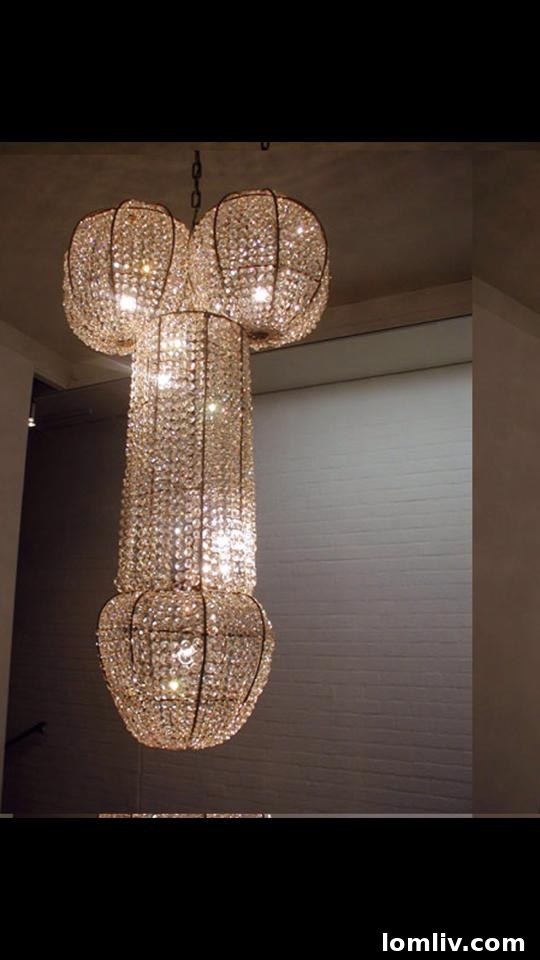
The Valentines Chandelier: A Dazzling Glimpse into 1960s Decor and Today’s Real Estate Dilemmas
In the dynamic world of real estate, every detail of a home contributes to its story and, crucially, its market appeal. Sometimes, a single feature can spark a conversation that transcends mere aesthetics, delving into the very heart of design, history, and buyer psychology. Such is the case with the extraordinary piece that has come to be known as the “Valentines Chandelier.”
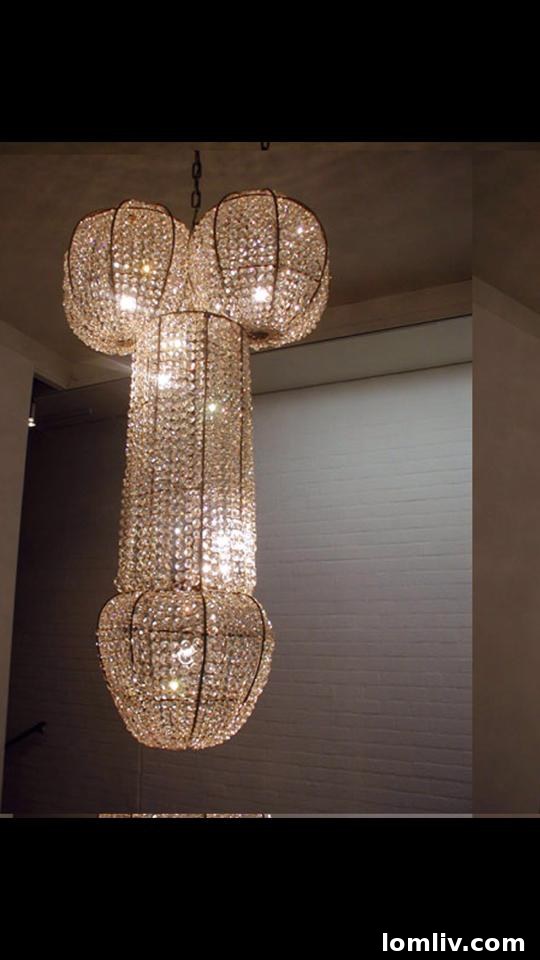
This remarkable lighting fixture, a true testament to the bold and often flamboyant spirit of the 1960s, recently prompted a realtor’s client to ask a pivotal question: “Do you think this chandelier is too much for the room?” This seemingly simple query opens up a fascinating discussion about interior design choices, the evolution of taste, and the critical role such distinctive elements play in today’s competitive real estate market. Indeed, looking back at the era, one can’t help but wonder what inspired such audacious statements in home decor. It’s a reminder that beauty truly is in the eye of the beholder, especially when viewed through the lens of changing decades and design trends.
Stepping Back in Time: The Allure of 1960s Interior Design
To truly appreciate the “Valentines Chandelier” and understand the context from which it emerged, we must take a brief journey back to the 1960s. This decade was a period of profound social and cultural change, and these shifts were vividly reflected in the homes of the era. Post-war optimism, a booming economy, and a fascination with the Space Age fueled a desire for innovation and self-expression in interior design.
The 1960s moved away from the more subdued mid-century modern aesthetic that preceded it, ushering in an era of bolder colors, experimental materials, and often whimsical or psychedelic patterns. Homes became canvases for personal expression, and statement pieces were highly prized. Lighting, in particular, transcended its functional purpose to become a central decorative element. Chandeliers grew in size and complexity, incorporating new materials like acrylics, chrome, and colored glass, often arranged in Sputnik-inspired forms or more organic, free-flowing designs. These fixtures were not merely for illumination; they were sculptures, conversation starters, and declarations of personal style.
The “Valentines Chandelier,” with its distinct shape and likely intricate components, perfectly embodies this spirit of daring design. It represents an era when homeowners weren’t afraid to make a grand statement, to infuse their living spaces with personality, and to celebrate luxury and distinctiveness. For its time, it was likely considered the epitome of sophisticated, avant-garde lighting, a focal point that commanded attention and admiration.
The Chandelier as a Statement Piece: Defining a Room’s Character
A chandelier, by its very nature, is designed to be a centerpiece. It draws the eye upwards, dictating the mood and often the entire decorative scheme of a room. The “Valentines Chandelier” takes this concept to an entirely new level. Its unique design, which seems to evoke both a sense of whimsical romance and playful eccentricity, makes it unforgettable. One might imagine it casting intriguing shadows and sparkling reflections, transforming a mundane space into something magical.
In interior design, statement lighting serves several purposes:
- Focal Point: It anchors the room, providing a central point of interest that all other decor elements can revolve around.
- Atmosphere: The type of light, its intensity, and the fixture’s design contribute significantly to the overall ambiance, from intimate and cozy to grand and dramatic.
- Personality: A unique fixture like the “Valentines Chandelier” imbues a room with character, reflecting the homeowner’s individual taste and boldness.
- Architectural Enhancement: It can highlight high ceilings, elaborate moldings, or open-plan spaces, drawing attention to the room’s best features.
However, the sheer presence and distinctiveness of such a piece also raise questions. Is its beauty universal, or is it a niche appeal? Does its strong personality complement or overwhelm the room? These are the dilemmas that real estate professionals and homeowners frequently encounter when preparing a property for the market.
The Realtor’s Dilemma: Aesthetics vs. Marketability
The question posed by the realtor’s client – “Is this chandelier too much for the room?” – perfectly encapsulates a recurring challenge in real estate: balancing personal aesthetic preferences with broad market appeal. While a homeowner might adore a particular design element, its impact on potential buyers can be vastly different.
When a home is listed for sale, the goal is often to appeal to the widest possible audience, allowing prospective buyers to envision themselves living in the space. Highly personal or idiosyncratic decor can sometimes hinder this process. Here’s why:
- Polarizing Effect: Features like the “Valentines Chandelier” are often love-it-or-hate-it items. While some buyers might be charmed by its uniqueness and vintage appeal, others might see it as dated, overly ornate, or simply not their style. This can significantly narrow the pool of interested buyers.
- Perceived Cost of Renovation: If a buyer dislikes a prominent fixture, they immediately factor in the cost and effort of replacing it. This perceived expense can lead to lower offers or deter them altogether.
- Distraction: An overly dominant feature can distract from the home’s other positive attributes, drawing all attention to itself rather than allowing the buyer to appreciate the overall flow, space, or natural light.
- Dating the Property: While vintage can be chic, some unique pieces can inadvertently date a property, making it feel less contemporary and therefore less desirable to those seeking modern amenities and aesthetics.
A skilled realtor must navigate this delicate balance, advising clients on how best to present their home to maximize its value and appeal. Sometimes, this means suggesting removal or replacement; other times, it involves highlighting the unique character as a selling point to the right buyer.
Home Staging and Personalization: Strategies for Sellers
For homeowners grappling with unique design elements like the “Valentines Chandelier,” effective home staging becomes paramount. The objective is to present a property in its best light, allowing buyers to see its potential without being overwhelmed by the current owner’s personal taste. Here are some strategies:
- Strategic Photography: Professional photography can either highlight or subtly downplay a unique feature. The right angles, lighting, and staging around the chandelier can make it appear as a quirky asset rather than an imposing presence.
- Neutralizing the Surroundings: If the chandelier is bold, consider making the rest of the room as neutral and inviting as possible. Soft, monochromatic wall colors, simple furniture, and minimal accessories can create a backdrop that allows the chandelier to be a focal point without being overwhelming.
- Embrace the Niche: For truly exceptional pieces, a realtor might target a niche market. Buyers specifically looking for homes with historical charm, vintage elements, or mid-century modern flair might find such a chandelier to be a distinct advantage. Marketing materials can specifically call out its unique character.
- Provide Options: In some cases, sellers might offer to remove or replace the fixture, or provide a credit towards a new one, as part of the negotiation. This can alleviate buyer concerns about renovation costs.
- Tell its Story: Instead of hiding it, frame the chandelier’s history. A small card or verbal explanation about its 1960s origins and unique design can transform it from an oddity into a valuable piece of the home’s narrative.
Ultimately, the decision to keep, remove, or modify such a prominent feature depends on the specific market, the target buyer, and the overall condition and style of the home. It requires careful consideration and expert advice.
Vintage Charm in Modern Living: Curating Timeless Spaces
The resurgence of vintage and retro styles in contemporary interior design offers a glimmer of hope for features like the “Valentines Chandelier.” There’s a growing appreciation for authenticity, craftsmanship, and pieces that tell a story. Integrating vintage items into modern homes is now a popular trend, but the key lies in curation and balance.
- Mix and Match: A single, well-placed vintage piece can add character to an otherwise modern room. The contrast often highlights both the old and the new.
- Context is Key: How a vintage item is styled matters. Surrounded by other period pieces, it might feel dated; paired with sleek, contemporary furniture, it becomes an intriguing accent.
- Quality and Condition: Genuine vintage pieces, especially those in good condition, hold intrinsic value. Buyers who appreciate history and unique design often seek out such treasures.
- The “Curated” Look: Rather than a cluttered, time-capsule feel, modern vintage integration aims for a curated aesthetic where each piece is intentionally chosen and serves a purpose, adding depth and personality without overwhelming the space.
The “Valentines Chandelier” could potentially fit beautifully into a carefully curated space that embraces a playful, eclectic, or even maximalist design approach, especially if the rest of the decor creates a harmonious dialogue with its unique form.
The “Valentines” Connection: Love, Design, and Home
The original post concluded with a “Happy Valentine’s Day” message, adding another layer of intrigue to this captivating chandelier. Valentine’s Day is a celebration of love, passion, and strong emotions. In a sense, this chandelier embodies those very sentiments in the realm of interior design.
Homebuyers often fall in love with a property, not just for its practical features, but for how it makes them feel. A unique piece like the “Valentines Chandelier” has the power to evoke strong emotions – whether it’s instant adoration or a strong aversion. It forces a reaction, a conversation, a moment of reflection. For the right buyer, someone who truly loves its unique charm and historical significance, it could be the very feature that seals the deal, igniting a passionate connection to the home.
In real estate, finding a buyer who “loves” a home for all its quirks and charms is the ultimate goal. For a property with a distinct personality, like one featuring this extraordinary chandelier, it’s about connecting with those who appreciate individuality and aren’t afraid of a little design audacity. It’s about finding the perfect match, a sentiment not unlike the spirit of Valentine’s Day itself.
Conclusion: Navigating Unique Design Choices in the Real Estate Journey
The tale of the “Valentines Chandelier” is more than just an anecdote about an unusual light fixture; it’s a profound illustration of the intersection between personal style, historical trends, and market realities in real estate. It highlights the challenges and opportunities that arise when distinctive design meets the broad expectations of potential homebuyers.
Ultimately, whether a feature is “too much” for a room is subjective, but its impact on a home’s marketability is very real. Expert guidance from experienced real estate professionals is invaluable in making these critical decisions. They can help homeowners understand buyer psychology, effectively stage their property, and strategically market its unique attributes.
At daltxrealestate.com, we understand that every home has a story, and every design choice contributes to its narrative. We are dedicated to helping clients navigate these complexities, ensuring that their homes are presented in the best possible light, whether that involves embracing a bold vintage chandelier or updating for a more contemporary appeal. Just as love comes in many forms, so too does the appeal of a home, and finding its perfect match is our passion.