Oak Cliff Streetcar Project: Paving the Way for a Connected Dallas Future
By Rick Lopez
daltxrealestate.com Contributor
Oak Cliff, a vibrant and rapidly evolving neighborhood in Dallas, has long been a source of immense pride for its residents. Stroll through its tree-lined streets and engage in conversation with a homeowner, and you’re almost guaranteed to hear enthusiastic praise for one of two things: the latest culinary sensation gracing the acclaimed Bishop Arts District, or the much-anticipated streetcar poised to forge a vital link between their beloved community and the bustling heart of downtown Dallas. These twin pillars of growth—culinary innovation and enhanced connectivity—underscore Oak Cliff’s dynamic transformation from a historic enclave into a sought-after urban destination.
The vision for the Oak Cliff streetcar, a significant $51 million infrastructure project, promised a new era of accessibility and convenience. However, the initial details surrounding its early 2026 debut brought an unexpected twist, catching some residents off guard. The first phase of the streetcar, it was revealed, would operate exclusively on weekdays until 7 p.m., making only four strategic stops before its terminus at the intersection of Colorado and Zang, situated just east of the Methodist Medical Center. This initial scope, while serving a burgeoning cluster of new apartment communities south of the Jefferson Viaduct, fell short of many residents’ expectations for a comprehensive connection to the broader North Oak Cliff area.
Initial Perceptions and the Quest for Comprehensive Connectivity
For many Oak Cliff residents, the limited scope of the streetcar’s initial phase raised questions about its immediate utility, particularly when compared to existing public transportation options. The D-Link, DART’s free shuttle service, already provides robust connectivity from downtown to Methodist Medical Center and beyond. Operating six days a week, from 11 a.m. to 11:30 p.m., with a frequency of every 15 minutes, the D-Link traverses a comprehensive circuit that includes the museum district, Klyde Warren Park, Main Street, the culturally rich Bishop Arts District, and Jefferson Boulevard—home to the historic Texas Theatre and soon, a new brewery. This existing service, coupled with two conventional bus lines, highlighted the perceived gap in the streetcar’s initial offering.
Barry Binder, a resident of Winnetka Heights, articulated a common sentiment among his neighbors: “The fact that the streetcar will only run during working hours Monday through Friday makes it nearly worthless. Sure, people who work downtown will have a new public transportation option, but that’s not me, nor most people who I know that live in Oak Cliff.” This perspective underscores a critical aspect of urban transit planning: the need to serve not only commuters but also residents seeking leisure, entertainment, and connection during evenings and weekends. For a neighborhood renowned for its vibrant nightlife and cultural attractions, a transit option with limited operational hours struggles to meet the broader community’s needs.
The Vision Unfolds: Future Phases and Long-Term Potential
Despite the initial reactions, city planners emphasize that the streetcar’s debut schedule and route represent only the nascent stage of a much grander, multi-phase project. Keith Manoy, the city’s senior transportation planner, clarified that the current limitations are merely temporary, part of a carefully orchestrated expansion plan. “Phase Two” of the streetcar initiative is designed to significantly extend the route, connecting the initial segment to the bustling Bishop Arts District. This crucial extension will proceed via Zang Boulevard to Davis Street, bringing the streetcar directly into the heart of Oak Cliff’s most popular destination, an area currently navigating construction but soon to benefit from enhanced access.
Beyond Bishop Arts, “Phase Three” will further integrate the streetcar into the wider Dallas transit network by incorporating the Omni Hotel Dallas into its route. This expansion aims to bolster the streetcar’s role in linking major downtown landmarks with Oak Cliff’s unique charm, making it an attractive option for tourists and convention-goers alike. Looking even further ahead, planners are actively brainstorming concepts for “Phase Four,” which envisions extending the streetcar’s reach to Jefferson Boulevard through a path yet to be definitively decided. This forward-thinking approach demonstrates a commitment to building a comprehensive public transportation system that will serve the evolving needs of Dallas for decades to come.
Manoy confirmed the financial foundation for these ambitious plans, stating, “We have the funding for the first three phases, but we are trying to determine how to get the project contracted and scheduled.” This ongoing planning process highlights the complexities inherent in large-scale infrastructure development, from securing contractors to meticulously mapping out construction timelines. The sequential rollout of these phases is a strategic approach, allowing for adaptive planning and responsive adjustments based on community feedback and practical considerations. The long-term vision positions the Oak Cliff streetcar not just as a local amenity but as a pivotal component of Dallas’s integrated urban transit strategy, fostering growth and connectivity across key districts.
Complementary Services: D-Link and a Multi-Modal Future
Understanding the phased nature of the streetcar project, DART (Dallas Area Rapid Transit) plans to maintain the D-Link shuttle’s service concurrently, at least while the streetcar gains momentum and expands its operational footprint. Mark Ball, a DART spokesman, affirmed, “The D-Link will continue its service for some time. The city and Downtown Dallas Inc. are helping DART pay for it and are very pleased.” This dual approach ensures that residents and visitors continue to have reliable transit options, bridging the gap until the streetcar’s full potential is realized. The collaborative effort between the city, Downtown Dallas Inc., and DART underscores a shared commitment to enhancing urban mobility.
However, the experience with existing services isn’t always seamless, as Barry Binder’s encounter illustrates. Recalling a night out, he recounted a frustrating D-Link experience: “We got so jammed up by the Omni on our way to Southside on Lamar, that we jumped off and just decided to walk under the convention center to South Side. We left early enough to pick up a returning D-Link, but one never came by to pick us up, so we took Uber. I haven’t used D-Link since, even though it stops right in front of our house.” Such instances highlight the challenges of urban traffic congestion and the importance of reliable, frequent service in maintaining public trust and encouraging ridership. They also point to the competitive landscape where ride-sharing services offer an alternative when public transit falls short of immediate expectations.
Community Voices: Enduring Progress and Economic Impact
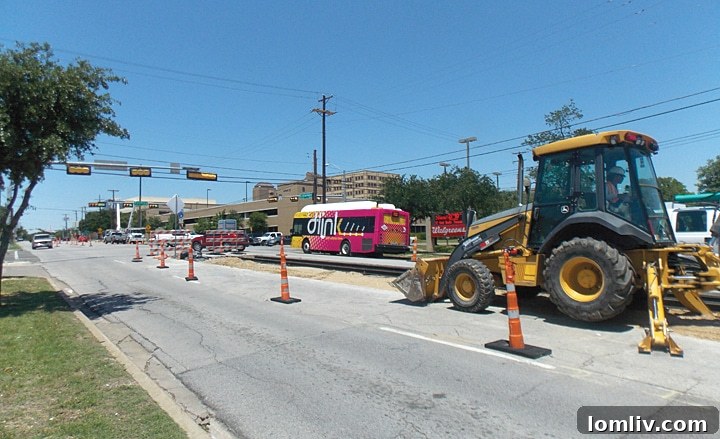
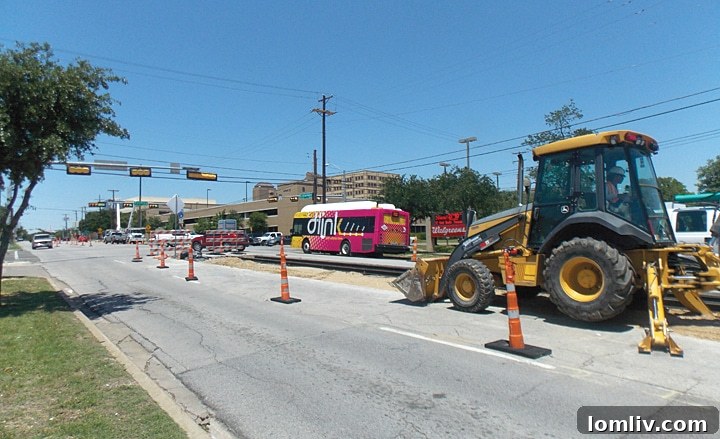
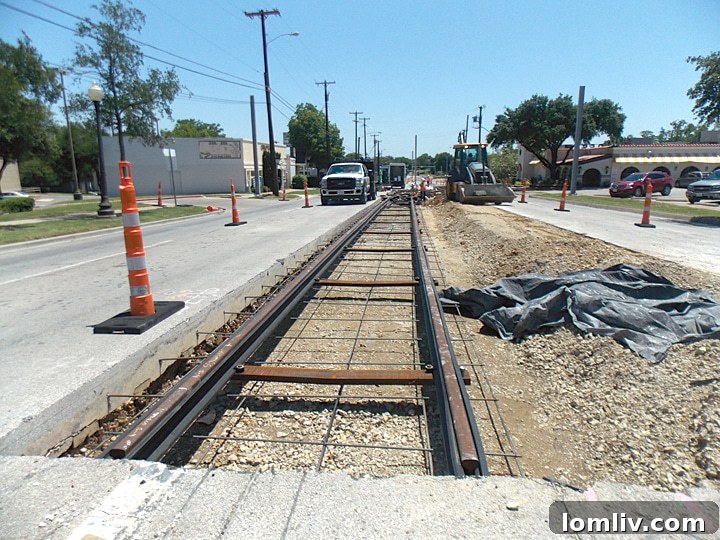
Despite the occasional frustrations and initial limitations, many residents embrace the broader vision, viewing the current inconveniences as necessary “growing pains” on the path to progress. Dottie Dunnam, for instance, reflected on the construction phase: “We are all suffering a temporary inconvenience from the track building as we try to drive out of our neighborhood. No matter how long its infrastructure construction takes, this streetcar is a great thing. Parking is horrible in Bishop Arts. I wish the streetcar’s route could be extended to include the Trinity Groves.” Her comments encapsulate the dual sentiment of enduring short-term disruption for long-term benefit, while also articulating aspirations for further expansion into other thriving Dallas areas like Trinity Groves, known for its dynamic culinary scene.
The issue of parking in Bishop Arts is particularly acute, often deterring visitors and impacting local businesses. A fully extended streetcar offers a viable solution, potentially alleviating congestion and making the district more accessible and enjoyable for everyone. This enhanced accessibility is not merely a matter of convenience; it’s a catalyst for economic growth, drawing more visitors, supporting local businesses, and potentially spurring further investment in the area. The streetcar, therefore, is seen as an economic engine, capable of boosting property values and fostering a more pedestrian-friendly, vibrant urban environment.
Les Hall, a long-time resident of North Oak Cliff, offers a historical perspective that enriches the current conversation. Having witnessed the evolution of Dallas over decades, he recalls a time when public transportation was sparse and inconvenient. “I can remember Dallas in 1984, when I didn’t have a car and there was little or no convenient public transport,” Hall shared. “Now, we can jump on trains and buses with our bikes, we have bike lanes, and overall, there seems to be a movement to make public transport ‘cool’ to use—perhaps even ‘hip.’” This sentiment reflects a significant cultural shift in urban living, where sustainable and accessible transit options are increasingly valued not just for necessity, but for lifestyle. The Oak Cliff streetcar, as it expands and integrates, stands to become a symbol of this modern, interconnected, and environmentally conscious urban identity.
Forging a Connected and Sustainable Future for Dallas
The Oak Cliff streetcar project, while navigating its initial stages with a mix of excitement and measured skepticism, represents a pivotal investment in Dallas’s urban future. It underscores a broader commitment to developing a robust, multi-modal public transportation system that can serve the diverse needs of its growing population. The initial limitations, though challenging for some residents, are part of a strategic, phased approach designed to build a comprehensive network gradually. With each new phase, the streetcar promises to strengthen the vital link between Oak Cliff’s distinct cultural charm and the economic engine of downtown Dallas, fostering community, economic development, and sustainable urban living.
The combined efforts of the city, DART, and local community leaders are steering Dallas towards a future where convenient, reliable public transit is not just an option, but a defining characteristic of its urban landscape. As the tracks extend, and the streetcar’s hours expand, it will undoubtedly transform daily commutes, enhance leisure opportunities, and solidify Oak Cliff’s reputation as one of Dallas’s most desirable and connected neighborhoods. The journey may involve temporary inconveniences, but the destination—a more accessible, vibrant, and interconnected Dallas—is a future worth building.