Texas’ Unprecedented Population Boom: Suburbs Outpace Major Cities in Growth
Texas stands on the precipice of a monumental demographic transformation, with official projections indicating a dramatic reshaping of its population landscape by mid-century. According to detailed analysis from the Texas Office of the State Demographer, the most significant population surges are not anticipated within the traditional urban cores but rather in the rapidly expanding suburban counties surrounding them. This outward growth trend signals a new era for the Lone Star State, bringing both immense opportunities and considerable challenges for planning, infrastructure, and community development.
Leading this charge in percentage growth is Hays County, strategically located just south of Austin, poised for an astounding expansion. Following closely is Collin County, nestled north of the Dallas metropolitan area, which is also projected to witness a remarkable influx of new residents. These two counties serve as prime examples of a broader statewide phenomenon where residents, both long-time Texans and newcomers, are increasingly drawn to suburban areas, seeking a balance of urban access and a distinct quality of life. Understanding these growth patterns is crucial for comprehending the future trajectory of Texas’ economy, infrastructure, and social fabric.
Hays and Collin Counties: At the Forefront of Percentage Growth
The numbers provided by the Texas Office of the State Demographer are compelling, illustrating the sheer scale of the population increases expected in these burgeoning regions. Hays County, known for its scenic beauty and proximity to Austin’s dynamic job market and cultural scene, is projected to undergo an incredible transformation. Meanwhile, Collin County, a critical component of the ever-expanding Dallas-Fort Worth metroplex, is set to absorb millions of new inhabitants, further solidifying its role as a key residential and economic hub in North Texas.
Here’s a detailed look at the projected growth for these two top-performing counties, highlighting the dramatic shifts anticipated by 2050:
-
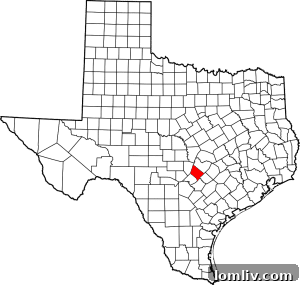
Hays County:
- 2010 Population: 157,107
- 2050 Projected Population: 824,070
- Absolute Population Change: 666,963 residents
- Projected Percent Change: 424.50%
-
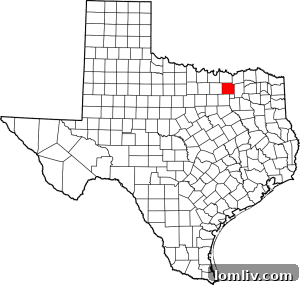
Collin County:
- 2010 Population: 782,341
- 2050 Projected Population: 3,801,840
- Absolute Population Change: 3,019,499 residents
- Projected Percent Change: 386.00%
Understanding the Suburban Surge: Drivers of Texas’ Outward Expansion
The demographic forecast for Collin County alone is particularly striking. Experts anticipate a growth of 386 percent over the next three and a half decades, translating to an additional 3 million residents. This dramatic increase will swell its population from 782,341 to an estimated 3.8 million. To truly grasp this magnitude, consider that by 2050, Collin County’s population could approach half the current population of a major global city like Chicago, or even half the entire population of the sprawling Dallas-Fort Worth metroplex as it stands today. Such monumental growth underscores the urgent need for comprehensive planning across all sectors, from housing and education to transportation and public utilities.
This widespread pattern of suburban growth is not coincidental but rather a result of several powerful socioeconomic factors attracting both internal and external migration to Texas:
- Enhanced Affordability and Space: Suburban locales often present more attractive housing markets, offering larger homes, bigger yards, and generally lower housing costs compared to dense urban centers. This allows residents to achieve more home for their money.
- Desire for Quality of Life: Many individuals and families are drawn to suburbs for their reputation for excellent school districts, lower crime rates, and a more serene, family-oriented atmosphere. The appeal of a close-knit community away from the hustle and bustle of city life remains strong.
- Abundant Land for Development: Crucially, suburban areas typically possess more undeveloped land. This availability facilitates large-scale residential, commercial, and mixed-use developments necessary to accommodate rapid population growth, which is often constrained in fully developed urban cores.
- Decentralization of Employment: While central business districts continue to be vital, an increasing number of major corporations and smaller businesses are establishing operations in suburban corridors. This decentralization creates new job hubs, reduces commute times for suburban residents, and fosters independent economic ecosystems outside of the traditional city centers.
- In-Migration to Texas: Texas continues to be a magnet for individuals and businesses relocating from other states and countries. The state’s robust economy, diverse job opportunities, and business-friendly environment—coupled with a relatively lower cost of living than many coastal states—make it an attractive destination. Many of these new arrivals choose suburban communities for their initial settlement.
Harris County: The Colossus of Absolute Growth
While Hays and Collin counties lead in percentage-based expansion, Harris County, which encompasses the vast city of Houston, is projected to experience the single largest absolute population increase in the state. By the year 2050, Harris County is expected to welcome an astonishing 3.4 million new residents, pushing its total population to an immense 7.5 million. This colossal influx, even with a comparatively lower percentage growth of 83.90% due to its already massive base population, presents a unique set of infrastructural and social challenges that are unparalleled in the state.
The sheer scale of this projected growth in Harris County immediately brings infrastructure concerns to the forefront, particularly regarding transportation. Houston is already grappling with significant traffic congestion, and an additional 3.4 million people will undoubtedly intensify the strain on its extensive network of highways and urban roads. Addressing this requires not only substantial financial investment in road expansion and maintenance but also innovative approaches to public transit, urban planning, and potentially even embracing new technologies to manage mobility for millions of daily commuters.
Major Metropolises Versus Their Suburban Rings: A Tale of Divergent Growth
The demographic projections underscore a compelling trend: the counties that form the core of Texas’ major metropolitan areas are, on average, slated to grow at a noticeably slower pace than their surrounding suburban and exurban counties. This pattern highlights a fundamental shift in where population density is increasing, with the periphery often outpacing the center in terms of new residents.
Observe the projected growth rates for these key central metropolitan counties:
- Travis County (Austin): Projected growth of 96.3%
- Tarrant County (Fort Worth): Projected growth of 93.3%
- Bexar County (San Antonio): Projected growth of 85.4%
- Dallas County (Dallas): Projected growth of 49%
The disparity is particularly stark for Dallas County, which is forecast to grow at roughly half the rate of Bexar County (San Antonio). This slower growth trajectory for Dallas County raises critical questions about its future economic and social vitality. Will this lead to an increased tax burden on existing Dallas County residents as the economic gravity shifts to the faster-growing suburban areas? The concern that Dallas could become the “center hole of a big, juicy economic donut” is valid, particularly as growth surges northward into Collin and Denton counties. While the greater availability of undeveloped land in the suburbs undeniably contributes to this trend, a significant divergence in growth rates could challenge core cities’ ability to fund essential services and urban improvement projects, potentially necessitating creative solutions for economic development and urban revitalization.
Texas’ Top 10 Fastest Growing Counties by 2050 (Percent Change)
Analyzing the counties projected to experience the highest percentage growth offers vital insights into where the most rapid transformations will occur. These regions are primed for accelerated development, significant demographic shifts, and will face considerable demands on their existing resources and public services.
Below is the definitive list of the top 10 counties by projected percentage growth from 2010 to 2050:
Hays County; 2010 population – 157,107; 2050 population – 824,070; Change – 666,963; Percent change – 424.50%
Collin County; 2010 population – 782,341; 2050 population – 3,801,840; Change – 3,019,499; Percent change – 386.00%
Fort Bend County; 2010 population – 585,375; 2050 population – 2,738,553; Change – 2,153,178; Percent change – 367.80%
Williamson County; 2010 population – 422,679; 2050 population – 1,976,958; Change – 1,554,279; Percent change – 367.70%
Denton County; 2010 population – 662,614; 2050 population – 3,031,597; Change – 2,368,983; Percent change – 357.50%
Montgomery County; 2010 population – 455,746; 2050 population – 2,061,972; Change – 1,606,226; Percent change – 352.40%
Rockwall County; 2010 population – 78,337; 2050 population – 333,656; Change – 255,319; Percent change – 325.90%
Kaufman County; 2010 population – 103,350; 2050 population – 438,487; Change – 335,137; Percent change – 324.30%
Parker County; 2010 population – 116,927; 2050 population – 453,381; Change – 336,454; Percent change – 287.70%
Bastrop County; 2010 population – 74,171; 2050 population – 272,723; Change – 198,552; Percent change – 267.70%
These counties, predominantly positioned around the major metropolitan hubs of Austin, Houston, and Dallas-Fort Worth, are experiencing growth largely driven by their appealing suburban characteristics coupled with strategic access to major job markets. Their swift expansion underscores a significant recalibration in residential preferences across Texas, pointing towards areas that harmoniously blend urban conveniences with the tranquility and open spaces of suburban living.
Texas’ Top 10 Counties by 2050 (Absolute Population Increase)
While percentage growth offers a glimpse into relative change, examining absolute population increase provides a clearer picture of where the largest numbers of new residents will settle. These counties will inevitably face the most pronounced challenges and opportunities related to large-scale urban development and critical infrastructure demands.
Presented below are the top 10 counties based on projected absolute population increase from 2010 to 2050:
Harris County; 2010 population – 4,092,459; 2050 population – 7,527,827; Change – 3,435,368; Percent change – 83.90%
Collin County; 2010 population – 782,341; 2050 population – 3,801,840; Change – 3,019,499; Percent change – 386.00%
Denton County; 2010 population – 662,614; 2050 population – 3,031,597; Change – 2,368,983; Percent change – 357.50%
Fort Bend County; 2010 population – 585,375; 2050 population – 2,738,553; Change – 2,153,178; Percent change – 367.80%
Tarrant County; 2010 population – 1,809,034; 2050 population – 3,497,034; Change – 1,688,000; Percent change – 93.30%
Montgomery County; 2010 population – 455,746; 2050 population – 2,061,972; Change – 1,606,226; Percent change – 352.40%
Williamson County; 2010 population – 422,679; 2050 population – 1,976,958; Change – 1,554,279; Percent change – 367.70%
Bexar County; 2010 population – 1,714,773; 2050 population – 3,179,649; Change – 1,464,876; Percent change – 85.40%
Dallas County; 2010 population – 2,368,139; 2050 population – 3,528,964; Change – 1,160,825; Percent change – 49.00%
Hidalgo County; 2010 population – 774,769; 2050 population – 1,779,370; Change – 1,004,601; Percent change – 129.70%
This enumeration highlights a substantial overlap between counties exhibiting high percentage growth and those experiencing massive absolute gains, although with some notable distinctions. Harris County, despite a more moderate percentage increase, leads the absolute growth chart due to its already extensive population base. Conversely, Collin, Denton, Fort Bend, and Williamson counties feature prominently on both lists, underscoring their dual roles as both rapidly developing and significantly expanding regions that will demand substantial foresight in planning and resource allocation.
Navigating the Future: Challenges and Opportunities of Texas’ Population Boom
The projected population explosion across Texas, particularly concentrated in its suburban belts, paints a complex future. While undoubtedly a testament to the state’s economic vibrancy and broad appeal, this unprecedented growth simultaneously introduces a myriad of challenges that necessitate proactive planning, innovative solutions, and significant investment to ensure sustainable prosperity.
Foreseeable Key Challenges Include:
- Strained Infrastructure: Transportation networks, water supply systems, energy grids, and public utilities will face immense pressure to cope with millions of new residents. Strategic funding and visionary planning are indispensable to avert widespread congestion, resource scarcities, and service disruptions.
- Affordable Housing Crisis: Rapid demographic expansion often leads to a sharp increase in housing costs, making it progressively difficult for middle- and lower-income families to secure affordable housing. Solutions must include diversifying housing types, incentivizing mixed-income developments, and implementing thoughtful land use policies.
- Environmental Impact: Unchecked urban sprawl can encroach upon natural habitats, increase impervious surfaces leading to stormwater runoff issues, and intensify the demand on precious natural resources. Prioritizing sustainable development practices, integrating green infrastructure, and bolstering conservation efforts are crucial.
- Expansion of Public Services: Schools, healthcare facilities, emergency services, and recreational areas must expand rapidly and efficiently to serve growing populations, requiring substantial public investment, efficient resource allocation, and robust community engagement.
- Preserving Community Identity: Swift growth has the potential to dilute the unique cultural fabric and historical character of existing communities. Striking a delicate balance between welcoming new development and safeguarding local heritage while fostering a strong sense of community will be an ongoing imperative.
Concurrently, Significant Opportunities Arise From This Growth, Including:
- Robust Economic Prosperity: A continuously expanding population attracts new businesses, fuels innovation, and cultivates a diverse, resilient workforce. This synergy drives sustained economic development and generates increased tax revenues for local and state governments.
- Enhanced Cultural Diversity: The influx of people from varied backgrounds and geographies enriches the cultural tapestry of Texas, introducing fresh ideas, diverse perspectives, and a broader range of skills into its communities.
- Catalyst for Investment and Innovation: The demands stemming from rapid growth stimulate investment in smart technologies, cutting-edge sustainable solutions, and advanced infrastructure. This positions Texas as a leader in future-oriented urban and regional development.
- Expanded Amenities and Services: A larger resident base naturally supports a greater variety of restaurants, retail establishments, entertainment venues, and cultural institutions, significantly enhancing the overall quality of life for all Texans.
Shaping the Future: Strategic Planning for a Megapolitan Texas
The demographic projections articulated by the Texas Office of the State Demographer serve as an invaluable compass for policymakers, urban planners, and residents as they chart the course for the state’s future. The ultimate destiny of Texas will be determined not merely by the sheer scale of its growth, but by how effectively it manages this unprecedented expansion.
Effective future-oriented strategies will likely encompass:
- Fostering Regional Collaboration: It is imperative that counties and cities work in concert to address interconnected challenges that transcend individual municipal boundaries, such as integrated transportation networks, comprehensive water resource management, and synergistic economic development initiatives.
- Implementing Smart Growth Initiatives: Promoting compact, mixed-use developments, making strategic investments in public transportation, and actively preserving open spaces are critical approaches to managing urban sprawl effectively and fostering more livable, sustainable communities.
- Cultivating Diversified Economic Development: Attracting and nurturing a broad spectrum of industries is essential for creating resilient economies that are less vulnerable to economic downturns and capable of offering diverse, high-quality job opportunities for a growing workforce.
- Prioritizing Investment in Education and Workforce Training: Ensuring a highly skilled and adaptable workforce through continuous investment in education and vocational training is fundamental to attracting and retaining businesses, thereby supporting a thriving and competitive economy.
Texas is not merely expanding in population; it is dynamically evolving into an intricate network of interconnected megapolitan regions, where its suburban areas are increasingly playing a pivotal and central role. How the state chooses to embrace these profound changes—addressing the inherent challenges with proactive foresight and capitalizing on the immense opportunities with bold innovation—will undeniably define its trajectory for generations to come. The future of the Lone Star State is resoundingly bright, yet it demands a comprehensive, collaborative, and forward-thinking approach to guarantee enduring prosperity and an enhanced quality of life for all its flourishing communities.