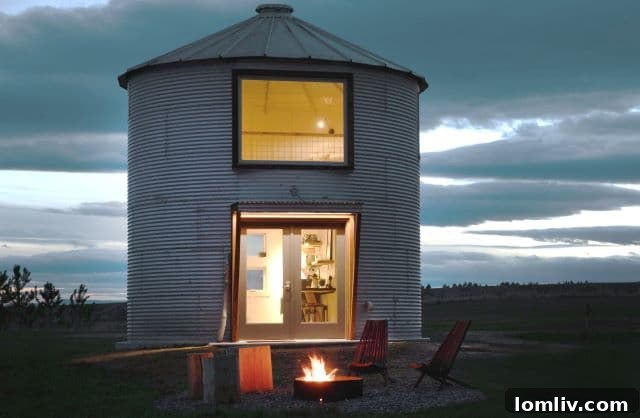
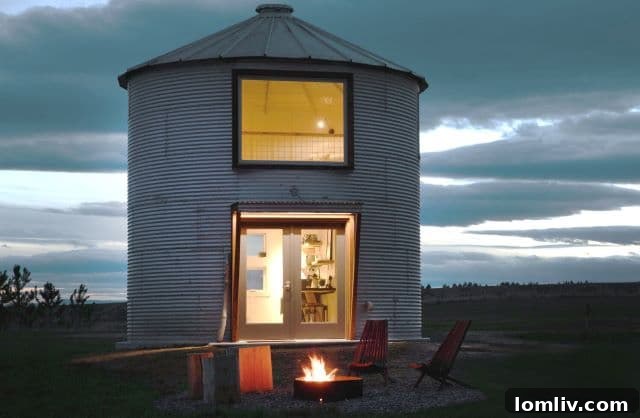
In an era increasingly focused on sustainable living and unique architectural design, the concept of repurposing old structures has gained remarkable traction. Among the most intriguing transformations are grain silo conversions, which are breathing new life into these iconic agricultural landmarks. A striking example recently captured widespread attention within the 179,000-member Rustic Cabins & Wood Decor group on Facebook: the captivating Clark Family Silos in Kalispell, Montana. These historic silos, once serving a purely functional role on a family farm, have been ingeniously reimagined as charming, rentable weekend cabins, available to travelers seeking an unforgettable experience through Airbnb.
The innovative spirit behind the Clark Family Silos extends beyond social media buzz. They have also been prominently featured in Field Mag, an acclaimed digital publication renowned for its appreciation of captivating photography, exceptional design, and the allure of the great outdoors. Field Mag highlighted these unique accommodations, drawing attention to their blend of rustic charm and contemporary comfort, showcasing them as a prime example of imaginative adaptive reuse. The publication even shared their fascination with these unconventional stays on social media.
Unconventional cabins to dream about tonight https://t.co/RBN8xfOUhD
— Field Mag (@fieldmag) July 6, 2021
While the Clark Family Silos exemplify a successful vision of preservation and innovation, their story provides a stark contrast to the fate of other historical silos across the nation. Specifically, it brings to mind the ongoing discussions surrounding the four prominent silos in Prosper, Collin County, Texas. These towering structures, long considered local landmarks, have contributed significantly to the town’s unique character and identity for generations. Tragically, in May of the same year the Clark Family Silos officially opened their doors to guests, Prosper faced the disheartening announcement that a major development firm, owned by Jerry Jones, intended to demolish its silos. Though four silos were initially slated for removal, the town later issued a statement in May, expressing a strong desire to save the remaining structures from demolition, highlighting a crucial crossroads between progress and preservation.
The hope for Prosper’s remaining silos is that they, too, can be thoughtfully repurposed, acknowledging and celebrating the profound historical and cultural value they have provided to the community for so many years. This sentiment echoes a growing global movement towards adaptive reuse, where the narrative of an old building is continued, rather than erased, making it a sustainable and culturally rich component of modern development.
Giving old silos a vibrant new life is not a novel concept; it’s a creative endeavor that has yielded impressive results in various locations. One of the most famous examples can be found in Waco, Texas, where the beloved Fixer Upper stars, Chip and Joanna Gaines, paid homage to these industrial giants. They transformed a derelict silo complex into the iconic Magnolia Market at the Silos. This sprawling destination, featuring shops, eateries, and green spaces, has not only preserved a piece of Waco’s industrial past but also revitalized the local economy, drawing millions of visitors annually. Beyond commercial ventures, silos are also being transformed into unique residential or lodging experiences. For instance, in the charming town of Round Top, Texas, known for its antique fairs and quirky attractions, travelers can experience the novelty of vacationing in a beautifully converted silo, offering a truly distinctive escape from the ordinary.
The Clark Family Silos officially welcomed their first guests with five distinct, fully habitable units, meticulously arranged on the historic family farm in the scenic northwestern region of Montana. This location holds deep roots for the Clark family, whose lineage in Montana spans three generations, embedding their project with authentic local heritage. The conversion of these silos is not merely a commercial venture but a continuation of a family legacy, reinterpreting their ancestral land for contemporary appreciation.
The property description provided by Field Mag offers an enticing glimpse into the meticulously curated guest experience:
As for the property itself, each of the five silos features a rustic-modern-camping chic interior decor, with exposed beams, the omnipresent Pendleton blanket, and a little sprinkle of mid-century furnishings. A kitchenette, bathroom, small living area, and lofted sleeping area with a king-size bed make up the total circular square footage. Outside you’ll find a private fire pit and, of course, spectacular views of the farm.
Each silo interior is a masterclass in blending rugged outdoor aesthetics with sophisticated contemporary design, creating an atmosphere that is both cozy and stylish. The exposed beams underscore the original architectural integrity of the silo, while elements like the iconic Pendleton blanket add a touch of authentic Western charm and comfort. Thoughtfully selected mid-century furnishings introduce a layer of timeless elegance, preventing the rustic theme from becoming overly conventional. Despite their circular footprint, these silo cabins are surprisingly spacious and functionally designed. They encompass all the necessities for a comfortable stay: a compact yet fully equipped kitchenette, a private bathroom, a snug living area perfect for relaxation, and an elevated sleeping loft featuring a luxurious king-size bed, maximizing the unique vertical space. Beyond the interior, guests are treated to private outdoor amenities, including a personal fire pit – ideal for stargazing or enjoying crisp Montana evenings – and uninterrupted, breathtaking views of the sprawling family farm and the surrounding natural landscape. This thoughtful integration of indoor comfort and outdoor immersion makes the Clark Family Silos a truly exceptional destination for those seeking both adventure and tranquility.
For those eager to experience this unique blend of history and luxury, rates for a stay at the Clark Family Silos start at approximately $415 per night, according to their Airbnb listing. This investment offers not only a one-of-a-kind lodging experience but also modern conveniences, including reliable WiFi access, ensuring guests can stay connected amidst their rustic retreat. The overwhelming positive feedback from previous guests speaks volumes about the quality of the experience; an impressive 31 reviews proudly boast a perfect 5-star rating, underscoring the exceptional service, unique ambiance, and memorable stay these silo cabins provide. This consistent praise solidifies the Clark Family Silos’ reputation as a premier destination for discerning travelers.
The challenges faced by the historic structures in Prosper, Texas, are particularly poignant when contrasted with the triumph of the Clark Family Silos. Unlike the moderately sized silos repurposed in Montana, the Prosper silos are considerably larger, presenting both greater opportunities for expansive redevelopment and more significant hurdles for preservation. The plans put forth by Jones’ Blue Star Land envision the site, where the silos once stood, as a vibrant mixed-use development – a common trajectory for prime urban land. However, recognizing the immense historical value and community attachment to these structures, the town of Prosper took a decisive stand. In May, they issued an official statement, explicitly conveying their deep commitment to preserving these valuable landmarks, hopeful of averting their complete demolition.
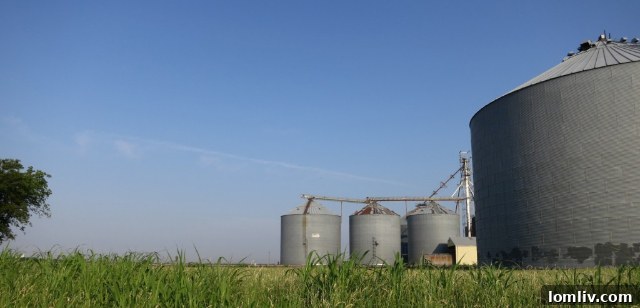
The official statement from the Town of Prosper clearly articulated their vision: “It is the Town’s intent to preserve the three silos and eliminate any safety hazards, with the hope of incorporating the silos into the Downtown Master Plan and our ongoing downtown revitalization efforts.” This commitment signifies a proactive approach to heritage conservation, integrating historical elements into future urban planning rather than erasing them. Such an approach not only retains the town’s distinct identity but also fosters sustainable development, which prioritizes the past while building for the future.
This situation presents a crucial learning opportunity. If Prosper city leaders haven’t already explored innovative solutions for their historic structures, the successful model provided by the Montana family offers a compelling blueprint. The Clark Family Silos demonstrate that with vision, creativity, and commitment, old agricultural silos can indeed be transformed into captivating, economically viable, and community-enriching assets. Their success story serves as a powerful testament to the potential of adaptive reuse – a strategy that honors history, promotes sustainability, and creates truly unique destinations. By studying and adapting such successful conversions, communities like Prosper can unlock the latent potential within their own historical structures, ensuring that these iconic landmarks continue to inspire and contribute to their towns for generations to come, rather than succumbing to the wrecking ball of conventional development. The preservation of these silos could symbolize Prosper’s dedication to its heritage, transforming potential loss into a celebrated local icon and a vibrant part of its future.
For more inspiring examples of unique accommodations and adaptive reuse projects, explore creative transformations that breathe new life into forgotten structures. You can find visual inspiration and project updates on platforms like Instagram, where innovative designs are frequently showcased. For instance, consider exploring the ingenuity captured in posts such as this one: https://www.instagram.com/p/CSYA9wjFQAK/?utm_source=ig_web_copy_link. Such projects globally demonstrate the incredible potential of repurposing historical and industrial buildings into modern marvels, proving that old foundations can indeed lead to exciting new beginnings.