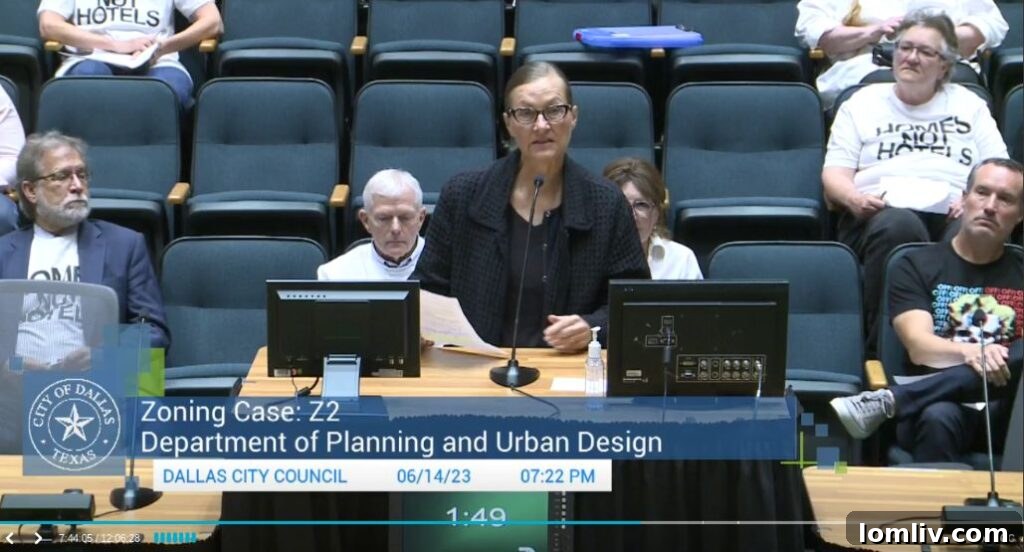
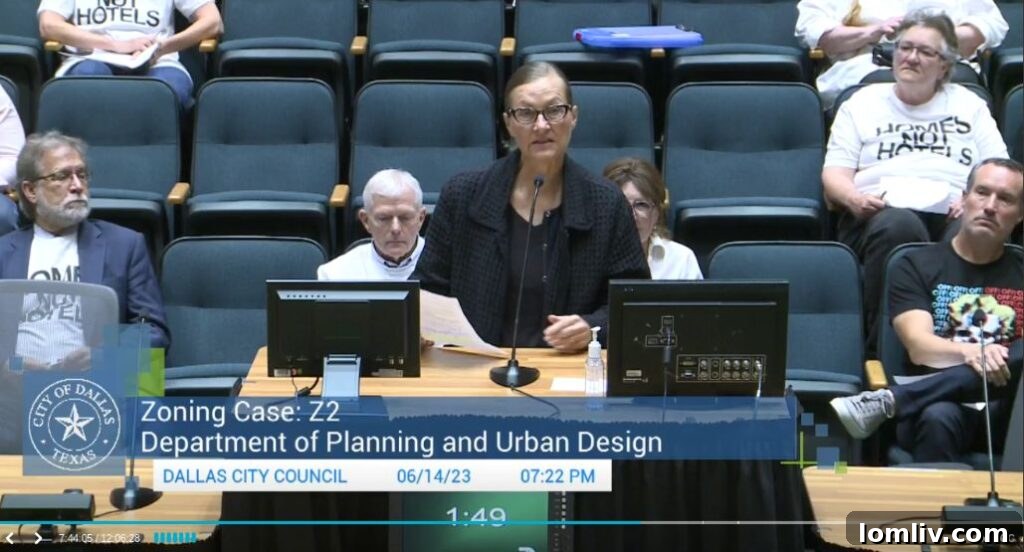
The landscape of short-term rentals (STRs) in Dallas underwent a dramatic shift following a pivotal vote by the Dallas City Council on June 14, 2023. In a move that sent immediate ripples through the community, the council decided to implement an outright ban on STRs in single-family residential neighborhoods. This decision ignited a firestorm of controversy, with aggrieved STR operators swiftly taking to social media to voice their discontent and threaten legal action, signaling that the battle over property rights and neighborhood preservation is far from over in North Texas.
The immediate aftermath saw a flood of reactions, embodying the deep divisions within the city. One prominent Airbnb host encapsulated the defiant mood, writing, “Let the lawsuits begin,” a clear indication of the legal challenges anticipated. The vote concluded months, if not years, of fervent debate, impassioned public hearings, and conflicting viewpoints regarding the role of STRs in Dallas’s diverse neighborhoods.
Among the council members, District 1 Councilman Chad West had proposed an alternative solution, suggesting a regulatory framework rather than a complete prohibition. His primary argument against an outright ban centered on its potential vulnerability to legal challenges, believing it might not withstand judicial scrutiny. West’s proposal notably included a requirement for on-site caretakers at STR properties, a measure that, according to one operator speaking to daltxrealestate.com, would have effectively eliminated approximately 70 percent of Dallas’s taxpaying hosts due to the operational complexities and costs involved.
Conversely, Mayor Pro Tem Carolyn King Arnold adopted a resolute stance, expressing no apprehension about potential litigation. “I fear no courts,” she declared during the lengthy June 14 City Council meeting, emphasizing her belief that judges themselves would sympathize with residents plagued by disruptive “party houses.” This sentiment underscored the council majority’s determination to prioritize residential tranquility over the interests of STR operators.
During the same marathon session, District 7 Councilman Adam Bazaldua made a concerted effort to garner support for a Dallas staff recommendation. This proposal championed a system of enforceable regulations through a comprehensive registration ordinance, aiming to manage STRs rather than ban them entirely. Such an approach sought to strike a balance between allowing property owners flexibility and addressing community concerns through structured oversight.
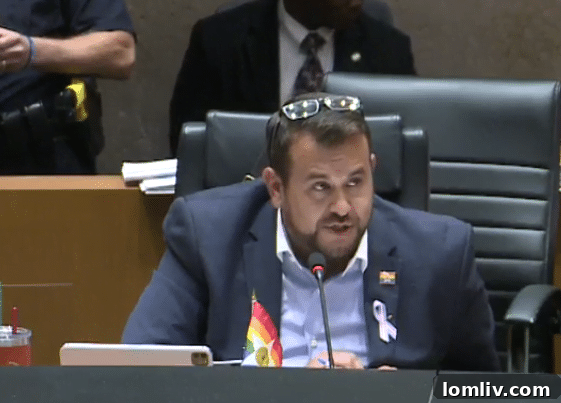
Ultimately, however, the “Keep It Simple Solution” (KISS) — a strategy recommended by the City Plan Commission — carried the day. This prevailing ordinance mandated a ban on short-term rentals in all single-family neighborhoods, critically without any grandfathering provisions for existing operators. While multifamily STRs remain permissible by right, new density requirements mean some currently operating units will be forced to cease operations. The city has set an enforcement date for December 2023, giving operators a limited window to comply with the new regulations.
Lisa Sievers, an experienced STR operator in District 2 since 2019, expressed her disappointment, though not surprise, at the council’s decision. She articulated a strong concern regarding the broader implications for the city, stating, “I don’t think it’s a proud day for the City of Dallas. Overnight, Dallas has become the poster child of local governmental overreach.” Sievers further warned that this decision could serve as a “red flag” for the state legislature, potentially encouraging more bills similar to the controversial “Death Star” law, which aims to curtail the power of local governments in Texas.
A Resounding Victory For Dallas Neighborhoods?
For many Dallas residents, the council’s vote represented a hard-won victory after years of advocacy. Earlier this year, city data indicated approximately 1,765 registered, taxpaying STRs within city limits, alongside an estimated 1,300 “suspected” STR properties operating without official registration. These figures underscore the significant presence of short-term rentals across Dallas, highlighting why their regulation became such a contentious issue.
District 12 Councilmember Cara Mendelsohn lauded the unprecedented unity among Dallas residents in their opposition to short-term rentals. Addressing the council on June 14, she commended their collective effort: “You’ve all come down here together with a clear, united voice, together as neighbors to oppose short-term rentals in your neighborhoods. You’re not just impressive; you’re right.” This statement reflected the powerful grassroots movement that mobilized thousands of residents to push for stricter controls.
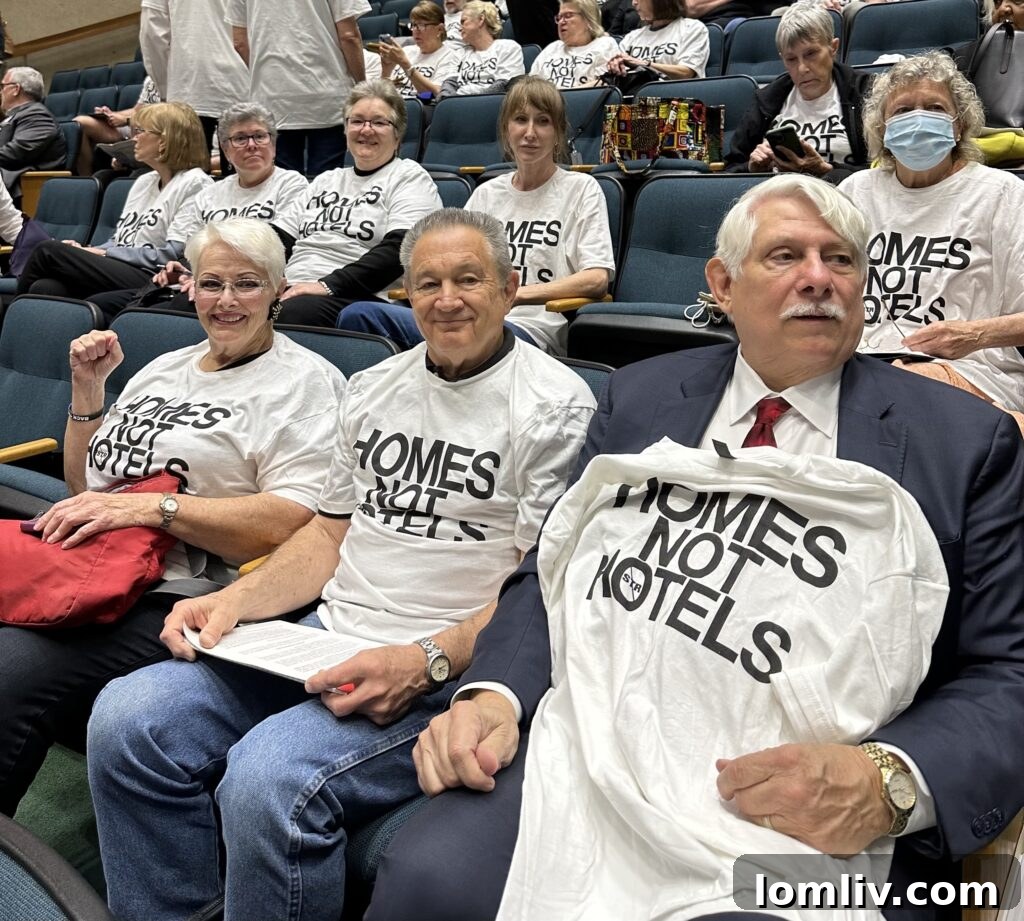
Melanie Vanlandingham, a District 14 resident and vocal proponent of the ban, highlighted the enforceability of the KISS option, comparing it to other existing zoning ordinances. She emphasized the protective aspect of the ban, stating, “KISS protects neighborhoods and 500,000 homeowners who live here and support our Dallas economy year-round.” Furthermore, Vanlandingham asserted that the ban would effectively address rising crime and violence often associated with certain STRs and make thousands of homes immediately available for long-term residents, thereby contributing to the city’s housing supply.
The journey to this vote was extensive, spanning almost four years of dedicated effort from community activists. Hundreds of residents consistently attended council meetings, conducted in-depth research, testified before the state legislature, sent countless emails, and tirelessly rallied support for their cause. Their testimonies often included “heartwrenching comments” about safety concerns, such as children finding stray bullets in their yards—a grim reality attributed to the disruptive “party houses” that were at the heart of the debate. However, as many acknowledged, the “bad actors” operating these problematic properties, often associated with crime and drug activity, rarely appeared at council meetings to face accountability.
Phillip Terry, a resident of District 10, challenged the notion that only a “few bad apples” were spoiling the bunch. He pointed out that despite Airbnb declaring an end to party houses several years ago, such issues persisted both in Dallas and nationwide. “It’s simple,” Terry explained, “The platforms can’t enforce or control their own operators, nor do they even try to do so. It’s embarrassing, but still highly profitable. Platforms want the city to establish regulations and enforce control.” This critique suggested that the responsibility for addressing nuisance properties ultimately fell to local government. Airbnb did not immediately respond to a request for comment from daltxrealestate.com regarding these claims.
While some council members conceded that the KISS option might not be as “simple” as its name implied, potentially posing enforcement, staffing, and budgetary challenges, they nevertheless viewed it as the most effective solution to “stop the bleed.” This phrase referred to the approximately 20 percent of STR operators who were reportedly responsible for a disproportionate number of repeated crime and nuisance calls at their properties. The ban was seen as a necessary measure to reclaim peace and order in residential areas.
District 13 Councilmember Gay Donnell Willis provided practical insight into the enforcement process, suggesting that monitoring STRs operating illegally in residential neighborhoods could commence with something as straightforward as checking mailboxes. “The city already uses this method to notify and warn suspected operators and bring them into compliance,” she noted. Willis further expressed confidence that “Residents across the city will be happy to assist in identifying legal land use in their neighborhoods. They just want the covenant of peace that they had when they bought their home back.”
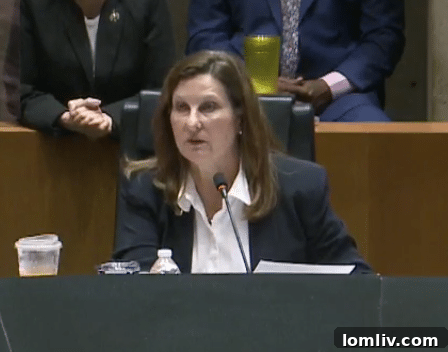
Willis underscored that while the positive changes wouldn’t materialize overnight, the ban would “narrow the guardrails on a road to restoring peace of mind” for residents. She also connected the STR issue to the city’s broader housing challenges: “Dallas has a housing shortage. This is not only evidenced on paper but it manifests itself at underpasses, in drainage channels, and on parkland, where we’re spending more than ever on security and cleanup in public places intended for recreation, not squalid living.” She concluded by asserting, “We need more long-term rental and home ownership options in Dallas,” implying that the ban could help free up housing stock. It’s important to note, Willis clarified, that business travelers or others seeking longer stays can still rent a home in a residential neighborhood for more than 30 days, as this duration does not fall under the “short-term” rental classification.
What’s Next For Short-Term Rental Operators in Dallas
For Dallas’s short-term rental operators, the city council’s decision marks a significant turning point, forcing many to reevaluate their business models and legal strategies. Lisa Sievers, reflecting on the vote, initially held out hope that Councilman Bazaldua’s proposal for regulation, rather than an outright ban through zoning changes, would have garnered sufficient support from the full council. “We were hoping we could avoid a ban,” she told daltxrealestate.com, expressing frustration that “Councilman Bazaldua was trying to champion common sense, which was in short supply.”
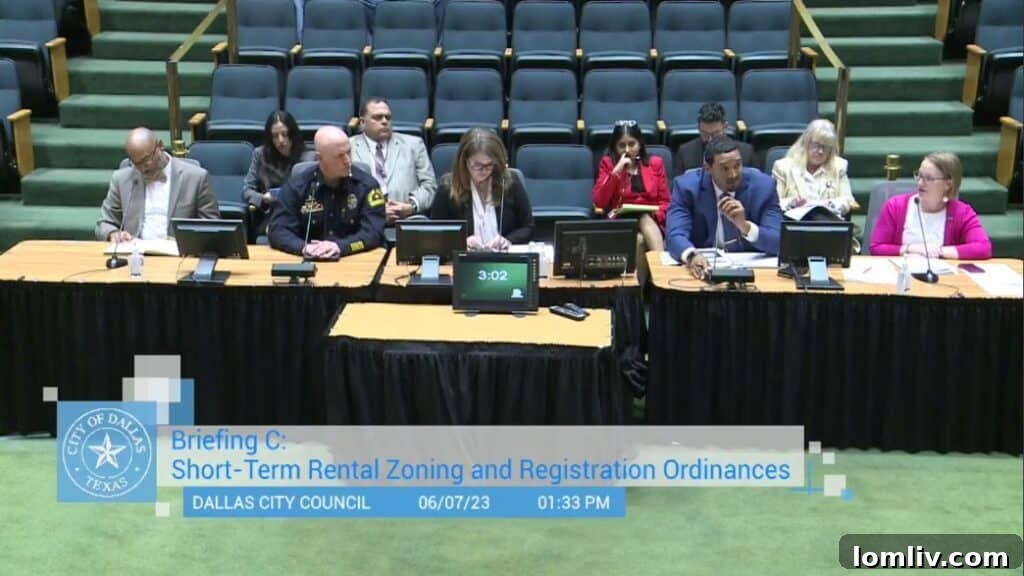
Sievers further lamented that the council appeared to disregard the “solid data” and recommendations presented by city staff, who, she believes, possess the most comprehensive understanding of the city’s operational dynamics and enforcement capabilities. This sentiment is particularly poignant given city data indicating that approximately 80 percent of current Dallas STR operators have never generated a 911 or 311 call to their properties, suggesting that the ban disproportionately impacts responsible operators alongside the problematic ones.
Despite her disappointment, Sievers adopted a pragmatic outlook, refraining from criticizing any elected official for representing their constituents’ wishes. Notably, during a half-hour conversation just two days after the council vote, Sievers consciously avoided using the word “lawsuit.” However, she did hint at the unfolding legal landscape: “I think you’re going to see some activity over the next six months. If I was the ‘anti’ group, I’m not sure I’d be getting on my party hat quite yet. I’m saying that right now we are exploring several legal channels. We’ve had legal counsel on retainer for quite some time. We haven’t exhausted all of our options yet.” This statement makes it clear that while litigation wasn’t explicitly mentioned, it remains a strong possibility and a primary focus for operators moving forward.
Sievers also voiced disappointment that responsible operators, who consistently pay Hotel Occupancy Taxes and have a clean record, were not afforded any grandfathering clauses under the new zoning ordinance. Despite this, she confirmed that these operators intend to continue their operations and tax payments until enforcement officially commences in mid-December. The coming months will undoubtedly be crucial for many businesses as they navigate this new regulatory environment.
Given Texas’s strong emphasis on property rights, it is widely anticipated that numerous STR-related bills will be filed during the 2025 legislative session. This suggests that the debate over short-term rentals in Dallas, and potentially across the state, could soon shift from municipal council chambers to the state legislature. Organizations like the Dallas Short Term Rental Alliance have already begun issuing newsletters to their members, vowing to exhaust every available option at both the city and state levels to challenge or amend the ban.
“This is not the end,” Sievers affirmed, conveying a resilient message to her fellow operators. “I’m disappointed, but at least we have an answer now. We have something to work with. Before, everyone could be upset and angry about it, but there was nothing we could do about it. That includes enforcement.” She reiterated a core point of the debate, concluding, “This whole discussion started with party houses, and that’s basically what the problem still is.” The path forward for Dallas’s short-term rental market remains uncertain, but it is clear that the industry, and its opponents, are prepared for a prolonged engagement.