

The current U.S. housing market is grappling with a profound imbalance: a chronic shortage of available homes that has propelled prices to unprecedented levels. This isn’t a new phenomenon, but rather the culmination of over a decade of insufficient construction activity failing to keep pace with the nation’s growing population and the formation of new households. The result is a critical deficit of millions of homes, directly impacting affordability and accessibility for countless potential buyers. This article delves into a significant, yet often overlooked, contributor to this crisis: the increasing trend of older generations “aging in place” and its cascading effects on the real estate landscape, particularly for Millennial homebuyers.
The Broken Cycle: How Aging in Place Stifles Housing Supply
Traditionally, the real estate market operates on a predictable “circle of life” model. Young individuals and families enter the market with starter homes, gradually upgrading to larger properties as their families grow and their financial situations improve. Eventually, as children leave home and personal needs change, older homeowners typically downsize to smaller, more manageable, lower-maintenance properties. This natural progression frees up larger homes for the next generation, maintaining a healthy flow of inventory across all market segments.
However, this vital flow has been significantly disrupted. A compelling report by FreddieMac highlights that approximately 1.6 million senior-owned homes are effectively stalled, failing to transition through the real estate conveyor belt. This substantial figure is equivalent to an entire year’s worth of typical new home construction and accounts for over half of the estimated 2.5 million home deficit plaguing the country. This unprecedented stagnation directly stems from more than a decade of severe underbuilding and the resulting scarcity of diverse housing options.
Why Seniors Are Staying Put: The Appeal and the Predicament
The concept of “aging in place” carries significant appeal, offering seniors the comfort and independence of remaining in their familiar homes and communities. It represents a desire to maintain a established lifestyle without the disruption of moving. However, this trend is not solely driven by personal preference. A major contributing factor is the sheer lack of suitable alternatives. During the same decade when seniors began to stay put in larger family homes, the construction industry largely failed to build an adequate supply of age-appropriate housing options, such as smaller, accessible homes, condominiums, or specialized retirement communities. The market simply lacks sufficient “Shady Pines” or “Gossamer Meadows” to accommodate those ready to downsize, leaving many seniors with little choice but to remain in homes that may no longer suit their needs.
A comprehensive 2017 study, co-authored by Marianne Cusato, an associate professor of Architecture at Notre Dame, further illuminated this trend. The report revealed that a staggering 84 percent of surveyed homeowners aged 75 and over had either undertaken significant home renovations (61 percent) or made no renovations at all (23 percent) but were firmly committed to staying in their current residences. Only a small fraction, 14 percent, had moved from a prior home. This data underscores a powerful preference for stability and independence, but it also highlights a critical bottleneck in the housing supply chain.
The Double-Edged Sword of Age-Specific Renovations
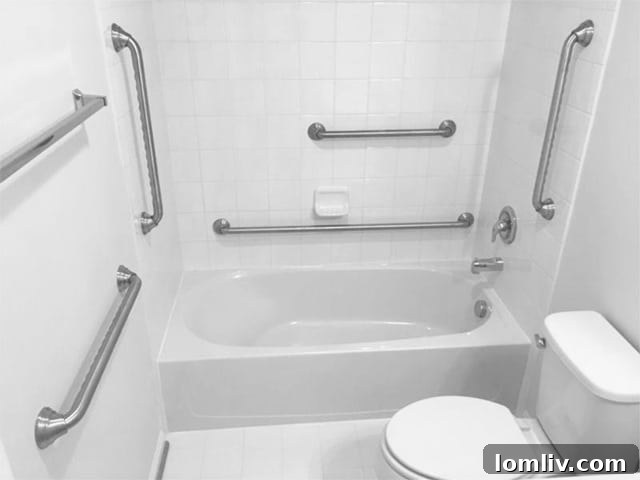
While age-specific renovations undeniably enhance the quality of life and safety for seniors, they inadvertently create significant hurdles for future buyers, particularly the younger generations entering the market. These modifications, designed for accessibility and ease of use in later life, often become liabilities for resale. Once the home eventually comes on the market, these highly specialized features can deter a younger demographic whose needs and aesthetic preferences are vastly different.
Cusato’s survey detailed some of the most common senior renovation projects. Many, like pull-out shelves and drawers in kitchens, closet organizers, and various voice-activated technologies, offer universal appeal and can easily translate to younger buyers. However, other modifications present distinct challenges. Features such as smooth stone or tile flooring, installed to facilitate the use of wheelchairs and walkers, may not appeal to families with young children who might prefer softer, warmer flooring options. Relocating a master bedroom from the second floor to the ground floor, while practical for seniors, places younger parents further away from their children’s bedrooms. More subtle changes, such as wheelchair-width doorways, can look disproportionate or odd to new occupants. The installation of home elevators, walk-in bathtubs, or stair lifts, while indispensable for seniors, often represent unwanted maintenance, aesthetic compromises, and significant removal expenses for younger buyers. As the saying goes, few younger lifestyles necessitate grab bars in every bathroom, underscoring the stark contrast in needs.
Undoing Before Doing: Smart Renovation Strategies for Resale
From a seller’s perspective, these specialized renovations, while enhancing the home’s value for their specific needs, are often perceived as a significant expense for a younger buyer. This disconnect can lead to overzealous pricing by sellers who factor in the cost of their modifications, juxtaposed with low-ball offers from buyers who anticipate the substantial expense of reversing them. The result is often a stagnant listing and a failed transaction.
The key to making accessibility-based renovations a smart long-term investment, rather than a future liability, lies in forethought: planning for their potential reversal even before they begin. For instance, when installing grab bars in a bathroom during a renovation, it’s wise to save a few matching tiles and some grout. This simple precaution will make the eventual removal of the bars and seamless replacement of the tiles a quick, cost-effective task, preserving the bathroom’s original aesthetic and appeal for future buyers.
Similarly, for those considering raising electrical outlets a few feet off the floor for easier access, a more strategic approach might be to keep the existing socket in place and surface-mount a temporary one at the desired height. This method is considerably easier to undo, minimizing wall repair work, and is typically much cheaper to install initially compared to altering permanent wiring and plasterwork.

For more substantial modifications, such as walk-in bathtubs, sellers may simply need to accept the financial reality of uninstalling them and restoring a conventional bathtub. This upfront investment by the seller can significantly boost the home’s marketability. Millennial buyers, the largest cohort entering the housing market, are frequently on extremely tight budgets. According to Down Payment Resource, a staggering 64 percent of Millennials believe they will have to indefinitely postpone their first home purchase or be forced to rent forever. Given these financial constraints, it’s highly unlikely they will have the additional funds to undertake costly renovations to undo age-specific modifications. If a Millennial buyer manages to secure a down payment, it’s often a significant achievement in itself, leaving little to no “kitty” for immediate post-purchase renovations.
Evolving Demographics and Housing Preferences: Size May Not Matter
Another layer of complexity in the housing market is the evolving profile of Millennial buyers. Unlike previous generations, Millennials have, on average, postponed their first home purchase by nearly a decade. This delay means they are often more settled in their careers and personal lives by the time they buy, frequently having completed their families. Consequently, once they find a home that suits their needs, they may be less inclined to move multiple times throughout their lives, potentially staying put for longer durations, much like the generation before them. This could lead to a future echo of the current market stagnation.
Furthermore, there’s a discernible shift in home preferences among younger buyers. Whether driven by economic realities, environmental consciousness, or changing tastes, Millennials often show a greater interest in smaller, more efficient homes. The expansive “McMansions” that appealed to their parents and grandparents may hold significantly less appeal. This preference can exacerbate the difficulty of selling oversized homes, even if they are eventually made available on the market, creating another mismatch between supply and demand.
The Confluence of Challenges: A Complex Housing Landscape
In summary, the housing market faces a perfect storm of converging challenges. We are contending with a critical national housing deficit of 2.5 million units, compounded by 1.6 million seniors who are not downsizing, effectively removing a substantial portion of inventory from circulation. This issue is further complicated by the prevalence of age-specific home renovations that, while serving their original purpose, become significant financial and aesthetic deterrents for younger, budget-conscious buyers. These Millennial buyers, already struggling with affordability, are now faced with the additional burden of potentially undoing expensive modifications to make a home suitable for their families.
This intricate web of supply shortages, demographic shifts, and renovation dilemmas presents a formidable challenge for realtors, policymakers, and future homeowners alike. Navigating this landscape requires innovative solutions, strategic planning, and a deep understanding of evolving market dynamics. The traditional real estate playbook is no longer sufficient; new approaches are desperately needed to restore balance and affordability to the housing market.

Remember: My focus areas include high-rises, HOAs, and innovative home renovations. I also maintain a keen interest in modern and historical architecture, always balancing these against the vital principles of the YIMBY movement. My work has been consistently recognized by the National Association of Real Estate Editors, earning me three Bronze awards in 2016, 2017, and 2018, alongside two Silver awards in 2016 and 2017. If you have a compelling story to share or a collaboration in mind, feel free to reach out via email at [email protected]. You’re welcome to search for me on Facebook and Twitter, though you might find my online presence rather elusive!