The Shadow Economy: How Drug Cartels Infiltrate Legitimate Businesses and the Case of a Dallas Realtor
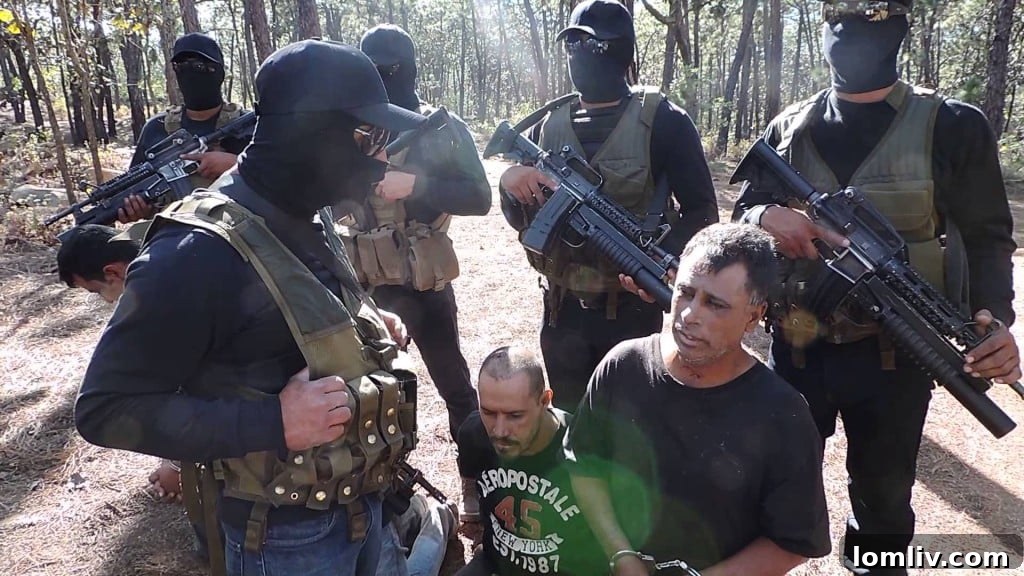
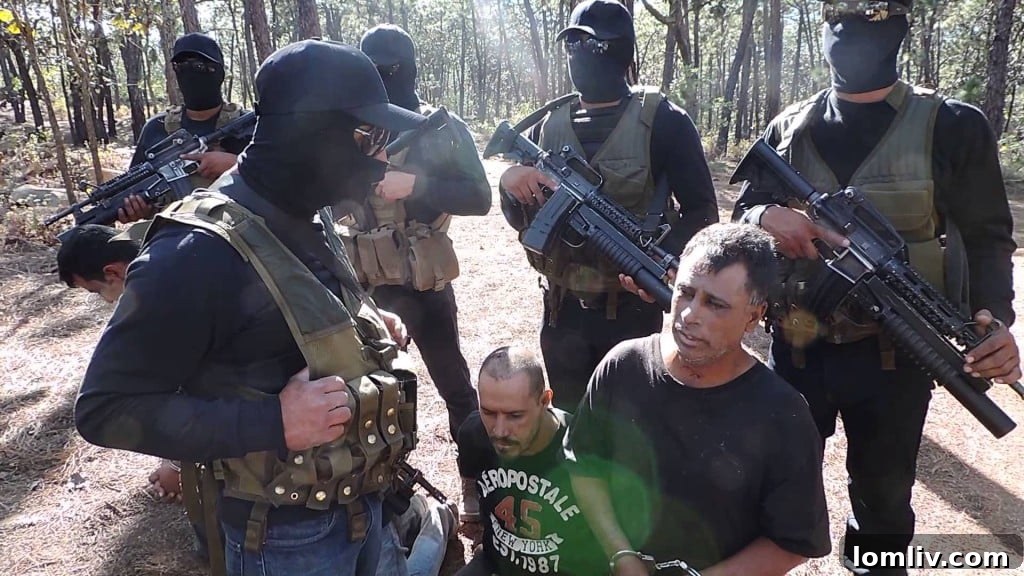
The insidious reach of international drug cartels often extends far beyond illicit drug trafficking, seeping into the veins of legitimate industries. Operating with sophisticated networks and vast sums of money, these criminal organizations frequently exploit unsuspecting or complicit individuals and businesses to further their illicit goals, from money laundering to establishing strategic operational bases. The recent revelations surrounding Nicolas Salinas, a former Dallas real estate agent, offer a stark illustration of this infiltration, exposing the unsettling reality of how brutal groups like the Jalisco New Generation Cartel (CJNG) leverage seemingly ordinary professionals.
In 2012, federal agents apprehended Salinas at the Laredo border crossing, uncovering nine kilograms of methamphetamine stashed in his vehicle. This arrest was not merely a routine drug bust; it was the unraveling of a carefully constructed facade that saw a respected Realtor and business owner serving as a critical cog in the CJNG’s U.S. distribution network. Salinas’s involvement went far deeper than simply transporting narcotics; his expertise in real estate became a valuable asset for the cartel, facilitating operations that blended seamlessly into the legitimate economy.
Unmasking the Jalisco New Generation Cartel (CJNG)
To fully grasp the gravity of Salinas’s case, it’s essential to understand the organization he served: the Jalisco New Generation Cartel. Emerging from a splinter group of the notorious Sinaloa Cartel, the CJNG has rapidly ascended to become one of the most powerful and ruthless criminal organizations in Mexico. Known for its extreme violence, sophisticated operational tactics, and aggressive expansion, the CJNG has a significant presence across Mexico and has successfully extended its reach into various international markets, including major U.S. cities like Dallas.
The cartel’s business model is multifaceted, encompassing not only drug trafficking but also extortion, kidnapping, and the establishment of complex money-laundering schemes. Their ability to adapt and penetrate diverse sectors, including transportation, logistics, and increasingly, real estate, makes them a formidable challenge for law enforcement agencies. The CJNG’s ambition to control vast territories and supply chains drives its relentless pursuit of new methods to move illicit goods and launder profits, often blurring the lines between legal commerce and criminal enterprise.
The Double Life of a Dallas Realtor: Nicolas Salinas’s Descent
Nicolas Salinas’s background presented the image of a successful, upstanding member of the Dallas community. For over a decade, he held a real estate license, building a career in property transactions. Furthermore, he owned and operated Mi Casa Remodeling and Management, a business that suggested a commitment to local development and legitimate enterprise. However, beneath this veneer of normalcy, Salinas harbored a dangerous secret: a clandestine affiliation with the Jalisco New Generation Cartel, an association that would ultimately dismantle his life and expose a significant cartel cell operating in North Texas.
Salinas’s role was far from incidental. He became an integral part of the cartel’s logistical operations, making multiple trips between Mexico and the U.S. to shuttle both illicit cash — the lifeblood of any criminal organization — and vast quantities of methamphetamines, a highly profitable and destructive drug. This dual role as both a legitimate businessman and a cartel operative highlights the sophisticated methods cartels employ to cloak their activities, using trusted individuals with established professional lives to avoid detection and facilitate their cross-border illicit trade.
From Courier to Cooperating Witness: The Laredo Bust
The fateful day in 2012 at the Laredo border crossing marked the end of Salinas’s covert career as a cartel courier. His apprehension by federal agents, leading to the discovery of nine kilograms of meth, brought his clandestine operations to a crashing halt. Faced with severe federal charges, Salinas made a pivotal decision: to cooperate with authorities. This choice proved to be a turning point in a major federal investigation, offering law enforcement an invaluable window into the inner workings of the CJNG’s network in Texas.
Salinas’s cooperation provided federal agents with critical intelligence, allowing them to trace connections, identify key players, and ultimately dismantle a significant cell of the Jalisco New Generation Cartel in Dallas. His decision to “roll on his former boss,” Oscar “La Monia” Soto-Cabezas, the alleged chief of this cartel cell, set in motion a series of events that led to a cascade of convictions. While Soto-Cabezas remains a fugitive in Mexico, Salinas’s testimony and insider knowledge proved instrumental in securing convictions against more than a dozen cartel operatives in federal court in Dallas, including Salinas himself.
A Cartel’s Business Model: Leveraging Legitimate Fronts
The Salinas case goes beyond simple drug trafficking; it exposes a critical aspect of modern cartel operations: the strategic use of legitimate fronts. Court records revealed that Salinas worked closely with Soto-Cabezas, not just as a courier but also as a facilitator for the cartel’s infrastructure needs. In 2009, at Soto-Cabezas’s explicit direction, Salinas purchased a house on Gibbs Williams Road in South Dallas. This property wasn’t intended for residential use by a legitimate buyer; it was acquired specifically to serve as a stash house for drugs, a critical hub for the cartel’s distribution efforts in the region.
What makes this particular detail especially insightful is that Salinas placed ownership of the residence in his own name. This maneuver was a deliberate tactic to “avoid law enforcement detection,” effectively using a seemingly legitimate real estate transaction to mask a criminal operation. This strategy illustrates how cartels exploit the very systems designed to protect citizens, turning professional services and property ownership into tools for their illicit activities. It underscores the cartel’s calculated efforts to integrate their operations into the fabric of the community, making them harder to identify and dismantle.
The Fallout: Dallas Cell Dismantled, Search for “La Monia” Continues
Thanks to Salinas’s cooperation and the diligent work of federal investigators, the impact on the CJNG’s Dallas operations was significant. The convictions of over a dozen cartel operatives represent a substantial blow to their network in North Texas, disrupting supply lines and weakening their logistical capabilities. Each conviction serves as a testament to the effectiveness of federal law enforcement’s strategy to target not just the drugs, but the entire “business side” of cartel operations, including their financial networks and legitimate fronts.
While the successful prosecutions have dealt a severe blow to the Dallas cell, the ongoing fugitive status of Oscar “La Monia” Soto-Cabezas highlights the persistent challenges in fully dismantling these transnational criminal organizations. The pursuit of Soto-Cabezas continues, a reminder that the fight against these cartels is a continuous and complex battle, often extending across international borders and requiring sustained effort from multiple agencies.
Vigilance in Real Estate: Lessons from the Salinas Case
The story of Nicolas Salinas sends a chilling message to professionals across various industries, particularly those in real estate. It unequivocally demonstrates that drug cartels are actively seeking to infiltrate legitimate businesses, not just through coercion but by recruiting seemingly ordinary individuals. This case underscores an urgent need for real estate agents and brokers to exercise extreme vigilance and conduct thorough due diligence when onboarding new clients or engaging in transactions that appear unusual or opaque.
The adage, “If a deal sounds too good to be true, it probably is,” holds profound weight here. Real estate professionals must develop a keen eye for red flags: clients who insist on anonymity, prefer large cash transactions or unusual payment methods, show little interest in viewing properties, or exert undue pressure to close deals quickly without proper documentation. These can be indicators of illicit activities like money laundering or the acquisition of properties for criminal purposes. Protecting one’s professional integrity, business, and even personal safety begins with diligent screening and a commitment to ethical practice.
Protecting Your Business and Your Integrity: Essential Due Diligence
For real estate professionals, effective client vetting is no longer an optional formality; it is a critical defense mechanism against unknowingly becoming entangled in criminal enterprises. Beyond standard identity verification, agents should be wary of any client who seems overly secretive about the source of their funds, provides vague explanations for their investment strategies, or makes requests that deviate significantly from standard real estate practices. Implementing robust internal protocols for client onboarding and transaction monitoring can help identify and mitigate potential risks.
While the U.S. real estate sector doesn’t currently face the same stringent anti-money laundering (AML) regulations as financial institutions in every aspect, there is a growing push for increased transparency. Professionals should be aware of their ethical and, in some cases, legal obligations to report suspicious activities. Unwitting involvement with organized crime can lead to severe legal penalties, reputational damage, and even personal danger. The stakes are incredibly high, emphasizing that unwavering adherence to ethical guidelines and proactive due diligence are not just good business practices, but essential safeguards.
The Enduring Battle Against Organized Crime in North Texas
The Salinas case is not an isolated incident but rather a microcosm of a larger, ongoing struggle. North Texas, with its robust economy, strategic transportation hubs, and proximity to the U.S.-Mexico border, remains a prime target for drug cartels seeking to establish operational bases, distribute narcotics, and launder vast sums of money. Federal law enforcement agencies, including the DEA, FBI, and Homeland Security Investigations, are continuously engaged in a high-stakes battle to identify, penetrate, and dismantle these sophisticated criminal networks.
Their efforts focus not only on interdicting drugs but also on targeting the financial infrastructure and legitimate fronts that cartels exploit. Stories like Salinas’s highlight the success of these multi-pronged strategies, demonstrating that by following the money and understanding how cartels leverage civilian assets, authorities can make significant inroads against these powerful organizations. The fight against organized crime requires a collective effort, encompassing vigilant professionals, robust law enforcement, and informed communities.
Conclusion: The High Stakes of Ethical Practice
The saga of Nicolas Salinas serves as a powerful cautionary tale, illustrating the profound risks and devastating consequences when legitimate professionals become ensnared in the shadowy world of drug cartels. His journey from a respected Realtor and business owner to a convicted cartel operative, and eventually a cooperating witness, underscores the pervasive nature of organized crime and its relentless efforts to exploit any available vulnerability. For those in the real estate industry, the message is clear and unequivocal: client screening, ethical conduct, and an unwavering commitment to integrity are paramount.
In an environment where criminal organizations are increasingly sophisticated, the responsibility falls on every professional to be vigilant. The temptation of quick profits or seemingly irresistible offers can mask perilous traps. As federal law enforcement continues its vital work to dismantle the “business side” of drug cartels, the story of Nicolas Salinas stands as a stark reminder: if a client makes an offer that feels too good to be true, or asks you to bend the rules, it’s imperative to run in the other direction. Your reputation, your business, and potentially your freedom depend on it.