Unusual Discovery in JanMar: Man Emerges from Storm Drain, Revealing Hidden Realities of Dallas Homelessness
The tranquil dawn in North Dallas’ affluent JanMar neighborhood was abruptly disturbed a few weeks ago, not by the usual sounds of awakening birds or passing cars, but by an unexpected alert. For one resident, the chime from her Ring doorbell camera at 3:30 a.m. signaled movement just outside her front door. While most would anticipate a common nocturnal visitor like a raccoon, or perhaps even a coyote exploring the quiet streets, what she saw next was far more unsettling and deeply human.
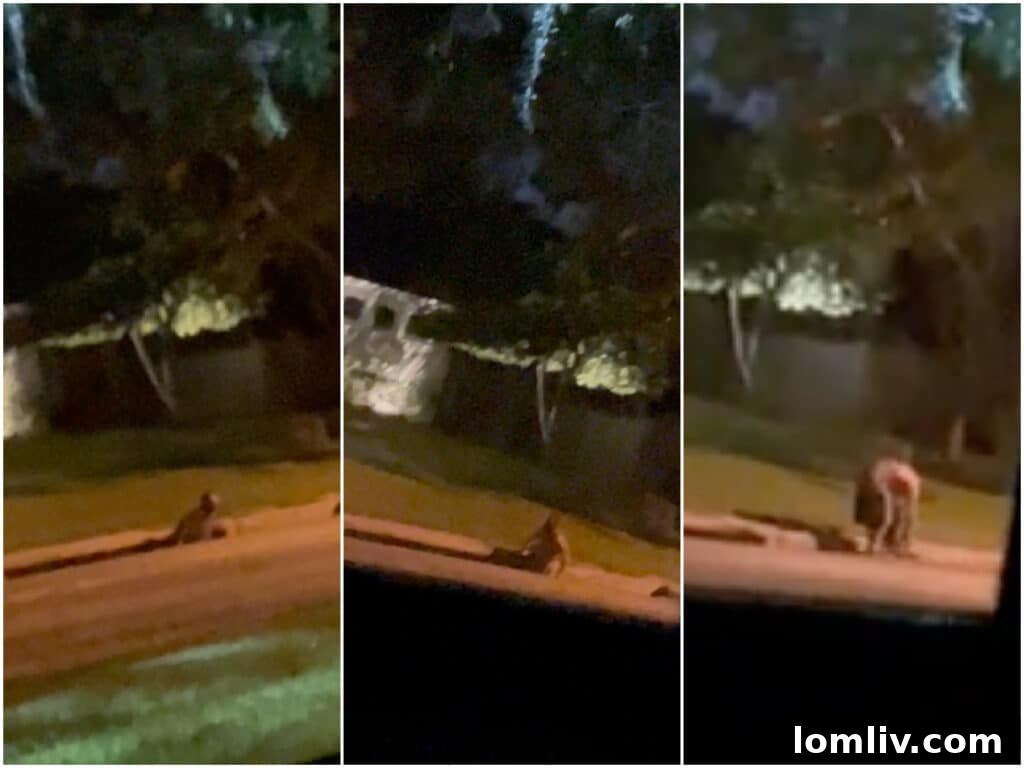
This particular JanMar homeowner was met with a scene that transcended mere surprise, dipping into the realm of the eerie: a man was observed methodically pulling himself out of a storm drain on her otherwise serene street. The sight was startling, not least because it conjured images from popular culture, particularly a certain horror film featuring a clown luring children into the dark recesses of residential drains. However, the reality of this incident was far removed from fiction, pointing instead to a stark, often unseen issue plaguing urban environments.
The Unsettling Emergence: A Glimpse into the Underground
The sequence of events captured by the doorbell camera was both peculiar and poignant. Before the recording began, the man had already tossed his meager belongings out of the drain and onto the asphalt. With a practiced movement that spoke volumes of prior experience, he then carefully shimmied out of the storm drain on his stomach, a slow and deliberate ascent from the subterranean world. Once fully above ground, he calmly gathered his few possessions, packed them with a quiet efficiency, and began to walk slowly up the street, disappearing into the pre-dawn shadows as if his emergence from the earth was an ordinary part of his daily routine. This quiet departure left the resident, and indeed anyone viewing the footage, with a profound sense of unease and a multitude of questions about the individual’s circumstances and the hidden lives that exist beneath our cityscapes.
The Perilous Existence: Life in Storm Drains
The incident in JanMar serves as a stark reminder of the extreme measures some individuals resort to in their struggle for shelter. Living within storm drains, while offering a desperate refuge from the elements or public scrutiny, is fraught with immense danger. Our region, like many parts of Texas, is susceptible to heavy rains, and these subterranean tunnels, designed to channel water away, can quickly become deathtraps during flash floods. The rising water levels can trap unsuspecting inhabitants, leading to tragic outcomes.
Lessons from Las Vegas: A Glimpse into the Underground Community
The phenomenon of people living in storm drains is not unique to Dallas. In Las Vegas, for instance, a shocking number of individuals – estimated to be up to 1,500 people at any given time – reside within the city’s vast storm drain system. These sprawling networks of underground tunnels have become makeshift homes for an invisible community, largely hidden from the bustling city above. Entire documentaries have been produced, shedding light on the harsh realities faced by those living in the dark, damp recesses of Las Vegas’s underground. These stories often recount the harrowing experiences of survival, the bonds formed within these underground communities, and the ever-present threat of nature.
During the Las Vegas Valley’s monsoon season, the dangers become acutely apparent. Homeless individuals trapped in these tunnels have tragically lost their lives as floodwaters surge uncontrollably, transforming their precarious shelters into watery graves. In response to these preventable deaths and to discourage the establishment of encampments, city officials in Las Vegas have taken controversial measures, including sealing several drain covers shut. While intended to deter people from entering these perilous spaces, such actions also highlight the complex ethical dilemmas faced by cities: how to balance public safety with the desperate needs of the homeless population without simply displacing the problem.
The Broader Issue: Understanding Homelessness in Urban America
The JanMar incident, therefore, is not an isolated curiosity but a poignant symptom of a much larger societal challenge: urban homelessness. Beyond the visible street encampments, there exists a significant ‘hidden’ homeless population, seeking refuge in places like storm drains, abandoned buildings, vehicles, or couch-surfing with acquaintances. This hidden dimension makes the true scale of homelessness even harder to ascertain and address effectively.
The causes of homelessness are multifaceted and complex, often stemming from a confluence of factors including economic hardship, lack of affordable housing, mental health issues, substance abuse, domestic violence, and systemic inequalities. For individuals forced into dangerous environments like storm drains, these underlying issues are often compounded by extreme vulnerability and a profound lack of support systems. The unsanitary conditions, exposure to diseases, risk of accidents, and psychological toll of living in such environments further exacerbate their plight, making it incredibly difficult to break the cycle of homelessness without targeted and compassionate intervention.
Dallas’ Response: Navigating Bureaucracy and Empathy
In the wake of the JanMar resident’s discovery, her immediate reaction was to alert local authorities. She promptly notified the City of Dallas about the man emerging from the storm drain on her street, hoping for a swift and comprehensive response. However, the initial feedback from city staff underscored the bureaucratic challenges often encountered when addressing such complex issues.
City staff informed the resident that installing a gate on the storm drain creek on Forest Lane near North Central Expressway was not feasible. Instead, their response was primarily focused on infrastructure maintenance, with a request being sent to another department to repair two storm drains on Malabar Lane where the concrete curb had been chipped away. While crucial for urban infrastructure, this initial reaction highlighted a disconnect between addressing immediate public safety concerns and the underlying human crisis.
Undeterred, the vigilant neighbor escalated the incident, reporting it to the Hillcrest Forest Neighborhood Association (HFNA) and her city council representative, District 11’s Jaynie Schultz. Her proactive engagement demonstrates the vital role community members play in bringing attention to overlooked problems. While she had not observed immediate action, she was assured that the Office of Homeless Solutions (OHS) would be notified – a critical step towards addressing the human element of the situation.
Councilwoman Schultz’s Commitment to Solutions
Daltxrealestate.com reached out to Councilwoman Schultz for her perspective and received a prompt and engaged response, reflecting her office’s dedication to tackling homelessness in District 11 and beyond.
Thank you for reaching out. When we were made aware of this video, we immediately contacted the Office of Homeless Solutions. Additionally, HFNA has reached out to their security team as well. I have offered to host a neighborhood meeting in addition to the Neighborhood Summit at which we discussed the challenge of homelessness and all the steps we are taking.
I have copied OHS to offer their steps as well. It is critical that people make the OHS and their outreach team aware of all cases of homelessness.
Councilwoman Schultz’s response emphasizes a multi-pronged approach: immediate contact with the Office of Homeless Solutions, collaboration with the neighborhood association’s security team, and fostering community dialogue through neighborhood meetings and summits. Her statement underscores a critical message for all residents: the importance of directly reporting instances of homelessness to the OHS and its outreach teams. This direct communication is crucial for ensuring that individuals in need, particularly those in hidden and dangerous circumstances like storm drains, can be identified and offered appropriate assistance.
Towards a Compassionate and Comprehensive Solution
The unusual sighting in JanMar serves as a powerful call to action for the Dallas community. It forces us to confront the uncomfortable reality that while we strive for beautiful neighborhoods and thriving urban centers, there are individuals living in extreme conditions, often just out of sight. Addressing homelessness, particularly the hidden populations in storm drains and other perilous locations, requires more than just reactive measures; it demands a comprehensive, compassionate, and collaborative strategy.
This strategy must encompass several key pillars:
- Robust Outreach Programs: Proactive teams that actively seek out and connect with individuals experiencing homelessness in non-traditional locations.
- Accessible Shelters and Housing First Initiatives: Providing safe, stable housing as a primary step, coupled with supportive services for mental health, substance abuse, and employment.
- Community Education and Engagement: Raising public awareness about the causes and realities of homelessness, fostering empathy, and encouraging residents to report concerns to the appropriate channels like the Office of Homeless Solutions.
- Inter-departmental Coordination: Ensuring seamless collaboration between city departments (e.g., Public Works, Code Compliance, Homeless Solutions) to address both the infrastructure issues and the human needs simultaneously.
- Long-term Prevention: Addressing root causes such as affordable housing shortages, poverty, and healthcare access to prevent individuals from falling into homelessness in the first place.
The JanMar incident, while initially unsettling, offers an invaluable opportunity for reflection and renewed commitment. It reminds us that every individual, regardless of their circumstances, deserves safety, dignity, and a path towards stable living. By working together – residents, neighborhood associations, city officials, and outreach organizations – Dallas can move closer to ensuring that no one is forced to seek shelter in the dangerous depths of a storm drain.