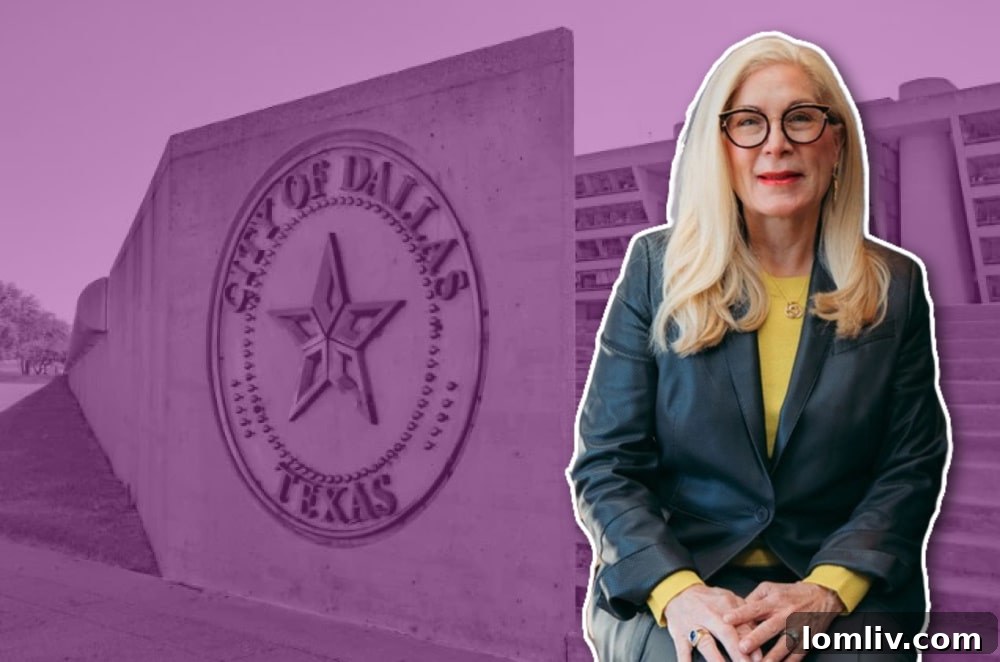
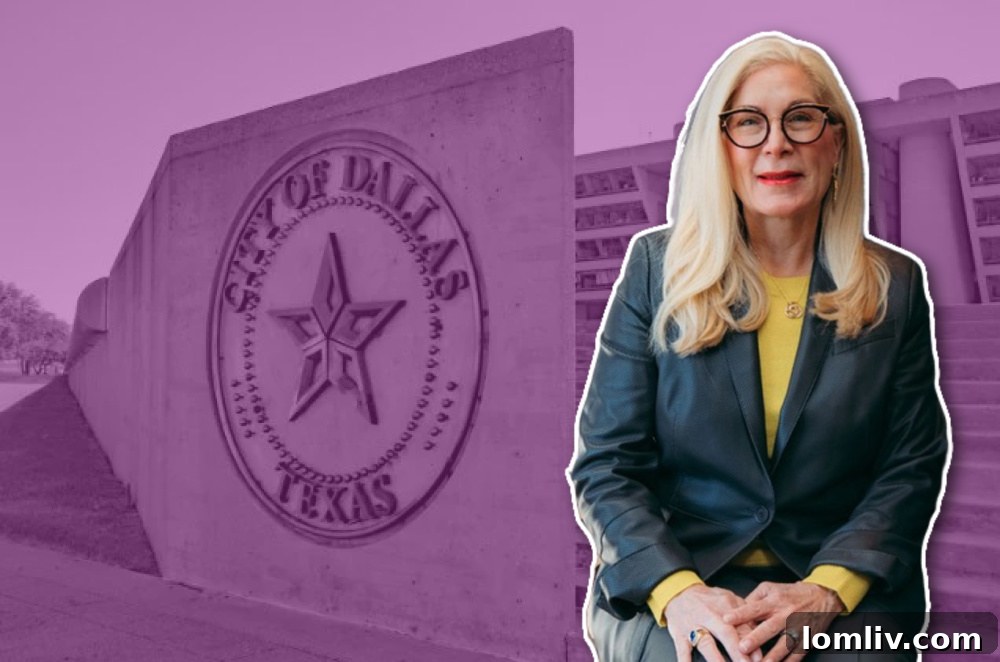
In the dynamic landscape of Dallas politics, the upcoming May 6 Dallas City Council election stands as a pivotal moment for the city’s future. This comprehensive interview features Candace Evans, a prominent candidate for District 11, offering her insights and strategic vision for one of Dallas’s crucial districts. As founder and publisher of daltxrealestate.com, Evans brings a unique perspective shaped by deep engagement with Dallas’s real estate and community development challenges. This discussion, part of a broader series addressing key issues facing the city, provides an in-depth look at her platform, her criticisms of current leadership, and her proposals for fostering sustainable growth, enhancing quality of life, and ensuring transparent governance in District 11. Early voting for this vital election commences on April 24, inviting residents to engage with the critical decisions that will shape Dallas for years to come.
Candidate Spotlight: Candace Evans
Opponent: Incumbent Jaynie Schultz (did not respond to questionnaire)
Question: Why do you believe Dallas consistently attracts corporate relocations and new residents at a higher rate than many other parts of the nation?
Answer: Dallas’s enduring appeal as a prime destination for corporate relocations and new residents is multifaceted, rooted deeply in our economic environment and lifestyle advantages. Primarily, our reputation as a business-friendly city is a significant draw. Compared to many other states, Texas and Dallas specifically impose fewer government-mandated regulations and offer a more favorable tax structure, creating an ecosystem where businesses can thrive without excessive bureaucratic burdens. This proactive stance on economic development signals to corporations that Dallas is a place where innovation and growth are not just encouraged, but actively facilitated. The city’s welcoming attitude towards diverse industries, from technology to finance, also contributes to this vibrant corporate landscape, fostering a rich talent pool and a competitive market.
Furthermore, the allure of Dallas is strongly tied to its housing market, which historically has offered more affordable options compared to major coastal cities. While we are witnessing a rapid shift with housing costs escalating, the relative affordability still presents a compelling value proposition for individuals and families relocating from higher-cost regions. This, combined with our generally mild weather, makes for a very attractive package. Our dynamic real estate market is a significant magnet, drawing in a steady stream of new residents looking for both professional opportunities and an improved quality of life. It’s also undeniable that we are experiencing a demographic shift, with populations from “blue cities” increasingly choosing to relocate to states like Texas. This trend poses intriguing questions about the political evolution of our communities. As these newcomers arrive, it will be fascinating to observe whether they integrate into the existing political fabric or bring with them the policies and perspectives of their previous locales. Ultimately, while Dallas is undeniably a welcoming city, we must remain vigilant in maintaining the highest standards of quality of life, robust infrastructure, and paramount safety for our communities, especially in light of this rapid influx. My campaign for City Council is fundamentally driven by this imperative: to ensure Dallas’s growth is sustainable, equitable, and benefits all its residents, preserving the very qualities that make it so attractive.
Question: Looking ahead, which areas within your district hold the most significant potential for a housing boom over the next few years?
Answer: The most transformative potential for a housing boom in District 11 undeniably lies with the Midtown/Valley View development. If elected, one of my absolute top priorities is to galvanize this crucial project, which has been stalled for far too long. This development alone has the potential to deliver an estimated 10,000 new housing units, addressing nearly half of the city’s identified housing stock needs, according to projections from the Department of Housing at City Hall. This monumental scale is precisely why I am campaigning so vigorously. I find it deeply concerning to witness my opponent’s approach, which I perceive as mismanaging our valuable tax dollars by championing an “International District” concept. This proposed development is envisioned around an aging commercial office building, intended to be anchored by government offices and non-profits, and is further surrounded by dilapidated strip shopping centers. This strategy, in my view, is profoundly misguided, especially given the current climate where commercial real estate values are down approximately 40% and show signs of further decline. It defies logic to believe such a setup would inspire a thriving commercial ecosystem of restaurants, shops, and other vibrant businesses.
Moreover, the adjacent Class C or D low-income housing indicates that the area’s current residents may not possess the high spending levels needed to seed and sustain a new commercial hub. A fully realized Midtown, in stark contrast, has the potential to inject an estimated $20 billion into Dallas tax coffers, representing a significant economic boon. My opponent’s handling of this former shopping mall development has created severe brand confusion, making it incredibly difficult to attract the quality tenants and investment that Midtown truly deserves. Beyond Midtown, we also observe significant development plans for the Preston Road corridor to the north. My opponent has only recently begun to inform the district about these projects, with one specific development projected to increase density from 350 to 1000 units. While growth is necessary, I believe this level of density increase in certain areas might be excessive without proper planning and infrastructure improvements, potentially overwhelming existing communities. We must approach such developments with careful consideration for their long-term impact on our neighborhoods and infrastructure, ensuring they align with the community’s vision and capacity.
Question: What existing or emerging opportunities in your district could position it for significant growth, and how would you actively support these developments?
Answer: My vision for catalyzing significant growth in District 11 always circles back to the Midtown/Valley View area, regardless of its evolving nomenclature. This expansive 340-acre parcel represents an unparalleled opportunity for comprehensive, strategic development and immense promise for our district. The blueprint for Midtown envisions a vibrant, mixed-use community offering a diverse range of housing options, from luxurious residences to solid workforce housing, catering to various income levels. Beyond residential units, plans include a sophisticated luxury hotel, expansive green spaces with a beautiful park, and an interconnected network of trails. Crucially, I see potential in exploring innovative infrastructure solutions, such as covering sections of LBJ Freeway, to create a seamless, park-like pedestrian and cycling path, effectively linking the two historically separated parts of District 11. This ambitious undertaking would not only enhance connectivity but also create a unique amenity that boosts property values and community engagement.
The sentiment among real estate professionals I’ve consulted is consistently one of bewilderment and regret over the underutilization of this corner. They universally view the current stagnation as a profound waste of potential. The protracted conflict between developers and the city, ongoing since 2016, has hindered progress and squandered invaluable opportunities. It is particularly disheartening to hear my opponent publicly declare her unwillingness to engage with developers unless they commit to a predetermined allocation of affordable housing units. While affordable housing is an absolutely critical component of any comprehensive urban plan, dictating terms from a position of non-engagement only exacerbates the stalemate. My approach will be fundamentally different. I believe in fostering open, constructive dialogue with all stakeholders – developers, community leaders, and residents – to find common ground and forge collaborative solutions. By actively mediating and facilitating these discussions, I aim to unlock Midtown’s vast potential, transforming this underutilized asset into a thriving hub that generates economic prosperity, provides diverse housing options, and enriches the quality of life for all residents of District 11. This proactive and collaborative engagement is essential to converting promise into tangible, impactful growth.
Question: How can the City of Dallas improve its redistricting process, and what positive impacts would these improvements have on your district?
Answer: From my perspective, the most recent redistricting process actually brought some positive changes to District 11. It resulted in a more cohesive geographical shape for our district, which in theory should make it easier for residents to identify with their community and for council members to serve it effectively. However, the theoretical benefits have been overshadowed by significant practical challenges, primarily in communication. A considerable number of residents in the newly “redistricted” areas remain unaware of which district they now belong to. This failure in basic communication is unacceptable and highlights a systemic issue within the city’s outreach efforts. The flow of information has been abysmal, with residents only recently receiving substantive reports from our current Councilwoman as re-election campaigns draw near. This reactive, rather than proactive, communication strategy leaves communities feeling disconnected and uninformed.
To fundamentally improve the redistricting process, and more broadly, civic engagement, Dallas desperately needs a robust, city-wide communication system. Specifically, I advocate for the implementation of a comprehensive texting system. This would allow the city to share critical information rapidly and efficiently, especially during pivotal moments such as redistricting transitions, or more urgently, during weather emergencies and other public safety crises. Imagine receiving instant updates about your new district boundaries, voting locations, or vital safety alerts directly to your phone. Such a system would dramatically enhance transparency and ensure that every resident is accurately informed, minimizing confusion and fostering greater civic participation. For District 11, improved communication would mean that all residents, especially those recently added to our district, would quickly understand their new representation, their council member’s priorities, and how to engage with local government. This clarity would empower them to participate more effectively in local governance, voice their concerns, and access the services they need, ultimately strengthening our district’s overall cohesion and democratic health. Transparent and timely communication is not just a convenience; it’s a fundamental pillar of effective local government and a right of every citizen.
Question: How would you cast your vote on the contentious issue of allowing or restricting short-term rentals (STRs) in residential neighborhoods?
Answer: On the matter of short-term rentals (STRs) within residential neighborhoods, my stance is unequivocally against their proliferation. My decision is rooted in a deep understanding of their multifaceted negative impacts on single-family home communities. Primarily, STRs significantly diminish the availability of potential sales properties within a community. Homes that might otherwise be purchased by families looking to establish permanent roots are instead converted into transient accommodations. This reduces the housing stock for long-term residents and can artificially inflate property values, making homeownership less accessible for many. This shift erodes the stable, owner-occupied character of neighborhoods, gradually transforming them into commercial zones rather than residential havens.
Beyond the impact on housing availability, STRs can be profoundly disruptive to the peace and quality of life in single-family communities. The constant rotation of transient occupants often leads to increased noise, parking issues, diminished neighborhood security, and a general lack of accountability that long-term residents naturally provide. Neighbors lose the sense of community that comes from knowing and trusting those who live nearby, replacing it with an unpredictable stream of temporary visitors. Furthermore, and regrettably, the legal landscape surrounding STRs presents a significant challenge. As it stands, there appears to be very little legal room for a middle-ground solution unless a critical Fifth Circuit Court decision is overturned or reinterpreted. This legal precedent currently restricts the ability of local governments to implement nuanced regulations without facing legal challenges, often forcing an all-or-nothing approach. While daltxrealestate.com, as a publication, maintains a neutral stance on this complex topic to ensure balanced reporting, my personal position as a candidate for City Council is clear: the preservation of our residential neighborhoods and the quality of life for their permanent residents must take precedence. Protecting these communities from the commercialization and potential disruptions associated with STRs is a fundamental responsibility of local government.
Question: What is your current assessment of the Public Facility Corporation (PFC) financing structure for multifamily development?
Answer: My assessment of the Public Facility Corporation (PFC) financing structure for multifamily development remains in flux; the jury is still out for me on this particular mechanism. Conceptually, the idea of PFCs certainly looks appealing on paper, promising a pathway to expedite development and potentially deliver much-needed housing. However, I harbor significant reservations, particularly concerning the deployment and oversight of taxpayer dollars. My primary apprehension stems from the fact that these funds, while ostensibly managed for public benefit, are often controlled within entities that are only subject to periodic, rather than continuous and rigorous, scrutiny. This limited oversight raises concerns about transparency, accountability, and the potential for misuse or inefficient allocation of public resources.
Moreover, the prospect of a 75-year tax break for developments utilizing PFC financing strikes me as potentially excessive. While incentives are often necessary to encourage development, such a prolonged exemption could significantly impact the city’s long-term tax base, diverting potential revenues that could otherwise fund essential public services like infrastructure improvements, public safety, or education. It requires a very careful cost-benefit analysis to ensure that the public gain truly outweighs the substantial loss in tax revenue over such an extended period. I acknowledge that many intelligent and respected individuals are endorsing PFCs, which underscores the complexity and perceived benefits of this structure. However, before I can commit to a definitive stance, I believe it is imperative for me to engage in more in-depth discussions with experts, particularly individuals like Senator Paul Bettencourt, who has extensive experience and knowledge in public finance and state legislative oversight. I need to thoroughly dig into the intricacies of their implementation, assess their long-term financial implications for the city, and fully understand the mechanisms in place for public accountability. My commitment is to ensure that any financial strategy adopted by the city truly serves the best interests of Dallas taxpayers and contributes to sustainable, equitable development without compromising fiscal prudence.
Question: How do you plan to enhance engagement with the public and local media if elected?
Answer: As someone deeply rooted in communication—publishing a real estate website, writing extensively, and engaging in frequent public discourse—I consider myself inherently a communicator. Some might even say I talk too much! My entry into this race has undeniably stirred a significant shift in the communication landscape within District 11. My opponent, in what appears to be a reactive measure after two years of what I’ve characterized as a “Sleeping Beauty rest” focused more on DEI-laced political ambitions, has only recently begun to issue “special report” newsletters. These newsletters detail district projects from the previous year, projects about which residents had received no prior communication. Many of these unannounced projects, furthermore, are poised to significantly increase density within our district, a prospect many homeowners vocally oppose. I am already hearing from constituents who report having received zero communication from my opponent over the past two years, which is simply unacceptable for a public servant.
My vow, if elected, is to institute a new standard of openness and accessibility. This includes providing much earlier notice for crucial zoning meetings, ensuring residents have ample time to understand proposals and make their voices heard. Transparency will be paramount: I will commit to video recording all official meetings and making these videos readily available on a dedicated online platform, accessible via YouTube, for easy public review. Crucially, I will ensure that calls to my office are not just answered, but that voicemails are diligently set up and listened to, and that every constituent query receives a timely and respectful response. Promptly responding to reporters is also a non-negotiable aspect of public engagement, fostering a healthy relationship with local media. My goal is to earn the respect and unwavering support of every single taxpayer by demonstrating genuine responsiveness and accountability. I have heard far too many instances of “Jaynie never called us back,” and this will not be the experience with my office. Furthermore, my opponent has, over the past two years, seen at least three different plan commissioners serve in her office. None of these individuals ever responded to inquiries from daltxrealestate.com, highlighting a pattern of unresponsiveness. I will ensure that my city staff is equally accessible to the media and committed to returning phone calls and emails promptly, embodying a truly open and communicative local government.
Question: What are your thoughts on utilizing historic and conservation districts as tools to preserve a neighborhood’s unique character?
Answer: I am an enthusiastic proponent of utilizing historic and conservation districts; I absolutely love them! As an active board member of Preservation Dallas, I hold strong convictions regarding the critical importance of preservation efforts. These districts are invaluable tools for safeguarding the unique architectural heritage, cultural identity, and distinct character that define our neighborhoods. They prevent unchecked development that can erase decades, if not centuries, of history and replace it with generic, soulless structures that strip a community of its soul. Preserving these elements is not merely about aesthetics; it’s about maintaining the narrative of our city, fostering a sense of place, and protecting the investments residents have made in communities they cherish.
My philosophy on this matter is rooted in local empowerment: I firmly believe that neighborhoods themselves should have the primary authority in making decisions about their preservation. This means empowering residents and local community groups to determine what aspects of their area’s character are most important to protect and how best to achieve that. This approach contrasts sharply with top-down mandates from city bureaucracies or distant planners who may not fully grasp the specific nuances and desires of a particular community. When decisions are made at the neighborhood level, they are more likely to be truly reflective of the community’s values and thus more sustainable and effective. My role as a City Council member would be to support and facilitate these neighborhood-driven initiatives, ensuring they have the resources and regulatory frameworks needed to successfully establish and maintain their historic and conservation districts. By doing so, we not only protect our architectural treasures but also foster stronger, more engaged communities that take pride in their unique identities.
Question: What is the appropriate role of a developer in providing affordable housing, and what is the city’s role in this endeavor?
Answer: The question of affordable housing provision requires a nuanced understanding of the distinct roles of developers and the city. Personally, I’m not entirely convinced that the city needs to directly enter the real estate development business itself, which is precisely why my stance on Public Facility Corporation (PFC) projects and similar programs remains cautious. When the city directly engages in real estate, it invariably means public funds are being utilized, and my foremost responsibility as a City Council Member is to be an exceptionally diligent steward of those public funds. My concerns are rooted in historical lessons; had past city councils exercised better stewardship of public funds, we might never have faced the profound pension crisis that impacted our Dallas Police and Fire retirement fund. This serves as a stark reminder of the long-term consequences of fiscal mismanagement and underscores the importance of prudence in all city financial undertakings.
Regarding developers, their primary role is, naturally, to build and innovate within the market. However, they also have a corporate social responsibility to contribute to the overall health and diversity of our housing landscape. The city’s role, therefore, should be to create an environment that incentivizes and facilitates the private sector’s participation in affordable housing solutions, rather than directly competing with it. We may consider offering targeted tax incentives or density bonuses to developers who commit to incorporating a certain percentage of genuinely affordable units into their projects. These incentives must be carefully structured to truly foster stable properties and robust, mixed-income neighborhoods, not just short-term gains. There is always a delicate balance to maintain: encouraging development while ensuring it aligns with the broader community needs and fiscal responsibility. The city should focus on its core functions: efficient zoning, infrastructure development, and establishing clear, predictable regulatory frameworks that encourage private investment in a variety of housing types, including affordable options. This approach leverages the efficiency and innovation of the private sector while ensuring public interests are met through strategic, well-defined incentives and vigilant oversight, thereby avoiding the pitfalls of direct government involvement in an area best served by market dynamics.
Question: Which projects and needs within your district should be prioritized for funding in the 2024 bond program?
Answer: For the 2024 bond program, my priorities for District 11 are clear and focused on long-neglected infrastructure, critical community amenities, and unlocking significant economic potential. At the absolute top of my list is the comprehensive development of the Midtown/Valley View area, including the establishment of Midtown Park. This is not merely a development project; it’s a transformational opportunity that promises immense economic benefits and significantly enhanced quality of life for our residents. Beyond this flagship project, addressing our district’s notoriously substandard alleys and streets is a critical and overdue undertaking. These vital pieces of infrastructure were ostensibly meant to be addressed in past bond programs, yet many remain in disrepair. A thorough investigation into what happened to those allocated funds is essential, followed by a firm commitment to finally complete these long-promised improvements.
Furthermore, any and all park needs within District 11 must be given priority. This includes renovating existing playgrounds that have fallen into disrepair and, crucially, adding new, modern play spaces where they are needed most. Hillcrest Park on Arapaho, for example, stands as a prime illustration of a park that could greatly benefit from renewed investment and the addition of new playgrounds, serving as a vibrant hub for families and children. Beyond these broader categories, I will champion any specific, well-articulated neighborhood needs that emerge from direct community input. Contrary to what my opponent might suggest, securing a piece of the bond pie does not necessitate a “special relationship” with other council members. I actually have excellent working relationships with many Dallas City Council members, built on mutual respect and a shared commitment to effective governance. However, my primary and unwavering focus will always be on advocating for and supporting the specific needs and priorities of District 11. That, unequivocally, is Job One: to ensure our district receives its fair share of vital bond funding to address our most pressing infrastructure, park, and development requirements, fostering a stronger, more vibrant community for all its residents.