Every week, the detail-oriented folks at Green Scene Home Inspections will give Daltxrealestate.com readers an education in inspection. Want to see what they see? Tune in for “Upon Closer Inspection.”
The winter of 2021 brought unprecedented challenges to many regions, particularly those unaccustomed to extreme freezing temperatures, transforming “Snowpocalypse” from a joke into a stark reality for homeowners. As communities grappled with rolling power outages, snow, and ice, the aftermath highlighted a critical need for enhanced preparedness and understanding of how severe cold impacts residential properties. While life, and indeed real estate, continues despite such disruptions, the ability to conduct thorough home inspections becomes significantly hindered. At Green Scene Home Inspections, we understand the urgency, but safety and accuracy remain our top priorities. This guide explores the unique challenges of home inspections during and after a freeze, offering crucial insights for damage assessment and future prevention.
When extreme winter weather strikes, a standard home inspection often cannot proceed as usual. Road conditions, obviously, pose a significant barrier, making travel unsafe for inspectors. More importantly, the freezing temperatures themselves limit our ability to safely and accurately evaluate critical home systems. Running water through a potentially frozen sprinkler or plumbing line could exacerbate damage, turning a minor issue into a major rupture. Similarly, heating and cooling systems cannot be fully assessed if power is out or if external units are encased in ice. Our commitment is to provide a comprehensive report, and certain conditions simply prevent that level of detail. Understanding these limitations is the first step towards mitigating damage and preparing for future cold snaps.
Navigating Sprinkler System Damage and Prevention
Sprinkler systems are highly vulnerable to freezing temperatures due to their extensive network of water-filled pipes and exposed sprinkler heads. Proper management before, during, and after a freeze is crucial to prevent costly repairs.
During a Freeze: Inspection Limitations and Immediate Risks
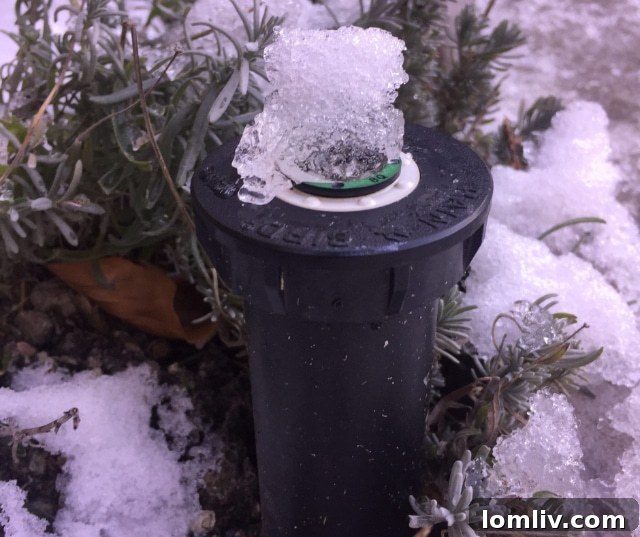
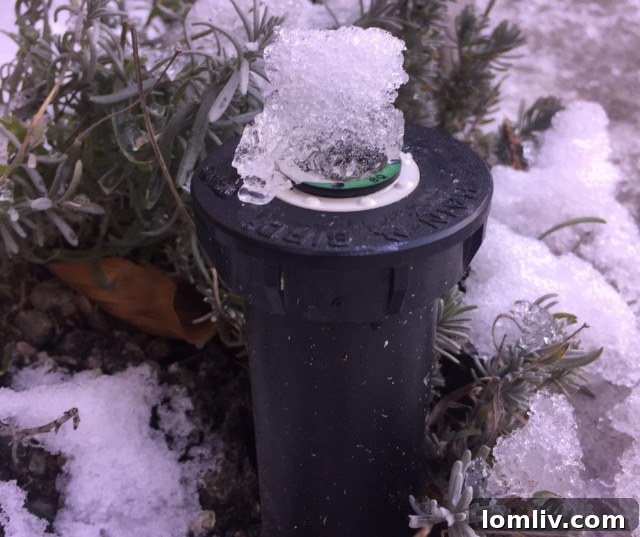
During freezing conditions, it is inherently unsafe and ill-advised to test a sprinkler system. Introducing additional water into lines that may already be frozen solid can lead to significant pipe bursts as the ice expands further. This immediate risk prevents inspectors from activating the system for evaluation. If your sprinkler system was not properly winterized, meaning all water was drained from the lines, you are at high risk of experiencing frozen lines. As water turns to ice, it expands with immense force, capable of cracking PVC pipes, damaging sprinkler heads, and compromising the system’s integrity. The image above clearly illustrates a frozen sprinkler head, a common sight after severe cold exposure.
After a Freeze: Thorough Assessment and Testing Protocols
Once temperatures consistently rise above freezing, it’s time to assess the damage. However, patience is key. We recommend waiting at least 72 consecutive hours of above-freezing temperatures before attempting to test your sprinkler system. This duration ensures that any ice remaining in the lines has completely melted, minimizing the risk of further damage during activation. Inspectors will be looking for signs of distress, such as malfunctioning heads that may not pop up or spray correctly, visible leaks at connection points, or unusually soggy spots in your lawn, which could indicate a hidden broken line underground. A professional post-freeze inspection can identify compromised components and outline necessary repairs, from replacing individual heads to repairing burst main lines.
Next Time: Proactive Winterization Strategies
The most effective defense against freeze damage for your sprinkler system is proper winterization in the fall, typically when you stop watering for the season. This process involves several critical steps:
- Manual Drain Method: For systems with manual drain valves, simply open all the valves to allow water to gravity drain from the pipes. Ensure all zones are drained thoroughly.
- Automatic Drain Method: Some modern systems have automatic drain valves that open when the pressure drops. Confirm these are functioning correctly.
- Blow-Out Method: This is the most comprehensive method, especially for regions prone to deep freezes. A professional uses an air compressor to force all water out of the lines. This requires specific equipment and expertise to avoid damaging the system with excessive air pressure, so it’s often best left to a qualified technician.
- Insulate Backflow Preventers: These devices, often located above ground, should be wrapped with insulation or a specialized cover to prevent them from freezing and bursting.
Protecting and Repairing Swimming Pools from Freeze Damage
Swimming pools, with their complex plumbing, pumps, and expansive water bodies, are also highly susceptible to freeze damage. Prevention and proper post-freeze assessment are paramount.
During a Freeze: Operational Measures and Immediate Actions
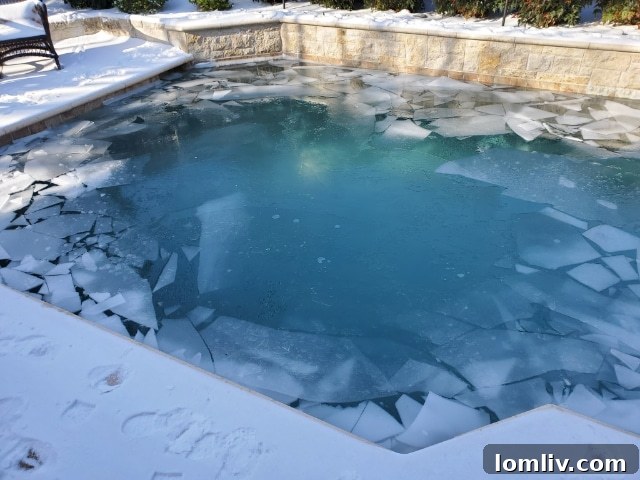
Similar to sprinkler systems, inspecting pool equipment during a freeze is often not feasible or safe. The primary goal during a freeze is to prevent the pool water from freezing solid and damaging the pool structure and equipment. If possible, keep your pool equipment running continuously. Moving water is significantly less likely to freeze than stagnant water, helping to maintain circulation through pumps, filters, and heaters. If power outages occur or equipment cannot be run, it’s crucial to break up any ice that forms on the pool’s surface. Allowing a solid sheet of ice to form can exert immense pressure on the pool walls, tiles, and coping, leading to structural cracks. Floating pressure-absorbing objects, such as logs, rubber tires, or empty plastic bottles, in the water can help to absorb this expanding ice pressure, distributing it more evenly and reducing stress on the pool’s interior surfaces. The image provided illustrates a pool in Frisco, TX, after proactive measures were taken to break up ice formations.
After a Freeze: Comprehensive Damage Assessment
Once the freezing temperatures have passed, a thorough inspection of your pool is essential. Begin by visually checking for cracks in the pool’s decking, the pool walls (plaster or liner), tiles, and any brickwork or coping around the pool’s perimeter. Pay close attention to the skimmers and returns, as these are often points of vulnerability. Next, inspect all pool equipment – the pump, filter, heater, and any automated systems – for visible cracks, leaks, or signs of stress. A critical step is to have a professional pool service perform a leak detection test. This specialized service can accurately determine whether any underground pool lines have burst or developed leaks, which are often not immediately apparent. Before you resume regular use of your pool, it is highly recommended to have all pool equipment professionally serviced. This ensures any hidden damage or malfunctions caused by the freeze are identified and repaired, preventing further issues and ensuring safe operation.
Next Time: Effective Pool Winterization Strategies
Proactive pool winterization is the best way to safeguard your investment. There are various methods, ranging from basic to comprehensive, depending on your climate and pool type:
- Covering the Pool: A solid winter cover protects the water from debris and helps maintain chemical balance.
- Keeping the Pump Running: As mentioned, continuous circulation can prevent freezing. Ensure all pipes and equipment are also insulated.
- Lowering Water Levels: For some winterization methods, lowering the water level below the skimmer and return lines allows for draining of these vulnerable components.
- Blowing Out Lines: Similar to sprinkler systems, a professional can use compressed air to remove all water from the pool’s plumbing lines, then plug them to prevent water re-entry.
- Removing & Storing Equipment: Detach and store sensitive equipment like filters, pumps, and heaters in a warm, dry place if feasible.
- Chemical Balancing: Adjust pool chemicals to prevent algae growth and scale during the dormant period.
Plumbing System Integrity: Post-Freeze Inspections and Prevention
Among all household systems, plumbing is arguably the most critical and vulnerable during a freeze, with burst pipes leading to extensive and costly water damage. Understanding which pipes are most at risk and how to protect them is essential for every homeowner.
During a Freeze: Identifying Vulnerable Pipes and Immediate Protections
The pipes most susceptible to freezing and bursting can be categorized:
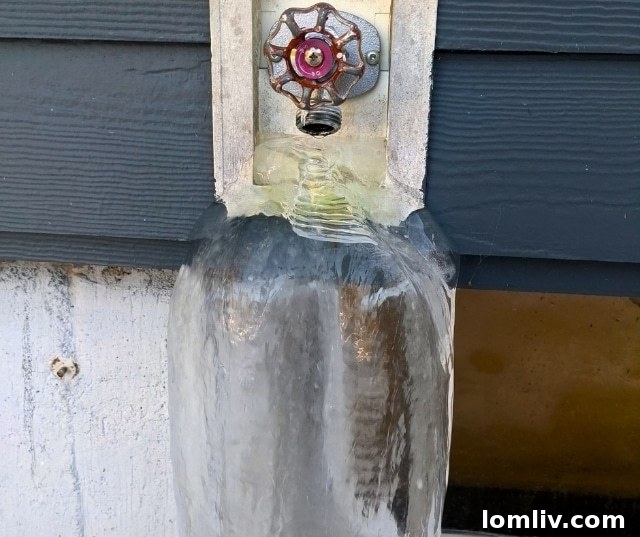
- Exposed Outdoor Pipes: This includes hose bibs, garden faucets, and any external lines feeding pool equipment or sprinkler systems. These are directly exposed to frigid air.
- Interior Pipes in Unheated Areas: Spaces like attics, crawl spaces (common in pier-and-beam homes), garages, and basements often lack sufficient heating or insulation, leaving pipes vulnerable to indoor temperatures dropping below freezing.
- Pipes Near Exterior Walls: Even within heated parts of the home, pipes running directly inside exterior walls receive less insulation and are more exposed to external cold.
During a freeze, immediate action is necessary to protect your plumbing. You should insulate any accessible interior and exterior pipes using foam pipe sleeves or heat tape. Additionally, keep a few indoor faucets (especially those furthest from the main water supply) dripping slowly. This constant, albeit small, flow of water relieves pressure in the pipes and makes it harder for water to completely freeze. Opening cabinet doors under sinks in kitchens and bathrooms allows warmer room air to circulate around pipes. Disconnecting and draining outdoor hoses is also critical. If you turn on a faucet and only a trickle or no water comes out, it’s a strong indication you have a frozen pipe. Immediately investigate pipes near exterior walls and where the water line enters your home through the foundation.
After the Freeze: Identifying and Addressing Burst Pipes
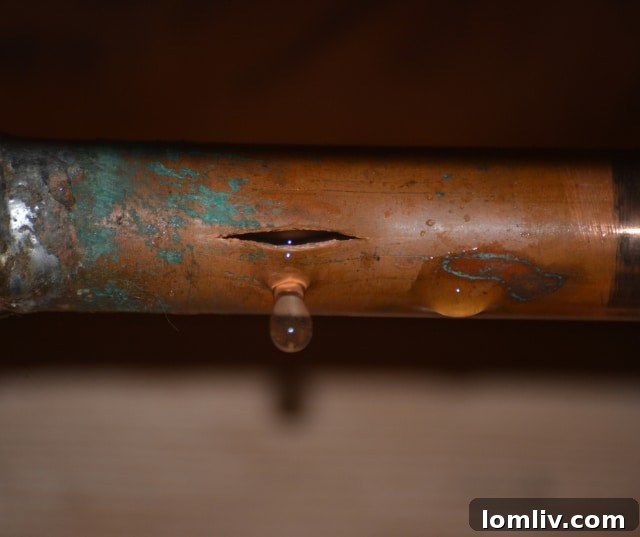
Once temperatures rise and the thaw begins, the real danger of burst pipes becomes apparent. As ice melts, the pressure it exerted on the pipe is released, and if the pipe cracked, water will begin to flow out. Inspectors will meticulously check for all signs of damage caused by burst pipes: visible water leaks, damp or stained walls, sagging ceilings, buckled floors, and lingering musty odors. They will use specialized tools like moisture meters to detect hidden moisture behind walls or under flooring, which can indicate a leak that isn’t immediately visible. It’s crucial to identify the source and extent of water damage promptly to prevent mold growth and further structural issues. If a pipe has burst underneath shower tiles or floors, it might still be possible to repair it without tearing up extensive finished surfaces, particularly if there is an alternative access point, such as an adjacent sheetrock wall that can be carefully cut and patched. The comprehensive inspection report provided by Green Scene Home Inspections will help you understand the full scope of the damage, distinguishing between cosmetic issues and more serious structural or plumbing compromises, enabling you to make informed decisions about necessary repairs and mitigation strategies.
The lessons learned from extreme winter weather events, like the “Snowpocalypse” of 2021, underscore a vital truth: preparedness is paramount. In a new reality where catastrophic freezes are increasingly possible, homeowners must arm themselves with knowledge and adopt proactive strategies for home protection. Beyond addressing immediate repairs from burst pipes and damaged systems, it’s about making fundamental changes to how we prepare our homes for winter. This includes ensuring adequate insulation in attics and crawl spaces, sealing air leaks around windows and doors, maintaining HVAC systems, and knowing how to shut off your main water supply in an emergency. By understanding the vulnerabilities of our homes and taking preventative measures, we can better safeguard our investments, minimize future damage, and ensure the safety and resilience of our living spaces. Green Scene Home Inspections is here to provide the insights you need to navigate these challenges and build a more resilient home.