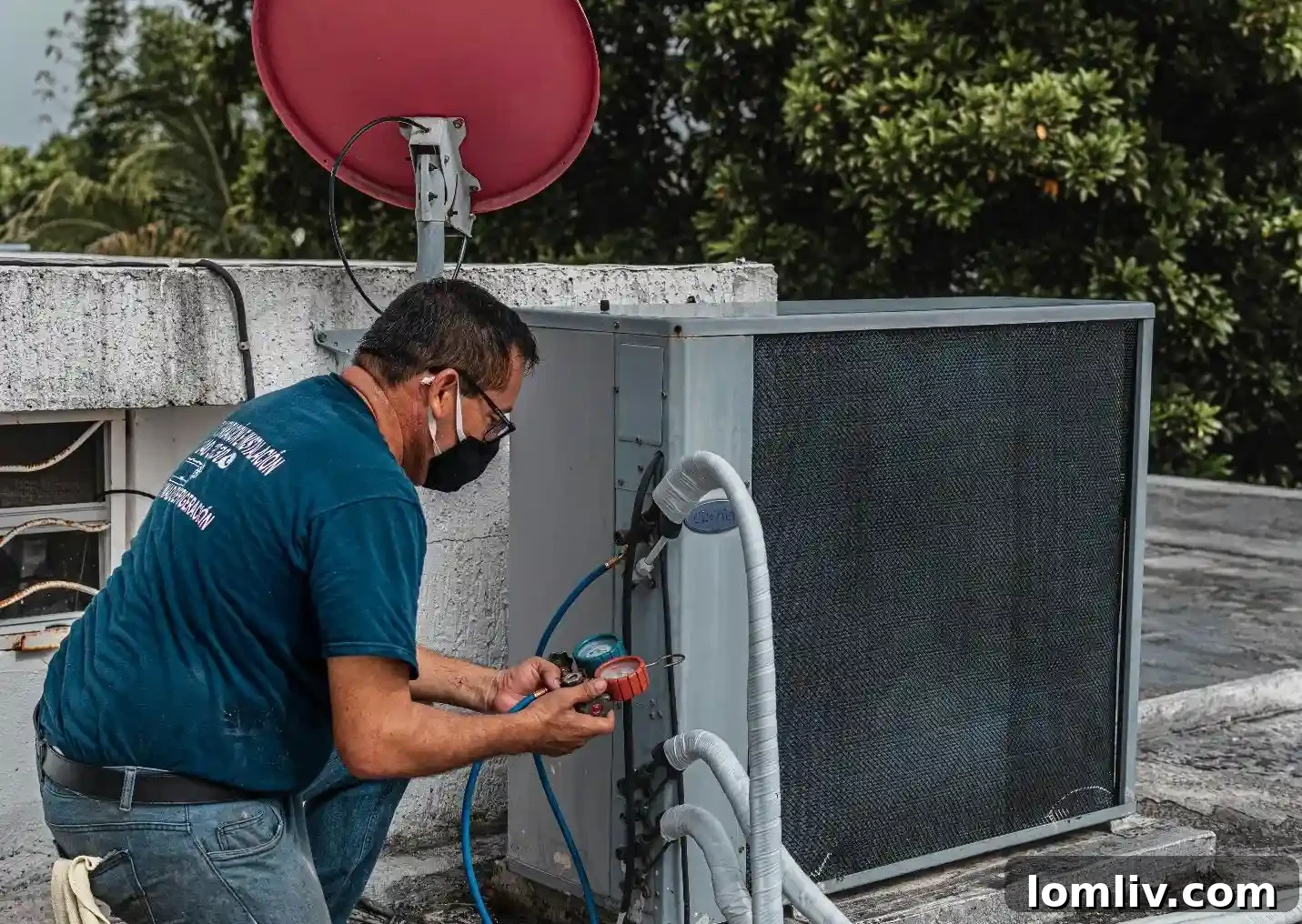
Imagine this: the sweltering heat of summer or the biting chill of winter, and despite your HVAC system running tirelessly, your home remains stubbornly uncomfortable. This scenario is all too familiar for homeowners, especially in regions like Sacramento, known for its dramatically hot summers and surprisingly cold winters. Over time, even the most robust HVAC units can begin to show signs of wear, leading to a host of problems that undermine their ability to maintain optimal indoor comfort and efficiency.
Many of these issues are straightforward enough for a vigilant homeowner to spot and, in some cases, even resolve with a bit of DIY know-how. Others, however, necessitate the skilled hand of a professional technician. Being well-informed about these common HVAC pitfalls can empower you to act quickly, potentially saving you significant time, money, and frustration down the line. A proactive approach to understanding and addressing these concerns ensures your home remains a sanctuary regardless of the weather outside.
In this comprehensive guide, we’ll delve into some of the most prevalent common HVAC issues that homeowners encounter. More importantly, we’ll equip you with practical, actionable tips on how to identify these problems and, where feasible, even perform preliminary repairs. Our goal is to demystify HVAC troubles, giving you the confidence to manage your home’s climate control system more effectively and efficiently.
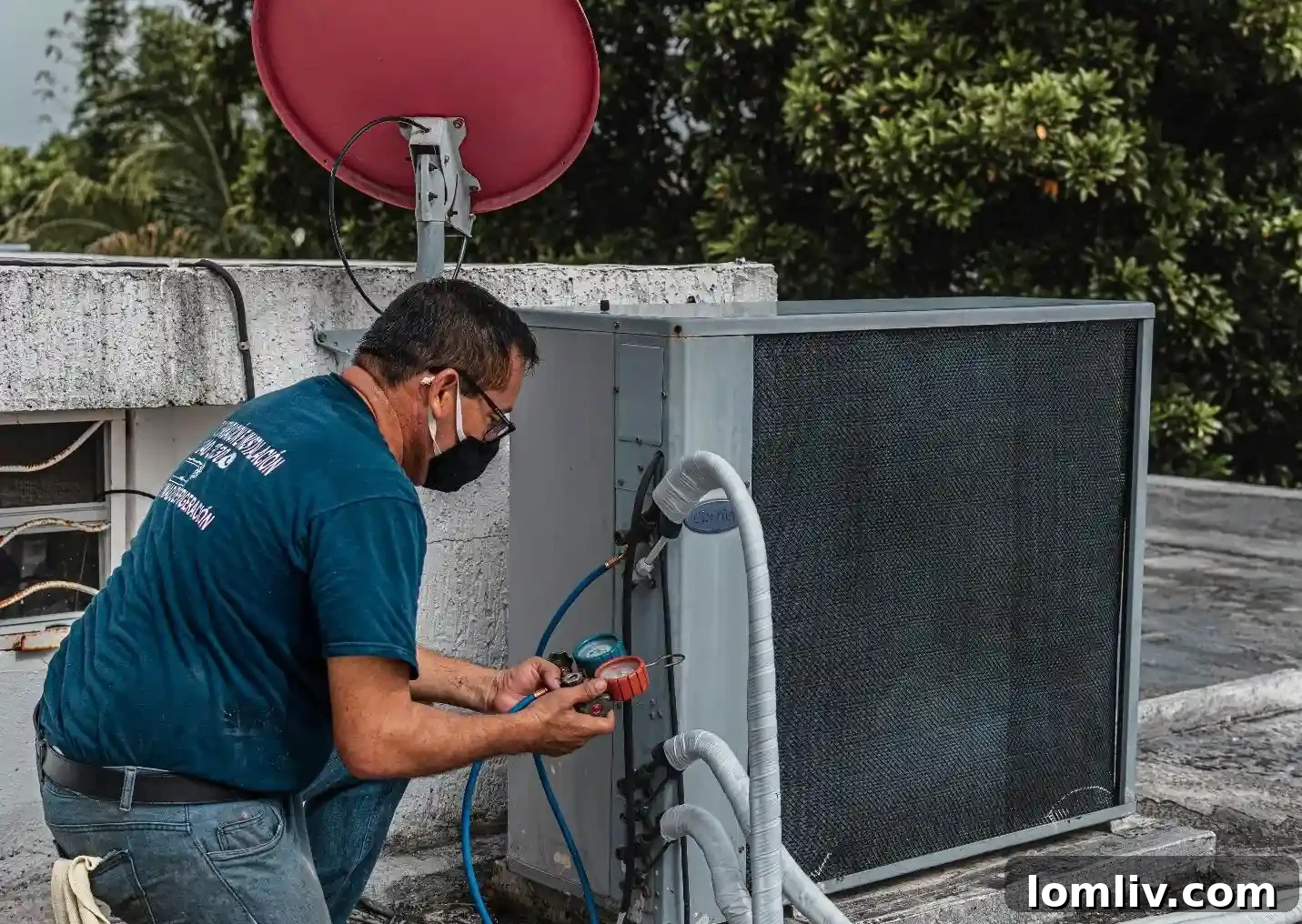
1. Battling Uneven Temperatures Across Your Home
One of the most frustrating HVAC problems homeowners face is inconsistent temperatures from room to room. You might step from a perfectly cool living room into a surprisingly stuffy bedroom, or vice-versa. This uneven distribution of heating or cooling is a tell-tale sign that your HVAC system isn’t circulating air as it should be. The primary function of an HVAC unit is to maintain a uniform climate throughout your entire living space, and when it fails at this, comfort suffers significantly.
Several factors can contribute to this imbalance. The most common culprits include dirty air filters that restrict airflow, blocked or closed supply and return vents, and even flaws in your home’s ductwork, such as leaks or improper insulation. Sometimes, the issue can be as simple as furniture obstructing a vent, or as complex as an incorrectly sized HVAC system for your home’s layout. Using the right HVAC tools can help in diagnosing these issues, ensuring a more balanced and comfortable environment.
DIY Troubleshooting Tips:
- Check and Replace Air Filters: This is often the quickest and easiest fix. A clogged filter severely impedes airflow, forcing your system to work harder and distribute air poorly. Aim to check them monthly and replace them every 1-3 months, depending on usage and household conditions (pets, allergies).
- Inspect Vents: Ensure all supply and return vents are open and unobstructed. Furniture, rugs, or decorative items can inadvertently block these crucial pathways, preventing conditioned air from reaching certain areas or stale air from being removed.
- Examine Ductwork (Visually): While not always easy, a visual inspection of accessible ductwork in attics, basements, or crawl spaces can reveal obvious leaks or disconnected sections. Even small gaps can lead to significant air loss and temperature discrepancies. Consider using mastic sealant or foil tape for minor leaks.
- Consider Zoned Systems: For persistent issues in larger homes or those with diverse heating/cooling needs, a zoned HVAC system can provide independent temperature control for different areas, offering a more permanent solution to uneven temperatures.
Addressing uneven temperatures not only enhances comfort but also improves system efficiency, reducing wasted energy and extending the lifespan of your unit. Regular preventative maintenance plays a crucial role in keeping your system balanced and effective.
2. Strange Noises Emanating from Your HVAC Unit
Your HVAC system should operate with a relatively low hum; anything more unusual than that demands attention. Banging, rattling, squealing, grinding, or whistling noises are all distinct red flags indicating that something is amiss within your unit. Ignoring these auditory warnings can lead to more significant damage and costly repairs down the road.
The type of sound often provides clues about the underlying problem. A high-pitched squealing sound might indicate a worn-out fan belt or motor bearings. Rattling could point to loose panels, debris inside the unit, or a loose fan blade. Banging often suggests a problem with the compressor or a component coming loose. Grinding noises usually signal worn motor bearings, while a persistent clicking could be an electrical issue or a failing relay.
DIY Troubleshooting Tips & Professional Assistance:
- Listen Carefully: Try to pinpoint where the sound is coming from (indoor unit, outdoor unit, or ductwork) and note the specific type of noise. This information will be invaluable whether you’re fixing it yourself or explaining it to a technician.
- Check for Debris: Safely turn off the power to your unit. Visually inspect the outdoor condenser unit for leaves, twigs, or other debris that might be interfering with the fan blades. For the indoor unit, check around the blower fan.
- Tighten Loose Screws/Panels: Sometimes, rattling noises are simply due to loose access panels or screws. Carefully tighten any you find.
- Lubricate Bearings (if accessible): If you hear squealing, and you’re comfortable with minor mechanical tasks, some older fan motors have lubrication ports that can be serviced. Always consult your owner’s manual first.
If you’re unsure or uncomfortable performing these checks, or if the noise persists after basic troubleshooting, it’s time to call in the experts. For residents in the area, considering HVAC repair in Sacramento, CA, is a wise move. Skilled technicians possess the diagnostic tools and expertise to quickly identify the source of these noises and perform the necessary repairs safely and efficiently, preventing minor issues from escalating into major system failures.
3. Identifying and Resolving Poor Airflow Throughout the Home
When your HVAC system feels like it’s merely whispering a breeze instead of delivering a consistent flow of conditioned air, you’re experiencing poor airflow. This issue forces your system to work harder, consuming more energy and leading to higher utility bills, all while failing to provide adequate indoor comfort. Weak or inconsistent airflow can make your home feel stuffy, hot, or cold, even when the thermostat settings are appropriate.
The consequences of restricted airflow extend beyond just discomfort and increased costs. An overworked blower motor or compressor can wear out prematurely, leading to expensive repairs or even a full system replacement. Moreover, insufficient air circulation can contribute to poor indoor air quality, as filters become less effective at trapping pollutants.
Common Causes and Solutions for Poor Airflow:
- Clogged Air Filters: This is arguably the most frequent culprit. A heavily soiled filter creates a formidable barrier, severely restricting the volume of air that can pass through the system. Regularly replacing or cleaning your air filter is the simplest and most effective way to maintain optimal airflow.
- Blocked or Closed Vents: As mentioned earlier, vents are the gateways for conditioned air. Ensure all supply and return vents are open, clean, and free from any obstructions like furniture, drapes, or debris.
- Malfunctioning Blower Motor: The blower motor is responsible for pushing air through your ductwork. If it’s weak, damaged, or experiencing electrical issues, it won’t be able to move air efficiently. A professional technician can diagnose and repair or replace a faulty blower motor.
- Ductwork Leaks or Blockages: The duct system is essentially the circulatory system of your HVAC. Leaks, cracks, or disconnected sections in the ducts can cause significant air loss before it ever reaches your living spaces. Additionally, accumulated dust, debris, or even pest infestations can create blockages within the ducts. An HVAC professional can inspect your ductwork, perform air sealing, and clean out any obstructions.
- Incorrectly Sized Ductwork: In some cases, the ductwork itself might be improperly designed or sized for your home’s needs, leading to inherent airflow problems that require professional assessment and modification.
Proactive attention to airflow issues ensures your HVAC system operates at peak efficiency, keeping your home comfortable and your energy bills in check.
4. Troubleshooting Common Thermostat Problems
Your thermostat is the brain of your HVAC system, dictating when it should turn on, off, and what temperature to maintain. When this crucial component malfunctions, it can lead to a cascade of problems, making it seem like your entire HVAC system is broken. Thermostat issues can range from simple battery problems to more complex wiring or calibration faults.
Signs of a Faulty Thermostat:
- Inaccurate temperature readings (e.g., thermostat says 70°F, but the room feels much hotter or colder).
- The HVAC system doesn’t respond to temperature changes you set.
- The system runs constantly or doesn’t turn on at all, regardless of the setting.
- The thermostat screen is blank or displays error messages.
- Frequent short cycling (system turning on and off rapidly).
DIY Troubleshooting Steps for Your Thermostat:
- Check Settings: Ensure your thermostat is set to the correct mode (Heat, Cool, Auto) and that the fan is set to “Auto” (unless you want continuous circulation). Double-check the desired temperature setting.
- Replace Batteries: For battery-powered thermostats, dead or weak batteries are a very common cause of malfunction. This simple fix can resolve many issues instantly.
- Clean the Thermostat: Dust and debris can accumulate inside the thermostat, especially older mercury-switch models, interfering with its sensors. Gently clean the interior with a soft brush or compressed air (after turning off power).
- Check Circuit Breaker: If your thermostat is hardwired, ensure the circuit breaker for your HVAC system hasn’t tripped.
- Reset the Thermostat: Many modern thermostats have a reset button or a specific procedure to return to factory settings. Consult your owner’s manual for instructions.
If these steps don’t resolve the issue, you might be dealing with more complex problems like faulty wiring, a broken sensor, or a defective unit. In such cases, it’s often more beneficial to consider an upgrade. Installing a programmable or smart thermostat can significantly enhance energy efficiency, provide superior monitoring capabilities, and offer much better home comfort management through features like remote control, learning capabilities, and zoning options. While solving a problem, it also brings your home into the modern era of climate control. Problems with the HVAC system often begin with this central control unit.
5. Addressing Frequent Cycling On and Off (Short Cycling)
When your HVAC system turns on, runs for a short period, and then shuts off, only to repeat the cycle again and again, it’s known as short cycling. This isn’t just annoying; it puts immense strain on your system’s components, particularly the compressor and blower motor, leading to accelerated wear and tear, decreased efficiency, and significantly higher energy bills. A healthy HVAC system should typically complete longer, more consistent cycles to effectively condition your home.
Primary Causes of Short Cycling:
- Dirty Air Filter: A clogged filter restricts airflow, which can cause the system to overheat and shut down prematurely as a safety measure.
- Low Refrigerant Levels: For air conditioning systems, low refrigerant due to a leak can cause the evaporator coil to freeze up. This ice buildup restricts airflow and causes the unit to short cycle or even shut down completely.
- Oversized System: Ironically, an HVAC system that is too large for your home can also lead to short cycling. It cools or heats the space too quickly, satisfies the thermostat, and then shuts off before completing a full cycle. This results in less effective dehumidification (for AC) and poor air distribution.
- Faulty Thermostat: As discussed, a miscalibrated or malfunctioning thermostat can send incorrect signals to the HVAC unit, causing it to cycle erratically.
- Dirty Outdoor Unit (Condenser): If the outdoor coil is covered in dirt and debris, it can’t release heat effectively, leading to overheating and premature shutdown.
Actionable Solutions:
- Replace or Clean Air Filters: This is always the first step. A clean filter ensures proper airflow and helps prevent many other issues.
- Clean the Outdoor Unit: Safely power down your system and gently spray down the condenser coils with a hose to remove dirt and debris.
- Inspect for Refrigerant Leaks: If you suspect low refrigerant (indicated by reduced cooling, ice on coils, or hissing sounds), this is not a DIY fix. Refrigerant handling requires a licensed professional due to environmental regulations and safety concerns. You’ll need consultations with an expert for proper diagnosis and repair of the leak, followed by a refrigerant refill.
- Consult for System Sizing: If your system has always short cycled, even when new, it might be an issue of improper sizing. An HVAC specialist can assess your home’s load requirements and recommend long-term solutions, which could include system modifications or, in some extreme cases, replacement.
Addressing short cycling promptly is vital for extending the life of your HVAC system, improving its efficiency, and ensuring consistent comfort within your home. Ignoring it will inevitably lead to more significant breakdowns and higher operational costs.
6. Understanding and Reducing High Energy Bills from Your HVAC
A sudden or gradual spike in your energy bills, especially during peak heating or cooling seasons, often points to an inefficient HVAC system. While utility rates can fluctuate, a significant increase that doesn’t align with your usage habits is a strong indicator that your system is working harder than it should, potentially due to one or more underlying issues. Identifying and addressing these inefficiencies is crucial for both your wallet and the environment.
Key Contributors to High Energy Bills and Their Solutions:
- Dirty Air Filters: As highlighted repeatedly, a clogged filter is a primary culprit for inefficiency. Your system has to exert more effort to pull air through the obstruction, leading to increased energy consumption. Regularly replacing or cleaning filters is a simple, cost-effective solution.
- Ductwork Leaks: Leaky ducts can waste up to 30% of your conditioned air before it even reaches your living spaces. This means your system is cooling or heating air that simply escapes into unconditioned areas like attics or crawl spaces. Sealing leaks with mastic sealant or professional-grade foil HVAC tape can significantly improve efficiency. Professional duct sealing is often recommended for comprehensive coverage.
- Poor Insulation: Insufficient insulation in your walls, attic, and crawl spaces allows conditioned air to escape and outside air to infiltrate, making your HVAC system work overtime to maintain the desired temperature. Upgrading insulation can provide substantial, long-term energy savings.
- Old, Inefficient System: If your HVAC unit is over 10-15 years old, it’s likely operating at a much lower efficiency rating (SEER for AC, AFUE for furnaces) than modern units. While the initial investment is significant, replacing an aging system with a new, high-efficiency model can lead to substantial savings on energy bills over its lifespan.
- Thermostat Misuse/Malfunction: Improper thermostat programming, or a faulty thermostat (as discussed in point 4), can cause your system to run unnecessarily or inefficiently. Utilizing programmable or smart thermostats effectively, setting back temperatures when you’re away, can drastically reduce energy consumption.
- Blocked Outdoor Unit: A dirty or obstructed outdoor condenser unit cannot effectively release heat, causing the compressor to work harder and consume more power. Regularly clearing debris around the unit ensures proper airflow and heat exchange.
By proactively addressing these areas, you can significantly reduce your energy consumption, lower your utility bills, and ensure your HVAC system runs as efficiently as possible.
7. Identifying and Eliminating Bad Odors Coming from the HVAC System
Unpleasant smells emanating from your HVAC vents are not just a nuisance; they can be indicators of underlying issues that range from mild annoyances to serious health or safety concerns. Identifying the type of odor can often help pinpoint the problem.
Common HVAC Odors and Their Meanings:
- Musty/Moldy Smell: This is a classic sign of mold or mildew growth within your ductwork, evaporator coil, or drain pan. This often occurs when there’s excess moisture that isn’t draining properly. It’s not just unpleasant; mold spores can trigger allergies and respiratory issues.
- Burning Smell (Plastic/Electrical): A burning odor, especially one resembling burning plastic or wiring, is a serious concern. It could indicate an electrical fault, an overheating motor, or a component burning out. This requires immediate attention and often necessitates shutting down the system and calling a professional to prevent fire hazards.
- Dirty Sock Smell: This distinctive, foul odor often points to bacterial growth on the evaporator coil, especially common in humid climates or after the system has been idle. It’s similar to mold but has a more pungent, stale smell.
- Stale/Dusty Smell: Usually occurs when the heating system is first turned on after a period of dormancy, burning off accumulated dust on the heat exchanger. This is usually harmless and dissipates quickly. If it persists, inspect for excessive dust in vents or filters.
- Sewer Gas Smell: While less common, this can indicate a dry P-trap in your condensate drain line, allowing sewer gases to enter your home through the HVAC system. Pouring a cup of water down the condensate drain can often resolve this.
- Chemical/Fruity Smell: This could potentially indicate a refrigerant leak, which carries a distinct chemical or sweet, fruity odor. If you suspect this, immediately call a professional, as refrigerant leaks can be harmful.
Troubleshooting Bad Odors:
- Replace/Clean Air Filters: Dirty filters can harbor mold, dust, and bacteria, contributing to bad odors.
- Inspect for Mold/Debris: With a flashlight, look into your ventilation openings and check the area around your indoor unit (furnace/air handler) and condensate drain pan for visible mold or debris. Clean visible mold with a diluted bleach solution if it’s easily accessible and minor.
- Clean Condensate Drain: Ensure the condensate drain line is clear and flowing freely to prevent water buildup that leads to mold.
- Immediate Action for Electrical Odors: If you smell burning plastic or electrical components, immediately shut off your HVAC system at the thermostat and the circuit breaker. Do NOT run the system and call an HVAC technician immediately.
Regular maintenance, including professional duct cleaning and coil inspection, can prevent most odor problems and ensure cleaner, healthier indoor air quality.
8. What to Do When Your HVAC System Fails to Turn On
Few things are more frustrating than your HVAC system completely refusing to power on, especially when you desperately need heating or cooling. While this can seem like a major catastrophe, many causes are surprisingly simple to troubleshoot before you resort to calling a professional.
Step-by-Step Troubleshooting When Your HVAC Won’t Start:
- Check Your Thermostat:
- Batteries: If your thermostat runs on batteries, replace them, even if the display looks fine.
- Settings: Ensure the thermostat is set to the correct mode (Heat/Cool) and that the temperature setting is below (for cooling) or above (for heating) the current room temperature.
- Fan Setting: Make sure the fan setting isn’t just on “OFF.” Try setting it to “ON” to see if just the fan operates.
- Reset: Many smart thermostats have a reset option. Consult your manual.
- Inspect the Circuit Breaker:
- Go to your electrical panel (breaker box).
- Look for tripped breakers. They are usually in the “middle” position or clearly labeled “OFF.”
- Flip the breaker for your furnace/air handler and outdoor unit (condenser) completely to the “OFF” position, then firmly back to the “ON” position. Sometimes, a breaker trips silently.
- Safety Note: Never override a continuously tripping breaker without professional diagnosis. It indicates an electrical fault.
- Check for Emergency Shut-Offs:
- Furnace Switch: Near your indoor furnace unit, there’s usually a standard light switch labeled “Furnace” or “HVAC.” Ensure it’s in the “ON” position. This is often accidentally flipped.
- Outdoor Disconnect: Near your outdoor condenser unit, there’s often a small metal box with a pull-out disconnect or a switch. Ensure it’s in the “ON” position or fully inserted.
- Condensate Drain Safety Switch: If your condensate drain line is clogged, a safety float switch can trigger, shutting down the system to prevent water overflow. Check the drain pan for water. If full, clear the clog and the system should reset.
- Inspect Outdoor Unit:
- Ensure the outdoor unit isn’t iced over, which can prevent it from starting or running efficiently.
If, after performing these checks, your HVAC system still fails to turn on, it’s highly likely there’s a more complex electrical issue, a major component failure (like the motor or capacitor), or a control board problem. These situations require the specialized knowledge and tools of a licensed HVAC technician for safe and effective diagnosis and repair.
9. Understanding and Addressing Leaking Refrigerant
Refrigerant is the lifeblood of your air conditioning system (and heat pump), responsible for absorbing heat from your home and releasing it outside. A refrigerant leak is a serious issue that directly impacts your HVAC system’s cooling performance, increases energy consumption, and can pose environmental and health risks. Unlike a car’s oil, refrigerant is not “consumed” by the system; if levels are low, it’s always due to a leak.
Key Signs of a Refrigerant Leak:
- Reduced Cooling Capacity: The most obvious sign is that your home isn’t getting as cool as it should, or the system runs continuously without reaching the set temperature.
- Ice Buildup on Coils: If you see ice forming on the evaporator coil (indoor unit) or the refrigerant lines (both indoor and outdoor), it’s a strong indicator of low refrigerant, which causes the coil to get too cold.
- Hissing or Bubbling Sounds: A persistent hissing sound might indicate a larger leak, while bubbling can suggest a leak in the condensate pan or drain line, or even low refrigerant.
- Higher Energy Bills: An AC system with low refrigerant has to work much harder to achieve even minimal cooling, leading to a noticeable spike in electricity usage.
- Sweet, Chemical Odor: Some people report a sweet, sometimes fruity chemical smell when a refrigerant leak is present, although refrigerants are often designed to be odorless.
Why Refrigerant Leaks are Serious:
- Environmental Harm: Refrigerants are potent greenhouse gases that contribute to climate change if released into the atmosphere.
- Health Risks: Inhaling large quantities of refrigerant can be dangerous and cause dizziness, nausea, and even asphyxiation in poorly ventilated spaces.
- System Damage: Running an AC system with low refrigerant can severely damage the compressor, which is often the most expensive component to replace.
Action for Refrigerant Leaks:
Unlike some other HVAC issues, addressing refrigerant leaks is definitively NOT a DIY task. Due to the hazardous nature of refrigerants and stringent environmental regulations (like the EPA’s Section 608 certification requirements), only a licensed, certified HVAC professional is legally and safely equipped to handle refrigerant. A technician will:
- Locate the Leak: Using specialized equipment (leak detectors), they will find the exact source of the leak.
- Repair the Leak: Small cracks can sometimes be patched, or components with larger leaks may need to be replaced.
- Recharge the System: After repairing the leak, they will evacuate the system (remove air and moisture) and then recharge it with the appropriate type and amount of refrigerant.
Regular maintenance is paramount in preventing refrigerant leaks. During routine tune-ups, technicians can identify potential weak spots in coils and lines, catch minor leaks early, and ensure your system is operating with optimal refrigerant levels, thus avoiding expensive repairs and ensuring your system runs efficiently and safely for years to come.
Conclusion: Proactive Care for Lasting Home Comfort
Your HVAC system is undeniably one of your home’s most vital assets, tirelessly working year-round to provide consistent comfort. Understanding the common problems that can afflict these complex systems and being equipped with the knowledge to identify and, where appropriate, address them early can literally save you thousands of dollars in expensive repairs and countless hours of frustration due to unexpected breakdowns.
While many minor issues can be resolved with a bit of DIY effort and regular maintenance, it’s crucial to recognize the limits of homeowner intervention. Not all problems are self-diagnosable or safe to fix without professional training and specialized tools. For persistent issues, strange electrical odors, suspected refrigerant leaks, or any problem that makes you uncomfortable, seeking expert help from a qualified HVAC technician is not just recommended, it’s essential. Professionals ensure the job is done correctly, safely, and in compliance with all regulations, protecting both your home and your investment.
By embracing a proactive approach to HVAC maintenance – regular filter changes, keeping vents clear, listening for unusual noises, and scheduling annual professional tune-ups – you can significantly extend the lifespan of your system, enhance its efficiency, and ensure reliable comfort throughout every season. Investing in the health of your HVAC system is an investment in the long-term comfort, safety, and value of your home.