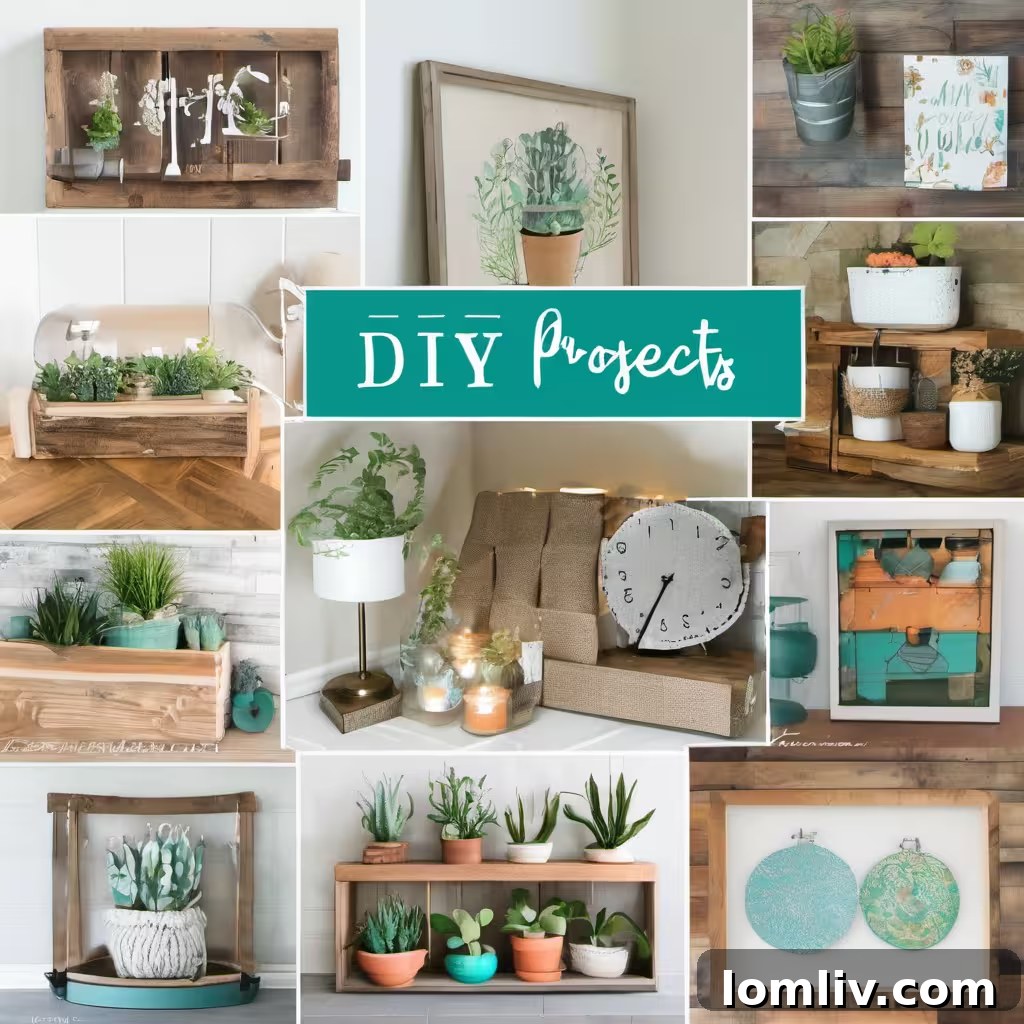
As a homeowner, you’ve likely encountered the recurring challenge of unexpected expenses. It often feels like there’s always something demanding professional attention, whether it’s a necessary repair or an overdue update. However, the reality is that a significant number of these tasks can be tackled without the need to hire costly professionals. Embracing the spirit of DIY (Do-It-Yourself) not only offers substantial financial savings but also provides immense satisfaction and a deeper connection to your living space.
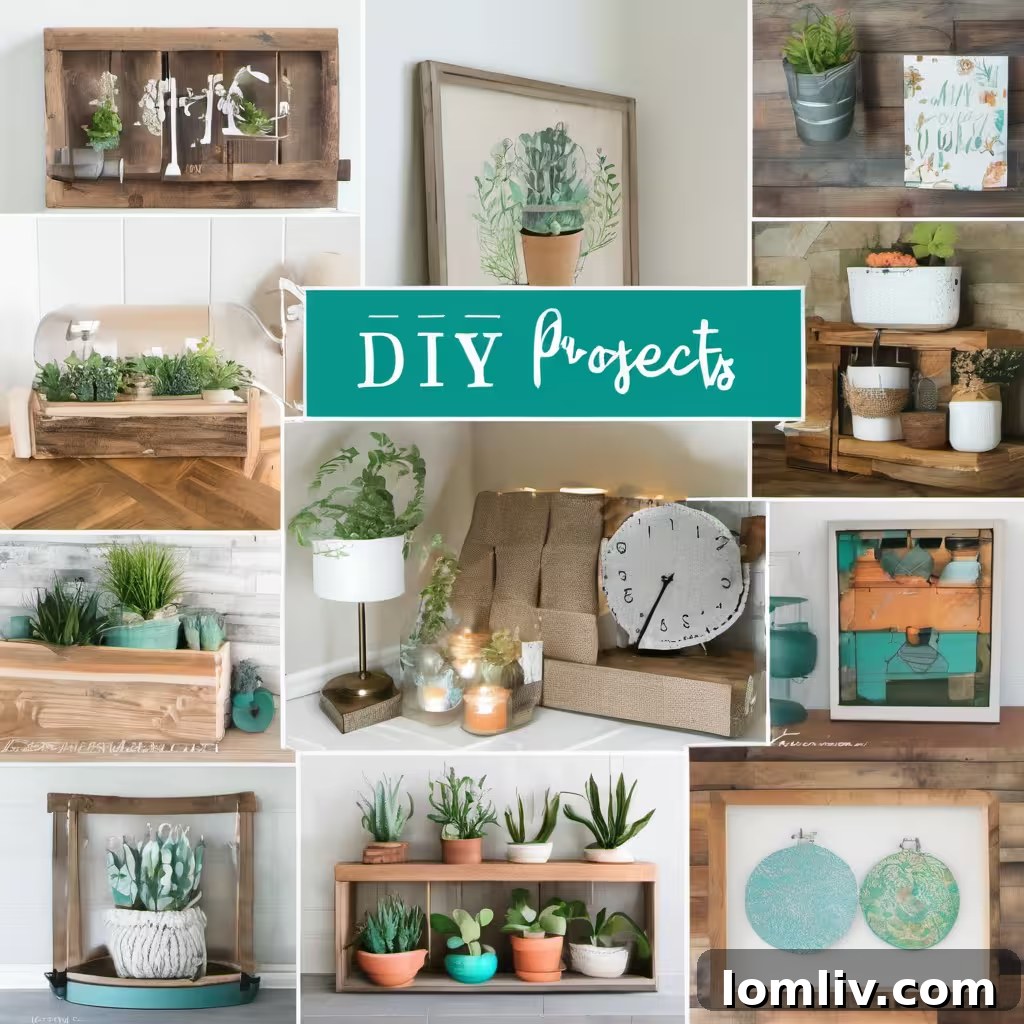
Even if your skill set is limited, there are numerous DIY projects that are perfectly within your reach. With a few basic tools, some practical guidance, and a willingness to learn, you can confidently undertake various home improvement tasks. This approach not only keeps more money in your wallet but also rewards you with a tangible sense of accomplishment and pride. In this comprehensive guide, we’ll explore several accessible DIY projects designed to help you save a considerable amount of money while enhancing the beauty and functionality of your home.
1: Installing Modern Flooring Solutions
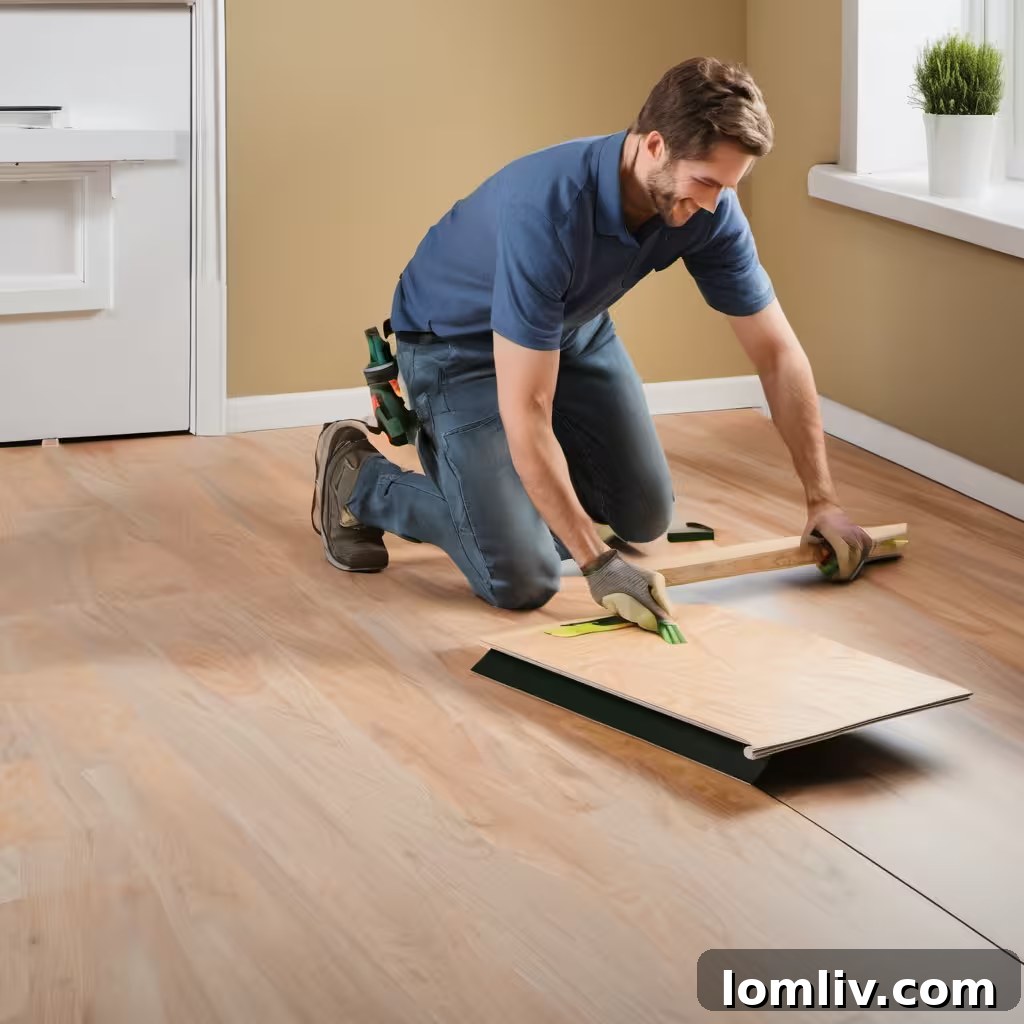
The idea of installing new flooring can seem incredibly daunting, often pushing homeowners towards professional installers. However, advancements in flooring technology have made certain materials exceptionally DIY-friendly, even for beginners. Laminate and luxury vinyl plank (LVP) flooring are prime examples, offering durability, aesthetic appeal, and straightforward installation processes that anyone can master.
These modern flooring options, particularly high-quality laminate flooring, are excellent choices for first-time DIYers. They are engineered to be tough, resilient against moisture, and often mimic the natural look and feel of real wood or stone, providing a premium finish without the premium price tag or installation complexity.
Why Choose Laminate or LVP for DIY Flooring?
- Ease of Installation: Many come with click-lock systems, eliminating the need for messy glues or nails.
- Durability: Designed to withstand heavy foot traffic, scratches, and spills, making them ideal for busy households.
- Affordability: Significantly less expensive than hardwood, ceramic tile, or natural stone, both in material cost and labor.
- Versatility: Available in a vast array of styles, colors, and patterns to match any home decor.
- Maintenance: Simple to clean and maintain, requiring just regular sweeping and occasional mopping.
Step-by-Step Flooring Installation Guide:
- Preparation is Key: Begin by thoroughly cleaning your subfloor. Ensure it is flat, dry, and free of debris. Small imperfections can be addressed with leveling compound. Unlike traditional flooring, laminate and LVP often do not require the removal of existing flooring, provided it’s stable and flat.
- Lay the Underlayment: Install a thin, cushioned underlayment material. This layer serves multiple purposes: it helps reduce noise, provides a moisture barrier, and offers a bit of comfort underfoot. Simply roll it out and trim it to fit, taping seams as recommended by the manufacturer.
- Start Laying Planks: Begin in one corner of the room. Lay the first plank with the tongue side facing the wall, ensuring a proper expansion gap (usually 1/4 to 3/8 inch) around the perimeter using spacers.
- Click and Lock: Connect subsequent planks by angling them into the previous one and gently pressing down or tapping with a rubber mallet and tapping block until they lock securely into place.
- Measuring and Cutting: As you reach the end of a row or encounter obstacles like doorframes, you’ll need to measure and cut planks to fit. A utility knife (for LVP) or a miter saw/jigsaw (for laminate) can make precise cuts. Always measure twice and cut once!
- Stagger Joints: To create a professional and stable look, ensure that the end joints of adjacent rows are staggered by at least 6 inches. This also distributes weight more evenly and prevents weak points.
- Finishing Touches: Once all planks are laid, remove the spacers. Install baseboards or shoe molding to cover the expansion gap and provide a clean, finished edge.
By taking on flooring installation yourself, you not only save hundreds or even thousands of dollars in labor costs but also gain valuable experience and a beautifully refreshed home interior.
2: Elevating Ambiance with Lighting Upgrades

Lighting plays a pivotal role in setting the mood, enhancing functionality, and defining the aesthetic of any room. Updating your home’s lighting doesn’t require complex electrical work; many impactful changes can be achieved with simple DIY projects. From installing dimmer switches to replacing outdated fixtures, these upgrades can dramatically transform your living space.
The Power of Dimmer Switches
One of the easiest and most effective lighting upgrades is the installation of dimmer switches. These simple devices allow you to control the intensity of your lights, enabling you to create diverse ambiances—from bright and energizing to soft and relaxing—all with the flick of a switch. This low-effort project offers a significant return in terms of comfort and versatility.
How to Install a Dimmer Switch Safely:
- Prioritize Safety: Before touching any electrical components, always turn off the power to the switch at your home’s main circuit breaker. Use a non-contact voltage tester to confirm the power is off at the switch.
- Gather Tools and Materials: You’ll need a screwdriver (flathead and Phillips), wire strippers (if wires need re-stripping), and your new dimmer switch, ensuring it’s compatible with your lighting type (e.g., LED, incandescent).
- Remove the Old Switch: Carefully unscrew and remove the existing switch plate and then the switch itself from the electrical box. Note how the wires are connected (usually one hot wire in, one hot wire out to the light, and a ground wire). Take a photo for reference if unsure.
- Connect the New Dimmer: Following the dimmer’s instructions, connect the wires. Typically, this involves connecting the dimmer’s wires to the corresponding wires in the wall using wire nuts. The ground wire (bare copper or green) should always be connected.
- Secure and Test: Gently push the wires back into the electrical box, screw the dimmer switch into place, and attach the new wall plate. Restore power at the circuit breaker and test your new dimmer switch.
Beyond Dimmer Switches: Other Easy Lighting Enhancements
- Replacing Light Fixtures: Swapping out an old, dated light fixture for a new, stylish one can instantly modernize a room. As long as you’re replacing a fixture with a similar type (e.g., ceiling light for ceiling light), the wiring connections are typically straightforward: connect like-colored wires (black to black, white to white, ground to ground).
- Installing Smart Bulbs: For an even simpler upgrade, replace your existing bulbs with smart LED bulbs. These can be controlled via an app on your smartphone, offering dimming, color changes, and scheduling features without any wiring work.
- Adding Under-Cabinet Lighting: Enhance functionality and ambiance in your kitchen or workspace with adhesive LED strip lights or puck lights. Many options are battery-powered or plug-in, requiring no electrical expertise, providing task lighting and a warm glow.
- Upgrading to LED Bulbs: Simply replacing old incandescent or CFL bulbs with energy-efficient LED alternatives will save you money on electricity bills, last significantly longer, and often provide better quality light.
These lighting projects are not just about aesthetics; they contribute to energy efficiency and create a more comfortable, versatile home environment. Remember, always prioritize safety by turning off the power before beginning any electrical work.
3: Modernizing Your Bathroom with Hardware Updates
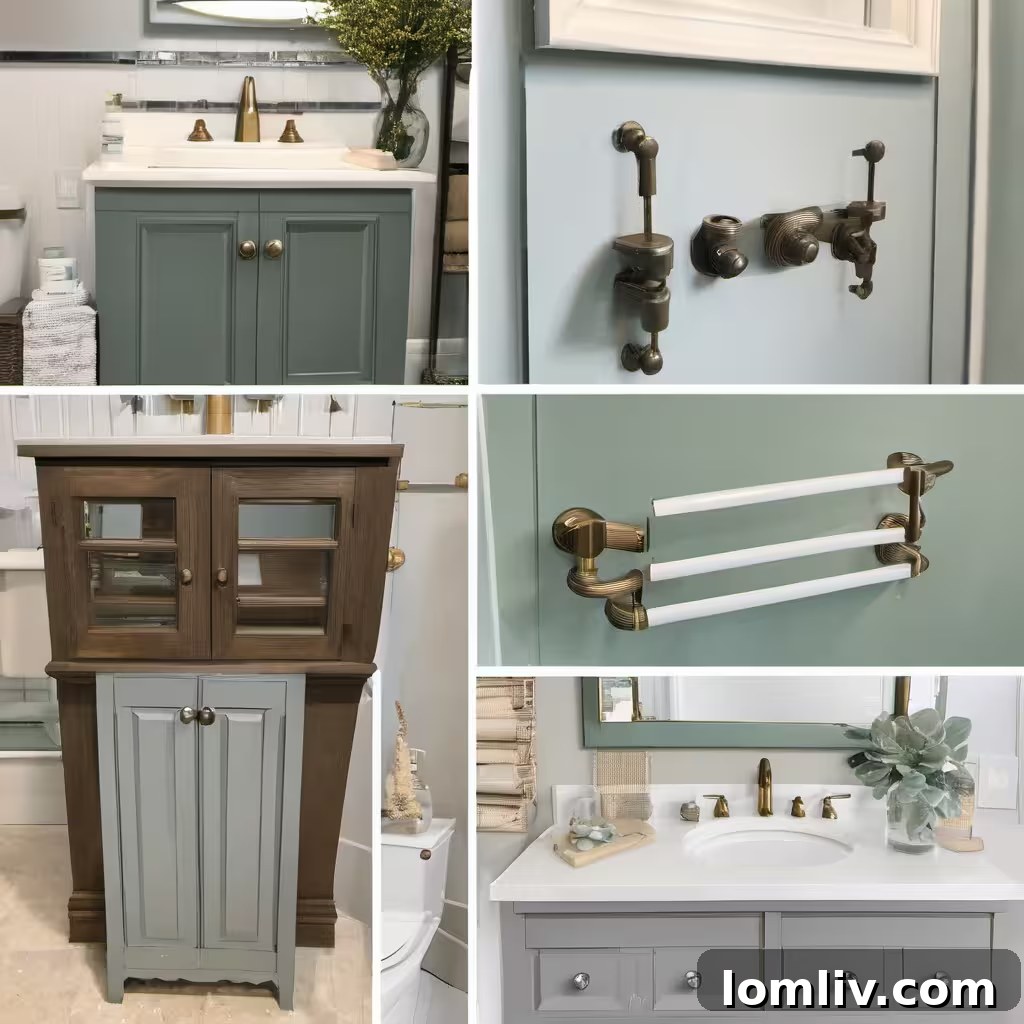
A full bathroom remodel can be expensive and time-consuming, but you don’t need to tear down walls to give your bathroom a fresh, modern look. One of the most impactful and budget-friendly DIY transformations you can undertake is updating your bathroom hardware. By simply swapping out items like faucet handles, towel bars, toilet paper holders, cabinet knobs, and even showerheads, you can achieve a significant aesthetic upgrade that makes the entire space feel renewed.
Transformative Power of Small Changes:
- Unified Style: Choose a consistent finish (e.g., matte black, brushed nickel, polished chrome) for all your hardware to create a cohesive and sophisticated look.
- Modern Appeal: Outdated brass or tarnished fixtures can make a bathroom feel old. New, sleek hardware instantly elevates the design.
- Improved Functionality: Sometimes, new hardware also means improved function, such as a more efficient showerhead or easier-to-grip cabinet pulls.
Detailed Guide to Replacing Bathroom Hardware:
Replacing Faucet Handles:
- Turn Off Water Supply: Crucially, locate the shut-off valves under the sink and turn them clockwise to cut off the hot and cold water supply to prevent leaks. Turn on the faucet to drain any remaining water.
- Remove Old Handles: Depending on your faucet type, you’ll typically find a small screw (often hidden under a decorative cap) holding the handle in place. Use a screwdriver or an Allen wrench to loosen and remove these screws. Gently pull off the old handles. For single-handle faucets, you might need to remove the cap and then the screw underneath.
- Clean and Install New Handles: Use an old toothbrush and some cleaner to scrub away any grime or mineral deposits around the faucet base. Place the new handles onto their respective stems, ensuring they are correctly oriented. Secure them with the provided screws, taking care not to overtighten.
- Restore Water and Test: Turn the water supply back on slowly and check for any leaks. Test the new faucet handles for smooth operation.
Swapping Towel Bars, Rings, and Toilet Paper Holders:
These fixtures are generally very straightforward to replace. Most are attached to the wall with screws, often hidden under a base plate or decorative cover.
- Remove Old Fixtures: Use a screwdriver to remove the mounting screws. If the old fixture used wall anchors, you might need to gently pry them out or push them into the wall.
- Prepare for New Fixtures: If the new hardware uses the same mounting holes, great! If not, you may need to patch the old holes with spackle, sand, and repaint. Mark the new drilling locations (using a level for straightness), drill pilot holes, and insert new wall anchors if necessary.
- Install New Hardware: Attach the new mounting brackets to the wall, then secure the new towel bar or holder onto the brackets according to the manufacturer’s instructions.
Updating Cabinet Knobs and Pulls:
This is arguably the simplest bathroom hardware upgrade.
- Unscrew Old Hardware: Most knobs and pulls are secured with a single screw from the inside of the cabinet door or drawer. Simply unscrew them.
- Install New Hardware: If the new hardware fits the existing holes, just screw them into place. If you’re switching from a knob to a pull that requires two holes, you’ll need to fill the old hole, drill new ones (using a template for accuracy), and then install the new pulls.
Replacing the Showerhead:
- Gather Tools: You’ll need an adjustable wrench, pipe tape (PTFE tape), and your new showerhead.
- Remove Old Showerhead: Unscrew the old showerhead counter-clockwise using your hands or an adjustable wrench. Protect the finish of your shower arm by wrapping it with a cloth if using a wrench.
- Prepare for New Showerhead: Clean any old sealant or tape from the shower arm threads. Wrap the threads of the shower arm clockwise with 2-3 layers of pipe tape.
- Install New Showerhead: Hand-tighten the new showerhead onto the shower arm. Once hand-tight, give it another quarter to half turn with the wrench (again, protect the finish if needed). Don’t overtighten.
- Test for Leaks: Turn on the shower and check for any leaks at the connection point.
With these straightforward hardware updates, your bathroom will not only look significantly more appealing but also feel more modern and inviting.
4: Refreshing Your Walls with a New Coat of Paint

Few DIY projects offer as dramatic a transformation for a relatively low cost and effort as painting a room. A fresh coat of paint can instantly brighten a space, update its style, and even make a room feel larger or cozier. It’s a project that requires attention to detail rather than specialized skills, making it perfect for almost any homeowner looking to make a significant impact.
Why Painting is a Top DIY Choice:
- Instant Impact: A new color can completely change the mood and perceived size of a room.
- Cost-Effective: Paint and supplies are relatively inexpensive compared to other renovation projects.
- Protective Layer: Paint protects your walls from wear and tear, and some paints offer enhanced durability or mold resistance.
- Personal Expression: It’s an opportunity to infuse your personal style and creativity into your home.
Comprehensive Guide to Painting a Room:
1. Preparation is Paramount:
- Clear the Room: Remove all furniture or move it to the center of the room and cover it with plastic sheeting. Take down wall decor, switch plates, and outlet covers.
- Clean Walls: Wash walls with a mild cleaner (like TSP substitute) to remove dirt, grease, and grime. Rinse thoroughly and allow to dry completely.
- Repair Imperfections: Fill any nail holes or small cracks with spackle. Once dry, sand smooth. For larger holes, use joint compound or wall patch kits.
- Tape Off Areas: Use high-quality painter’s tape to protect trim, baseboards, window frames, and ceilings (if not painting them). Press firmly to create a tight seal.
- Lay Drop Cloths: Cover your floors with canvas or plastic drop cloths to protect them from spills and drips.
2. Choosing the Right Materials:
- Paint Type: For most interior walls, water-based (latex) paint is easy to work with and clean up. Oil-based paints are more durable but have strong fumes and require mineral spirits for cleanup.
- Sheen/Finish:
- Flat/Matte: Hides imperfections well, non-reflective, good for low-traffic areas.
- Eggshell/Satin: Slight sheen, more durable and washable, popular for living areas and bedrooms.
- Semi-Gloss/Gloss: Very durable and washable, high sheen, ideal for kitchens, bathrooms, trim, and doors.
- Primer: Use a primer if you’re painting over a dark color with a light one, painting new drywall, or covering stains. Some paints are “paint-and-primer-in-one,” but a dedicated primer often yields better results.
3. The Painting Process:
- Cut In: Using an angled paintbrush, “cut in” along the edges of ceilings, baseboards, doorframes, and corners. Apply paint in a smooth, consistent line. This creates a neat border for your roller.
- Roll the Walls: Load your roller evenly with paint. Start by painting in a “W” or “M” pattern, then fill it in with straight, overlapping strokes. Work in small sections, from top to bottom, keeping a wet edge to avoid lap marks.
- Apply Multiple Coats: Most rooms require two coats of paint for a rich, even color. Allow the first coat to dry completely (check manufacturer’s instructions, usually 2-4 hours) before applying the second.
4. Cleanup and Finishing:
- Remove Tape: While the second coat is still slightly damp (but not wet), carefully pull off the painter’s tape at a 45-degree angle. This helps prevent paint from peeling with the tape.
- Clean Tools: Clean brushes and rollers immediately with warm, soapy water for latex paint.
- Inspect and Touch Up: Once dry, inspect your work. Touch up any small spots or imperfections.
Painting a room is a rewarding DIY project that empowers you to personalize your home and enjoy a refreshed living environment without professional help.
5: Tackling Common Minor Plumbing Fixes

While major plumbing issues undeniably require a licensed professional, many everyday plumbing nuisances are surprisingly easy to fix yourself. Learning how to handle common problems like leaky faucets, clogged drains, or running toilets can save you hundreds of dollars in service fees and prevent minor issues from escalating into costly repairs. These simple DIY plumbing fixes are a cornerstone of savvy home maintenance.
Benefits of DIY Plumbing Fixes:
- Immediate Savings: Avoid the expense of a plumber’s visit for minor issues.
- Preventative Maintenance: Addressing small leaks quickly prevents potential water damage and mold growth.
- Empowerment: Gaining basic plumbing knowledge builds confidence and reduces reliance on external help.
- Conserves Water: Fixing leaks and running toilets reduces water waste, lowering your utility bills.
Practical DIY Plumbing Projects:
1. Fixing a Leaky Faucet:
A persistent drip can be annoying and wasteful. Most faucet leaks are caused by worn-out washers, O-rings, or cartridges, which are inexpensive and straightforward to replace.
- Turn Off Water: Locate the shut-off valves under the sink (hot and cold) and turn them off. Turn on the faucet to drain residual water.
- Disassemble Faucet: Carefully remove the decorative caps, screws, and handles. Depending on your faucet type (compression, cartridge, ball, or ceramic disc), you’ll expose the internal mechanism.
- Identify and Replace Worn Parts: For compression faucets, replace the rubber washer at the base of the stem. For cartridge faucets, remove the cartridge and replace it with a new one (match the brand and model). For ball faucets, replace the spring-loaded rubber seats and springs.
- Reassemble and Test: Put the faucet back together in reverse order. Turn on the water supply slowly and check for leaks.
2. Clearing a Clogged Drain:
Slow-draining or completely blocked sinks and tubs are common. Often, the culprit is hair, soap scum, or food particles, which can be cleared without harsh chemicals.
- The Plunger Method: Ensure there’s some water in the basin to create a seal. Place the plunger firmly over the drain, ensuring an airtight fit. Pump vigorously for 10-20 seconds, then pull up sharply. Repeat several times.
- Baking Soda and Vinegar: For minor clogs, pour half a cup of baking soda down the drain, followed by half a cup of white vinegar. Let it fizz for 30 minutes to an hour, then flush with hot water.
- Using a Drain Snake (Auger): For tougher clogs, a manual drain snake can be highly effective. Insert the snake into the drain, pushing it until you feel resistance. Crank the handle to break up or hook onto the clog, then slowly pull it out.
- Cleaning the P-Trap: For sink clogs, place a bucket under the P-trap (the U-shaped pipe under the sink). Loosen the slip nuts on both ends and remove the trap. Clean out any debris, then reassemble.
3. Fixing a Running Toilet:
A toilet that continuously runs wastes a significant amount of water. This is usually due to a faulty flapper or an improperly adjusted fill valve.
- Check the Flapper: Open the tank lid. The flapper is the rubber seal at the bottom of the tank that lifts when you flush. If it’s old, warped, or doesn’t seal properly, water will leak into the bowl. Replace it if damaged.
- Adjust the Fill Valve/Float: The fill valve (which refills the tank) has a float that indicates the water level. If the float is set too high, water will continuously overflow into the overflow tube. Adjust the float arm or turn the adjustment screw to lower the water level slightly below the top of the overflow tube.
- Check the Flapper Chain: Ensure the chain connecting the flush lever to the flapper isn’t too tight, which would prevent the flapper from fully closing. There should be a little slack.
Essential DIY Plumbing Tools:
- Adjustable Wrench
- Screwdriver Set
- Plunger (toilet and sink types)
- Bucket
- Pipe Tape (PTFE tape)
- Pliers
- Manual Drain Snake/Auger
By becoming proficient in these basic plumbing fixes, you’ll save money, conserve resources, and gain greater control over your home’s maintenance needs.
Empower Yourself: The Rewards of DIY Home Improvement
Homeownership is a journey filled with opportunities for growth, and embracing DIY projects is an integral part of that experience. As we’ve explored, many common home improvement and maintenance tasks that traditionally lead to expensive professional call-outs can be handled effectively by homeowners themselves, even those with minimal prior experience.
From transforming the look of your floors and refreshing your lighting, to modernizing your bathroom and giving your walls a fresh coat of paint, or even tackling those everyday plumbing annoyances, the benefits extend far beyond just financial savings. Each successfully completed project builds confidence, sharpens your problem-solving skills, and deepens your appreciation for your home.
Remember, the key to successful DIY is often in the preparation, patience, and a willingness to learn. Start with smaller, simpler projects to build your confidence, always prioritize safety, and don’t hesitate to consult online tutorials or guidebooks when needed. By taking charge of these accessible home improvements, you’re not just saving money; you’re investing in your skills, your home’s value, and your own personal satisfaction. So, grab your tools, choose your next project, and start experiencing the rewarding world of DIY home improvement!