For many years, Zillow’s “Zestimate” has been a subject of considerable amusement and skepticism among real estate professionals. Since its launch in 2006, this automated valuation model (AVM) frequently sparked the initial discussion between prospective home sellers and listing agents, often requiring agents to clarify that the Zestimate was little more than a broad, computer-generated estimate, often far removed from a home’s actual market value. Historically, real estate agents, armed with exclusive Multiple Listing Service (MLS) data, hyper-local market knowledge, and an understanding of unique property characteristics, were undoubtedly better equipped to accurately price a home for sale. Their expertise and access to comprehensive data allowed for a nuanced valuation, unlike the generalized algorithmic approach of the Zestimate.
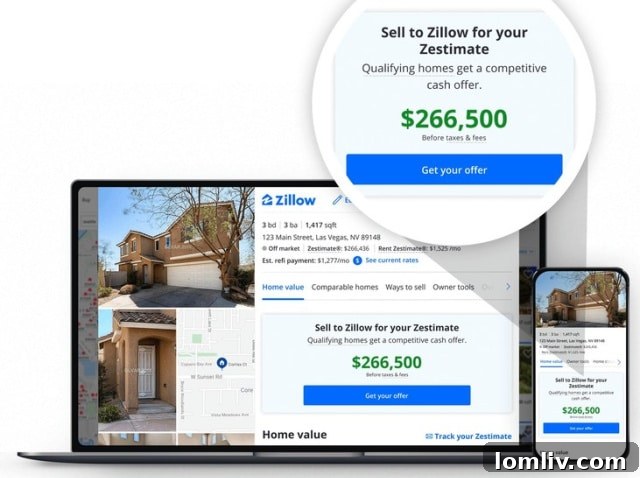
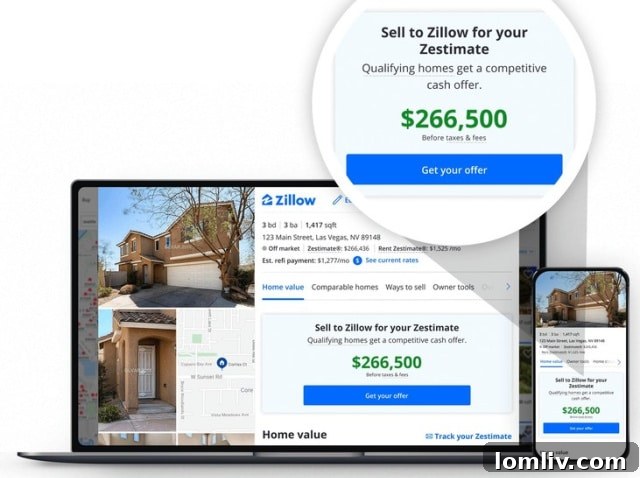
However, the real estate landscape is perpetually evolving, and Zillow has recently introduced a significant shift: they are now making direct cash offers for homes based on their Zestimate. This groundbreaking initiative, known as “Zillow Offers,” marks a pivotal moment for the real estate giant, transforming its valuation tool into an initial purchase offer. This program has already been rolled out in 23 major American cities, including vibrant markets like Dallas, Houston, and San Antonio. The question that has emerged from this strategic move is profound: after more than a decade and a half, has the Zestimate finally gained legitimacy as a reliable and actionable valuation?
Zillow itself positions this development as a testament to its confidence in the Zestimate’s accuracy. Jeremy Wacksman, Zillow’s Chief Operating Officer, expressed this conviction, stating, “For 15 years, homeowners and home shoppers have come to rely on the Zestimate as an essential first step. This exciting advancement demonstrates the confidence we have in the Zestimate and the lengths we are willing to go to make selling your home truly seamless and easy.” This statement underlines Zillow’s ambitious goal to revolutionize the home selling process, aiming to provide an instant, frictionless experience for sellers.
Harnessing the Power of Artificial Intelligence for Instant Offers
The strategic transformation of the Zestimate into a cash offer is deeply rooted in Zillow’s significant investment in cutting-edge technology, particularly artificial intelligence (AI) and machine learning. Wacksman highlighted this technological prowess, remarking, “This is a proud moment for Zillow’s tech team and speaks to the advancements they’ve made in machine learning and AI technology. Zillow is transforming the way people sell and buy homes. Presenting the Zestimate as a cash offer to qualifying homes up front will save time, reduce friction and provide greater transparency – getting us closer to our vision of helping customers transact with the click of a button.” This vision paints a picture of a future where real estate transactions are as simple and instantaneous as online shopping.
This bold move by Zillow reflects a broader understanding of the modern real estate market, according to industry insiders. David Maez, a seasoned broker at Plano’s Vivo Realty Group, observes that this initiative perfectly aligns with Zillow’s overarching business model. “Real estate sales has always been about lead generation. Zillow is following the money,” Maez explained. He further elaborated, “Seller leads are highly desirable, and if Zillow can offer sellers instant offers and generate listing leads in the process, why not?” This perspective suggests that Zillow Offers is not merely a service but a powerful lead generation engine, capturing potential sellers directly at the point of inquiry and offering them a direct pathway to a transaction.
The real estate industry has indeed undergone a seismic shift since the Zestimate’s inception. The traditional office-bound agent model has largely given way to a dynamic, field-based approach. The internet has become the primary starting point for virtually every home search, and digital platforms facilitate the vast majority of offer submissions. Zillow itself has evolved into a household name, even garnering mainstream cultural recognition, as evidenced by its playful spoof on Saturday Night Live. The company has also achieved substantial vertical integration, offering Zillow Home Loans for mortgage services and Zillow Closing Services for title and escrow, creating a comprehensive ecosystem around its “Zillow Offers” customers. This integrated approach aims to streamline the entire transaction process under one brand, offering convenience but also consolidating control.
While acknowledging the undeniable impact of technology, Maez emphasized the enduring value of human expertise. “Technology will — scratch that — has changed the way people buy and sell, and it will continue to change. And why not?” he mused. “For some people Zillow Offers might work, but for most it will not. Why? Good agents are experts in their field and maximize the value of a home by marketing and suggesting updates, pricing it correctly, minimizing fallout in a transaction, negotiating repairs, and get deals to the closing table.” This highlights a crucial distinction: while technology offers efficiency, it often lacks the nuanced human touch, strategic thinking, and negotiation skills essential for optimizing a home’s sale price and ensuring a smooth transaction.
Is a Zillow Offer Truly the Best Offer for Your Home?
The allure of a swift, guaranteed cash offer from Zillow is undeniable for many sellers. However, a critical question remains: is an instant Zillow Offer genuinely the best possible financial outcome for a homeowner? Many real estate professionals argue that while convenience is a factor, maximizing profit often requires a different approach.
Kaitlin Lovern of Century 21 Judge Fite Realtors highlights the importance of market exposure. “I have cash buyers who are willing and able to purchase many of my upcoming listings; however, my advice to my sellers is that in this climate, market exposure is the most beneficial avenue for them,” Lovern explained. She firmly believes that limiting a property’s exposure to the broader market, even for a cash offer, could be a disservice to sellers. “It would be a disservice to them to execute a contract without letting the market work in their favor. I am seeing buyers explore all avenues to make aggressive offers that entice a seller.” In a competitive market, a property exposed to a wide pool of eager buyers often generates multiple offers, leading to bidding wars and ultimately a higher sale price than a single, instant cash offer might provide.
Furthermore, the debate over the Zestimate’s accuracy continues, despite Zillow’s claims of a 1.9 percent median error rate nationwide. While a small percentage might seem negligible, in the context of high-value assets like homes, even a slight deviation can translate into substantial financial differences. Lovern points out a fundamental limitation: “There is no scientific method behind pricing a home, and a Zestimate can’t accurately encompass the true value of a home.” A Zestimate, by its nature, cannot account for unique upgrades, specific neighborhood appeal, emotional value for certain buyers, or the current micro-market dynamics that a local agent understands intimately. Partnering with a professional Realtor provides invaluable advantages: “Partnering with a Realtor offers you exposure, marketing, expertise, protection, and data that helps the consumer obtain the best possible offer that is out there.”
Maez concurs with Lovern’s assessment, though he acknowledges that Zillow Offers may cater to a specific segment of the market. “Is Zillow Offers giving your sellers the best offer for their property? No. And that might be okay for some sellers who want a quick out,” Maez conceded. For sellers prioritizing speed and convenience over maximizing their financial return, an instant cash offer might be appealing. However, he offers a crucial piece of advice for fellow agents: “I think as agents we need to not worry so much about tech entering the space, but more about how to adapt and respond, provide value and prove your worth.” This emphasizes the need for agents to innovate and clearly articulate their unique value proposition in an increasingly tech-driven industry.
More Than Just a Transaction: The Enduring Value of Real Estate Professionals
Many experienced Realtors remain confident that their profession is not on the verge of being replaced by automated platforms like Zillow. The fundamental reason, they argue, is that buying and selling a home involves far more than merely processing paperwork and transferring deposits; it’s a complex, emotionally charged, and often one-time event for most individuals.
Cathy Browne of Compass’ Browne Douglas Group underscores the human element. “While we continue to see these Internet programs come out, Beth [Douglas] and I find that our clients still desire and appreciate more guidance, interaction, and personal service,” Browne noted. This personalized attention, empathy, and ability to navigate unforeseen challenges are aspects that algorithms struggle to replicate. Furthermore, Browne raises a critical point about transparency: “Anyone considering these programs should make sure to read the fine print, especially concerning fees and taxes.” Homeowners must meticulously scrutinize the terms of any instant offer, as hidden fees, repair deductions, or closing costs could significantly reduce their net proceeds, making the initial cash offer less attractive than it appears.
This is a particularly pertinent consideration for homeowners who envision a substantial windfall from a quick, Zestimate-based sale. While Zillow’s website provides tools to check home eligibility and estimate net proceeds, real estate agents often highlight the potential for significant discrepancies. In certain areas of North Texas, for example, the Zestimate could be off by anywhere from $10,000 to $50,000 or even more, a difference that could substantially impact a seller’s financial planning. A Realtor’s localized expertise helps avoid such pitfalls.
Maez thoughtfully compares the real estate agent’s situation to other industries disrupted by technology. “Until AI, Zillow, or any other platform can do what agents do, it’s safe to say our profession isn’t going anywhere anytime soon,” he asserted. “Is it changing? Yes. But like that cab driver that said UBER would never make it, or like Blockbuster ignoring Netflix, we can’t ignore the fact that people will always seek to save time and make things easier.” His advice for agents is clear: adapt, work harder, provide unparalleled value, and genuinely listen to the consumer, much like how Best Buy successfully navigated the e-commerce wave. By emphasizing their unique skills—local market mastery, negotiation prowess, problem-solving, and personalized client care—agents can continue to prove their indispensability.
Lovern adds another compelling analogy to drive home the point about professional value. “The way I see this is a lot how I see TurboTax,” she explained. “Yes, TurboTax can save you the cost of a CPA, but is it really saving you money in the long run? How much savings are you missing out on by not hiring a professional whose daily focus is the work at hand? How much tax savings did you lose out on because you thought you were saving the cost of a professional?” This comparison perfectly encapsulates the dilemma facing home sellers: the upfront savings from avoiding an agent’s commission might be overshadowed by the potentially lost value from not having a dedicated expert optimize the sale, ensuring the best possible outcome in a complex and high-stakes transaction.