

The real estate landscape is dynamic, and as we navigate the early months of the year, a clear trend emerges: low inventory meets soaring buyer demand. According to Zillow, the current period is shaping up to be one of the most competitive home shopping seasons in recent memory. After nearly two years of modest growth, home values are finally poised for significant appreciation, a development largely attributed to exceptionally low mortgage rates and a noticeable reduction in available housing stock. Across the Metroplex, for instance, inventory has seen a significant 5 percent decline compared to the previous year, setting the stage for a bustling market.
Reflecting on these trends, Zillow economist Jeff Tucker noted, “As the economic uncertainties that loomed in early 2019 began to dissipate, we witnessed a dramatic surge in buyer activity, with many eager to capitalize on ultra-low mortgage rates.” Tucker elaborated on the implications for the current year, stating, “Our preliminary analysis of 2020 data indicates that we are likely headed for the most competitive home shopping season we’ve seen in years. Buyers are already fiercely contending for a nearly record-low number of homes on the market. This scenario will inevitably lead to more multiple-offer situations, making the search for the perfect family home a more challenging endeavor. However, there’s good news for prospective homeowners: historically low mortgage rates are enhancing affordability, and in response to this heated market, home builders are ramping up construction starts to levels not seen since 2007.” This combination of factors paints a picture of a robust, albeit challenging, market for both buyers and sellers.
Understanding the Dynamics: Low Mortgage Rates Fueling Demand and Value Growth
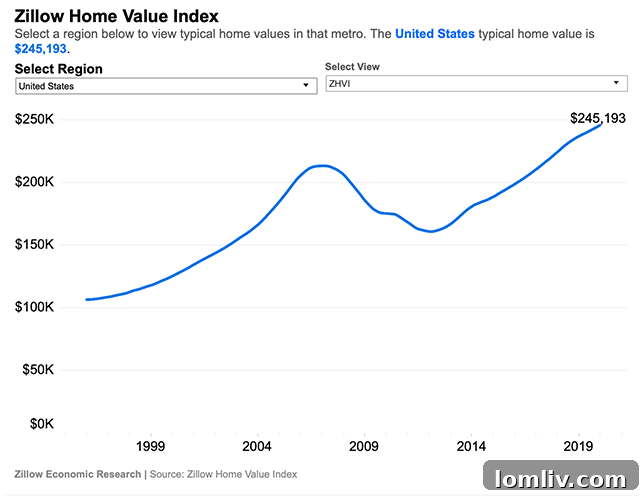
The housing market’s recent trajectory is deeply influenced by the powerful synergy between declining mortgage rates and shrinking inventory. Nationally, home values experienced a healthy 3.8 percent year-over-year increase, reaching an average of $245,193, as detailed in the January Zillow Real Estate Market Report. This growth is particularly significant given the concurrent drop in available homes. Inventory has plummeted by a staggering 8% on average, marking the largest decline since 2018. This consistently low level of available properties is a primary catalyst for the upward trajectory of home values. When a healthy economy encourages more buyers to enter the market, driven by the allure of low mortgage rates, the inevitable outcome is heightened competition for an ever-diminishing supply of homes. Zillow’s projections suggest that this spring will be characterized by intense bidding wars and swift sales.
Mortgage rates play a pivotal role in dictating housing market activity. The lower the rate, the more affordable homeownership becomes, expanding the pool of eligible buyers and increasing their purchasing power. For instance, mortgage rates reached a high of 3.77 percent on January 31, 2020. While this might seem specific, it reflects a broader trend of highly favorable borrowing costs compared to historical averages. These figures, according to Zillow, are derived from “thousands of custom mortgage quotes submitted daily to anonymous borrowers on the Zillow Mortgages site by third-party lenders and reflect recent changes in the market.” Such data provides real-time insight into the financial levers that motivate buyers.
The Power of Low Interest Rates for Homebuyers
The sustained period of low mortgage rates has been a boon for prospective homebuyers. A lower interest rate directly translates to a lower monthly mortgage payment, making homeownership accessible to a wider demographic. This increased affordability can also allow buyers to qualify for larger loans, potentially enabling them to purchase a more spacious or desirable property within their budget. For first-time homebuyers, in particular, low rates can significantly reduce the financial hurdle of entering the market. This economic incentive encourages more individuals and families to transition from renting to owning, thereby intensifying demand. The cumulative effect is a buoyant market where properties attract numerous interested parties, often resulting in offers above asking price and a swift sales cycle. Understanding the nuances of these rates, how they fluctuate, and their impact on long-term financial commitments is crucial for anyone contemplating a real estate purchase in such a climate.
Navigating a Tight Inventory Market
The dramatic drop in housing inventory is not merely a statistical anomaly; it represents a fundamental imbalance between supply and demand that profoundly shapes the market. Several factors contribute to this scarcity. Many existing homeowners, having secured low mortgage rates themselves in recent years, are choosing to stay in their homes longer, reducing the number of properties entering the resale market. Furthermore, new home construction, while showing signs of revival, has struggled to keep pace with population growth and household formation over the past decade. This lag, stemming from issues like labor shortages, rising material costs, and regulatory complexities, means that newly built homes aren’t alleviating the inventory crunch fast enough. For buyers, a tight inventory market means limited choices, intense competition, and the necessity to act quickly and decisively. Homes often sell within days, sometimes hours, of listing, pushing buyers to make significant decisions under pressure. For sellers, however, it’s an opportune moment, as their properties are highly sought after, often commanding premium prices and favorable terms.
The Dallas-Fort Worth Real Estate Market: A Closer Look at the Metroplex
The Dallas-Fort Worth (DFW) Metroplex continues to stand out as a vibrant and highly sought-after real estate market, mirroring national trends of robust demand and appreciating values, albeit with its own unique characteristics. As highlighted in the comprehensive Zillow report and our own analysis of new home building, the DFW area presents a compelling case study of a thriving regional market:
- Home Value Appreciation: The typical home value across the DFW Metroplex experienced a solid 2.2% growth, pushing the average value to $253,300. This steady increase underscores the region’s desirability and the sustained demand from buyers looking to invest in its growing economy.
- Shrinking Inventory: Reflecting the national trend, DFW’s housing inventory saw a 5% decrease from the previous year. This translates to approximately 1,700 fewer homes available for sale in January compared to January 2019, intensifying the competitive landscape for buyers across the metropolitan area.
- Rising Rental Costs: The rental market in DFW also demonstrated significant activity, with rents growing by 2.2% annually. The typical rent for the region now stands at $1,465. For context, the national average rent is $1,602, having increased by 2.3% year-over-year. This upward pressure on rental prices often drives more renters to consider homeownership, further fueling the sales market.
Why Dallas-Fort Worth Continues to Attract Homebuyers
The enduring appeal of the Dallas-Fort Worth Metroplex lies in a combination of strong economic fundamentals and an attractive quality of life. The region consistently ranks among the top areas for corporate relocations and job growth, attracting a steady influx of new residents. Diverse industries, including technology, finance, and logistics, provide ample employment opportunities, which in turn supports a robust housing market. Furthermore, Texas’s lack of state income tax, coupled with a relatively lower cost of living compared to coastal metropolitan areas, makes DFW an appealing destination for individuals and families seeking economic opportunity and a high standard of living. These demographic and economic tailwinds ensure that demand for housing, both for purchase and rent, remains consistently high, even amidst tightening inventory.
Challenges and Opportunities for DFW Buyers and Sellers
For buyers in the DFW market, the current environment necessitates preparation and agility. With reduced inventory and high demand, prospective homeowners must be pre-approved for mortgages, ready to view properties quickly, and prepared to make competitive offers. Flexibility with property features or location can also be an advantage. Despite the competition, the underlying benefit of low mortgage rates still makes homeownership an attractive long-term investment in a growing market. For sellers, this is an exceptionally favorable time. Properties in desirable DFW neighborhoods are likely to attract multiple offers, often above asking price, and sell quickly. Strategic pricing, professional staging, and effective marketing become paramount to maximize returns and navigate the multiple-offer scenarios that are now commonplace. Engaging an experienced local real estate agent who understands the nuances of the DFW market is more crucial than ever for both parties.
Strategies for Success in a Competitive Housing Market
Navigating a real estate market characterized by high demand and limited supply requires a strategic approach from both buyers and sellers. Understanding the landscape and preparing accordingly can significantly improve outcomes.
For Homebuyers: Preparing for the Hunt
In a competitive market, preparation is key for homebuyers. The first and most critical step is to get pre-approved for a mortgage. This not only clarifies your budget but also signals to sellers that you are a serious and qualified buyer, giving your offer more weight. Be flexible with your wish list; while finding the “perfect” home is ideal, compromise on certain non-essential features might be necessary to secure a property. Act swiftly: homes in desirable areas often receive multiple offers within hours or days of listing, so being ready to view properties immediately and submit a strong offer without delay is crucial. A strong offer isn’t just about price; it can also include favorable terms like a quick closing, fewer contingencies, or a larger earnest money deposit. Working with an experienced real estate agent who has a deep understanding of local market dynamics and can provide timely advice is invaluable in this environment.
For Home Sellers: Maximizing Your Investment
Sellers are currently in an advantageous position, but strategic planning can further maximize their returns. Proper pricing is essential; while high demand might tempt overpricing, setting a realistic and competitive price can generate more interest and potentially lead to a bidding war that drives the price even higher. Presentation matters immensely: investing in professional staging, minor repairs, and curb appeal can significantly enhance a home’s attractiveness and perceived value. High-quality photography and a compelling online listing are non-negotiable in today’s digital age. With multiple offers likely, sellers should evaluate not just the offer price but also the terms, such as buyer contingencies, closing dates, and financing strength. A cash offer or one with minimal contingencies, even if slightly lower in price, might be more appealing due to its certainty and speed. An expert real estate agent can help navigate these complex decisions, negotiate effectively, and ensure a smooth transaction.
The Road Ahead: What to Expect in the Housing Market
The housing market’s trajectory, particularly in dynamic regions like Dallas-Fort Worth, will continue to be shaped by the interplay of economic factors, interest rate policies, and evolving supply-demand dynamics. While the current outlook points towards sustained competition and appreciation driven by low mortgage rates and limited inventory, it’s important to recognize that markets are fluid. Potential shifts could arise from changes in global economic conditions, adjustments in monetary policy affecting interest rates, or a significant increase in new home construction finally alleviating supply pressures. For the foreseeable future, however, the underlying strength of buyer demand, fueled by attractive financing options, suggests that competitive conditions will persist. Both buyers and sellers must remain informed, adaptable, and willing to seek expert guidance to navigate this vibrant and challenging real estate environment successfully. Staying abreast of the latest market reports and understanding local trends will be paramount for anyone looking to make informed decisions in the months to come.