Unveiling the Unexpected: Why Expert Home Inspections Are Non-Negotiable
Welcome to “Upon Closer Inspection,” an exclusive weekly series brought to you by the meticulous experts at Green Scene Home Inspections, tailored specifically for the discerning readers of Daltxrealestate.com. In the dynamic world of real estate, the seemingly insignificant details often hold the greatest importance. Our mission is to shed light on those critical aspects of a property that frequently go unnoticed by the untrained eye, ensuring you’re well-informed whether you’re buying, selling, or simply maintaining your home.
The journey through property ownership and transactions is fraught with potential pitfalls. While some issues are merely inconvenient, others pose significant safety risks or can lead to costly repairs down the line. Every inspector has their collection of “you won’t believe this” moments – situations that make you pause and truly wonder about the ingenuity, or lack thereof, behind a property’s setup. We’re here to share some of those eye-opening discoveries, demonstrating precisely why a thorough, professional home inspection is not just recommended, but absolutely essential.
The Curious Case of “That’s Not How That Works”: Real-World Inspection Blunders
In our line of work, we frequently encounter situations where the execution of a task or the installation of a fixture defies all logic and basic functionality. These aren’t just minor oversights; they’re often fundamental misunderstandings of purpose, leading to inefficiencies, damage, or even outright hazards. Let’s delve into some classic examples of installations and modifications that unequivocally scream, “That’s not how that works!”
When Simple Functionality Becomes a Mystery: The Misplaced Door Stop
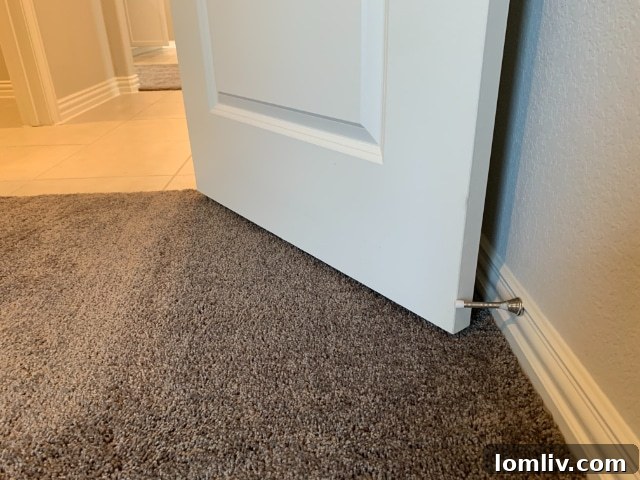
Take, for instance, the humble door stop. Its purpose is deceptively simple: to prevent a door from swinging too far and damaging an adjacent wall, furniture, or the door itself. Yet, during inspections, we’ve seen countless instances where door stops are installed in locations that render them utterly useless. Whether placed too high, too low, too far from the wall, or even on the wrong side of the door swing, these seemingly minor errors can lead to scraped paint, dented drywall, or even cracked plaster over time. A properly installed door stop, strategically positioned to absorb impact, is a testament to thoughtful home maintenance. Its absence or improper placement is a small detail that speaks volumes about the property’s overall care and attention to detail.
Navigating the Perils: The Treacherous Attic Ladder Installation
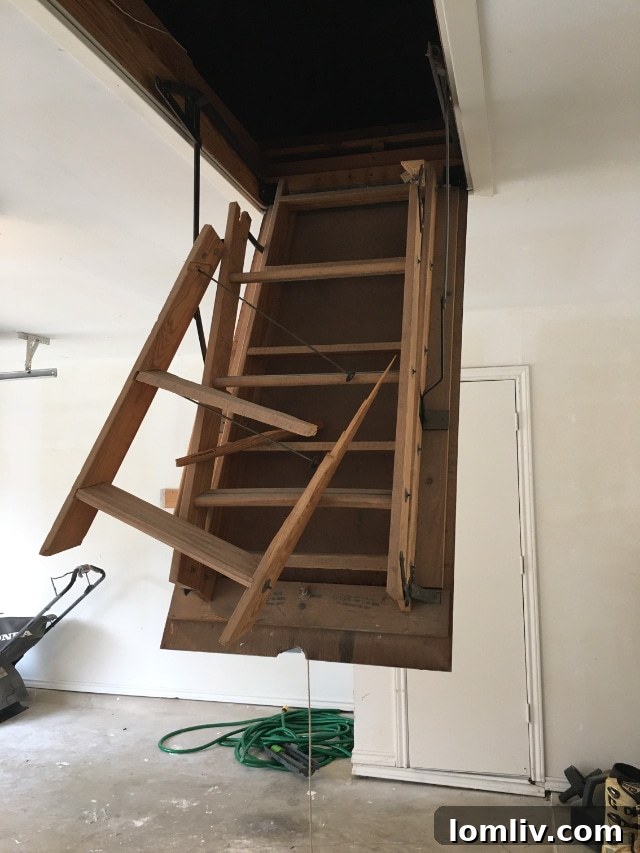
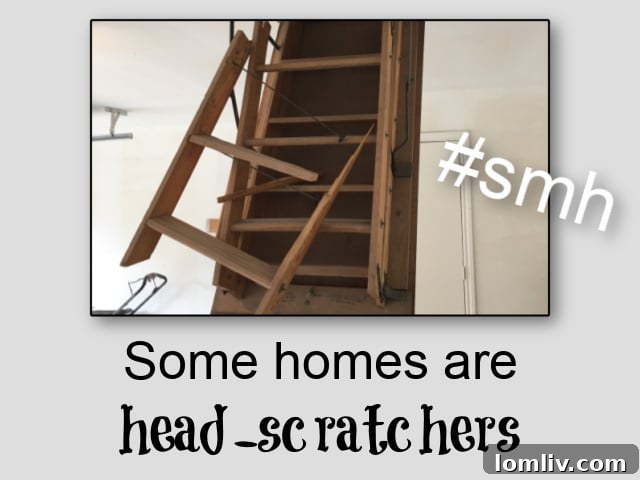
Attic access is crucial for home maintenance, yet the ladders providing this access are often overlooked. We’ve encountered attic ladders that present more of an obstacle course than a pathway. Imagine attempting to open an attic hatch only to be greeted by a tangle of jagged, broken wood and exposed nails, ready to inflict multiple stab wounds on the unwary inspector. This isn’t just an inconvenience; it’s a significant safety hazard. Improper installation, neglected maintenance, or DIY repairs that go awry can turn a simple attic visit into a dangerous endeavor. Inspectors look for secure attachment points, stable treads, proper spring mechanisms, and the absence of structural damage. A faulty attic ladder not only jeopardizes anyone attempting to use it but also signals potential neglect in other less visible areas of the home.
Beyond Imagination: The Oven Door as a Makeshift Space Heater
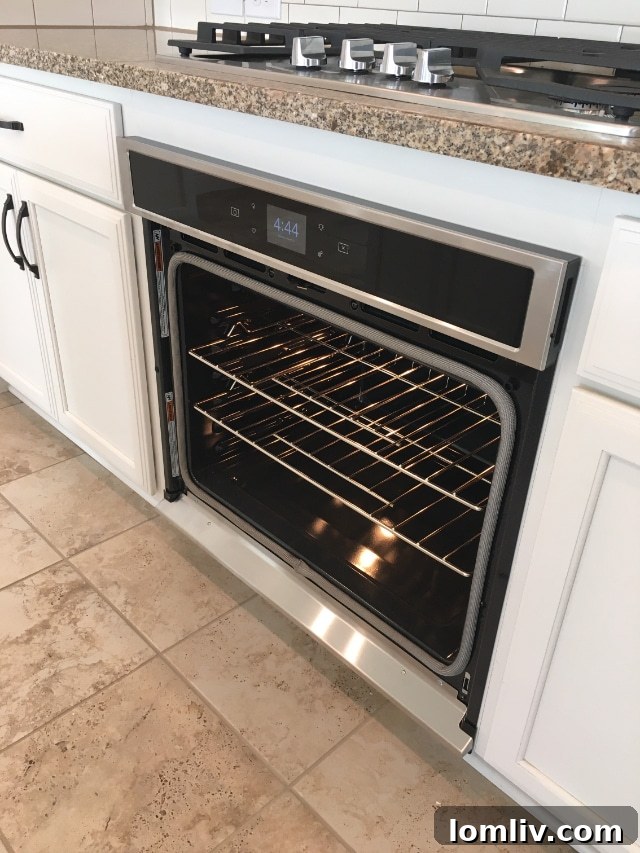
This particular discovery truly falls into the realm of the unbelievable. During an inspection, our team once found an oven door removed, with the appliance seemingly repurposed as a primary heat source for a room. Let’s be unequivocally clear: using a kitchen oven as a space heater is an incredibly dangerous practice that poses immediate and severe risks, including fire, carbon monoxide poisoning, and electrical overloads. Ovens are designed to heat small, enclosed spaces, not entire rooms. They lack the safety features of dedicated space heaters and can quickly overheat surrounding materials, igniting curtains, furniture, or even structural components of the home. This kind of egregious misuse underscores the critical importance of a professional inspection, which can uncover not just structural flaws but also dangerously misguided attempts at home comfort or repair.
The Unholy Alliance: Water + Electricity = Absolute Disaster
Some equations in life are inherently simple and universally understood: Water + Electricity = No, no, NO! This fundamental safety principle is often violated in homes, sometimes unknowingly, but always with potentially catastrophic consequences. From leaky pipes dripping onto electrical panels and exposed wiring in damp basements to amateur attempts at installing electrical outlets near water sources without proper grounding or GFCI protection, the risks are immense. The combination can lead to electrocution, severe electrical fires, and extensive property damage. Professional inspectors are trained to identify these deadly juxtapositions, ensuring that your home’s electrical and plumbing systems are safely integrated and up to code, protecting residents from preventable tragedies.
Beyond the Obvious: Uncovering Hidden Hazards and Home Maintenance Myths
While the examples above highlight blatant disregard for safety and functionality, many significant issues in a home are far more subtle. These hidden hazards often stem from deferred maintenance, outdated building practices, or a fundamental misunderstanding of how various home systems interact. An expert home inspection goes beyond what meets the eye, delving into the unseen areas that can impact your property’s safety, value, and longevity.
Unseen Plumbing Nightmares: Leaks and Drainage Issues
Beneath floors and behind walls, plumbing issues often fester, causing silent damage. Minor leaks can lead to significant water damage, rot, and dangerous mold growth. Improper drainage around the foundation can undermine structural integrity, while amateur plumbing repairs frequently result in cross-contamination or burst pipes. Inspectors meticulously check water pressure, fixture functionality, visible piping, and drainage systems, identifying potential problems before they escalate into costly emergencies. Don’t let a small drip become a flood of expenses.
Electrical Blunders: A Shocking Reality Behind the Walls
Electrical systems are the backbone of modern homes, yet they are frequent sources of hidden danger. Overloaded circuits, frayed wiring, ungrounded outlets, and incorrectly wired junction boxes are ticking time bombs, increasing the risk of electrical fires. DIY electrical work, without proper knowledge or permits, can introduce hazardous conditions that are invisible until a malfunction occurs. Our inspectors scrutinize electrical panels, wiring, outlets, and switches, ensuring compliance with safety standards and identifying potential fire or shock hazards that could compromise your family’s safety.
HVAC Headaches: More Than Just Comfort Control
Your heating, ventilation, and air conditioning (HVAC) system is crucial for comfort and air quality. However, issues like blocked vents, dirty coils, improperly sized units, or neglected maintenance can lead to poor air circulation, reduced efficiency, and even dangerous carbon monoxide leaks (if using gas furnaces). An inefficient HVAC system also translates directly to higher energy bills. A thorough inspection evaluates the condition, functionality, and safety of your HVAC system, ensuring optimal performance and a healthy indoor environment.
Structural Integrity: Cracks, Settling, and Foundation Concerns
The foundation is the bedrock of your home. While minor settling is normal, significant cracks, uneven floors, or doors and windows that stick can indicate more serious structural issues. Ignoring these signs can lead to escalating damage and costly repairs. Inspectors assess the visible foundation, load-bearing elements, and structural integrity, differentiating between cosmetic blemishes and critical structural compromises that could impact the home’s long-term stability and value.
The Indispensable Role of a Professional Home Inspection
As these examples clearly illustrate, a home is a complex network of systems, and the slightest oversight can have significant repercussions. This is precisely why a professional home inspection is not merely a checkbox in a real estate transaction but a critical investment in your peace of mind and financial security. For prospective buyers, an inspection provides an invaluable understanding of a property’s true condition, empowering you with information for negotiation, budgeting for future repairs, or even deciding if a property is right for you.
Sellers also benefit immensely from a pre-listing inspection. Identifying and addressing issues before listing can streamline the sales process, prevent last-minute surprises, and build trust with potential buyers. It demonstrates transparency and a commitment to offering a well-maintained property, potentially leading to a faster sale at a better price.
Companies like Green Scene Home Inspections employ highly trained and certified professionals who possess an unparalleled eye for detail and an in-depth understanding of building codes, safety standards, and structural integrity. We go beyond the surface, using our expertise to uncover issues that an average homeowner might never spot until it’s too late. Our comprehensive reports offer clarity and actionable insights, transforming the complex into the comprehensible.
In conclusion, whether you’re embarking on the exciting journey of purchasing a new home, preparing to sell your current property, or simply committed to its ongoing maintenance, the value of a professional home inspection cannot be overstated. Don’t leave your most significant investment to chance or amateur guesswork. Tune in next week for more “Upon Closer Inspection” insights from Green Scene Home Inspections, and remember: knowledge is power, especially when it comes to your home.