Unethical Real Estate Conduct: A Deep Dive into Agent Misconduct and Client Trust
The foundation of any successful real estate transaction is built on trust, integrity, and the unwavering commitment of an agent to their client’s best interests. However, what happens when this fundamental trust is not just broken, but shattered in a truly egregious manner? We delve into a sensational case that rocked the real estate community, involving two New Jersey Coldwell Banker agents whose alleged actions in a client’s home sparked outrage, a significant lawsuit, and critical discussions about professional ethics and homeowner vigilance.
A Shocking Revelation: When a Home Becomes a “Love Shack”
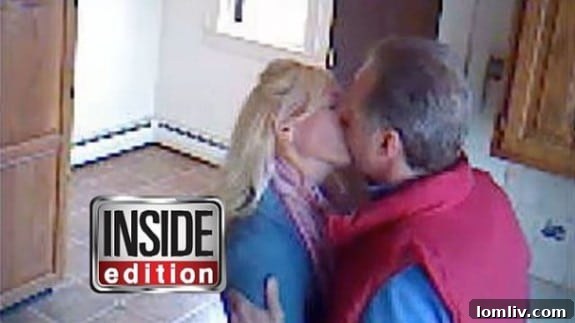
Homeowners Robert and Linda Weiner entrusted their valuable property, located in a competitive market, to a seemingly reputable real estate agent, Robert Lindsay of Coldwell Banker. Their expectation, like any client, was that Lindsay would diligently market their home, facilitate showings, and ultimately secure a favorable sale. What unfolded, however, was a scenario far removed from professional conduct and ethical representation. The Weiners were utterly aghast to discover, through irrefutable security camera footage, that their agent was allegedly using their vacant listing for highly inappropriate personal encounters.
The footage revealed Robert Lindsay, accompanied by a blonde woman later identified as fellow Coldwell Banker agent Jeannemarie Phelan, engaging in intimate activities within the property. This was not an isolated incident; rather, it reportedly occurred on at least 13 separate occasions, transforming the Weiners’ home from a prospective buyer’s dream into a clandestine rendezvous point. The sheer audacity and frequency of these alleged acts left the homeowners reeling, grappling with a profound sense of violation and betrayal.
The Silent Witness: Security Cameras Expose a Breach of Trust
The crucial evidence in this scandalous affair came from the very security measures installed by the homeowners. These cameras, intended to safeguard their property against theft or damage, inadvertently captured a far more personal and damaging transgression. It’s reported that both Lindsay and Phelan were aware of the surveillance equipment, yet allegedly proceeded with their illicit activities. This apparent disregard for detection, and more importantly, for the client’s privacy and trust, speaks volumes about the perceived impunity of their actions. The discovery of these recordings marked the painful beginning of a legal battle and a public revelation that sent shockwaves through the real estate industry.
The Lawsuit: Allegations of Intentional Misconduct and Financial Harm
Following the shocking discovery, homeowner Robert Weiner initiated a lawsuit against both Robert Lindsay and the Coldwell Banker office, alleging a deliberate and calculated scheme to misuse his property. The core of the complaint extended beyond the obvious breach of professional conduct to encompass a grave accusation of financial manipulation. According to a detailedInside Editionreport, Weiner’s lawsuit claimed the agents intentionally overpriced his home at $650,000. This seemingly strategic overvaluation, he contended, was not an error in judgment but a deliberate tactic to ensure the property remained on the market longer, with minimal traffic, thereby creating opportunities for their private encounters.
Further insights from a CBS New York report elaborated on the specifics of the lawsuit:
The lawsuit alleged Lindsay and Phelan used the Weiners’ home as their play pad to have sexual relations while the couple was at work.
In this difficult real estate market, homes are typically priced to sell. But the plaintiffs said Lindsay purposely priced the Weiners’ house to sit at $650,000.
“Lindsay intentionally listed the house at above market value so there would be little traffic in the home,” the lawsuit said.
The Weiners claimed Lindsay made his very own key, so he would not have to use the electronic lock box that keeps track of visiting agents.
And the suit said everything was caught on surveillance camera.
The suit was filed in the Passaic County Law Division of the Superior Court of New Jersey. The plaintiffs claimed breach of contract, negligence, and infliction of emotional damage. It sought unspecified damages.
Intentional Overpricing: A Calculated Strategy for Misuse?
The allegation of intentional overpricing is particularly damning. In a competitive real estate market, an accurately priced home generates significant interest and sells more quickly. By deliberately listing the property above its market value, the agent would effectively deter potential buyers and reduce foot traffic, ensuring the home remained largely vacant. This alleged strategy not only provided a secluded venue for their personal use but also caused undue financial hardship for the Weiners, who continued to bear the costs of mortgage payments, taxes, and maintenance on a home that was purposefully stagnating on the market. This goes against the fundamental duty of a listing agent to achieve the best possible price and terms for their client in a timely manner.
Bypassing Security: The Homemade Key and Breach of Protocol
Another critical detail in the lawsuit was the claim that Robert Lindsay created his own key to access the property, circumventing the standard electronic lockbox system. Electronic lockboxes are crucial for security and accountability in the real estate industry. They log every agent’s entry and exit, providing a clear record of who accessed the property and when. By bypassing this system, Lindsay allegedly not only facilitated his discreet entries but also removed any electronic trace of his and Phelan’s unauthorized visits, further demonstrating a deliberate attempt to conceal their actions and avoid accountability. This act underscores a blatant disregard for established security protocols and client trust.
Legal Ramifications: Breach of Contract, Negligence, and Emotional Distress
The Weiners’ lawsuit sought damages on multiple grounds. “Breach of contract” refers to the agent’s failure to uphold the terms and duties outlined in their listing agreement, which inherently includes acting in the client’s best interest. “Negligence” implies a failure to exercise the reasonable care expected of a professional in their field, leading to harm. In this case, the alleged actions of Lindsay and Phelan clearly fall under this umbrella. Perhaps most significantly, the claim for “infliction of emotional damage” highlights the profound personal toll this ordeal took on the homeowners. The feeling of invasion, betrayal, and the knowledge that their private sanctuary was being defiled for such purposes would undoubtedly cause immense distress. The request for unspecified damages indicates a wide range of potential losses, including financial implications from the delayed sale and the severe psychological impact.
Upholding Professional Standards: The Brokerage’s Response
The aftermath of such a public scandal inevitably puts the affiliated brokerage under immense scrutiny. Coldwell Banker, a prominent name in the real estate industry, was compelled to address the severe allegations head-on. Their swift and unequivocal response aimed to distance the company from the agents’ alleged misconduct and reaffirm their commitment to ethical practices. As reported by Inside Edition, Coldwell Banker issued a formal statement:
In a statement to INSIDE EDITION, Coldwell Banker said: “Immediately after learning of the allegation of improper behavior at the property by two independent contractors in January 2012, we ceased our affiliation with the agents. These agents have not listed or sold properties on our behalf since the allegation of misconduct at the home was first reported. The alleged misconduct at the home does not in any way represent how we conduct business as a company, and certainly is not reflective of the quality, commitment and integrity of our management or the more than 3,200 sales professionals affiliated with our company. We hold affiliated agents to the highest ethical standards.” – Hal Maxwell, president Coldwell Banker Residential Brokerage New Jersey.
This statement underscores the importance of swift action when such severe allegations surface. By immediately ceasing affiliation with the agents, Coldwell Banker sought to mitigate reputational damage and demonstrate a clear stance against unethical behavior. The president’s emphasis on the incident not reflecting the company’s broader values or the integrity of its vast network of other sales professionals highlights the challenge brokerages face in maintaining control over independent contractors while upholding their brand’s reputation. It serves as a stark reminder that even a single act of severe misconduct can cast a shadow over an entire organization, emphasizing the critical need for robust ethical guidelines and decisive enforcement.
Lessons for Homeowners: Protecting Your Property and Trust
This unsettling case offers crucial lessons for homeowners preparing to sell their property. Entrusting your home, often your most valuable asset, to a real estate agent requires diligent vetting and ongoing vigilance. While such extreme incidents are rare, they underscore the absolute necessity of protecting your interests.
Vetting Your Real Estate Agent Thoroughly
Before hiring an agent, conduct comprehensive research. Look beyond glossy marketing materials. Check their professional references, online reviews, and disciplinary records with state real estate boards. Ask pointed questions about their professional ethics, communication protocols, and how they ensure the security of your home during showings and open houses. A reputable agent will welcome these questions and be transparent about their practices. Ensure they are fully licensed and insured, and understand the scope of their fiduciary duties to you as a client, which include loyalty, confidentiality, and diligent care.
Leveraging Technology for Enhanced Property Security
The Weiners’ experience highlights the invaluable role of home security systems. Modern smart home technologies, including discreet security cameras, motion sensors, and smart locks, can provide an extra layer of protection and peace of mind. These systems can monitor activity within your home, log entries and exits, and even provide real-time alerts to your smartphone. While it might feel uncomfortable to monitor your own home, especially when professionals are involved, this case demonstrates how technology can act as an impartial witness, offering irrefutable evidence should any misconduct occur. Discuss your security measures with your agent, ensuring they are aware of any surveillance, as transparency benefits all parties.
Conclusion: Reinforcing Trust and Ethical Practice in Real Estate
The real estate industry thrives on trust. Every transaction, every handshake, and every contract is predicated on the belief that all parties will act with honesty and integrity. The case involving Robert Lindsay and Jeannemarie Phelan serves as a powerful, albeit disturbing, reminder of what can happen when professional ethics are utterly abandoned. It compels us to reflect on the critical importance of robust ethical standards, stringent oversight, and the ongoing need for homeowners to be proactive in safeguarding their interests.
While this particular incident gained national attention for its sensational nature, it ultimately reinforces a universal truth: the relationship between a client and their real estate agent is sacred. It demands absolute loyalty, transparency, and an unwavering commitment to professional conduct. For the vast majority of real estate professionals who uphold these values daily, this case stands as a cautionary tale, emphasizing the collective responsibility to maintain the highest levels of integrity, thereby reinforcing public confidence in an industry vital to our communities and economies.