The year 2020 presented unprecedented challenges across every sector, and the real estate industry was no exception. What felt like a mere year often seemed to stretch into a decade, marked by constant shifts, postponements, and the remarkable resilience of a market that continued to thrive despite global adversities. As we reflect on this transformative period, it’s clear that adaptability and a steadfast commitment to safety became the cornerstones of success. The entire real estate community, from agents to lenders, title companies, and inspectors, truly reinvented its processes with impressive speed and effectiveness.
This spirit of innovation and dedication to client well-being is something to be profoundly proud of. It showcased the industry’s ability to not only navigate turbulent waters but also to emerge stronger, equipped with safer, more efficient methodologies. As planned real estate activities resumed and accelerated, particularly after initial stay-at-home orders began to lift, the paramount importance of safeguarding the health of all parties involved, especially those most vulnerable to health concerns, became a guiding principle for every transaction.
Adapting to Change: The Real Estate Industry’s Resilience
The sudden onset of widespread health precautions forced a rapid evolution in how real estate business was conducted. Traditional open houses transformed into virtual tours, in-person meetings became video conferences, and every physical interaction was re-evaluated through the lens of safety. This period highlighted the industry’s unwavering commitment to facilitating property transactions while prioritizing public health. The ingenuity displayed by Realtors, mortgage professionals, insurance agents, home inspectors, and title companies in developing safe and effective ways to keep the market robust was truly commendable.
This article aims to provide comprehensive guidance for everyone engaged in the real estate journey – whether you’re looking to sell your cherished home, embark on the exciting path of homeownership, or are a dedicated professional supporting these critical milestones. By embracing these adapted best practices, we can ensure that the real estate market remains vibrant, accessible, and, most importantly, safe for all participants.
Essential Advice for Sellers: Ensuring a Smooth and Safe Sale
Selling a home is a significant undertaking, and navigating this process during times of heightened health awareness adds layers of complexity. While striving to complete home inspections during restrictive periods, many professionals encountered situations where homeowners, perhaps understandably, insisted on remaining present or even closely monitoring workers. However, to ensure every phase of your sale progresses without a hitch and prioritizes everyone’s safety, proactive steps are essential. Your goal should be to create an environment where vendors can perform their duties efficiently and without apprehension.
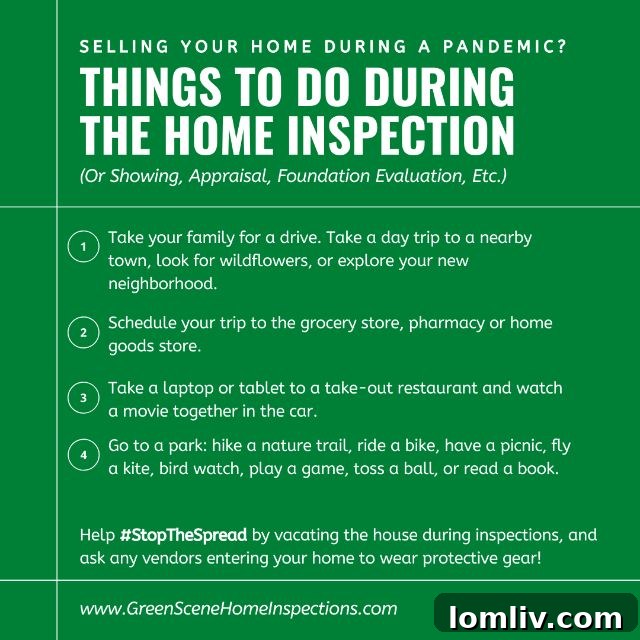
- Coordinate Vendor Appointments Meticulously: Work closely with your Realtor to schedule and clear all vendor appointments. This includes home inspectors, appraisers, electricians, plumbers, and any other specialists the buyer might require during their option period. The ideal scenario is to plan to be out of the house during these appointments. This minimizes contact, reduces potential distractions, and allows professionals to focus entirely on their tasks, leading to quicker and more accurate assessments.
- Practice Diligent Social Distancing: If leaving your home is not feasible, commit to strict social distancing within your property. Designate specific areas for workers and ensure you and your family members remain clear of these zones. Keep a safe distance (at least six feet) at all times. This not only protects the workers but also ensures they can move freely and complete their work as quickly and efficiently as possible, reducing the overall time spent inside your home.
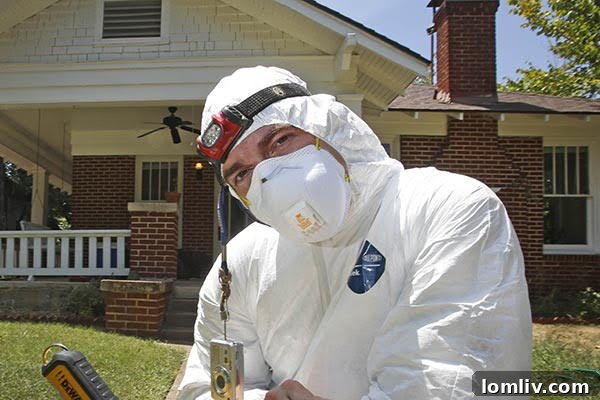
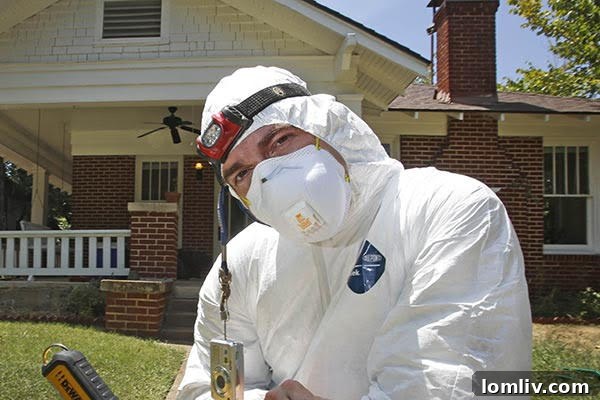
- Verify and Enforce Safety Gear Protocols: Before any home vendor enters your property, confirm that they are adhering to established safety protocols. This typically includes wearing masks, gloves, and protective booties. Your Realtor should assist in communicating these expectations beforehand. Insisting on these measures demonstrates your commitment to safety and provides peace of mind for both you and the incoming professionals. Consider having hand sanitizer readily available for use upon entry and exit.
- Prepare Your Home for Inspections and Showings: Beyond scheduling, actively prepare your home to facilitate a safe and efficient inspection process. Open all interior doors, turn on all lights, and ensure clear access to essential areas like attics, basements, electrical panels, and utility rooms. This reduces the need for inspectors to touch surfaces. Decluttering and thorough cleaning, especially of high-touch surfaces, before any visit are also highly recommended.
- Leverage Virtual Technology: Discuss with your Realtor the possibility of virtual open houses or video tours for potential buyers. This can significantly reduce the number of physical visitors to your home, limiting exposure while still showcasing your property effectively to a wider audience.
Comprehensive Advice for Buyers: Making Informed and Safe Decisions
Discovering and successfully making an offer on a home, especially during periods of uncertainty, is a significant achievement. Congratulations! The “option period” following an accepted offer is a critical window designed for you to gather as much information as possible about your prospective new home. This typically involves a thorough home inspection and an appraisal. Should the inspector uncover potential issues, you might need to engage additional experts, such as plumbers, electricians, or foundation repair specialists. Navigating these steps with safety in mind is paramount.
- Prioritize Safety-Conscious Vendors: When selecting your home inspection and appraisal professionals, prioritize those who openly demonstrate enhanced safety measures. Look for vendors who explicitly state their commitment to wearing protective gear (masks, gloves, booties), implement strict scheduling to prevent multiple vendors from being present simultaneously, and offer virtual or video reporting options. Your Realtors from both sides should collaborate to ensure all appointments are meticulously coordinated, minimizing overlap and maximizing safety.
- Embrace Remote Participation in Appointments: While it might feel counterintuitive, it is highly recommended that you do not physically attend these vendor appointments. Your chosen home inspector should be capable of thoroughly walking you through their findings and the comprehensive report without your physical presence. Many reputable inspectors now provide detailed video walkthroughs, high-quality photographic evidence, and interactive virtual reports that you can review from the comfort and safety of your current location. This not only protects you but also allows inspectors to work without feeling observed, leading to a more focused and efficient assessment.
- Ask for Virtual Report Reviews: Following the inspection, schedule a virtual meeting (video call) with your inspector to discuss the report in detail. This allows you to ask questions, understand the implications of any findings, and gain clarity without needing an in-person meeting. This approach is equally effective and significantly safer.
- Utilize Digital Closing Processes: Be prepared to engage in more digital aspects of the closing process. Many title companies and lenders have adapted to offer e-signatures, remote notary services, and drive-through closings to minimize in-person contact while maintaining legal compliance.
- Thoroughly Review Documentation: With potentially fewer in-person interactions, it becomes even more crucial to meticulously review all documentation, reports, and disclosures provided by your agent and vendors. Don’t hesitate to ask for virtual meetings to clarify any ambiguities.
Strategic Advice for Home Shoppers: Optimizing Your Search Safely
Embarking on a home search is an exciting journey, and in today’s environment, it’s also one that benefits greatly from strategic planning and leveraging available technology. Before stepping foot into a property, maximize your research using online tools. This not only enhances your safety but also optimizes your time, allowing you to narrow down your choices efficiently and only personally visit homes that truly meet your serious consideration criteria.
- Maximize Online Presence and Virtual Tools: Leverage virtual tours, immersive 3D imaging, detailed floor plans, and comprehensive internet research to pre-screen properties. A robust online listing should provide high-quality photos, detailed descriptions, and often video walkthroughs. Pay attention to not just the aesthetics but also practical details that can be discerned online. This allows you to eliminate homes that don’t fit your criteria without needing an in-person visit.
- Request Virtual Walk-Throughs for Limited Online Content: If a property that catches your eye doesn’t have a strong online presence or sufficient virtual content, don’t hesitate to ask your Realtor for a personalized virtual walk-through. Tools like FaceTime or other video conferencing apps can enable your agent to tour the home live with you, answering questions in real-time and focusing on specific details you want to see. This serves as an excellent intermediary step before a physical visit.
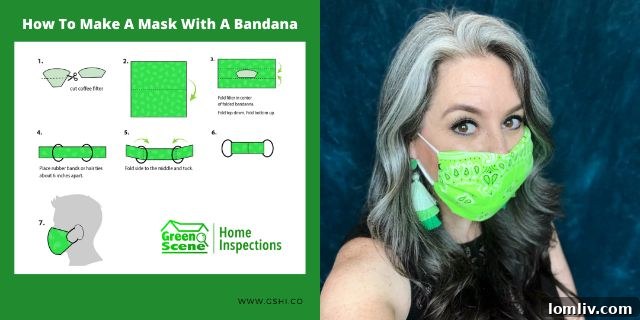
- Adhere Strictly to Safety Protocols for Physical Viewings: When you do decide to physically tour a home, it is imperative to follow stringent safety measures. Always wear a mask, gloves, and shoe coverings. Avoid touching surfaces unnecessarily. Your Realtor should pre-arrange the viewing to ensure minimal contact with other individuals. Maintain social distancing from your agent and any other occupants, if present. Limit the number of people accompanying you on the tour to only essential decision-makers.
- Pre-Screen Thoroughly with Your Agent: Before scheduling a physical tour, have an in-depth discussion with your Realtor about your specific needs, wants, and non-negotiables. This helps your agent curate a list of properties that are truly worth your valuable time and a physical visit, further reducing unnecessary exposure.
- Respect Occupants and Agents: Remember that the home you are touring may still be occupied. Show respect by adhering to all requested safety measures and minimizing your time inside the property. Promptly communicate any health concerns or symptoms to your agent before a scheduled viewing.
Best Practices for Real Estate Professionals: Leading with Responsibility
As the linchpins of the real estate transaction, professionals carry a significant responsibility to protect the health and well-being of their clients, colleagues, and themselves. Leading by example and implementing robust safety protocols are not just good practices; they are essential for maintaining trust and ensuring the continuity of business. The innovations adopted during challenging times have set a new standard for professionalism and client care.
- Prioritize Virtual Engagements: Whenever feasible, conduct appointments and meetings virtually. Utilize video conferencing for initial consultations, buyer/seller presentations, contract reviews, and negotiation discussions. This minimizes physical contact while maintaining clear and effective communication, offering convenience and reducing health risks for all parties.
- Maintain Social Distance and Wear Protective Gear In-Person: When an in-person meeting becomes unavoidable, always wear a mask and strictly maintain social distancing guidelines (at least six feet). Ensure meeting locations are well-ventilated and consider outdoor options when appropriate. This applies to client meetings, property showings, and any other face-to-face interactions.
- Implement Strict Entry Protocols for Properties: Before entering any home, whether for showing, inspection, or appraisal, ensure you and all accompanying parties wear masks, gloves, and shoe coverings. Encourage sellers to leave lights on and interior doors open to minimize touching. Carry hand sanitizer and use it frequently.
- Strategize Appointment Scheduling: Meticulously arrange appointments at properties to ensure minimal contact among all involved parties – Realtors, homeowners, buyers, and various vendors. Stagger appointment times, allocate buffer periods, and communicate clear entry/exit instructions. This prevents overcrowding and reduces the likelihood of multiple groups or individuals overlapping.
- Educate Clients on Safety Protocols: Proactively educate your clients about the safety measures being implemented and what is expected of them. Provide clear guidelines for showings, inspections, and meetings. Transparent communication builds trust and ensures everyone is on the same page regarding health precautions.
- Adopt Digital Tools Extensively: Fully embrace and utilize digital tools for document sharing, e-signatures, virtual property tours, and online marketing. This not only enhances safety but also streamlines workflows, making the transaction process more efficient and accessible for clients.
- Lead by Example and Foster a Culture of Care: As a professional, your actions set the standard. Demonstrate a consistent commitment to safety, both for your clients and your own team. Encourage open communication about health concerns and be prepared to adapt plans as necessary to protect everyone involved.
The real estate industry has proven its ability to adapt and innovate, demonstrating immense resilience in the face of global challenges. We can, and indeed must, continue to get back to business, but we must do so safely and mindfully. Every decision, every interaction, should be guided by a consideration for collective well-being. And, no matter what side of the real estate transaction you find yourself on – whether buying, selling, or facilitating – if you, or someone close to you, has been unwell, always err on the side of caution. Prioritize health and safety above all else, and stay home to prevent any potential spread. By maintaining vigilance and embracing these evolved practices, we can ensure a healthy and successful real estate market for everyone.