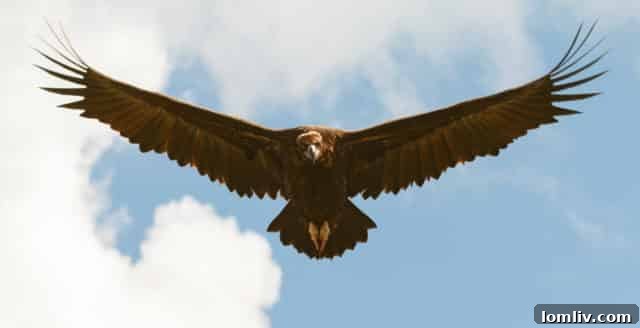
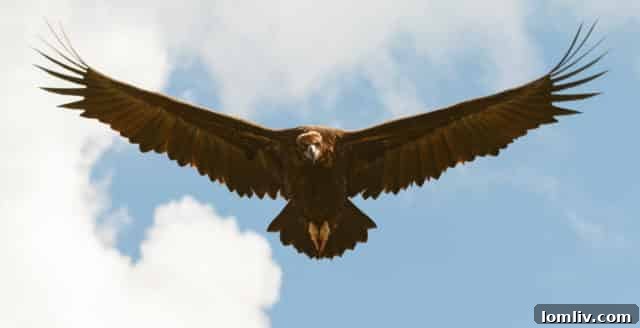
Florida Dream Turns Nightmare: Vultures Invade Luxury West Palm Beach Home
Imagine purchasing your dream luxury vacation home in the sunshine state of Florida, nestled in an exclusive golf and country club. You envision tranquil mornings, leisurely rounds of golf, and peaceful evenings on your pristine patio. Now, imagine that dream shattering as your newly acquired property becomes a battleground, besieged by dozens of aggressive, vomiting, and defecating black vultures. This isn’t a scene from a horror film; it’s the shocking reality for one New York couple who bought a beautiful home in West Palm Beach’s prestigious Ibis Golf and Country Club.
For many, Florida represents an idyllic escape, a place where lush landscapes meet upscale living. However, the abundant wildlife that makes the region so unique can, at times, turn into an unforeseen challenge for homeowners. While most wildlife encounters are benign, some can escalate into full-blown crises, disrupting lives and devaluing property. This particular story highlights the extreme end of human-wildlife conflict, where a peaceful retreat transforms into an uninhabitable zone, all thanks to a flock of determined avian invaders.

The Unexpected Avian Invasion: More Than Just a “Bird Problem”
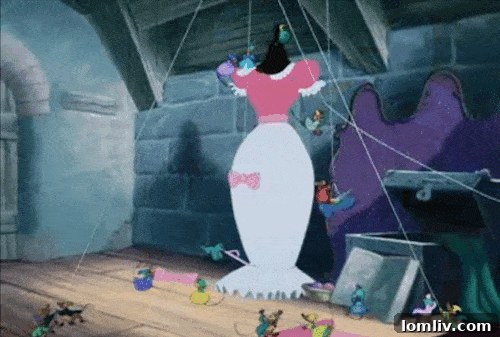
When we talk about “bird problems,” most people conjure images of pigeons on window sills or sparrows nesting in eaves. This, however, is an entirely different beast – or rather, bird. Black vultures, known for their distinctive dark plumage and bald heads, are far from the sweet, song-making creatures often depicted helping cartoon princesses. In reality, these birds can be intimidating, aggressive, and, as our unfortunate homeowners discovered, incredibly destructive.
Historically, vultures play a crucial role in ecosystems as nature’s clean-up crew, scavenging on carrion and preventing the spread of disease. However, their intelligence and adaptability mean they can also become significant nuisances when their habits bring them into conflict with human environments. In this case, the allure of easy food sources and perhaps the relative safety of a residential area proved too strong to resist, leading to a truly vile takeover.
The severity of the situation is amplified by the specific behaviors of these vultures. The original story humorously (and terrifyingly) recounts an incident where a bird dropped a dead rabbit on a car. While a personal anecdote, it underscores the unpredictable and sometimes grotesque nature of these creatures. Their lack of fear, combined with their sheer size and power, makes them formidable opponents for any homeowner.
Imagine stepping out of your car, only to be “pecked by the vultures when trying to get from their car to the house,” as the afflicted family reported. This isn’t just an inconvenience; it’s a direct threat, turning a simple task like entering your own home into a harrowing gauntlet. The physical damage they inflict on property pales in comparison to the psychological toll of constantly being under siege by these winged aggressors.
The Vulture’s Reign of Terror: Vomit, Feces, and Property Devastation
As reported by an Associated Press story, “A New York couple’s luxurious vacation house in Florida has been taken over by dozens of black vultures that are vomiting and defecating everywhere.” This concise description paints a vivid, albeit repulsive, picture of the chaos. Black vultures are known to regurgitate their stomach contents as a defense mechanism or to lighten their load for flight. When dozens of these birds engage in such behavior on a residential property, the result is nothing short of an environmental disaster.

The damage extends far beyond mere aesthetic unsightliness. Vulture vomit and feces are highly acidic and corrosive. They can strip paint off cars, etch windows, damage roofs, and contaminate swimming pools. The constant barrage of waste creates an unsanitary environment, posing potential health risks from bacteria and pathogens. Imagine the cost and effort required to constantly clean and repair a home under such relentless assault.
The severity of this issue is further underscored by a neighbor’s horrifying account. She described a scenario where “20 vultures trapped, biting each other — and they can bite through bones,” within her pool enclosure. “They would bang against my windows running away from a bird that was attacking them. Blood was everywhere. It was a vile, vicious, traumatic event.” This chilling narrative highlights the violent and chaotic nature of these birds when agitated or confined, turning a relaxing pool area into a scene of carnage. The psychological trauma of witnessing such an event, especially on a holiday like Memorial Day when help is scarce, is immense.
The Root of the Problem: An Overzealous Neighbor and Protected Status
Perhaps the most frustrating aspect of this ordeal for the homeowners is the perceived cause and the legal limitations. Residents in the neighborhood point fingers at a specific neighbor who is “excessively feeding the wildlife, putting out bags of dog food and roasted chickens for the vultures.” While well-intentioned, such actions create an artificial and dangerous attractant, drawing large numbers of these birds to residential areas and encouraging them to lose their natural fear of humans. This human intervention directly contributes to the human-wildlife conflict, making it incredibly difficult for other residents to live peacefully.
Compounding the issue is the legal protection afforded to black vultures. As migratory birds, they are safeguarded by federal law under the Migratory Bird Treaty Act. This act makes it illegal to harass, capture, injure, or kill them without a permit. For homeowners, this means their options are severely limited. They cannot simply remove the birds themselves, no matter how dire the situation becomes. This legal constraint often leaves property owners feeling helpless, caught between a rock and a hard place with their valuable investments at risk.
Failed Deterrents and the Search for Solutions
Desperate measures have been attempted to deter the avian squatters, with little to no success. One neighbor, for instance, tried deploying “fake owls with blinking lights and moving heads in hopes they’d scare the vultures away.” This common method often works for smaller, less intelligent birds, but black vultures proved far too clever and aggressive. Her disheartening report? “They ripped the heads off.” This grim outcome underscores the vultures’ bold and destructive nature, suggesting that standard deterrents are simply no match for their determination.

So, what can be done when a luxury Florida vacation home becomes a vulture-infested nightmare? Homeowners in such predicaments often need to consult with wildlife management specialists who can navigate the complexities of federal protections. Strategies might include hazing techniques (using loud noises or lasers, with proper permits), installing specialized netting or exclusionary devices, or in extreme cases, applying for depredation permits from the U.S. Fish and Wildlife Service, which allow for limited, legal removal or lethal control of a small number of birds. However, obtaining such permits can be a lengthy and challenging process, and often requires proof that non-lethal methods have been exhausted.
The plight of this West Palm Beach couple serves as a stark reminder of the unpredictable challenges that can arise from living in close proximity to wildlife, especially in biodiverse regions like Florida. It highlights the delicate balance between enjoying nature and managing its potential downsides, particularly when human actions (like feeding wildlife) exacerbate existing problems. For now, their luxury dream home remains an uninhabitable, vulture-occupied zone, leaving many to wonder if anyone would truly want to buy a golf course home in Florida under these circumstances. Perhaps it is going for “pretty cheep” right now – a small jest in the face of a truly fowl situation.
Beyond the Birds: Implications for Florida Real Estate and Homeowners
This incident also raises significant questions for the broader Florida real estate market, especially for high-value properties in communities like the Ibis Golf and Country Club. While a single incident might seem isolated, persistent wildlife issues can significantly impact property values, homeowner enjoyment, and the overall appeal of a luxury development. Prospective buyers might become wary, demanding assurances regarding wildlife management plans or considering properties in areas less prone to such conflicts.
For current homeowners in affected areas, the ongoing battle against nuisance wildlife can lead to increased maintenance costs, insurance complications, and considerable stress. The emotional toll of investing in a dream property only to find it unusable due to circumstances largely beyond one’s control is profound. It underscores the importance of thorough due diligence when purchasing property in areas rich in wildlife, and the need for communities to have robust, proactive wildlife management strategies in place.
Ultimately, the story of the West Palm Beach vultures is a powerful narrative about the collision of human aspirations and the untamed natural world. It’s a testament to the unexpected ways in which paradise can be lost, and a cautionary tale for anyone dreaming of a perfect, problem-free life in the Sunshine State. Until a lasting solution is found, this luxurious Florida vacation home remains a testament to nature’s formidable power and the perplexing challenges of human-wildlife coexistence.