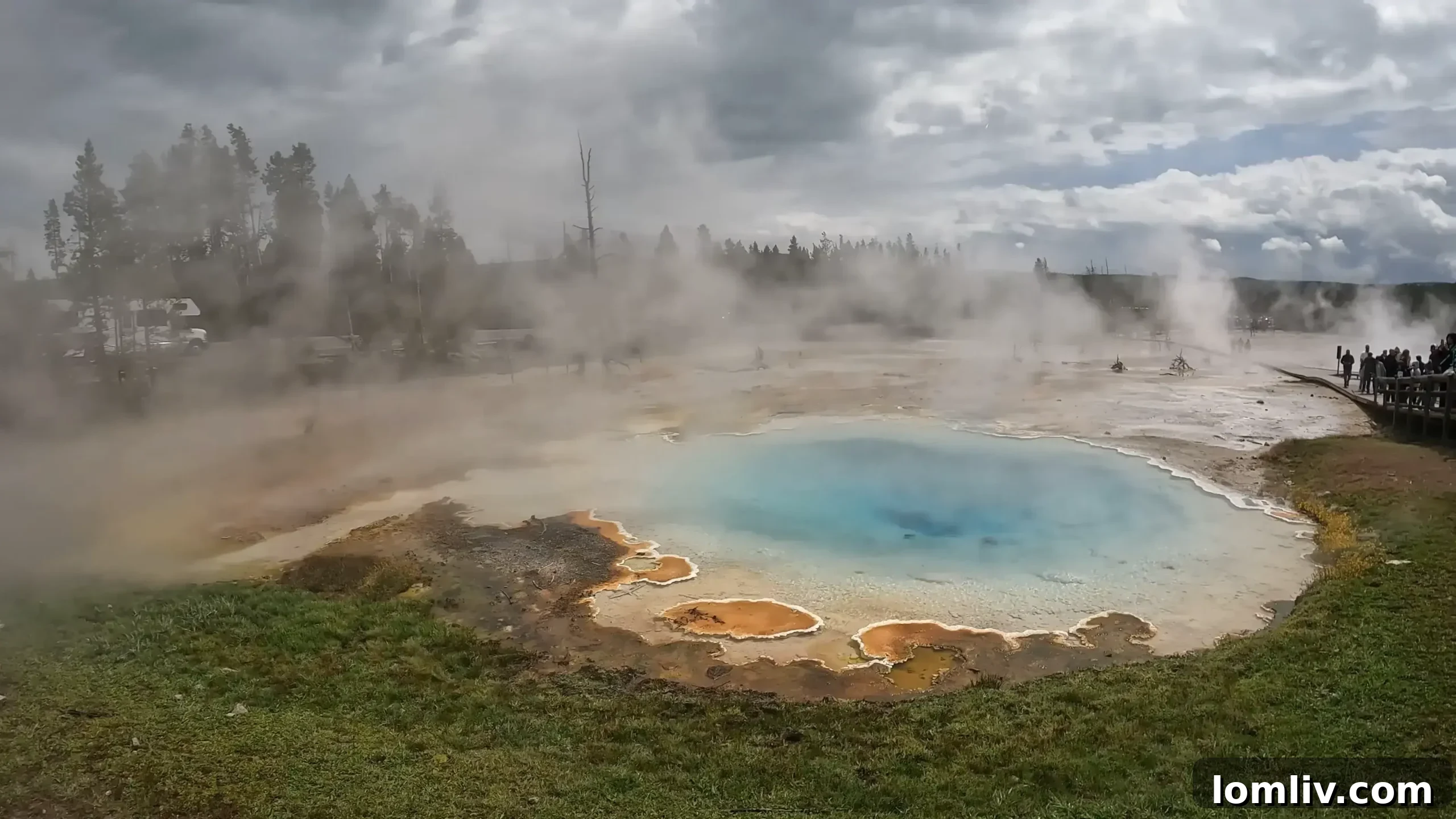
Yellowstone National Park stands as an unparalleled testament to nature’s raw power and breathtaking beauty, proudly holding the distinction of being America’s and indeed, the world’s, first national park. Established in 1872, this iconic wilderness area spans across Wyoming, Montana, and Idaho, captivating millions of visitors annually with its extraordinary geological wonders, diverse ecosystems, and abundant wildlife. More than just a scenic destination, Yellowstone offers a profound journey into the heart of an active supervolcano, revealing the Earth’s dynamic forces through an unmatched concentration of geothermal features. This comprehensive guide aims to illuminate the many facets of Yellowstone, providing invaluable insights and practical tips to ensure your visit is not only unforgettable but also deeply enriching, allowing you to fully immerse yourself in one of the planet’s most spectacular natural treasures.
The Geothermal Marvels of Yellowstone: A World Beneath Your Feet
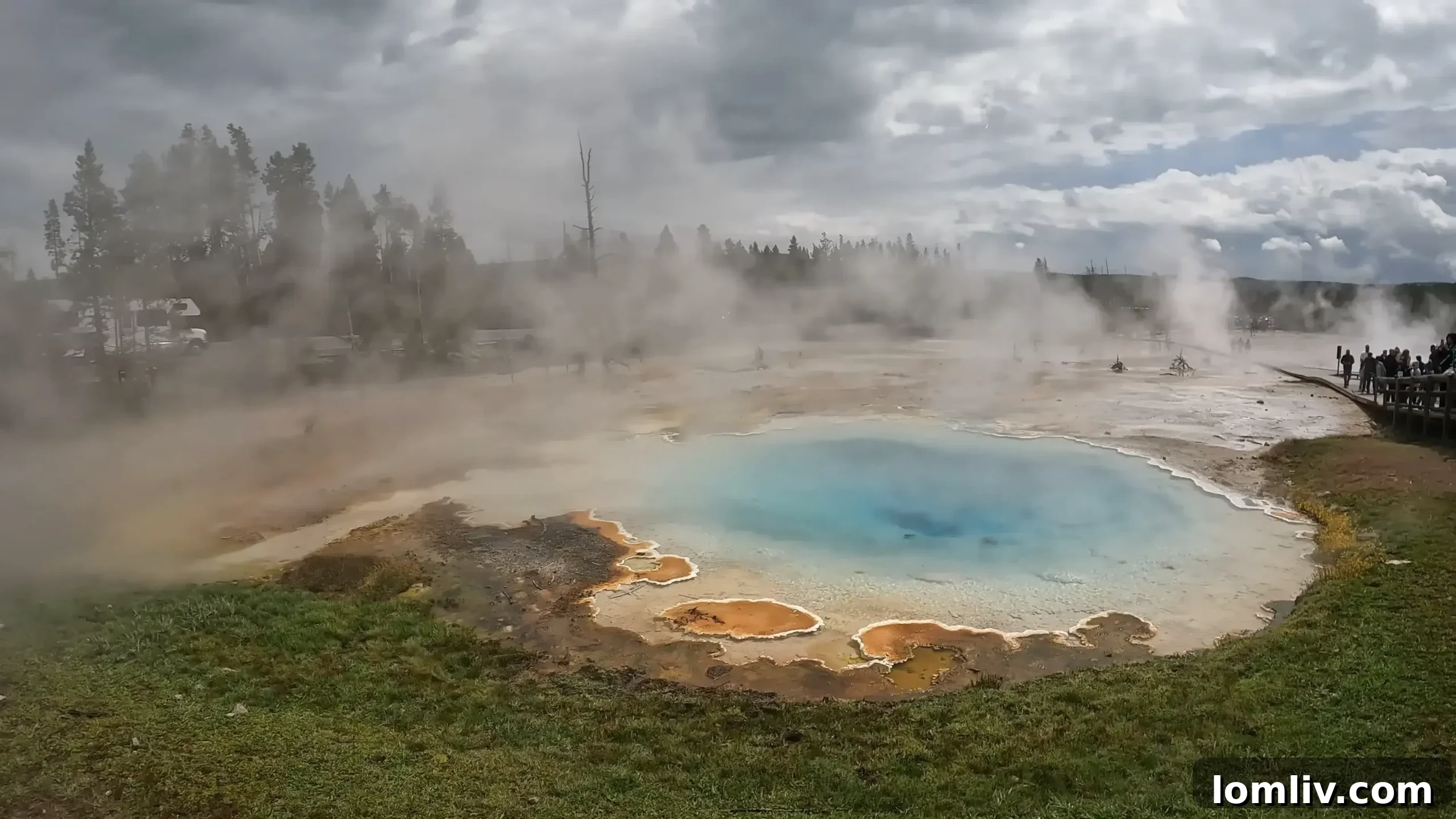
Yellowstone’s reputation is largely built upon its astounding geothermal landscape, a direct consequence of its location atop one of the world’s largest active supervolcanoes. This geological hotspot fuels an incredible array of features, from roaring geysers and vibrant hot springs to bubbling mud pots and steaming fumaroles, making it a living laboratory for geologists and a source of endless fascination for visitors. The park boasts over 10,000 geothermal features, representing more than half of all known geothermal features on Earth. Exploring these unique formations offers a rare glimpse into the powerful forces shaping our planet, providing a truly unique and awe-inspiring experience that distinguishes Yellowstone from any other natural area globally.
Old Faithful: Yellowstone’s Enduring Icon
No trip to Yellowstone is complete without witnessing the magnificent eruption of Old Faithful, arguably the world’s most famous geyser and a true emblem of the park. Renowned for its remarkable predictability, Old Faithful erupts approximately every 60 to 110 minutes, launching thousands of gallons of superheated water to heights of 100 to 180 feet. This awe-inspiring spectacle, occurring reliably for centuries, draws crowds eager to marvel at nature’s precise timing. Visitors can consult prediction times posted at the visitor center to plan their viewing experience, often finding excellent vantage points from the surrounding boardwalks and seating areas. Beyond its impressive display, Old Faithful serves as a poignant reminder of the Earth’s enduring power and the delicate balance of geological processes that allow such wonders to exist.
Grand Prismatic Spring: A Kaleidoscope of Color
Prepare to be mesmerized by the Grand Prismatic Spring, the largest hot spring in the United States and a true masterpiece of natural artistry. This colossal thermal pool is celebrated for its breathtaking, vivid coloration, which mirrors the colors of a rainbow. The deep indigo center gradually transitions through brilliant greens and yellows, culminating in fiery oranges and reds around its edges. These spectacular hues are not due to minerals but are created by mats of thermophilic (heat-loving) bacteria and microorganisms thriving in the extreme temperatures of the spring. Each color band represents a different species of bacteria adapted to specific temperature ranges, creating an organic, living rainbow. Boardwalks provide visitors with safe and spectacular viewpoints, allowing for an immersive experience of this unparalleled natural wonder, particularly from the accessible Fairy Falls Trail overlook, which offers panoramic vistas.
Mammoth Hot Springs: Nature’s Evolving Limestone Sculptures
In the northern region of Yellowstone lies Mammoth Hot Springs, a distinct and captivating geothermal area unlike any other in the park. Here, rather than explosive geysers or vast colorful pools, visitors encounter a surreal landscape of terraced travertine formations. Hot, acidic water from deep within the Earth rises to the surface, carrying dissolved limestone. As the water cools and evaporates upon exposure to the air, it deposits layers of calcium carbonate, forming intricate, ever-changing terraces, cascades, and pools. This continuous process creates a living sculpture, with new formations constantly emerging and old ones becoming dormant. The Upper and Lower Terraces offer miles of boardwalks and trails, allowing visitors to walk among these steaming, mineral-laden formations and observe the geological processes in action. The unique white, yellow, and orange hues of the travertine, combined with the steamy atmosphere, create an otherworldly landscape that is both beautiful and scientifically fascinating.
Wildlife Viewing Opportunities: A Haven for North American Fauna
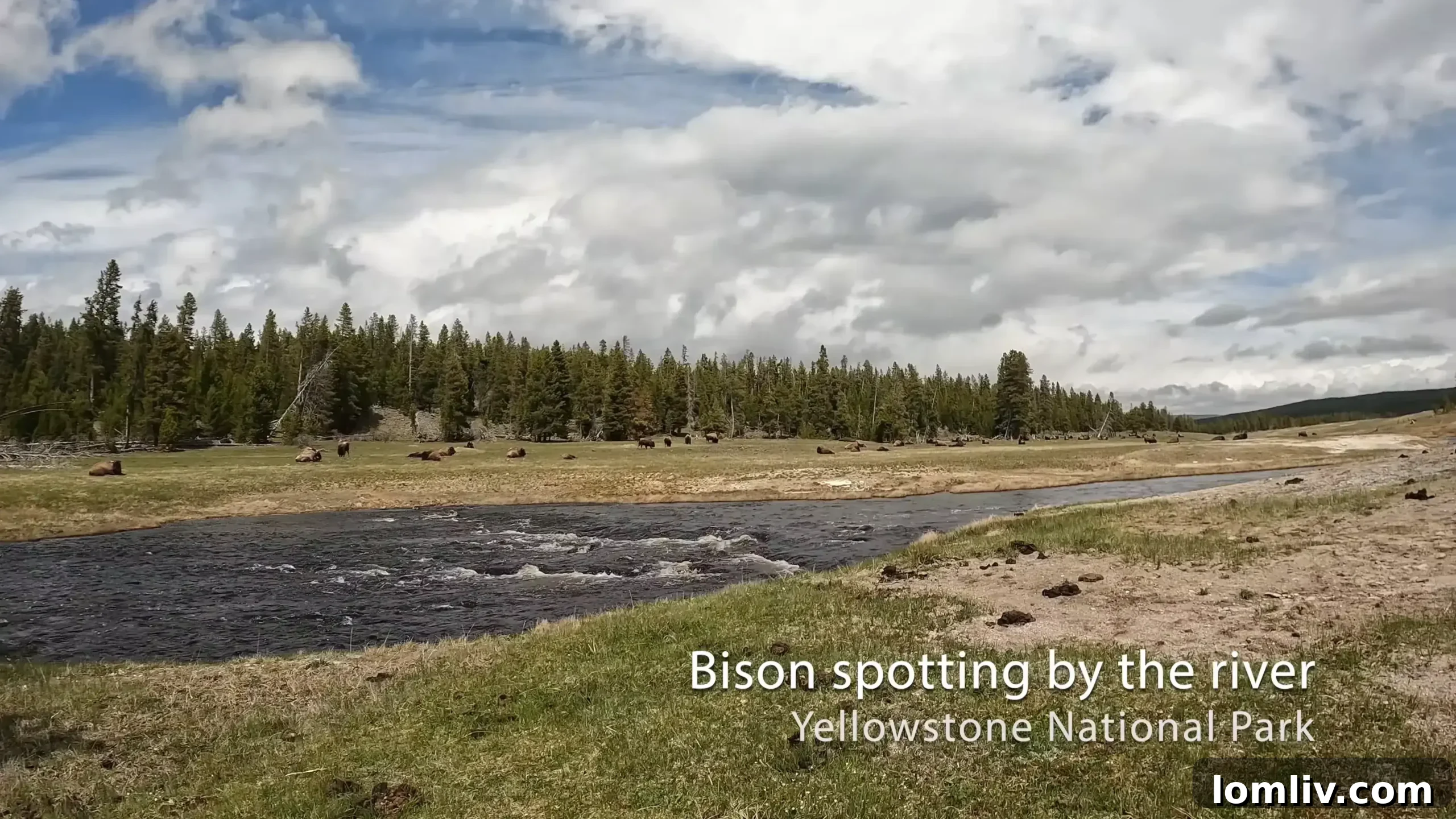
Beyond its geothermal wonders, Yellowstone National Park is a thriving sanctuary for wildlife, representing one of the most intact large ecosystems in the temperate zone. It is a genuine paradise for wildlife enthusiasts and photographers, offering unparalleled opportunities to observe iconic North American animals in their natural habitats. The park’s vast and varied landscapes – from sweeping valleys and dense forests to alpine meadows and river corridors – support a rich diversity of species. Visitors often encounter a remarkable array of animals, including bears, wolves, elk, moose, bighorn sheep, and a myriad of bird species. To ensure both visitor safety and animal welfare, it’s crucial to always maintain a safe distance from wildlife, use binoculars or telephoto lenses for viewing, and never feed or approach any animal. Adhering to these guidelines allows for respectful and rewarding wildlife encounters that create lasting memories.
Bison: The Resurgent Symbol of the American West
Yellowstone is home to the largest, oldest, and continuously free-ranging wild bison herd in North America, making it a critical stronghold for this majestic species. These colossal mammals, weighing up to 2,000 pounds, are an iconic symbol of the American West and can frequently be seen grazing peacefully in the park’s expansive meadows, particularly in Hayden Valley and Lamar Valley. Their presence is a testament to successful conservation efforts after they faced near extinction in the late 19th century. Observing a herd of bison, whether they are wallowing, grazing, or even crossing the road in front of your vehicle, offers an incredibly humbling and primal experience. Remember to keep a minimum distance of 25 yards from bison, as despite their seemingly docile nature, they are wild and powerful animals capable of swift movements if they feel threatened.
Wolves: The Return of a Keystone Species and Ecological Restoration
The reintroduction of gray wolves to Yellowstone in the mid-1990s represents one of the most successful and impactful conservation stories in modern history. As a “keystone species,” wolves have dramatically reshaped the park’s ecosystem, creating a healthier, more balanced environment through what scientists call a “trophic cascade.” Their return has influenced everything from elk grazing patterns, which has allowed willow and aspen groves to recover, to beaver populations and river dynamics. While elusive, sighting a wolf in the wild is a deeply moving experience. Lamar Valley, often dubbed the “Serengeti of North America,” is one of the best places for wolf-watching, particularly at dawn and dusk. Many visitors join guided wolf-watching tours, led by experienced naturalists, which significantly increase the chances of locating these intelligent predators and understanding their vital role in Yellowstone’s intricate web of life.
Bears: Grizzlies and Black Bears in Their Natural Habitat
Yellowstone provides critical habitat for both grizzly bears and black bears, offering visitors the thrilling possibility of encountering these magnificent creatures. While a sighting is never guaranteed and requires patience and a bit of luck, the park is one of the few places in the Lower 48 states where grizzlies can still roam freely. Black bears, typically smaller and with a broader range of coat colors (not always black), are more common and often found in forested areas. Grizzlies, characterized by a shoulder hump and a dished face, prefer more open landscapes and denser backcountry. Encounters with bears are among the most memorable wildlife experiences in Yellowstone, but they also necessitate strict adherence to safety protocols. Always carry bear spray and know how to use it, store food properly, make noise while hiking, and maintain a distance of at least 100 yards from bears. Respecting their space is paramount for both your safety and their continued well-being.
Scenic Drives and Hiking Trails: Unveiling Yellowstone’s Diverse Landscapes
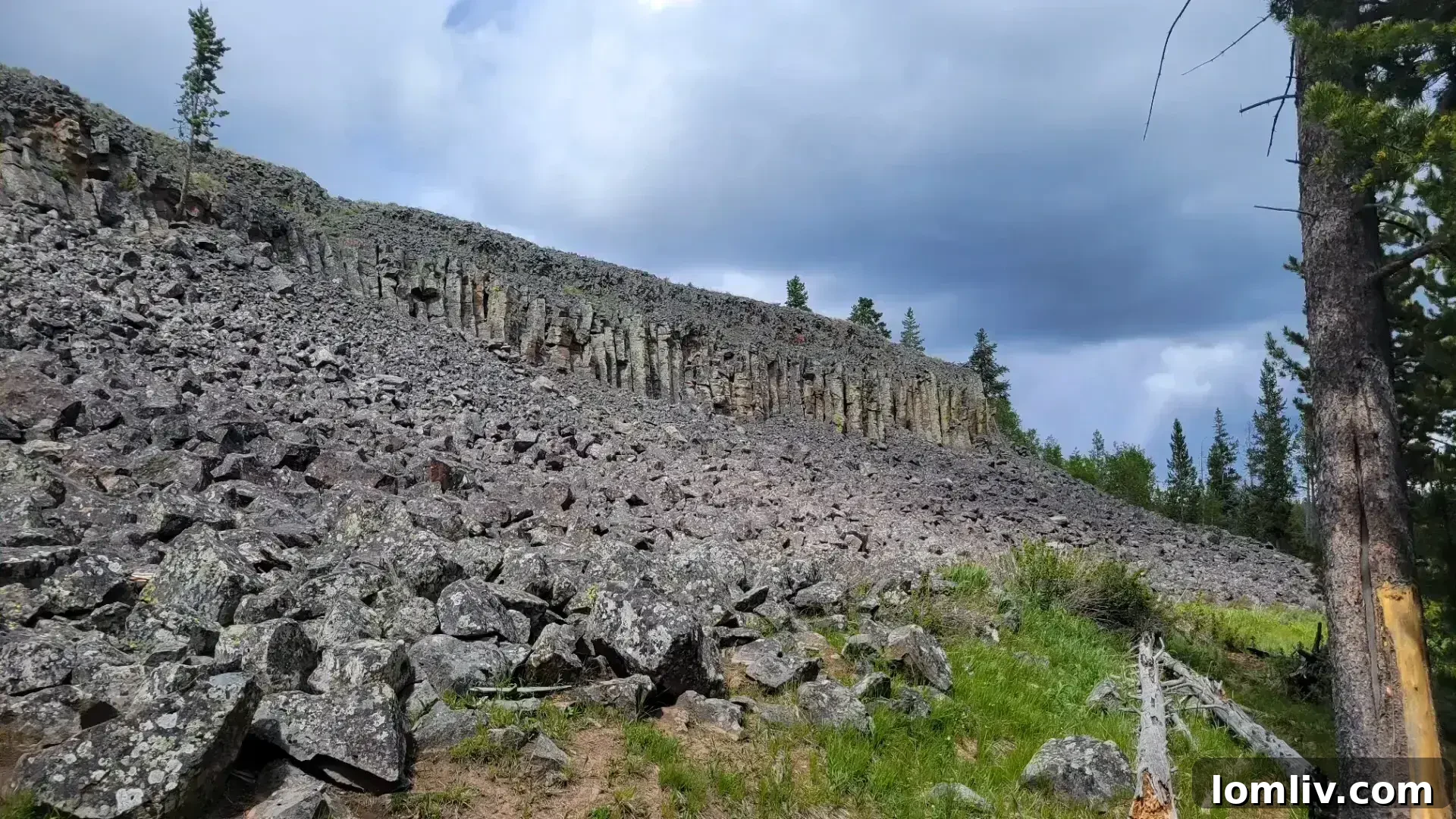
Yellowstone’s immense size and varied topography lend themselves perfectly to exploration by both vehicle and on foot. The park’s extensive network of scenic drives offers accessible ways to experience its grandeur, while hundreds of miles of hiking trails invite deeper immersion into its pristine wilderness. Whether you prefer a leisurely drive with frequent stops for photography and wildlife spotting, or a challenging backcountry trek to remote thermal basins and alpine peaks, Yellowstone caters to every level of outdoor enthusiast. These varied avenues of exploration ensure that every visitor can connect with the park’s stunning landscapes and diverse ecosystems in a way that suits their adventurous spirit.
Grand Loop Road: The Park’s Lifeline
The 142-mile Grand Loop Road serves as the primary artery of Yellowstone, forming a figure-eight that connects all of the park’s major attractions and geothermal basins. This iconic scenic drive is divided into the Upper Loop and Lower Loop, each offering distinct landscapes and points of interest. The Lower Loop guides visitors through iconic sites like Old Faithful, Grand Prismatic Spring, and Yellowstone Lake, while the Upper Loop ventures through areas like Mammoth Hot Springs, Lamar Valley, and the Grand Canyon of the Yellowstone. Traversing the Grand Loop Road reveals a constantly changing panorama, from vast sagebrush valleys and lush evergreen forests to rugged mountain passes and steaming thermal areas. Plan for ample time, as wildlife jams and frequent photo opportunities mean average speeds are often much slower than anticipated. Driving the entire loop takes a full day, but most visitors spend several days exploring its various sections.
Hiking Trails for All Skill Levels: Journey into the Wild
With over 900 miles of marked trails, Yellowstone provides an unparalleled opportunity to escape the crowds and delve into its breathtaking wilderness on foot. The trails range from easy, accessible boardwalks meandering through geothermal areas to strenuous, multi-day backcountry expeditions. Hiking offers a unique perspective on the park’s natural wonders, allowing for close-up views of wildflowers, hidden thermal features, and increased chances of wildlife encounters. Essential hiking gear includes sturdy footwear, layers of clothing, plenty of water, and bear spray. Always inform someone of your itinerary and be prepared for rapidly changing weather conditions.
- Fairy Falls Trail: This moderate, approximately 5-mile round trip hike is a popular choice, leading to the beautiful 200-foot Fairy Falls. The trail offers a rewarding journey through lodgepole pine forests and an incredible vantage point overlooking the Grand Prismatic Spring and Excelsior Geyser Crater along the way, providing a stunning prelude to the waterfall itself.
- Mount Washburn Trail: For those seeking a challenge and panoramic rewards, the strenuous 6.2-mile round trip hike to the summit of Mount Washburn is a must. Ascending to over 10,000 feet, the trail offers breathtaking 360-degree views of the Yellowstone caldera, the Absaroka Mountains, and Yellowstone Lake. The historic fire lookout tower at the top provides shelter and interpretive displays, and hikers often spot bighorn sheep in the rocky terrain.
- Storm Point Loop: An accessible and highly rewarding easy 2.3-mile loop trail, Storm Point offers stunning views of Yellowstone Lake and its surrounding shoreline. This trail meanders through pine forests and along the lake’s edge, often revealing interesting thermal features right on the beach. It’s a fantastic spot for birdwatching and, during calmer periods, provides a peaceful escape with picturesque photographic opportunities.
Seasonal Considerations: Experiencing Yellowstone Year-Round

Yellowstone’s climate is characterized by dramatic seasonal shifts, transforming the park into vastly different landscapes throughout the year. Each season presents unique opportunities and challenges, influencing visitor experience, available activities, and wildlife viewing potential. Understanding these seasonal nuances is key to planning a trip that aligns with your expectations, whether you seek the vibrancy of peak season or the serene solitude of winter. Regardless of when you visit, being prepared for rapidly changing weather conditions is always essential, as Yellowstone’s high elevation means conditions can vary significantly even within a single day.
Summer: Peak Season and Vibrant Activity
Summer, from late June to early September, is Yellowstone’s busiest and most popular season. With generally pleasant temperatures, longer daylight hours, and all park roads and facilities typically open, it’s an ideal time for extensive exploration. The entire park is accessible, offering a full range of hiking, camping, and sightseeing opportunities. However, the popularity of summer also means significant crowds, especially at major attractions like Old Faithful and Grand Prismatic Spring. To enhance your experience, consider visiting popular spots early in the morning or late in the afternoon, explore less-trafficked trails, and make reservations for accommodations, tours, and popular activities well in advance – often months ahead of your visit.
Fall: Colorful Landscapes and Heightened Wildlife Activity
Autumn, typically from mid-September through October, is often regarded as a favorite season by many returning visitors. As the summer crowds dissipate and cooler temperatures set in, the park undergoes a magnificent transformation. Aspen and cottonwood trees blaze with vibrant golden hues, providing a stunning backdrop for photography. This period is also one of the best times for wildlife viewing, as animals become more active in preparation for winter. Elk bugling season, a dramatic spectacle of rutting bulls calling across the valleys, is a major highlight. While some facilities begin to close down in October, the crisp air, fewer crowds, and stunning colors make fall an incredibly rewarding time to experience Yellowstone’s natural splendor.
Winter: A Snowy Wonderland of Solitude
Winter in Yellowstone, from November to April, transforms the park into a tranquil, snow-covered wonderland, offering an entirely different and profoundly peaceful experience. Most park roads close to regular vehicle traffic, except for the road between the North Entrance (Gardiner, Montana) and the Northeast Entrance (Cooke City, Montana), which remains open year-round. Access to the interior of the park during winter is primarily via guided snowmobile or snowcoach tours, cross-country skiing, or snowshoeing. This quiet season allows for unique opportunities to observe wildlife against the pristine white landscape, with steaming thermal features creating dramatic contrasts in the cold air. The profound solitude and stark beauty of Yellowstone in winter create an unforgettable, almost spiritual, connection with nature.
Spring: Renewal and the Emergence of Life
Spring, from April to May, is a season of renewal in Yellowstone, marked by melting snows, bursting wildflowers, and the joyous appearance of newborn wildlife. As roads gradually reopen, visitors witness the park awakening from its winter slumber. While some higher elevation areas may still be snow-covered and certain trails might be muddy, the shoulder season offers fewer crowds than summer and excellent opportunities to spot elk calves, bison babies, and bear cubs with their mothers. Spring weather can be highly unpredictable, ranging from warm, sunny days to late-season snowstorms, so packing layers is essential. This period offers a unique chance to witness the rebirth of the ecosystem and experience the park’s serene beauty before the peak summer season arrives.
Planning Your Visit: Essential Tips for a Seamless Adventure
A well-planned trip is crucial for maximizing your Yellowstone adventure and ensuring a safe and enjoyable experience. Given the park’s vast size, varied terrain, and immense popularity, a little preparation goes a long way. Consider these essential tips to make the most of your journey into this extraordinary wilderness:
- Book Accommodations Well in Advance: Yellowstone’s popularity means lodging inside the park, including historic lodges and campgrounds, books up quickly, often a year or more out for peak summer dates. If in-park lodging is unavailable, gateway towns like West Yellowstone, Gardiner, Cooke City, and Jackson Hole offer various options.
- Research and Plan Your Itinerary: Given the park’s size, it’s impossible to see everything in a short visit. Prioritize the areas and activities that interest you most (e.g., geothermal features, wildlife viewing, hiking). Create a flexible daily plan, but be prepared for unexpected wildlife sightings or traffic delays.
- Pack Appropriate Clothing and Gear: Yellowstone weather is famously unpredictable. Pack layers of clothing for all seasons, including waterproof outerwear, sturdy hiking boots, a hat, gloves, and sun protection. Don’t forget binoculars for wildlife viewing, a camera, and plenty of water.
- Follow Park Rules and Safety Guidelines: Adhere strictly to all park regulations. This includes maintaining safe distances from wildlife (at least 25 yards from bison/elk, 100 yards from bears/wolves), staying on marked trails and boardwalks in geothermal areas, and practicing Leave No Trace principles. Carry bear spray and know how to use it if you plan to hike.
- Consider Hiring a Guide or Joining a Tour: Especially for activities like wildlife watching, backcountry hiking, or winter excursions, a knowledgeable local guide can significantly enhance your experience, offering deeper insights into the park’s ecology, geology, and history, and often leading you to hidden gems.
- Stay Hydrated and Fuel Up: Carry plenty of water, especially when hiking, and snacks. Dining options within the park can be limited or crowded, so packing a cooler with essentials can be very beneficial.
- Be Aware of Limited Connectivity: Cell service is patchy at best throughout most of the park. Download offline maps and information before your trip.
When planning your trip, remember that property management Yellowstone services can provide comfortable and convenient accommodations in nearby areas, allowing you to fully immerse yourself in the park’s natural beauty without the stress of last-minute bookings. These options often offer a home-away-from-home experience, perfect for families or longer stays.
Preserving Yellowstone for Future Generations: A Collective Responsibility
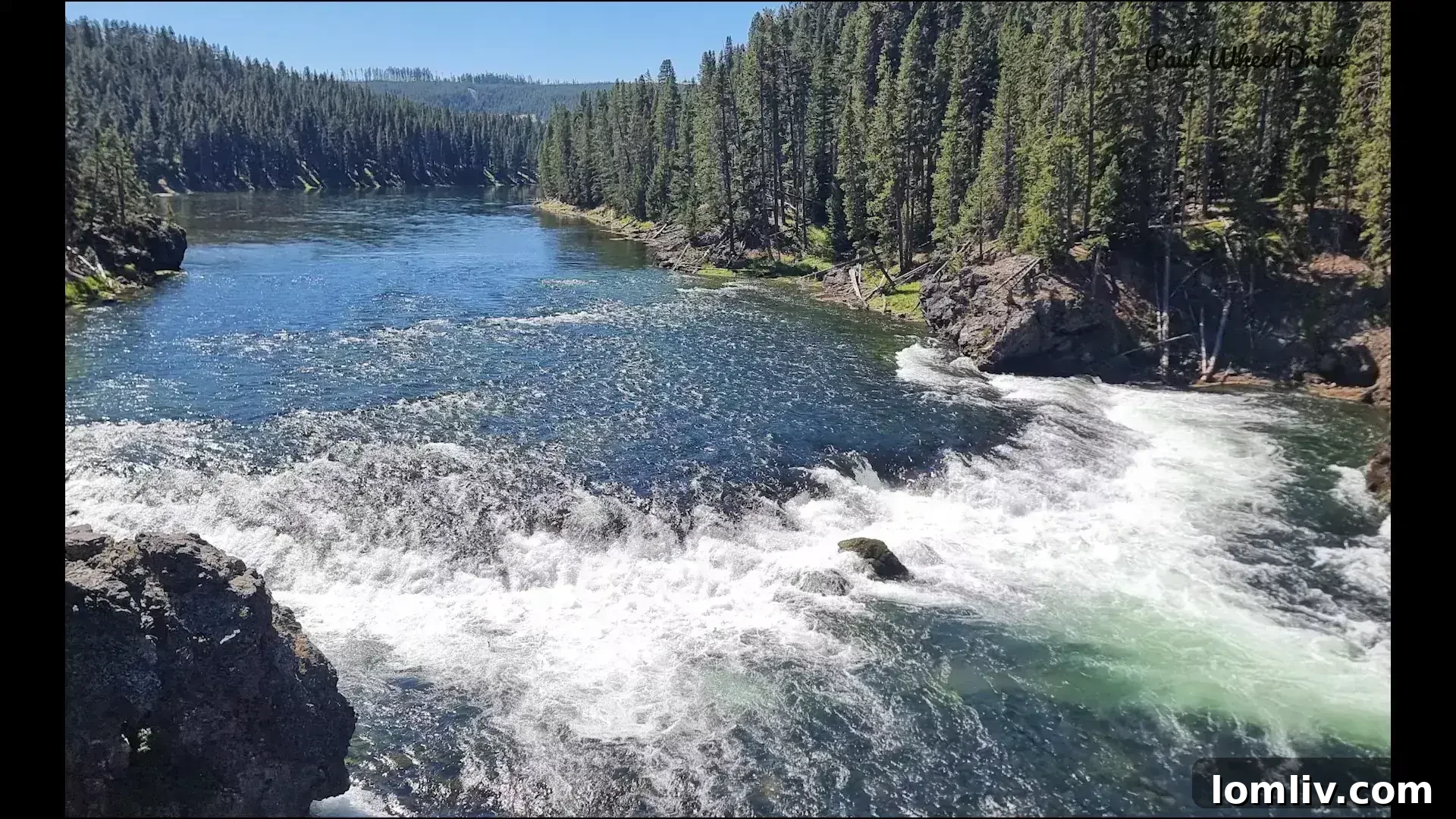
Yellowstone National Park is a priceless natural heritage site, a global treasure whose fragile ecosystems and unique wonders require our collective care and commitment. As visitors, we bear a significant responsibility to protect this irreplaceable landscape so that its majesty can continue to inspire and amaze countless future generations of nature lovers. Adhering to the “Leave No Trace” principles is fundamental to this preservation effort: plan ahead and prepare, travel and camp on durable surfaces, dispose of waste properly, leave what you find, minimize campfire impacts, respect wildlife, and be considerate of other visitors. Every action, no matter how small, contributes to the health and longevity of the park. By acting as responsible stewards, we ensure that Yellowstone’s geysers will continue to erupt, its wildlife will thrive, and its pristine landscapes will remain a sanctuary for both nature and the human spirit.
In Summary
Yellowstone National Park is more than just a destination; it is an unrivaled journey into the raw power and exquisite beauty of the natural world. From the predictable grandeur of Old Faithful and the kaleidoscopic splendor of Grand Prismatic Spring to the abundant wildlife roaming its vast valleys and the endless trails winding through its diverse ecosystems, Yellowstone stands as one of the planet’s most iconic natural wonders, a place that truly must be seen to be believed. It challenges our perceptions, humbles our spirits, and deepens our appreciation for the intricate balance of nature. Plan your visit thoughtfully, approach the park with respect and a profound sense of wonder, and you will undoubtedly leave with a lifetime of cherished memories, a renewed spirit, and a greater understanding of why preserving every inch of our natural heritage is not just a duty, but a privilege.