For years, I’ve closely tracked and reported on the dynamic landscape of new real estate developments, particularly in rapidly evolving areas like Oak Lawn and Preston Hollow. Many readers have followed the complex narratives, such as the PD-15 sagas, with an engagement akin to watching a compelling reality series unfold. As major metropolitan areas like Dallas experience unprecedented growth, urban development naturally extends into more neighborhoods. This expansion presents both challenges and opportunities, and by cutting through the typical friction and misunderstanding, we can uncover vital lessons for communities navigating these changes.
Understanding the intricacies of urban planning and development is crucial for residents, community leaders, and developers alike. This article aims to demystify the process, offering actionable insights and strategic advice for fostering productive engagement between communities and development projects. It’s about moving beyond reactive opposition to proactive, informed participation that shapes the future of our neighborhoods positively.
Navigating Real Estate Development: By-Right vs. Zoning Cases
At the heart of any new construction project lies a fundamental distinction: whether it’s a “by-right” development or one that necessitates a “zoning case.” This difference dictates the level of community input and regulatory approval required, profoundly influencing a project’s trajectory and potential impact on a neighborhood.
Understanding By-Right Development
A “by-right” development is straightforward. It refers to a construction project that fully complies with the existing zoning regulations and land use codes for a particular parcel of land. In such scenarios, the developer possesses the inherent legal “right” to proceed. There’s minimal room for negotiation or alteration from external parties, including neighbors or community groups. Once a building permit is filed and found to meet all established criteria, the project can commence. While this streamlines the development process, it also means communities often have little recourse to influence details or prevent projects they might deem undesirable, even if they prefer a different vision for the site. This type of development underscores the importance of well-crafted, forward-thinking zoning ordinances that reflect community desires before specific projects arise.
The Complexity of Zoning Cases
The real dynamic interaction between developers and communities emerges in “zoning cases.” These occur when a proposed development deviates in any way from the property’s underlying zoning. This could involve requesting a change in density, height limits, land use (e.g., commercial in a residential zone), setback requirements, or other specific conditions. Any such variance necessitates an official approval process, transforming the project into a public matter.
These cases are formally filed at City Hall and are subject to extensive review. Crucially, they are publicized within the immediate vicinity of the proposed site, typically notifying property owners within 500 feet of the project’s boundaries. The path to approval involves rigorous scrutiny from both the City Plan Commission and, ultimately, the City Council. It is within this multi-stage process that community engagement becomes not just beneficial, but often critical. This period between filing and final approval is often characterized by intensive community “wooing,” where developers seek to garner neighborhood support to facilitate a smoother, more successful approval process.
For residents and community associations, understanding the mechanics of zoning cases is paramount. This knowledge empowers them to engage effectively, voice concerns, propose modifications, and potentially shape the outcome of projects that will directly impact their quality of life and property values for decades to come.
Why Engagement is Crucial for Both Developers and Communities
When it comes to projects requiring zoning changes, the interaction between developers and the local community transitions from an optional courtesy to a strategic imperative. The larger and more impactful the proposed variance, the less inclined a developer will be to pursue city approval without a substantial degree of neighborhood support. This isn’t merely about good public relations; it’s deeply rooted in the regulatory framework and the practical realities of urban development.
The Regulatory Incentive: The Super-Majority Rule
One of the primary drivers for developer engagement is the “super-majority rule.” Should a proposed zoning change generate significant opposition—specifically, if more than 20 percent of property owners within 200 feet of the project’s perimeter return a city ballot opposing the development—the project then requires a three-quarters approval vote from the City Council to proceed. This elevates the hurdle significantly, making outright community opposition a formidable challenge for any developer. While the city typically ballots property owners within 500 feet, it is the 20 percent opposition threshold within the closer 200-foot radius that triggers this stringent super-majority requirement. This regulation serves as a powerful incentive for developers to genuinely address community concerns and build consensus early in the process.
Fostering Positive Neighborly Relations
Beyond legal requirements, many developers genuinely aspire to be good corporate citizens and maintain positive relationships within the communities where they operate. They understand that their projects will become permanent fixtures, and local support can significantly ease not only the approval process but also the ongoing relationship during and after construction. A community that feels heard and respected is far more likely to embrace a new development than one that feels bulldozed. This mutual respect also translates into practical benefits, such as smoother permit processing at City Hall, where a show of strong neighborhood support can act as a lubricant for bureaucratic wheels.
Enhancing Project Quality Through Local Insight
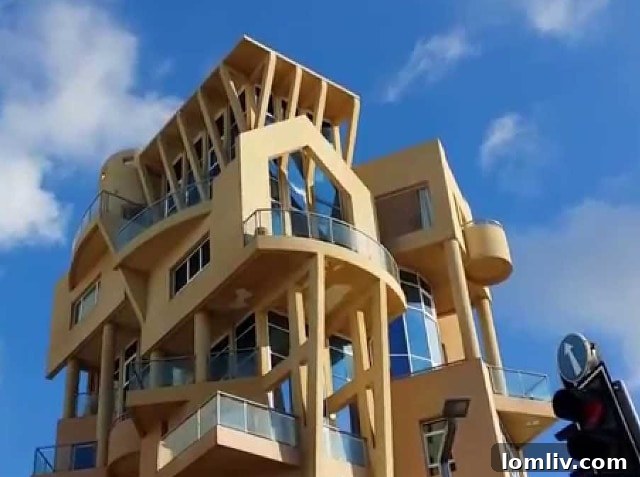
Perhaps one of the most underrated benefits of robust community engagement is the tangible improvement it can bring to the project itself. Local residents possess an intimate, nuanced understanding of their neighborhood—its history, character, traffic patterns, infrastructure, and unique needs—that developers, despite their best intentions, may not initially grasp. This local insight can lead to design modifications that significantly enhance a project’s integration and aesthetic appeal. For instance, StreetLights Residential’s proposal in Oak Lawn, initially featuring a somewhat generic exterior, was refined after community input challenged them to draw inspiration from the site’s original theater. The resulting design was widely regarded as an improvement, satisfying both the developer’s vision and neighborhood aesthetics.
This dynamic represents a true “two-way street” of collaboration. Developers gain valuable feedback that can prevent costly missteps and improve market acceptance, while communities gain a voice in shaping their built environment. The problems typically arise when neighborhoods are caught off guard, reacting with staunch, often inflexible, opposition. While valid concerns (like a concrete plant next door) certainly warrant strong pushback, too often, opposition stems from knee-jerk “Not In My Backyard” (NIMBY) attitudes, where any change to the status quo is vehemently resisted, regardless of potential benefits or inevitability of growth. Overcoming this resistance requires education, communication, and a willingness from all sides to find common ground.
Organized Neighborhood Action: A Cornerstone of Effective Development
Dallas, like many thriving urban centers, is experiencing significant growth and increasing density. Parcels of land that once housed smaller structures or lay fallow are now prime candidates for more intensive development, often leading to taller, denser buildings. What was economically unfeasible decades ago—such as high-rise construction in areas like Uptown—is now commonplace. The Oak Lawn Committee, for example, has reviewed dozens of proposals in recent years, a testament to the accelerating pace of change.
However, many neighborhoods outside the purview of well-established groups like the Oak Lawn Committee lack a formalized, sanctioned body to advocate for their interests. This often leaves residents feeling unprepared and overwhelmed when development proposals emerge. Without a structured approach, communities typically fall into one of two unproductive patterns:
- Reactive Opposition: They “bump along” until official city voting ballots are distributed, at which point a flurry of uncoordinated, often aggressive opposition erupts. This “all hell breaks loose” scenario is rarely productive.
- Unrealistic Resistance: The most vocal and negative residents attempt to shut down projects entirely, often without understanding the broader context or potential for negotiation.
Both responses are frequently counterproductive and unrealistic. If an underutilized piece of land is available for sale, it will eventually be purchased and developed. Kicking out one developer only paves the way for another, potentially less agreeable, project. The key lies not in outright prevention, but in strategic engagement and negotiation.
Tip 1: All Proposals, Regardless of Initial Sentiment, Must Be Taken Seriously and Negotiated Strategically.
Ignoring or summarily dismissing a development proposal is a losing strategy. Firstly, communities cannot simply “spin the developer wheel” indefinitely until a perfectly ideal project emerges. Each rejection carries risks. Secondly, developers always retain the option of bypassing an unyielding neighborhood and proceeding directly to the city for approval. The protracted saga of PD-15, where an inflexible neighborhood ultimately lost control, serves as a stark warning. After years of impasse, the decision-making power was effectively transferred to the city, leaving the neighborhood to deal with the consequences of an outcome they had little hand in shaping. Their leverage was diminished to almost zero.
As previously emphasized, developers actively seek community support to de-risk their projects and smooth the approval process. Residents should seize this opportunity to actively participate in making a project genuinely better for their neighborhood. Would City Hall have instructed StreetLights to redesign their building for aesthetic improvement? Highly unlikely. Could an engaged and strategically minded neighborhood have negotiated a far more favorable deal from developers than what might be imposed by the city after a breakdown in communication? Absolutely. Proactive engagement maintains a neighborhood’s influence; steadfast refusal often extinguishes it.

Tip 2: Realistic Expectations: The Moon Is Not Yours for the Asking.
Developers are business professionals driven by profit. While they are often willing to allocate a portion of their budget towards neighborhood improvements designed to gain community support, this “slush fund” is not limitless. The size of these potential contributions depends directly on the scale of the development and the extent of the zoning request. This is not an Oprah Winfrey giveaway; every concession has a cost and must fit within the project’s financial model.
When negotiating, residents must prioritize their requests and understand the financial implications. For instance, requesting underground parking in a multi-family project is a common desire, but it represents a significant capital expenditure. Such an addition would likely necessitate a larger or taller building to make the project economically viable. Is the benefit of underground parking worth the trade-off of increased height or density? Landscaping improvements, on the other hand, are relatively inexpensive and often an easy concession, offering mutual benefits by enhancing the project’s streetscape and overall appeal. Major exterior material changes, like upgrading stucco to natural stone, also come with a hefty price tag and might require other concessions from the neighborhood to balance the developer’s budget.
Ultimately, nearly anything can be negotiated, provided the neighborhood is willing to accept the necessary adjustments to the project’s scope, design, or other features that balance the financial equation for the developer. Smart negotiation involves identifying high-impact, reasonably priced improvements that truly enhance the community, rather than making demands that render the project financially unfeasible.
Tip 3: Time is of the Essence: Market Dynamics and Deterioration.
Delaying a development project might seem like a victory for an opposing neighborhood, but it often comes with significant, unforeseen costs and negative repercussions. The economic landscape for construction is constantly shifting. Two years ago, factors such as global tariffs, labor availability, and the pressing need for affordable housing were different. Today, these elements—along with fluctuating material costs and wage hikes—are integral to the budget of any residential or commercial project. Prolonged delays directly tighten project budgets, reducing what developers can realistically offer the neighborhood in terms of “free” amenities or concessions. The Pink Wall’s PD-15 situation stands as a stark example of how stalling can lead to profoundly negative and unintended consequences.
Beyond immediate budgetary impacts, there’s the cyclical nature of the construction industry. A neighborhood might successfully delay a project, hoping the builder loses financing during a market slowdown. However, construction slowdowns are invariably followed by boom periods. The subsequent boom will bring even more expensive land, labor, and raw materials. A project that might have been economically feasible as a seven-story building five years ago could now require ten stories to achieve financial viability. Thus, delays often result in larger, more intense developments in the long run, directly contradicting the original goals of many opposition efforts.
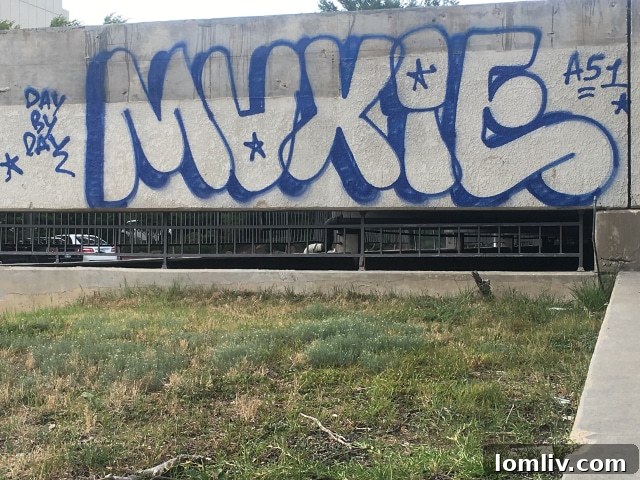
Furthermore, fallow land or stalled projects can actively harm a neighborhood. An abandoned site becomes an eyesore, a magnet for blight, and can negatively impact surrounding property values. It took over two years, but the burned-out Preston Place condos’ parking slab along Northwest Highway eventually became defaced with graffiti—not the artistic kind associated with Banksy, but rather damaging vandalism. Procrastination on development isn’t merely neutral; it can lead to tangible deterioration of the community fabric.
Tip 4: Think of the Future, Not the Past: Embracing Inevitable Change.
A common pitfall in neighborhood development discussions is the desire to maintain an idealized past. While preserving historical character is vital, clinging inflexibly to a financially or socially outdated status quo is unrealistic and often leads to disappointment. As the Greek philosopher Heraclitus observed around 500 B.C., “Change is the only constant in life.” Urban environments are dynamic; they evolve in response to economic forces, population shifts, and changing societal needs. Resisting all change out of nostalgia for a different era can prevent a neighborhood from adapting and thriving. Instead, communities should focus on guiding future development in a way that respects their identity while embracing modern necessities like increased density, sustainable practices, and diverse housing options. Proactive planning for future growth allows a neighborhood to shape its destiny, rather than simply reacting to it.
Tip 5: Think of Property Values: A Self-Serving, Yet Crucial, Consideration.
While community spirit and aesthetic appeal are important, it’s perfectly legitimate—and indeed, prudent—to consider the financial impact of new construction on existing property values. This is a purely self-serving but essential question: Will the proposed development enhance or detract from the economic health of your property and the neighborhood as a whole? Key questions to ask include:
- Will it be a quality build that enhances the area’s perception?
- Will it contribute positively to the neighborhood economically (distinct from purely aesthetic considerations)?
- Will it directly or indirectly increase my property’s value?
- Is the proposed project too far out of alignment with the neighborhood’s natural trajectory and existing character?
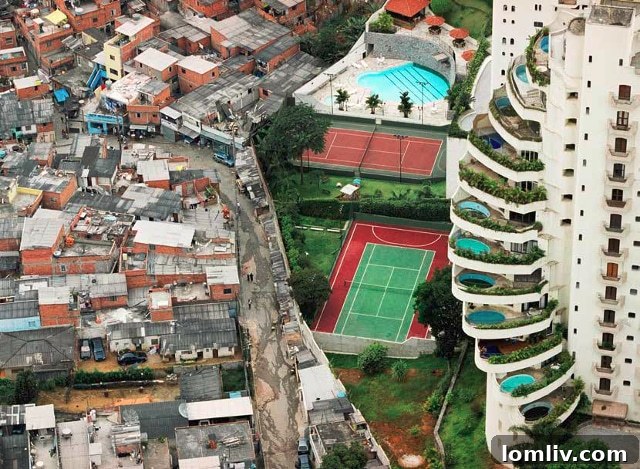
That last point is particularly critical and often overlooked. For instance, if a developer builds a luxurious $1 million home next to your $100,000 property, the impact is unlikely to be that your home instantly appreciates to $1 million. More often, such a stark disparity might signal that your home is now attractive to developers primarily for its land value, potentially leading to its eventual sale and demolition. A neighborhood with significant value disparities can quickly become a “teardown” zone, transforming its character entirely.
Conversely, an excessively large structure, such as a 12,000-square-foot mansion dropped into a neighborhood of 2,500-square-foot homes, can become a “white elephant.” Such a project might be perceived as out of place, reducing its desirability and potentially diminishing the value of neighboring properties that struggle to co-exist with its scale. Contextual design, which considers the existing fabric and future trajectory of a neighborhood, is therefore paramount for safeguarding and enhancing property values.

Tip 6: Can It Work? Embracing an Informed, Open-Minded Approach.
Approaching new development proposals with an open, inquiring mind is the most productive strategy. This mindset allows for an educational process that informs and empowers the community. Through engagement—attending meetings, asking questions, reviewing plans, and negotiating—residents can ultimately determine if they can support a project or not. Even if, at the end of the day, a project is deemed unworkable by either the neighborhood or the developer, it won’t be due to a lack of effort or understanding. The process itself builds invaluable experience and knowledge.
This experience is crucial because, as Heraclitus taught us, change is constant. There will always be a “next one.” Each engagement educates the neighborhood, equipping it with better strategies, stronger understanding, and more effective negotiation tactics for future developments. Education and proactive engagement are never wasted. In contrast, the losing strategy is epitomized by the Pink Wall’s PD-15 fiasco, which stands as a textbook example of what not to do. For those wishing to learn from that chaotic experience, details are extensively documented on Daltxrealestate.com.

About the Author: My focus consistently revolves around high-rises, homeowners associations (HOAs), and renovation projects. I also hold a deep appreciation for the delicate balance between modern and historical architecture, particularly within the context of the YIMBY (Yes In My Backyard) movement advocating for more urban housing. My work in real estate journalism has been recognized with multiple accolades from the National Association of Real Estate Editors, including three Bronze awards (for articles in 2016, 2017, 2018) and two Silver awards (in 2016, 2017). If you have a story to share, a perspective to offer, or even a marriage proposal to make, please don’t hesitate to reach out via email at [email protected]. You’re also welcome to look for me on Facebook and Twitter, though you might not find me!