The Evolving Landscape of Work: Designing for Collaboration and Future Productivity
The traditional nine-to-five office structure is rapidly becoming a relic of the past. For anyone who has spent time in an office environment, the transformation of how we work is palpable. We are constantly exposed to innovative methodologies and cutting-edge technologies designed to streamline operations and enhance efficiency. Yet, amidst discussions of remote work, hybrid models, and the ubiquitous accessibility of cloud-based platforms, one critical element often receives less attention: the physical spaces where work happens. The very architecture and interior design of our workplaces are undergoing a profound evolution, adapting to meet the demands of a dynamic, interconnected professional world.
This shift isn’t just anecdotal; it’s a measurable trend in commercial real estate. A recent comprehensive survey conducted by leading commercial real estate broker CBRE revealed compelling insights into future office strategies. A significant 45 percent of respondents indicated their intention to migrate towards an “activity-based workspace” model, which emphasizes flexible environments tailored to specific tasks. Furthermore, an even larger majority, 52 percent, anticipate implementing some level of “unassigned seating” within their organizations, moving away from dedicated desks. These figures underscore a widespread recognition among businesses that static, cubicle-laden environments no longer serve the needs of a modern workforce, paving the way for more flexible, collaborative, and dynamic office designs.
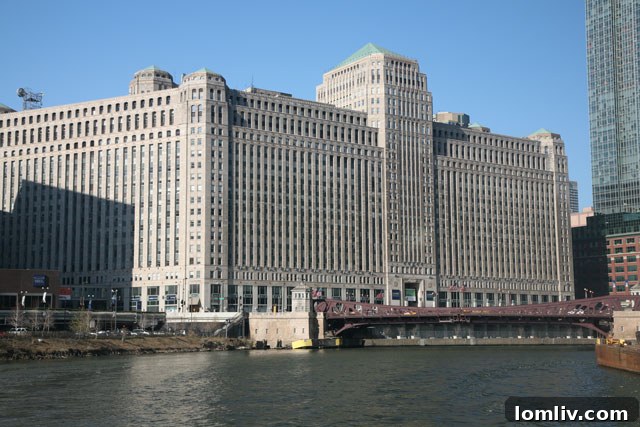
The embrace of these new concepts is transforming not only how new buildings are designed but also how historical structures are being reimagined. Back in January 2018, the Chicago Tribune highlighted a fascinating urban trend: colossal, venerable buildings—once considered white elephants in the real estate market—were suddenly experiencing a resurgence as highly sought-after hubs for burgeoning tech companies. These aren’t spaces being repurposed for industrial manufacturing, but rather for sophisticated, carpeted office environments tailored for innovation and collaboration. Iconic examples include the venerable Old Main Post Office, the sprawling Merchandise Mart, and numerous century-old catalog warehouses that once belonged to retail giants like Montgomery Ward. What makes these architectural giants so appealing is their sheer scale, often boasting floor plates ranging from 50,000 to an astounding 260,000 square feet—equating to up to six acres of contiguous space per floor. This expansive footprint offers unparalleled flexibility for modern office layouts.
The renewed appeal of these monumental structures is deeply rooted in contemporary business philosophy. As articulated by commercial broker Matt Ward of Newmark Knight Frank, “This thinking of different floor, different planet is finding its way into every boardroom. The idea of us getting out of our offices and being together is seen as a necessity in today’s business.” This statement encapsulates the core driver behind the workplace transformation: the undeniable imperative for enhanced collaboration.
This shift towards collaborative office design is catalyzing a vibrant revitalization of urban centers. While these grand old buildings were initially attracting tech giants such as Motorola Mobility, Google, and Groupon, their successful transformation quickly caught the attention of more traditional enterprises. A landmark move occurred on June 18, when Walgreens became the inaugural tenant to sign on for the ambitious renovation of the Old Main Post Office. This monumental project is set to relocate over 2,000 jobs from its suburban facilities to the heart of downtown Chicago, signaling a broader trend of corporate centralization and a vote of confidence in urban cores.
A significant contributing factor to this urban migration is the demographic shift towards a younger, digitally native workforce. Iconic companies like McDonald’s, which famously abandoned its expansive suburban campus for a vibrant downtown Chicago headquarters, and Allstate Insurance, which consolidated 400 tech jobs onto a single downtown floor, cite the availability of diverse, young talent in urban cores as a primary driver. This younger generation not only thrives in collaborative environments but also readily adopts the cutting-edge collaboration technologies that define our modern marketplace. The old world of lead paint and asbestos in these historical structures is being meticulously replaced by state-of-the-art fiber optics, robust WiFi networks, and pervasive digital screens, creating a technologically advanced ecosystem ready for the future of work.
However, the scarcity of land suitable for constructing such massive, large-floorplate buildings within densely populated urban centers means that replicating these historical behemoths is increasingly improbable. This reality makes the adaptive reuse of century-old structures not just attractive, but economically and strategically vital. Their inherent robust construction, high ceilings, and expansive footprints provide a unique canvas for creating modern, flexible layouts. Even within more modest footprints, multi-floor office buildings are undergoing extensive renovations or are being designed from the ground up to embody the principles of collaboration. Regardless of the individual floor size, this overarching drive for highly collaborative workspaces is merely in its nascent stages, paralleling the ongoing evolution and integration of the sophisticated technologies that underpin their functionality and enable seamless interaction.
Pioneering New Horizons: Building Collaborative Environments for Tomorrow’s Workforce
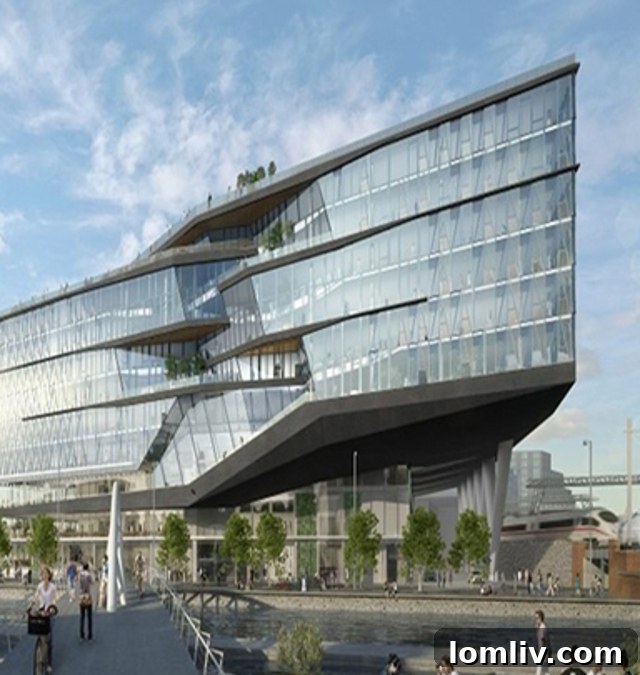
The theoretical concepts of collaborative workspaces are being translated into tangible, groundbreaking architectural designs worldwide. I recently had the privilege of attending a captivating lecture by Christian Veddeler, a distinguished partner at the Amsterdam-based architecture firm United Network Studio (UNS). His presentation offered a vivid glimpse into the future of office design, showcasing a remarkable proposal for the headquarters of a prominent European tech company. While not featuring a single, enormous floor plate in the style of Chicago’s historic buildings, this project masterfully illustrated the profound evolution of workspaces in tandem with technological advancements. The building, currently in its planning phase, aims to be a multi-use facility encompassing an impressive 700,000 square feet of single-tenant office space, designed to accommodate a staggering 4,500 workers. The integration of scattered apartments and diverse restaurants further cultivates a vibrant, multi-functional environment, blurring the lines between work, life, and leisure.
What truly set this project apart and made it so striking were the meticulously crafted office floor plans, where different work patterns were designed to flow seamlessly into one another. The traditional concept of assigned seating was artfully integrated with dynamic “nomad workspaces,” catering to employees who prefer flexibility and movement throughout their day. These diverse zones converged gracefully into common, open meeting areas, culminating in a centralized café—a vibrant social hub—all strategically positioned to overlook a breathtaking multi-story atrium. This design philosophy facilitates spontaneous interactions, fosters a strong sense of community, and promotes employee well-being through natural light exposure. The “nomad spaces” themselves are highly varied, ranging from elegantly arranged communal sofas for informal discussions to more structured, hot-desking stations equipped for focused individual work. To enhance efficiency and user experience, a sophisticated workspace finder application will be deployed, guiding employees effortlessly to available spaces tailored to their immediate needs.
Throughout the various floors of this visionary headquarters, a diverse array of spaces will be strategically located, differing in size and technological enablement. These areas are designed to support both planned, formal meetings and spontaneous, ad-hoc collaborations, acknowledging the diverse needs of a modern workforce. The “Collab and meet” spaces intentionally depart from conventional meeting room aesthetics, often resembling comfortable living rooms rather than rigid table-chair-screen setups. This informal approach encourages natural interaction, boosts creativity, and reduces the perceived formality of discussions. Given the multinational scope of the tech company, a significant proportion of these spaces will be equipped with advanced, integrated collaboration technologies, ensuring seamless communication across geographies and fostering a truly global team environment.
This architectural masterpiece embodies the essence of modern collaboration. If one conceptualizes collaboration technologies as tools that enable an uninterrupted flow between fixed and mobile work, and that elevate communications from simple text to rich audio-visual interactions and robust group discussions, then this building magnificently achieves that progression within a tangible brick-and-mortar structure. The thoughtful integration of physical space and digital tools creates an ecosystem where ideas can flourish without friction. Indeed, one of the compelling taglines associated with this project perfectly encapsulates its ethos: “move through the day effortlessly.” It speaks to a design philosophy that prioritizes employee well-being, productivity, and a frictionless work experience.
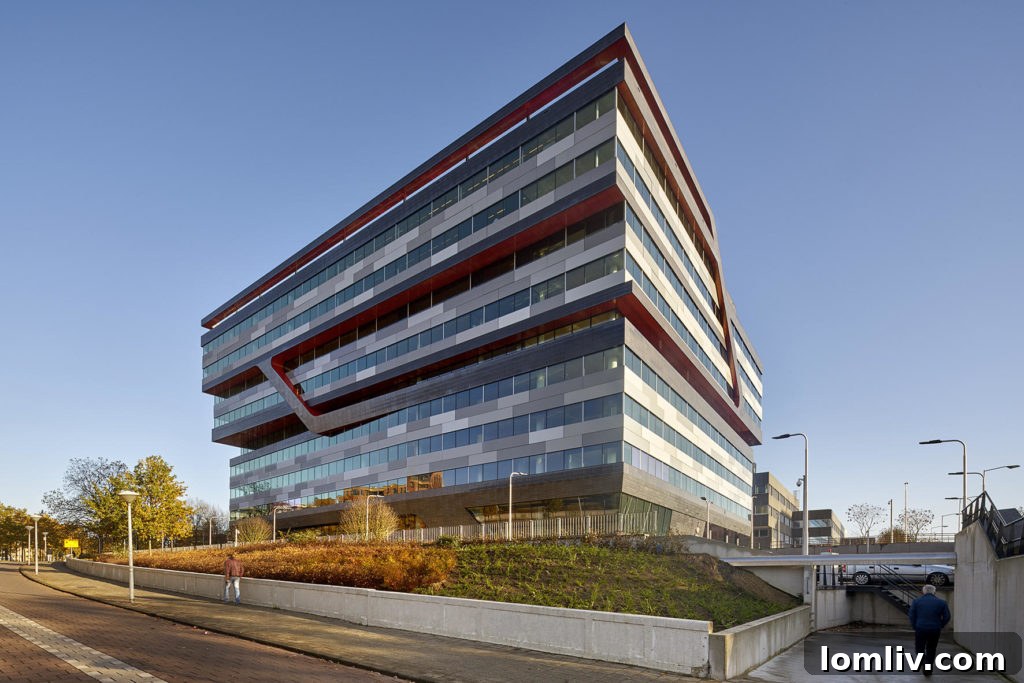
Another compelling project by UNS further illustrates the evolving paradigms of office design: the Rabobank offices. Recently completed, this project stands as a testament to how even institutions in traditionally conservative sectors, such as international banking, are embracing the power of collaborative workspaces. Dubbed “Rabobank Unplugged,” these offices represent a forward-thinking approach that acknowledges the need for both teamwork and individual focus. Unlike the previous example, which targeted a potentially younger, more agile tech operation, the highly regulated world of banking necessitates a nuanced approach. The Rabobank project’s guiding motto perfectly captures this balance: “collaboration and concentration,” indicating a design where the lines between focused individual work and interactive team sessions are more distinctly, yet harmoniously, drawn.
The multi-story Eindhoven offices of Rabobank ingeniously draw inspiration from the large-floor concept, featuring individual floors of approximately 30,000 square feet each, meticulously arranged around a central atrium. However, this is far from the dim, enclosed atriums reminiscent of 1970s hotel designs. Instead, this expansive, open central space is a deliberate architectural feature designed to flood the building’s core with abundant natural daylight. Beyond its aesthetic appeal and the proven benefits of natural light for employee well-being, mood, and productivity, this atrium also offers workers an open-air collaboration space, providing a refreshing internal environment for informal meetings and breaks, fostering a sense of connection and community within the building’s confines. It’s a prime example of biophilic design elements integrated into a modern corporate setting.
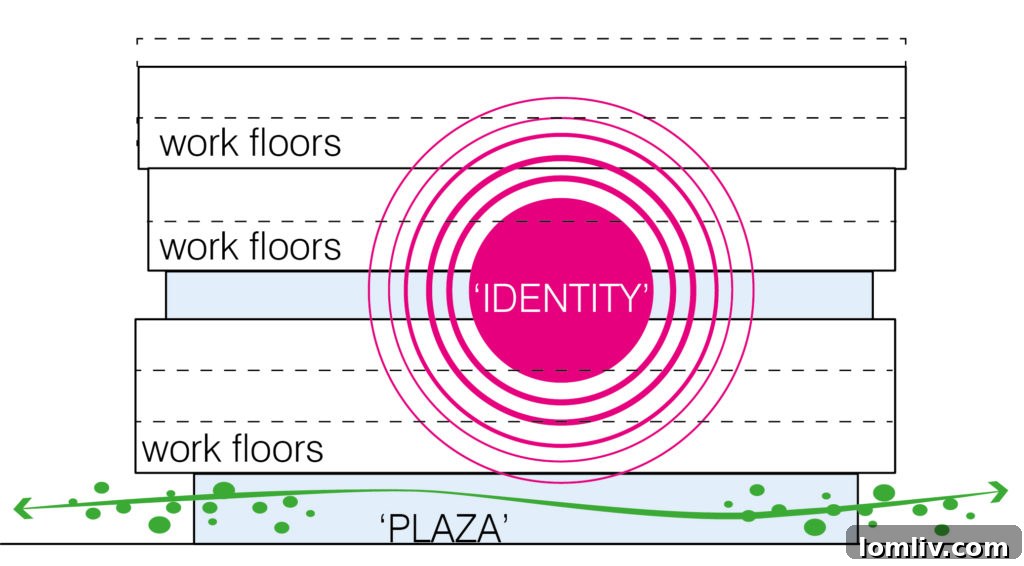
To further enhance its “collaboration and concentration” philosophy, the Rabobank building is thoughtfully grouped into three-floor blocks dedicated primarily to “concentration” work, providing quiet zones for deep focus. These blocks are strategically separated by “identity” floors located on the fourth and eighth levels. These identity floors serve as dedicated collaboration zones, meticulously designed for both formal scheduled meetings and spontaneous casual interactions, effectively acting as social and brainstorming hubs. The clever offsetting of the three concentration floors from one another creates unique outdoor spaces, adding yet another layer of collaborative area. These outdoor zones provide opportunities for fresh air, different perspectives, and a refreshing break from the indoor environment, further enriching the employee experience and promoting diverse working conditions and choices.
While the allure of increased collaboration and enhanced productivity justly dominates discussions surrounding modern office design, it would be remiss not to highlight a significant, often understated benefit: substantial cost savings. Office layouts that embrace “no fixed abode” or unassigned seating models inherently require less overall real estate per employee, translating directly into reduced operational costs. This economic advantage is perfectly aligned with the ongoing global trend of remote and hybrid work models, where employees increasingly trade a fixed, dedicated office space for the flexibility of working from home or various co-working locations. Many, myself included, have happily embraced this flexible arrangement for years, proving its viability and appeal by offering a better work-life balance and often reducing commuter stress and costs for employees.
Bridging the Gap: Integrating Technology from Conception in Collaborative Office Architecture
These compelling examples from Chicago’s adaptive reuse projects to UNS’s visionary designs clearly demonstrate how organizations, whether embarking on new construction or reinventing older spaces, are wholeheartedly embracing the collaborative working concepts championed in modern boardrooms. It’s a safe bet that wherever a major corporate undertaking, such as Amazon’s HQ2 project, takes root, the principles of collaboration will fundamentally drive its architectural form and interior design. The pursuit of synergistic teamwork, agile workflows, and dynamic employee engagement has become a cornerstone of competitive advantage, and office environments are being meticulously shaped to support these objectives, reflecting a broader understanding of the workplace as a strategic asset.
However, a persistent challenge remains: it is still remarkably rare for technology makers to be brought into the conversation and collaborate directly with clients and their architects from a project’s earliest inception. Too often, critical worker technologies are perceived as an afterthought, much like a light bulb screwed in only after the entire structure is complete. This sequential approach often leads to suboptimal integration, forcing technology to be shoehorned into pre-existing spaces rather than being an intrinsic part of the design process. This can result in costly retrofits, compromised functionality, and a less-than-ideal user experience, ultimately hindering the very collaboration the space was meant to foster.
One must wonder, if end-user customers were to proactively involve technology vendors alongside their architects from day one, would the resulting spaces not only be more technologically advanced but also far more satisfying and effective for the occupants? The current typical recipe of simply “shoehorning a screen here, a phone there… while WiFi-ing the bejesus out of it all” often falls short of creating truly intelligent, seamlessly integrated, and future-proof workspaces. A holistic, interdisciplinary approach from the outset, where architectural vision and technological innovation converge, promises to unlock the full potential of collaborative office design, fostering environments that genuinely empower employees, drive business success, and stand the test of time.

This exploration into the future of work and office design reflects a deep interest in the intersection of real estate, architecture, and technological innovation. Specializing in high-rises, homeowners associations (HOAs), and renovation projects, I also maintain a keen appreciation for how modern and historical architecture must thoughtfully balance against contemporary movements like YIMBY (Yes In My Backyard), advocating for responsible urban development and addressing housing shortages. My commitment to insightful reporting has been recognized by the National Association of Real Estate Editors, earning three Bronze awards (2016, 2017, 2018) and two Silver awards (2016, 2017) in past years. For those with unique stories to share or groundbreaking concepts to discuss, feel free to reach out via email at [email protected]. You can also connect on platforms like Facebook and Twitter, though finding me there might be part of the adventure!