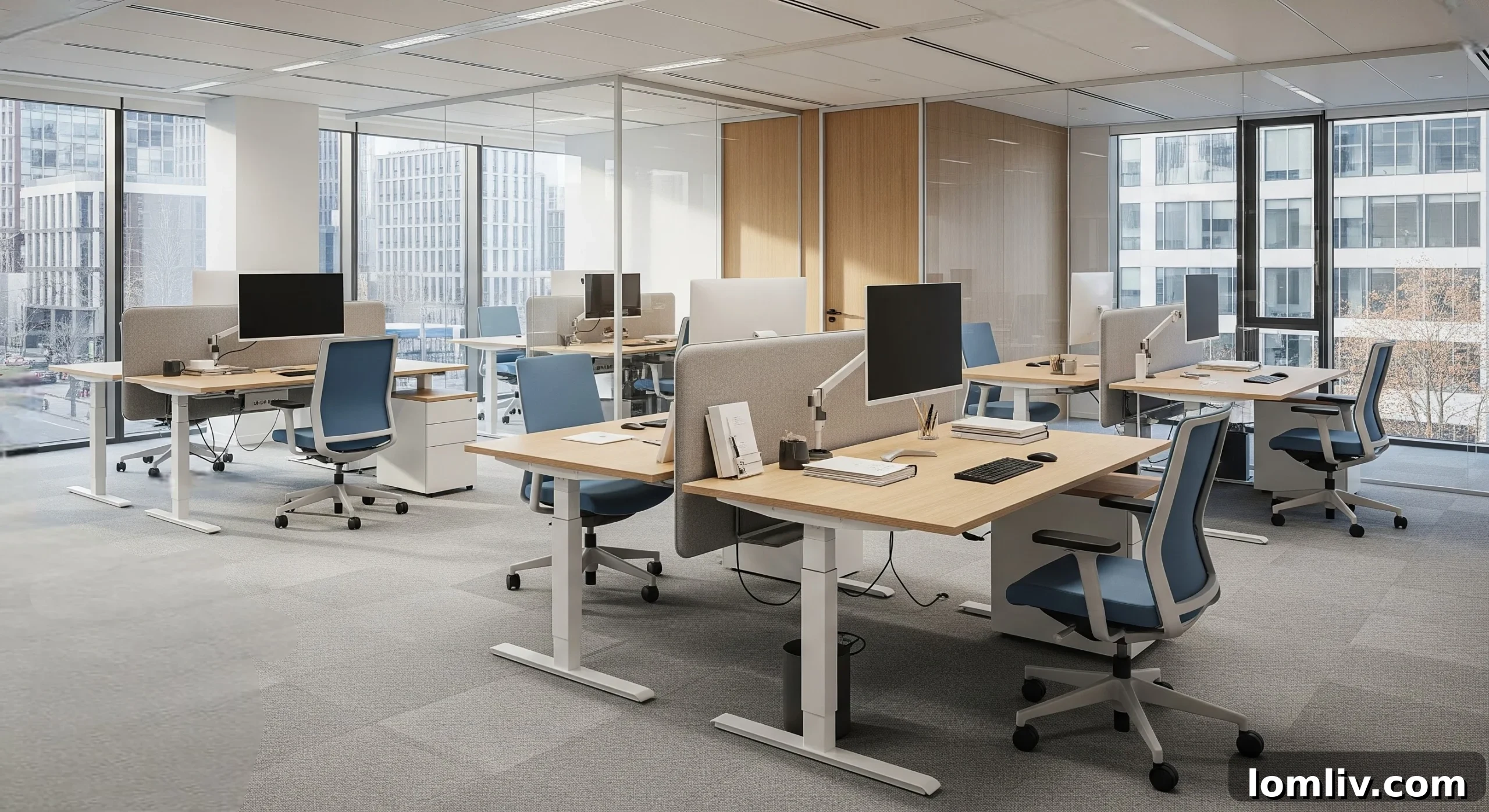
Creating an exceptional office environment goes beyond merely providing a space for work; it involves meticulously curating an atmosphere where individuals can truly thrive. The optimal fusion of layout, furniture, lighting, air quality, and consistent upkeep profoundly influences how your team feels, performs, and engages with their tasks. This comprehensive guide is designed to empower owners, people leaders, and office managers with actionable insights on how to build, why these elements matter, and how to implement them within your owned or leased commercial property.
Whether you’re embarking on a new lease negotiation, planning a refreshing renovation, undertaking a full-scale build-out, or even navigating a relocation or expansion, consider this your essential checklist. We’ll delve into strategic approaches to designing a workplace that not only operates seamlessly but also fosters well-being, boosts productivity, and adapts to the evolving needs of your organization.
Prioritizing Everyday Comfort and Ergonomics in Office Design
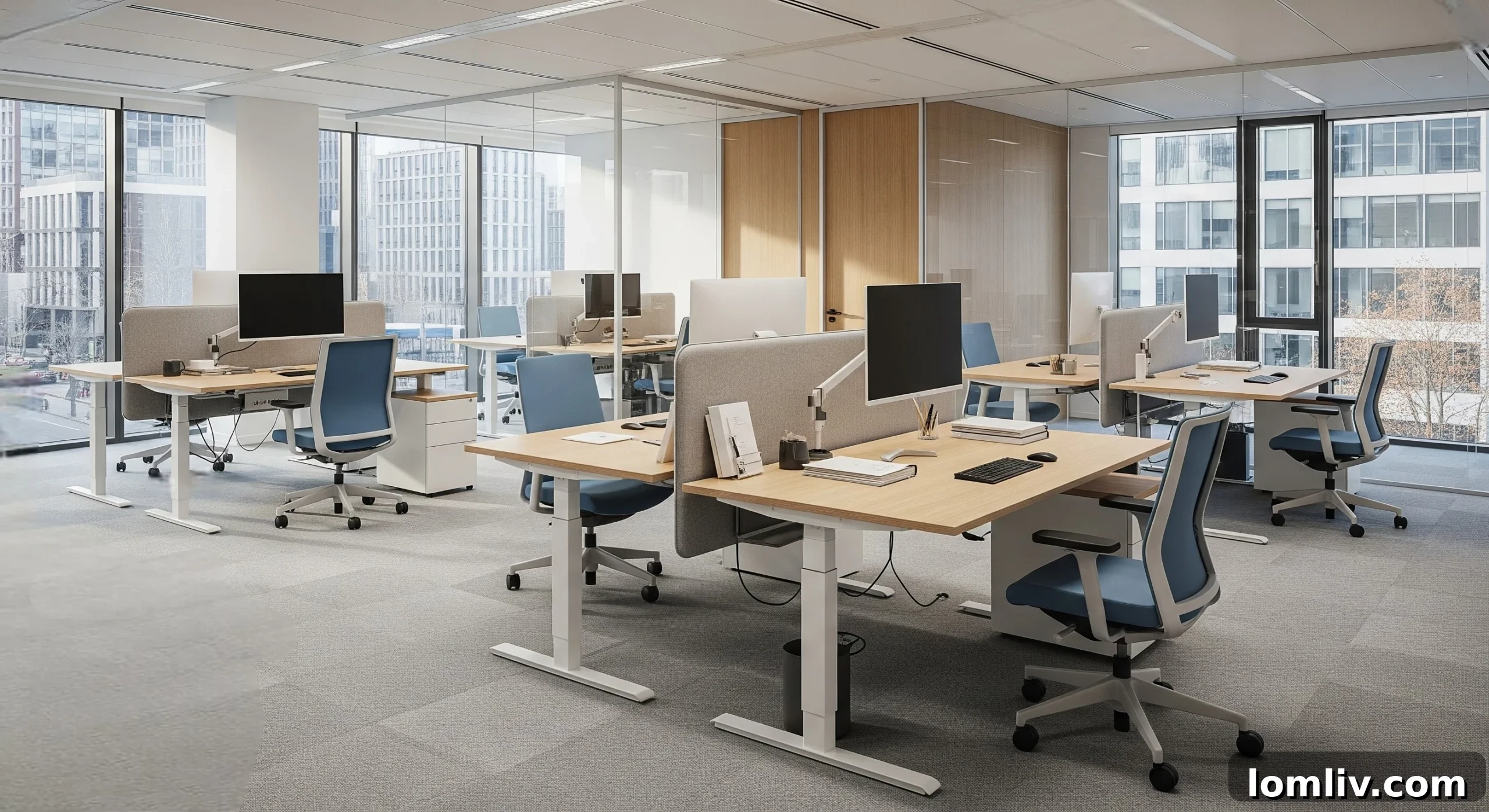
At the heart of a high-performing office lies the commitment to everyday comfort. Begin by investing in adjustable ergonomics that cater to individual needs. Provide your team with high-quality task chairs featuring robust lumbar support, promoting healthy posture and reducing the risk of musculoskeletal issues. Sit-stand desks are invaluable for encouraging movement throughout the day, mitigating the negative effects of prolonged sitting, and boosting energy levels. Additionally, integrate monitor arms that allow screens to be positioned at optimal eye level, preventing neck strain and fostering better visual comfort. These ergonomic considerations are not mere perks; they are fundamental investments that significantly lower fatigue, enhance focus, and contribute to the long-term health and productivity of your workforce.
Beyond furniture, a comfortable environment hinges on maintaining ideal air quality, ample natural light, and consistent temperature control. Aim for a temperature range that is neither too hot nor too cold, typically between 68-72°F (20-22°C), and ensure proper humidity levels. Maximizing natural light exposure, often referred to as daylighting, is crucial for supporting mood, regulating circadian rhythms, and reducing eye strain. Design with clear sightlines to windows and incorporate glass partitions where privacy allows to bring daylight deep into the interior. Supplement this with task lighting at each workstation for focused work and warm, ambient lighting in shared areas to create a welcoming atmosphere. Regular HVAC servicing is paramount; schedule maintenance on a consistent cadence, and ensure a balanced supply and return air system, particularly in meeting rooms, to prevent stuffiness and maintain optimal ventilation. Consider integrating advanced air filtration systems, such as MERV 13 or higher, to improve indoor air quality and reduce airborne contaminants.
A serene and quiet setting is an often-overlooked component of workplace comfort. Designate dedicated “heads-down” zones or focus rooms for tasks requiring deep concentration. These areas should be equipped with acoustic panels, soft finishes (like carpeting or upholstered furniture), and sound-dampening doors to minimize noise disruptions. When evaluating building systems during a build-out or renovation, prioritize the reliability and safety of HVAC, electrical, and plumbing infrastructure, ensuring they are not only operational but also optimized for daily comfort and efficiency.
Integrating Light, Air, And Acoustics for Optimal Workplace Functionality
A truly effective office environment considers light, air, and acoustics not as isolated elements, but as interconnected components of a holistic design strategy. Natural light is a powerful mood enhancer and energy regulator, directly impacting employee well-being and alertness. To maximize its benefits, utilize low partitions and keep window lines unobstructed, allowing daylight to penetrate deep into the floor plate. This natural illumination should be seamlessly paired with clean, consistently regulated air and stable temperature control, preventing spaces from experiencing uncomfortable temperature swings or becoming stagnant. The goal is to create an environment that feels fresh and invigorating throughout the workday.
When commissioning mechanical work for your office, be specific about ventilation rates, filter replacement schedules, and straightforward maintenance protocols for your facilities team. Proper ventilation is vital for expelling stale air and introducing fresh outdoor air, which is critical for cognitive function and health. Beyond basic ventilation, regular fire-safety checks on detectors and exhaust fans should be integrated into your routine inspection schedule. Furthermore, consider the acoustics of your open-plan areas and how they interact with natural light and airflow. Strategic placement of sound-absorbing materials and thoughtful space planning can prevent sound from traveling excessively, even in brightly lit, airy spaces. Implementing sound masking systems can also create a consistent background hum that discreetly covers disruptive speech, further enhancing focus without sacrificing an open feel.
Designing Zones for Enhanced Focus and Dynamic Collaboration
A modern office must gracefully balance the need for deep, uninterrupted work with vibrant, collaborative interaction. The most productive workspaces blend both, creating distinct zones that cater to diverse work styles. Open-plan areas, when designed thoughtfully, encourage spontaneous connections and foster a sense of community. Strategically place open tables and comfortable lounge seating near central amenities like a café or library zone, creating inviting spots for quick huddles, informal meetings, or casual brainstorming sessions. These areas are ideal for fostering a dynamic exchange of ideas.
Conversely, protecting deep work is paramount. Designate small, reservable rooms as “focus pods” or “phone booths” for individual calls, video conferences, or tasks requiring intense concentration. These private spaces should be acoustically treated to minimize sound bleed and equipped with essential technology. For roles requiring extended periods of focused attention, such as writers, engineers, or analysts, provide dedicated quiet rooms or semi-private workstations where ambient noise and foot traffic are kept to an absolute minimum. Clear signage, intuitive room booking tools, and established etiquette guidelines are essential to minimize friction and ensure these specialized zones are used effectively and respectfully by all team members. The thoughtful delineation of these zones, using subtle architectural elements, varying furniture types, or even distinct lighting, guides employees towards the most suitable environment for their current task.
Balancing Openness and Privacy in Restroom Design
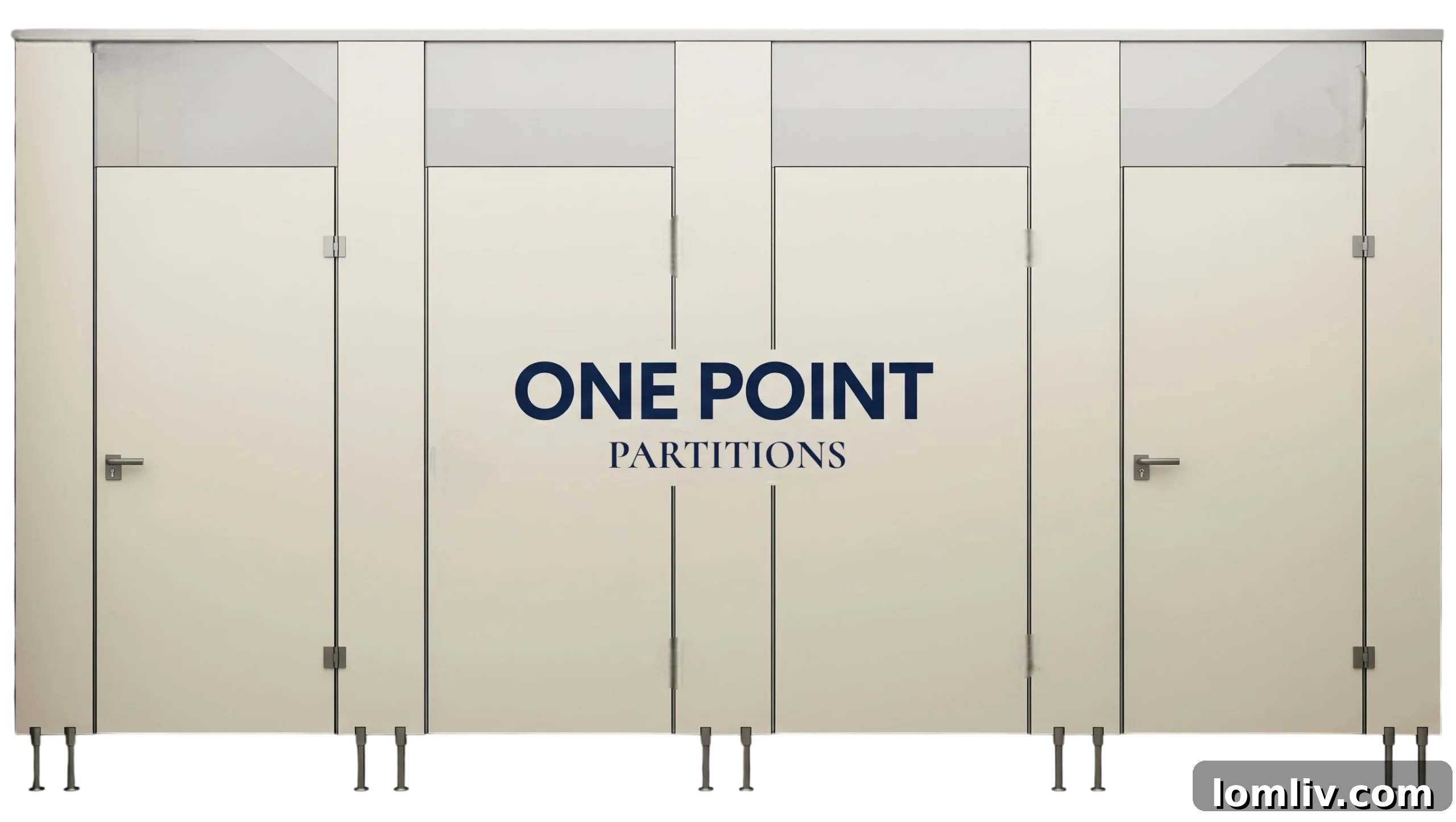
Restrooms, while often overlooked in office design conversations, are critical spaces that significantly impact employee comfort and perception of a workplace. They require a careful balance of privacy, ease of cleaning, and consistent, effective airflow. Choose high-quality partition materials and designs that not only align with your overall office aesthetic but also create a secure and bright environment. Durable partition options, like those offered by reputable manufacturers, can be tailored to your specific layout, ensuring robust construction that withstands heavy use while maintaining sightlines for natural light and adequate ventilation at the top and bottom, providing both privacy and a sense of openness. Beyond partitions, consider touchless fixtures (faucets, soap dispensers, hand dryers, flush valves) to enhance hygiene and reduce germ transmission. High-quality ventilation systems are crucial in restrooms to manage odors and maintain fresh air circulation. Ensure that all restroom designs comply with ADA accessibility standards, providing comfort and usability for all individuals.
Utilizing Finishes and Colors to Enhance the Workday Experience
The choice of finishes and colors plays a profound role in shaping the mood and functionality of an office space. For areas dedicated to focused work, opt for a calm and neutral base palette. Shades of muted blues, greens, greys, and warm whites are known to promote concentration, reduce stress, and create a serene atmosphere. In contrast, introduce richer, more vibrant accent colors in areas where teams gather, collaborate, or brainstorm. These can be warmer tones like oranges, yellows, or brighter blues, which are known to stimulate creativity and encourage interaction. Thoughtful application of color can delineate zones and subtly influence behavior.
To make the space feel inviting and lived-in without introducing clutter, incorporate elements like indoor plants, which enhance air quality and bring a sense of nature indoors (biophilic design). Select artwork that ties into your brand story, company values, or local culture, adding personality and visual interest. Introduce one or two textured elements—such as a brick accent wall, natural wood finishes, or soft fabric panels—to add depth and tactile appeal. Crucially, maintain simplicity on work surfaces; keep storage solutions close by and easily accessible, and ensure that all cables and cords are meticulously managed and hidden. These small visual wins contribute significantly to a perception of order, professionalism, and a high-quality environment.
Keeping Cleanliness Front and Center for a Healthy Office
A consistently tidy and hygienic office environment is not merely aesthetically pleasing; it is fundamental to lowering stress levels, promoting employee well-being, and reducing the spread of illness. Implement robust routines for daily wipe-downs of high-touch surfaces, weekly deep cleans of all areas, and timely filter changes for HVAC systems. Strategic placement of hand sanitizer stations in high-traffic areas like entryways, common zones, and meeting room access points encourages good hygiene practices. Select durable, non-porous surfaces for desks, countertops, and flooring that are easy to clean and resistant to dirt and grime accumulation. Organize supply closets to be easily accessible and regularly restocked, ensuring cleaning supplies are always available. Proactive cleanliness is a simple yet powerful way to demonstrate that you value the health, safety, and overall well-being of every person who enters your workplace, fostering a sense of care and professionalism that resonates throughout the organization.
Designing for Flexibility: An Adaptive Office Space
The modern workforce is dynamic; teams grow, shift, and evolve, and office spaces must be equipped to keep pace. Design for maximum flexibility to ensure your workplace can adapt without costly overhauls. Utilize modular tables that can be reconfigured for individual work, small group collaborations, or larger team meetings. Incorporate mobile whiteboards and stackable, lightweight seating for impromptu brainstorming sessions. Movable partitions, ranging from semi-transparent screens to sound-dampening walls, allow you to re-set a room’s functionality in minutes, transforming an open area into a series of private offices or meeting spaces. Multi-purpose rooms are particularly valuable, capable of hosting an intensive workshop in the morning, a training session in the afternoon, and a social event in the evening. To truly support this adaptability, plan for ample cable drops and power outlets along more than just the perimeter walls. Strategically placing power access points throughout the floor plate ensures that reconfigurations are quick, seamless, and low-cost, minimizing disruption and maximizing the utility of your space.
Cultivating Social Spaces People Will Genuinely Use
In an era that often emphasizes efficiency, the importance of social connection in the workplace cannot be overstated. Provide employees with inviting spaces where they can genuinely reset, informally connect, and foster camaraderie. A well-designed café or communal kitchen area with comfortable seating, excellent lighting, and easy access to water, coffee, and healthy snacks acts as a natural magnet, drawing people together. Create a dedicated lounge area, ideally situated near but not directly inside heads-down zones, to ensure that conversations and social chatter never spill over into quiet, focused work areas. Integrate elements like comfortable sofas, armchairs, and perhaps a curated selection of books or magazines to encourage relaxation. A few strategically placed communal tables, whether in the café or a dedicated break area, naturally encourage casual check-ins, spontaneous idea sharing, and organic conversations that keep work moving forward and strengthen team bonds. These social hubs are vital for fostering company culture, boosting morale, and providing essential mental breaks throughout the day.
Selecting Materials with Health and Sustainability in Mind
Conscious material selection is a cornerstone of modern office design, impacting both immediate comfort and long-term environmental footprint. Prioritize good lighting solutions that are energy-efficient and provide optimal illumination. Integrate indoor plants and biophilic elements to improve air quality and connect occupants with nature. Choose low-VOC (Volatile Organic Compound) finishes for paints, flooring, and adhesives to minimize airborne toxins and create healthier indoor air. Opt for durable, high-quality surfaces that are built to last, reducing the need for frequent replacements and minimizing waste. When selecting lighting fixtures and office equipment, always look for ENERGY STAR certified options or those with high energy-efficiency ratings to reduce utility costs and carbon emissions. Simple, thoughtful choices, such as using better insulation around quiet rooms to improve thermal and acoustic performance, or installing water-saving faucets and toilets, can significantly enhance the day-to-day experience without altering how your team works. Embracing materials with recycled content, considering cradle-to-cradle certified products, and striving for LEED or WELL Building Standard certifications demonstrates a commitment to both employee well-being and environmental stewardship.

Practical Real Estate Notes for Owners and Lessees
Understanding the interplay between workplace design and core property principles is essential, whether you own or lease your commercial space. Here are a few crucial items to discuss thoroughly with your broker, attorney, or project manager:
- Distinguish Between Real and Personal Property: Real property encompasses the land and anything permanently affixed to it (e.g., the building structure, built-in cabinetry, HVAC systems). Personal property includes movable items like furniture, equipment, and decor. This distinction is critical during negotiations for tenant improvements (TIs), fixtures, and property handover, as it affects what conveys with a sale or remains property of the tenant.
- Anticipate Closing and Title Paperwork on a Purchase: When purchasing commercial real estate, be prepared for extensive title documents. These confirm legal ownership, reveal any existing liens, easements, or encumbrances, and ensure a clear chain of title. Closing costs typically range from three to six percent of the purchase price, covering various fees like legal costs, appraisal fees, and title insurance. You will receive a detailed Closing Disclosure outlining all cash-to-close requirements and itemized fees.
- Understand Deed and Title Basics: A deed is the formal, signed legal document that transfers ownership from one party to another and is subsequently recorded with the local authorities. Title refers to the actual ownership interest in the property. It is paramount to secure a “clear title,” meaning the property is free from undisclosed liens, boundary disputes, or other legal claims that could complicate future upgrades, permits, or resale.
- Budget Adequately for Inspections During Renovation or Purchase: Thorough inspections are non-negotiable. Standard inspections typically cover the structural integrity of the building, roof condition, electrical systems, plumbing, HVAC systems, and general safety concerns. For older properties or those undergoing significant renovation, consider specialized inspections like environmental assessments, asbestos surveys, or mold inspections. Should major issues surface, these findings provide leverage for negotiating repairs, adjusting the purchase price, or re-scoping your project timeline to account for necessary remediation.
- Maintain Escrow and Insurance in Good Standing if Financing: Lenders require that property taxes and insurance premiums are paid promptly, often holding these funds in an escrow account. Unpaid bills can lead to senior liens against the property, which can jeopardize your ownership, disrupt financing agreements, and significantly complicate any ongoing or planned projects. Always ensure your insurance coverage is comprehensive and up-to-date.
- Watch for Site Encroachments Before Exterior Work: Before planning any exterior landscaping, patio construction, or signage installation, investigate potential site encroachments. Fences, building overhangs, utility lines, or even landscaping that crosses property lines can lead to legal disputes, complicate permit approvals, and negatively impact future resale value. A professional land survey is indispensable for clearly defining property boundaries and avoiding costly surprises.
- Planning a Relocation: If your organization is undertaking a significant move, research potential support programs. Many local governments and national nonprofits offer resources and incentives to businesses relocating within or to their jurisdictions. These programs can provide assistance with moving costs, transport logistics, and even security deposits, making the budgeting process more predictable and easing the financial burden of a transition.
A Strategic Roadmap for Implementation
Successfully transforming your office space requires a structured approach. Follow these key steps to ensure a smooth transition and a highly effective outcome:
- Define Clear Goals and Objectives: Begin by articulating what you want to achieve with your new or redesigned space. Do you aim for more dedicated focus hours, quicker team huddles, improved air circulation in crowded meeting rooms, or enhanced social interaction? Involve key stakeholders and employees in this vision-setting phase to ensure buy-in and address diverse needs.
- Map Your Floor Plan Strategically: Create a detailed floor plan that delineates distinct zones for quiet, heads-down work, dynamic collaboration, and social or relaxation time. Pay close attention to planning natural light paths and optimal air circulation routes. Consider how different departments will interact and how workflows can be supported by the physical layout.
- Select Integrated Systems and Finishes: Confirm the capacity of your HVAC system to handle anticipated occupancy, assess electrical loads for current and future technology needs, and establish comprehensive cleaning and maintenance routines from the outset. Choose finishes and materials that align with your aesthetic vision, durability requirements, and sustainability goals.
- Pilot a Representative Section: Before a full-scale rollout, consider piloting a small section, perhaps a pod of six to ten workstations. This allows you to gather crucial, real-world feedback on comfort levels, lighting efficacy, noise management, and overall functionality. Use this feedback to make necessary adjustments before expanding the design across the entire office.
- Provide Comprehensive Training and Ongoing Maintenance: Educate your team on how to best utilize the new space. This includes demonstrating how to adjust ergonomic chairs and monitors, using room booking systems efficiently, and reinforcing guidelines for keeping the space tidy and respectful of others. Establish a clear maintenance schedule for all new furniture, equipment, and systems.
- Measure Performance and Adapt Iteratively: Implement mechanisms to track the usage of various zones, such as quiet rooms, collaboration areas, and social spaces. Monitor for common issues like meeting room spillover into open areas or recurring maintenance requests. Gather regular feedback through surveys or focus groups. Commit to quarterly reviews and make iterative adjustments based on data and employee input to ensure continuous improvement.
The Transformative Payoff of Thoughtful Office Design
The intentional investment in a thoughtfully designed workspace yields profound and measurable benefits for your organization. Such an environment goes beyond aesthetics; it actively helps your team feel truly welcome, fosters their physical and mental health, and empowers them to achieve more in less time. When you meticulously plan for comfort through superior ergonomics, prioritize individual privacy and focus, ensure clean and circulating air, and embed simple, efficient daily routines, people naturally settle into their roles. They become more engaged, more productive, and ultimately, they do work they are genuinely proud of. The result is an office space that not only powerfully supports productivity and collaboration today but is also inherently adaptable and resilient, ready to meet the challenges and opportunities of tomorrow’s evolving business landscape.