By Deb R. Brimer
Contributing Writer
Stepping into Winnetka Heights today is akin to entering a meticulously crafted, vibrant painting from a bygone era, yet imbued with modern vitality. This distinguished Dallas historic district unfurls a rich tapestry of stunning architectural heritage, nestled within the verdant, natural beauty of North Oak Cliff. It pulsates with the energy of a culturally diverse urban neighborhood, offering residents and visitors a unique blend of historical charm and contemporary appeal. However, the picturesque scene we admire today was not always guaranteed; the neighborhood’s journey through time reveals periods of profound transformation, demonstrating a remarkable story of decline and subsequent, triumphant revival.
Some people make history. Others preserve it.
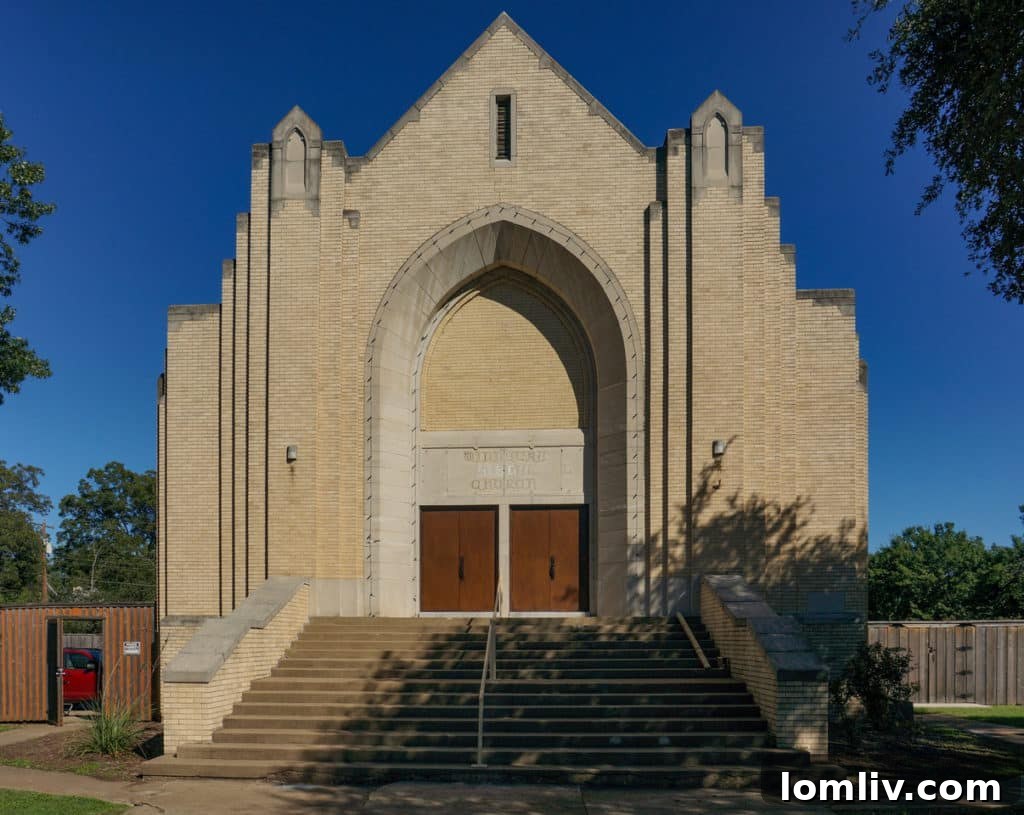
The roots of Winnetka Heights stretch back to the late 19th century, specifically 1890, when this verdant expanse was originally incorporated as part of the City of Oak Cliff’s Midway Addition. Following Oak Cliff’s annexation by the burgeoning City of Dallas in 1901, the area underwent a significant transformation. Just seven years later, in 1908, a 50-square-mile segment was meticulously replatted and christened Winnetka Heights, marking the official birth of this iconic neighborhood. This pivotal moment set the stage for its emergence as one of Dallas’s most sought-after addresses, a testament to forward-thinking urban planning and a profound appreciation for natural landscape.
The Visionaries Behind a Dallas Landmark
The initial development of Winnetka Heights was spearheaded by four prominent Dallas investors: Leslie Stemmons, J.P. Blake, R.S. Waldron, and T.S. Miller Jr. These influential figures made history by envisioning and meticulously developing sprawling homesites tailored for affluent buyers seeking a distinctive lifestyle. In the early 1900s, while many aspects of daily life were rudimentary compared to modern standards, the enduring wisdom of “location, location, location” remained as relevant as ever. The foresight of these developers in recognizing the inherent value of Winnetka Heights’s geographical advantages proved to be a cornerstone of its early success.
Winnetka Heights offered a compelling package to prospective homeowners. Its enviable two-mile commute to the thriving heart of downtown Dallas, coupled with convenient streetcar accessibility, served as paramount selling points. This easy access to the city’s commercial and social pulse allowed residents to enjoy the tranquility of a suburban oasis without sacrificing urban connectivity. Furthermore, Oak Cliff’s naturally hilly topography provided a unique canvas, enabling developers to strategically construct opulent mansions on elevated grounds. These majestic homes commanded expansive, breathtaking views of the evolving Dallas skyline and the serene surrounding countryside, offering an unparalleled sense of grandeur and exclusivity.
To further sweeten the deal and appeal to the era’s most discerning buyers, homes in Winnetka Heights were equipped with a suite of cutting-edge, modern amenities that were considered luxurious at the time. These included reliable artesian water systems, advanced sewers, telephone lines for instant communication, electricity for illumination and convenience, and meticulously paved streets complete with curbs, signifying a commitment to infrastructure and urban planning. Crucially, the developers also established stringent building restrictions. These covenants ensured the preservation of the neighborhood’s aesthetic integrity and property values, safeguarding its prestigious character for years to come. Such a comprehensive approach attracted a wealthy clientele; while Stemmons, Blake, Waldron, and Miller themselves chose to build their new homes within Winnetka Heights, rapid sales quickly brought an influx of millionaire businessmen, prominent Texas oilmen, and prosperous ranchers, solidifying the neighborhood’s reputation as an elite residential enclave.
Architectural Splendor and Enduring Legacy
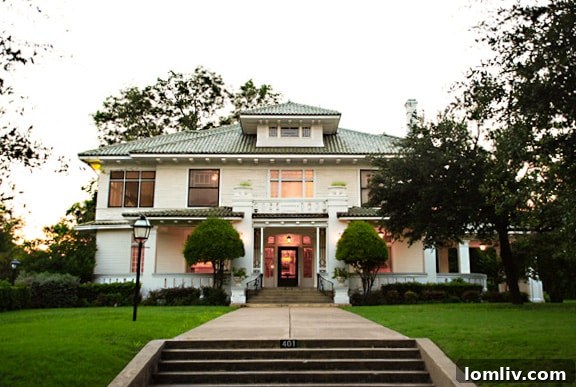
The architectural landscape of Winnetka Heights is a vibrant testament to its rich past, featuring a remarkable array of styles from the early 20th century. While many of the grand estates from the initial boom have been meticulously preserved, others have been thoughtfully adapted. Notably, the Miller and Blake houses from the original developers still stand as proud landmarks. The latter, the magnificent J.P. Blake house, has been reborn as the iconic Turner House, now serving as the esteemed home of the Oak Cliff Society of Fine Arts. This historic edifice not only showcases the grandeur of the era but also acts as a cultural anchor for the entire community.
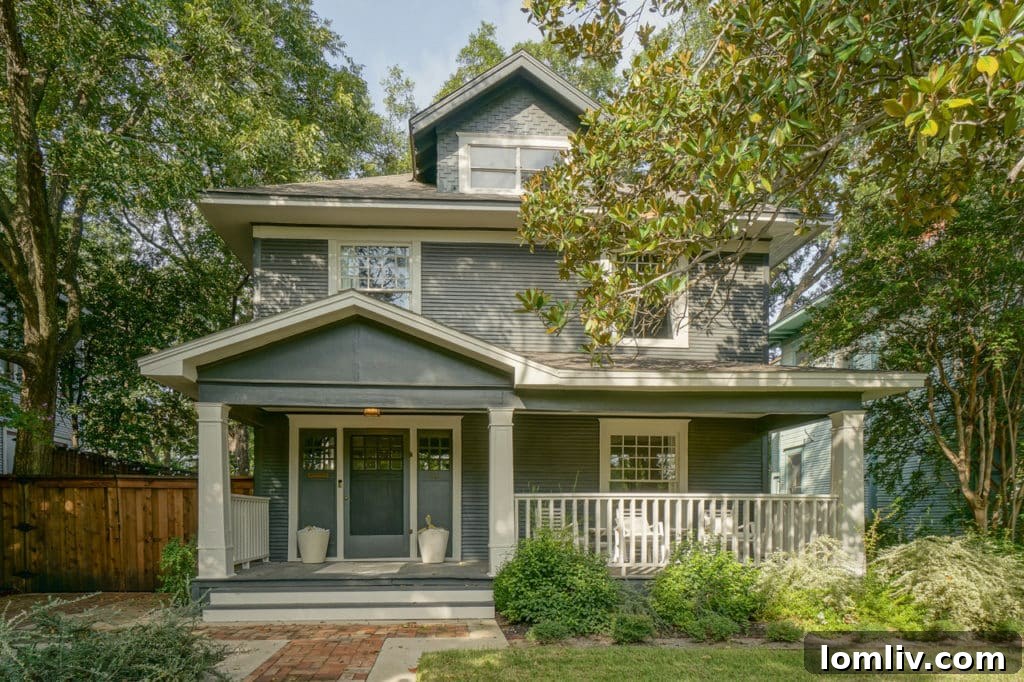
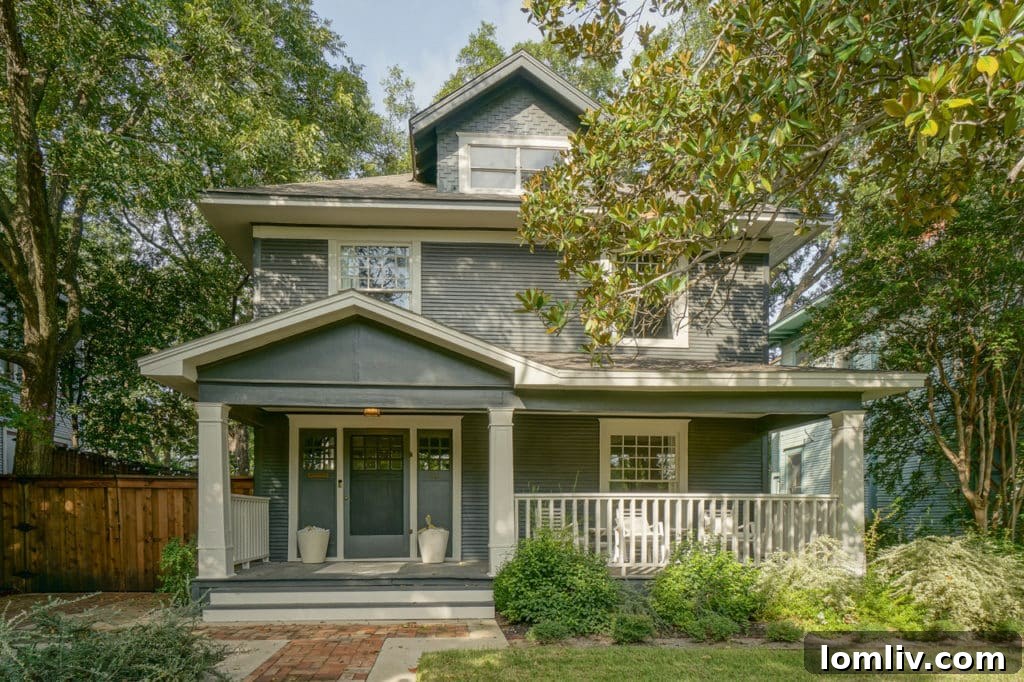
Beyond the initial development of lavish mansions, the neighborhood thoughtfully evolved to offer a broader mix of housing stock. Subsequent developments strategically focused on subdividing larger lots to accommodate the growing demand for more accessible, yet equally charming, homes. This led to the proliferation of beautifully crafted bungalows and cozy cottages, which seamlessly integrated into the existing streetscape. These homes, often in the Craftsman, Prairie School, and Tudor Revival styles, contributed to the diverse architectural tapestry that makes Winnetka Heights so unique. Characterized by expansive front porches, intricate woodwork, built-in features, and mature, tree-lined streets, these residences collectively form a living museum of early 20th-century American domestic architecture.
A Period of Challenge and the Dawn of Preservation
However, by the 1960s, a period of urban decline cast a shadow over Winnetka Heights. As Dallas’s burgeoning suburbs prospered from a post-World War II building boom, inner-city neighborhoods like Oak Cliff experienced a sharp economic downturn and population shift. The stately old homes in Winnetka Heights, once symbols of affluence and stability, faced the threat of neglect and drastic alteration. Many were regrettably gutted and crudely reconfigured into smaller, often substandard, apartment units, eroding their original character and devaluing the neighborhood’s unique architectural heritage. This era marked a critical juncture, with many historic homes becoming endangered and facing the very real possibility of demolition, threatening to erase a significant piece of Dallas’s history.
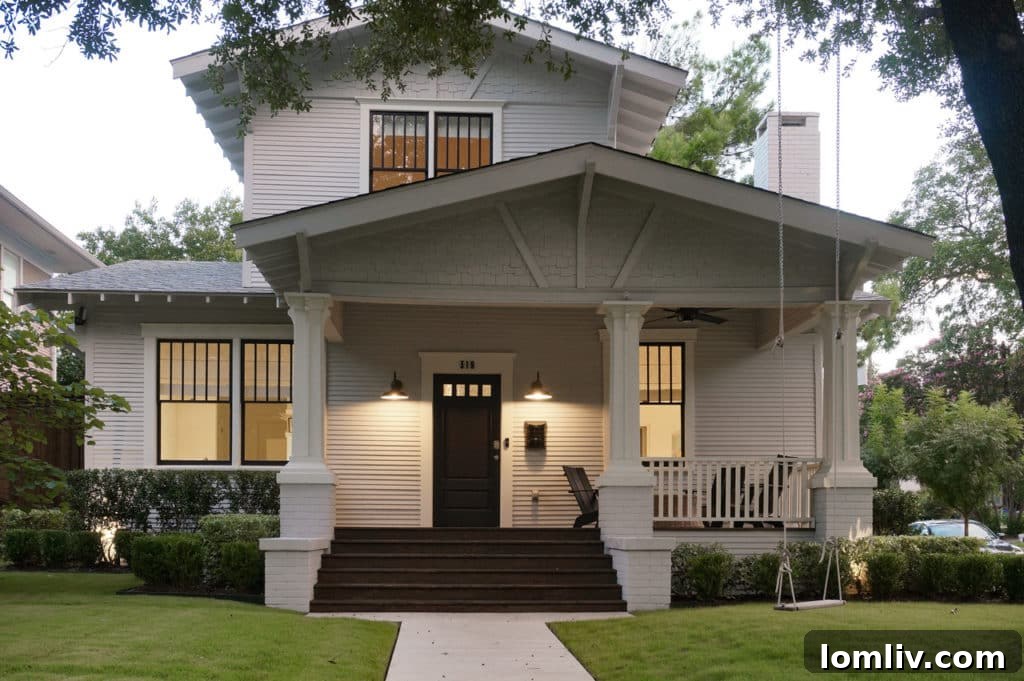
It was amidst this looming crisis that a remarkable movement for preservation took root. In 1975, Heritage Oak Cliff – an organization initially known as the Old Oak Cliff Conservation League – galvanized the community. Their mission was clear: to safeguard history and rescue endangered Winnetka Heights homes from potential demolition. Through their tireless efforts, and in collaboration with dedicated local residents, Winnetka Heights achieved a series of vital historic landmark designations. It earned a coveted spot on the National Register of Historic Places, received recognition from the State of Texas, and secured a local historic overlay district designation from the City of Dallas. These designations provided crucial protections, establishing guidelines for restoration and offering incentives for homeowners committed to preserving the neighborhood’s unique character.
The tide truly turned with a new wave of young buyers who, captivated by the district’s untapped potential and architectural beauty, began purchasing and meticulously restoring these historic homes. Their dedication breathed new life into the aging structures, reversing decades of decline. Today, Winnetka Heights stands as a beacon of successful urban revitalization, boasting more than 600 historically significant homes. This makes it not only the second-largest historic district in Dallas but also one of the largest and most vibrant statewide, a testament to the power of community-driven preservation.
A Community Defined by Connection and Activity
The spirit of Winnetka Heights today is vibrant, welcoming, and deeply rooted in its community. Chris White, an advertising copywriter and an active Millennial member of the Winnetka Heights Neighborhood Association (WHNA) board, epitomizes the neighborhood’s appeal. She acquired her charming 1912 Craftsman bungalow in 2011, drawn by an irresistible combination of factors. White was captivated by the unique architectural characteristics of each home, the serene beauty of the tree-lined streets, the inviting charm of welcoming front porches, and, perhaps most importantly, the genuine warmth of the people who call Winnetka Heights home.
“I absolutely love living in such a tight-knit community,” White expresses, “especially one that’s just a short bike ride away from the dynamic energy of downtown Dallas and the bustling Bishop Arts District.” Her sentiment perfectly encapsulates the neighborhood’s allure: a perfect blend of historic tranquility and urban convenience. The residents of Winnetka Heights cultivate a strong sense of belonging, fostering connections that transform neighbors into true community members.
White succinctly sums up the neighborhood culture in one word: “active.” This vibrancy is reflected in a diverse calendar of community events that bring residents together throughout the year. From casual monthly happy hours and sophisticated wine tastings that encourage neighborly interaction, to impromptu porch parties that spontaneously erupt with laughter and camaraderie, there’s always an opportunity to connect. Larger, annual spectacles include a festive Mardi Gras parade, a joyful celebration of community spirit, and the highly anticipated Holiday Home Tour. This popular event not only showcases the stunningly preserved architecture of Winnetka Heights but also allows residents to share the beauty of their historic homes, creating a cherished tradition that highlights the neighborhood’s enduring charm and collective pride. Winnetka Heights truly embodies the essence of a living, breathing historic district, where past and present harmoniously converge to create an exceptional urban living experience.