
Unveiling the Truth Behind Property Valuations: A Dallas Tax Collector’s Story
In the intricate landscape of property taxation, where public trust and transparency are paramount, homeowners frequently navigate a labyrinth of appraisals, deadlines, and official procedures. The annual assessment of property values often sparks widespread discussion, sometimes leading to confusion or even frustration among taxpayers. It is within this often-complex environment that questions can arise, particularly when public figures are involved. We recently encountered such a situation, one that initially raised eyebrows but ultimately revealed a deeply human story behind a seemingly anomalous property appraisal. This narrative centers on John Ames, an exemplary Dallas property tax expert, whose outstanding public service is widely recognized.
John Ames: A Model of Efficiency and Integrity in Tax Collection
John Ames stands out as one of the most effective and dedicated Tax Appraisers and Collectors our community has been fortunate to have. His tenure has been marked by a significant transformation of the local tax office, elevating it to new heights of efficiency and public service. Under his meticulous oversight, the office has implemented streamlined processes, dramatically improving operational flow and reducing bureaucratic hurdles. More than just procedural enhancements, John has cultivated a commendable culture where the staff members are consistently friendly, polite, and exceptionally helpful, an invaluable asset in a department that interacts daily with the public. His demonstrable leadership skills and commitment to excellence are so profound that one might even consider him a strong candidate for significant roles, perhaps even the new management job available over at Dallas City Hall, given his proven ability to manage complex operations with both effectiveness and empathy.

Navigating the Peak of Property Tax Protest Season in Texas
For property owners across Texas, the arrival of appraisal notices initiates a critical annual ritual. These notices, issued by the Central Appraisal District (CAD), detail the assessed market value of their properties as of January 1st, a figure that directly influences their forthcoming tax bills. Many homeowners, upon reviewing these valuations, decide to file a property tax protest, believing their property has been overvalued. The period leading up to the protest deadline, typically May 31st, is characterized by an unprecedented surge in activity for both the appraisal districts and the tax collection offices. This high-pressure window often highlights a common public misunderstanding regarding the distinct roles of these two vital institutions.
My attempts to reach John at the Tax office yesterday were met with constant busy signals across five separate calls. This was a clear indication of the overwhelming volume of calls from anxious citizens, all undoubtedly scrambling to address their property tax concerns before the impending deadline. Accounts from various tax consultants corroborate this chaotic scene, with some reporting receiving calls from distressed homeowners as early as 2 or 3 in the morning. This period underscores the critical distinction between the Central Appraisal District, which is solely responsible for determining property values, and John’s office down on Elm Street, which functions as the Tax Collectors office. His department manages the collection of levied taxes and provides information regarding payment, exemptions, and deferrals – it does not oversee the initial appraisal process. Understanding this fundamental difference is key to navigating the Texas property tax system effectively and ensuring inquiries are directed to the correct authority, particularly during these high-stakes periods.

The Personal Tragedy Behind an Unexpected Property Appraisal
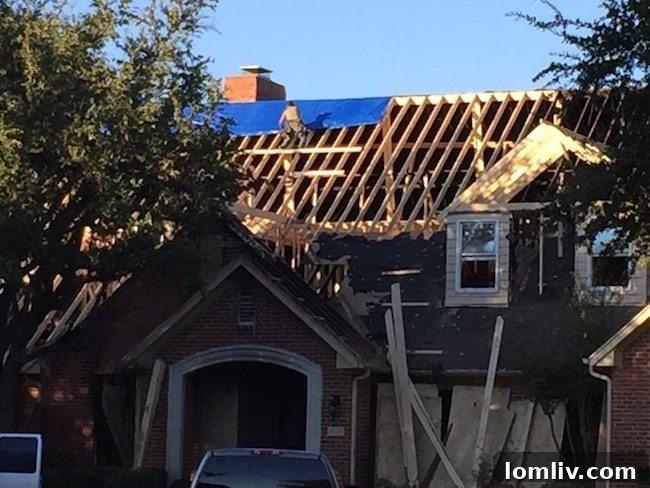
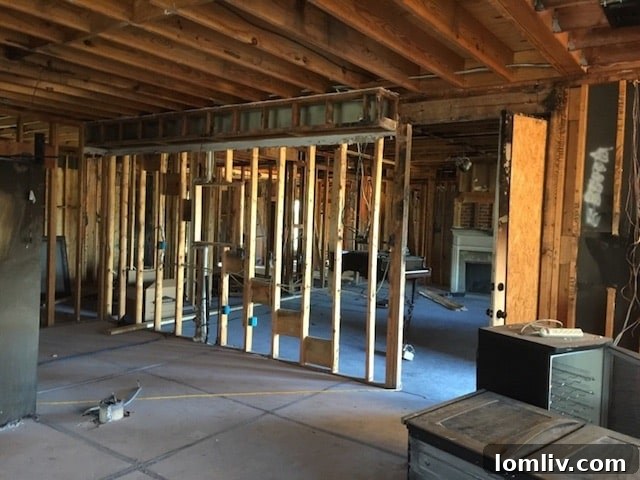
The initial curiosity surrounding John Ames’s unexpectedly low home appraisal was swiftly replaced by profound understanding and empathy once the full story emerged. When I finally spoke with John today, he revealed the deeply personal and devastating reason: his family had suffered a catastrophic house fire in February 2015. This was no minor incident; the fire consumed virtually everything they owned, leaving them with immense loss and the daunting task of starting anew. The family immediately embarked on the arduous process of rebuilding their lives and home, a journey fraught with emotional and logistical challenges. Crucially, on January 1st – the precise valuation date for property taxes – their home was only 40% complete. Therefore, the appraisal accurately reflected the property’s damaged and partially rebuilt state on that specific day, rather than its pre-fire value or future restored worth. This revelation cast the property tax system in a different light, highlighting its adherence to a fixed valuation date regardless of subsequent progress or personal hardship.
John, embodying his characteristic transparency and commitment to the system, candidly addressed the future implications of this temporary tax relief. “Next year, I’ll probably be paying double in taxes,” he remarked, acknowledging that once the extensive rebuilding is complete and the home fully restored, its market value will naturally increase, bringing with it a corresponding rise in his property tax obligations. His forward-looking perspective and acceptance of the system’s eventual revaluation further underscore his unwavering integrity and adherence to the very principles he upholds in his public role.

The Devastating Impact of a Home Fire: A Call for Systemic Empathy
The circumstances surrounding the fire itself are nothing short of harrowing. John was performing his public duties, away on County business, when the catastrophic blaze ignited. Tragically, the fire originated in his son’s bedroom, attributed to a faulty canned light fixture – a stark reminder of how quickly everyday items can become sources of immense danger. The rapid escalation of the fire turned their lives upside down in an instant. Providentially, despite the ferocity of the inferno and the extensive damage, the entire family managed to escape unharmed, a profound blessing amid an unimaginable loss. However, the material and emotional devastation was profound; they lost nearly all their possessions, forcing them to confront the monumental task of rebuilding from the ground up.
This personal tragedy casts a spotlight on a critical area for potential improvement within the broader property appraisal framework. While systems like the Dallas Central Appraisal District (DCAD) are designed for objective assessment based on a specific valuation date (January 1st), they may not always adequately or empathetically account for properties that have suffered catastrophic damage from events like fires, floods, or other natural disasters. Although John’s appraisal was technically correct based on the ‘40% complete’ status, the system could benefit from mechanisms that more explicitly acknowledge and respond to such profound personal hardships. Perhaps a more flexible approach or clearer guidelines could be developed to offer greater support and understanding to homeowners grappling with the aftermath of devastating events, ensuring that objective valuation is balanced with a measure of compassionate administrative oversight during their most vulnerable times.
CandysDirt’s Unwavering Commitment to Taxpayer Advocacy and Transparency
At CandysDirt, our core mission is to act as a steadfast advocate for transparency and fairness across all facets of real estate and property taxation. The compelling story of John Ames perfectly illustrates why this vigilance is so crucial. We are dedicated to meticulously scrutinizing *every* appraisal, delving beyond mere numbers to uncover the intricate details and underlying reasons that shape property valuations. We are acutely aware that a substantial number of taxpayers are struggling with confusion, anger, or a sense of injustice regarding their assessments. Our commitment is to amplify these voices and to bring to light stories that demand deeper investigation and understanding. As my initial instinct suggested, and was ultimately proven true, there was a profoundly legitimate and tragic reason behind John’s seemingly low appraisal. He exemplifies the honesty, integrity, and forthrightness that are absolutely indispensable in public service. Our community, and indeed all levels of public administration, would be immeasurably enriched by the presence of more individuals who possess John’s unwavering character and dedication.
Indeed, understanding the full scope of his ordeal, we are not just relieved but genuinely pleased that John Ames received this much-needed tax break this year. It stands as a truly deserved reprieve following a period of immense trauma and personal loss. And in situations such as these, where administrative due diligence meets genuine human empathy and community support, it truly feels like DeSoto has discovered the ‘secret sauce’ – a harmonious blend of efficiency, compassion, and unwavering integrity that consistently serves its citizens with distinction.