Preserving Dallas’s Past: The Fight for a Historic Home in The Cedars
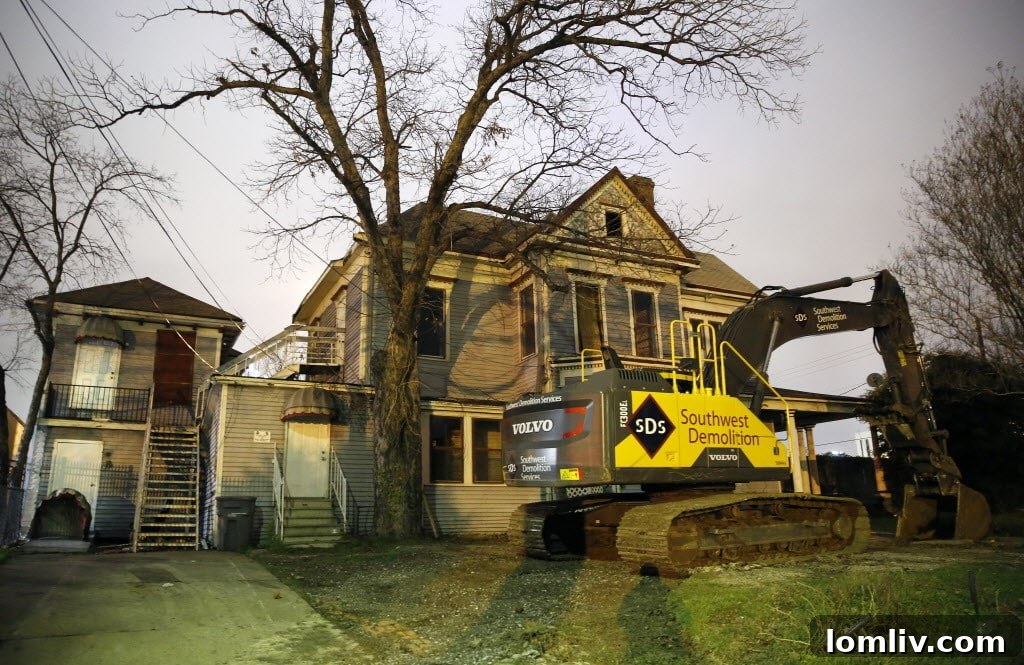
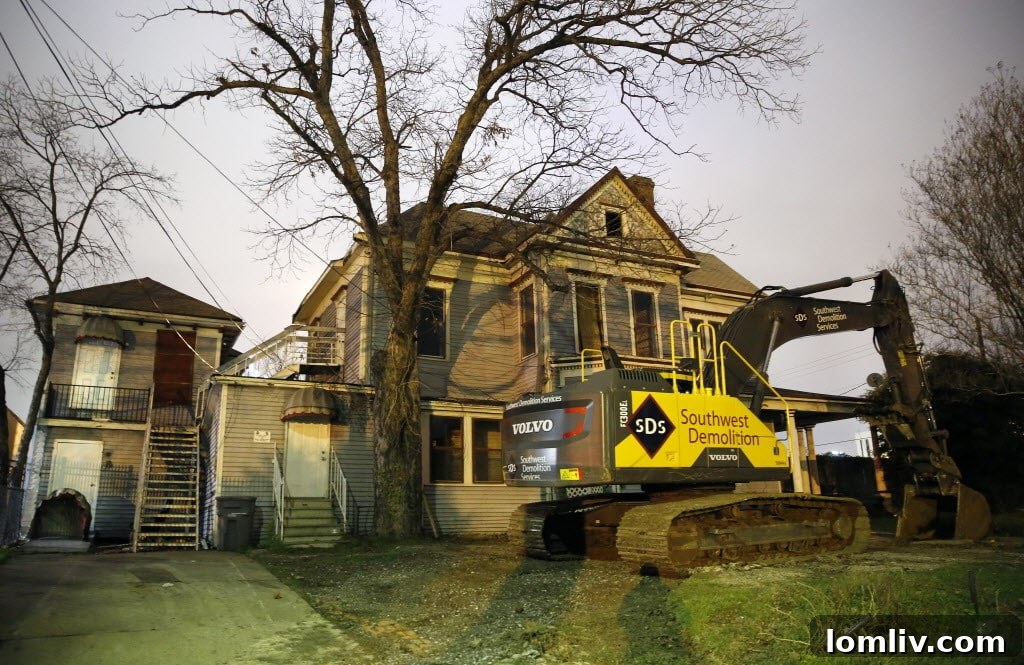
Dallas, a city renowned for its dynamic growth and modern skyline, often finds itself at a crossroads between progress and preservation. Last weekend, this familiar tension played out dramatically in one of its most historically significant areas: The Cedars. The fate of a venerable Victorian home, deeply rooted in the fabric of early Dallas, hung in the balance, igniting a fervent debate about the value of architectural heritage against the relentless march of urban development. This particular story is a microcosm of a larger, ongoing conversation about how we protect the invaluable remnants of our past while shaping our future.
The Cedars: Dallas’s Evolving Historic Core
To truly appreciate the significance of this threatened home, one must first understand the storied history of The Cedars. Nestled just south of downtown Dallas, this neighborhood holds the distinction of being one of the city’s oldest. Imagine the Dallas of the 1800s: a burgeoning frontier town where The Cedars wasn’t merely a district but the epicenter of high society. Grand Victorian cottages and opulent mansions, shaded by an abundance of towering cedar trees—the very source of the neighborhood’s evocative name—lined its elegant streets. This was where the city’s elite resided, a vibrant and affluent community that, in its prime, mirrored the prestige now associated with areas like Highland Park or the architecturally distinguished Swiss Avenue.
Fast forward roughly 150 years, and The Cedars has undergone a profound transformation. While it no longer exudes its 19th-century grandeur, it has reinvented itself as a dynamic, eclectic hub. Today, it’s a coveted destination for those seeking an artsy, urban lifestyle, drawn by its unique character and, let’s be honest, more accessible real estate prices compared to other parts of Dallas. The residential landscape here is a diverse tapestry of modern lofts, comfortable apartments, and stylish townhomes, with a precious few single-family residences scattered throughout. Housing options range from approachable prices, typically between $150,000 and $200,000, to more luxurious offerings, such as the penthouses at The Beat Condos. The neighborhood also proudly hosts the iconic former Sears Roebuck Warehouse, now known as Southside, a testament to its adaptive reuse and ongoing revitalization.
Beyond its architectural evolution, The Cedars boasts a rich cultural history. It was once home to a significant Jewish community, famously being the birthplace of Stanley Marcus, the visionary behind Neiman Marcus. Historically, intellectuals and creatives have found a haven here, leading many to compare its evolving bohemian spirit to New York’s SoHo. Notable figures, like architect Dan Shipley, once based his architectural firm in this vibrant district. Even in more recent times, Brad Friedman made headlines by constructing the only new single-family home in The Cedars in 75 years, underscoring the neighborhood’s unique blend of old and new, and its enduring appeal to those who value individuality and character.
A Historic Home Under Threat: The Dilemma of Progress
It was against this backdrop of deep history and ongoing transformation that I learned, just last Saturday, of a pressing threat to one of The Cedars’ last standing Victorian treasures. A quick message from a real estate colleague confirmed the disturbing news: an aged Victorian home was slated for demolition. The urgency of the situation quickly captured the attention of local media, particularly through the diligent reporting of Robert Wilonsky at The Dallas Morning News. His immediate coverage, even on a weekend, galvanized public attention and set the wheels of preservation in motion.
The home in question is currently owned by Time Warner Cable, a company that had concrete plans to raze the structure to make way for a much-needed communications hub site and an accompanying parking lot. From a purely logistical and business perspective, one might understand their rationale; the property directly overlooks Interstate 30, a testament to how dramatically the neighborhood’s landscape has been reshaped over two centuries. What was once a serene residential street is now bordered by a major interstate. However, the emotional and historical counter-argument is equally, if not more, compelling: this house represents one of the final remaining tangible links to the earliest days of Dallas, a city that has otherwise seen much of its initial architectural heritage simply vanish.
The potential loss of this home resonated deeply with many. It wasn’t just another old building; it was a fragment of Dallas’s foundational story, a rare survivor in a rapidly changing urban environment. The outcry from the community was immediate and passionate, driven by the conviction that such an irreplaceable piece of history simply must be saved. The question quickly arose: could Dallas, a city known for its philanthropic spirit and community engagement, rally enough support and resources to prevent this demolition? Could the robust real estate community, often at the forefront of development, also step in to champion preservation?
The Fight for Preservation: Community and Official Response
The momentum for saving the historic Cedars home gained significant traction thanks to the swift action of key figures. Katherine Seale, a respected voice and chair of Dallas’ Landmark Commission, immediately recognized the gravity of the situation. She directed city staff to schedule a public hearing for February 1st, a critical step “to consider initiation of the historic designation for this property.” This official move was a game-changer. As Wilonsky reported, Seale’s intervention effectively placed a temporary protective shield around the home, preventing Time Warner from making any “significant changes to the exterior of the home” until the hearing and subsequent deliberation could take place.
While the city’s official channels began to move, Time Warner Cable, perhaps caught off guard by the public and official response, clarified its position. A spokesperson confirmed the company was unaware of the scheduled public hearing but stated they had already “reached out to Dallas Heritage Village to discuss an option to find an interested party to relocate the building on Griffin Street.” This offer of relocation, while seemingly a compromise, came with its own set of formidable challenges. Melissa Prycer, president and executive director of the nearby Dallas Heritage Village, explained the stark reality: while they could potentially take the house, it would require a “significant financial donation”—estimated at around $1 million—to cover the immense costs of moving, restoring, and maintaining such a large and old structure. This figure underscored the substantial financial hurdles often associated with historic preservation projects, moving them beyond mere sentiment to a very real economic calculus.
Unearthing a Rich Past: The Home’s Legacy
Robert Wilonsky’s investigative reporting further enriched the public discourse by unearthing the fascinating, complex history of the threatened home. This detailed timeline offered not just facts but a narrative that brought the structure to life. Most recently, the property had served as a drug treatment facility known as Homeward Bound. However, they ceased operations there last fall, citing that the building failed to meet modern fire safety codes and was thus deemed inappropriate for habitation. This revelation, while unfortunate, was hardly surprising for a structure of its age; old homes, particularly those that have seen generations of use and varied purposes, often require “mega work” to meet contemporary standards and ensure safety.
Homeward Bound, during its tenure, had actually assembled an extensive timeline as part of a fund-raising effort to repair and restore the house, a testament to its recognized historical value. This research traced the property’s roots back to 1836, when the land was originally deeded to Col. E.C. Browder as “agricultural land for service in Texas’ war with Mexico.” The house itself, as indicated by this timeline and other records, was constructed between 1883 and 1885 for a resident named Rosenfield. From there, it transitioned through a succession of notable owners, each reflecting a different chapter in Dallas’s development: the insurance magnate Milton Dargan (around 1889), Dallas Mercantile Co. president Paul Erb (1897-1922), boarding house operator Laila Gilbausen (1922-1938), Drexel Estep (1938-1981), and The Wayback House—a collaborative effort between the Junior League of Dallas and University Park Methodist Church. Homeward Bound then acquired it in 1986, continuing its varied life cycle.
This intricate lineage underscores not only the home’s longevity but also its adaptive nature throughout Dallas’s history. Each owner, each use, added a layer to its story, making its potential loss not just the demolition of a building, but the erasure of a significant historical document written in timber and brick.
Beyond Demolition: The Imperative of Heritage Maintenance
The dramatic unfolding of this story, while focused on one specific Dallas landmark, inevitably brings forth a broader, more fundamental question: why do we allow our older homes and historic structures to fall into such disrepair in the first place? It’s a poignant observation that homes, much like children, require consistent care and nurturing to thrive. I recently learned at a home builder event that, on average, it takes approximately 3% of a home’s value annually to maintain it properly. This isn’t a negligible sum, but it highlights a crucial point: owning a home is a continuous commitment, not a one-time investment where funds can simply “sit” for two decades. The sight of neglected, “hurting” houses, devoid of love and upkeep, genuinely sickens me. It’s a cringe-inducing experience to witness a once-grand residence descend into disarray, knowing the majesty it once possessed.
In an ideal world, one might fantasize about a “home maintenance police” force—a benign but firm authority empowered to demand basic upkeep: “Fix those cracks! Paint those walls! Eliminate that wood rot! Wipe away those fingerprints! Get this place together!” While such a force is impractical, the fantasy underscores a real need for greater accountability and proactive measures in preserving our architectural heritage. This leads to a critical query: Is there a more effective way for city authorities to monitor and support the upkeep of old homes before they reach a state of advanced decay, making demolition seem like the only viable option?
Perhaps we need to evolve our designation system beyond just “Historical.” Maybe a new category, such as “Vintage” or “Architecturally Significant,” could be introduced. Such designations might come with different tiers of incentives, support, or even soft regulations aimed at encouraging property owners to maintain their older structures. The underlying philosophy is simple: if these magnificent buildings didn’t appear so dilapidated, if their inherent beauty and structural integrity were consistently preserved, developers and owners might be far less inclined to tear them down. Proactive maintenance is not just about aesthetics; it’s a foundational act of preservation, ensuring that the charm and integrity of these homes endure, making them attractive candidates for renovation and adaptive reuse rather than becoming targets for demolition. Investing in maintenance today is an investment in preserving the character and history of our cities for tomorrow, fostering sustainable urban development that honors both past and future.
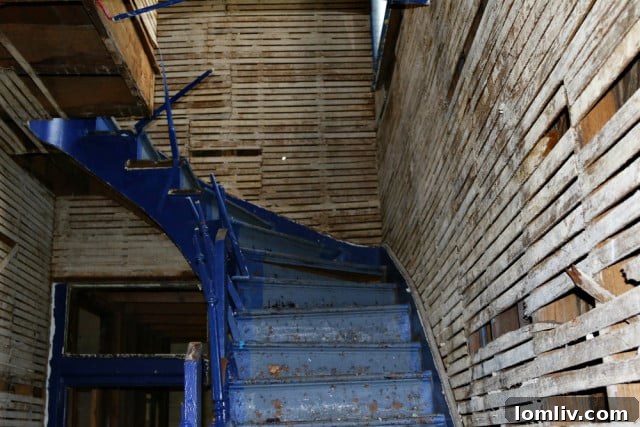
The ongoing struggle to save the Cedars home is a testament to the dedication of individuals like Katharine Seale, Mark Doty, and Robert Wilonsky, whose collective efforts have given this valuable piece of history a fighting chance. While the immediate costs of preservation are daunting—estimated at $50,000 to move the home and at least $200,000 to restore its interiors, with Dallas Heritage Village needing a total of $1 million—these figures must be weighed against the intangible, yet profound, cost of losing irreplaceable heritage. The images below, captured by The Dallas Morning News, offer a poignant glimpse into the home’s current state, illustrating the monumental task ahead but also the immense potential for restoration.
Safeguarding Dallas’s Future by Honoring Its Past
The story of the Cedars home serves as a powerful reminder that historic preservation is not merely about romanticizing the past; it is about strategically shaping the future of our communities. By valuing and investing in our architectural heritage, we ensure that the unique character and rich narratives of places like Dallas continue to inspire and educate generations to come. The collective effort to save this Victorian gem underscores the enduring power of community activism, media advocacy, and official intervention when confronted with the potential loss of a vital piece of history. As Dallas continues its ambitious growth, the challenges of balancing modern development with the preservation of its foundational identity will persist.
Ultimately, the choice lies with us: to let neglect and convenience dictate the fate of our past, or to embrace the responsibility of stewardship, ensuring that the stories embedded in our historic homes are not merely read in books but are experienced through living, breathing structures. The Cedars home stands as a symbol of this ongoing dialogue, urging Dallas and other cities to commit to proactive preservation and cherish their irreplaceable architectural treasures, safeguarding their soul for tomorrow.