Stepping into a medical imaging clinic for diagnostic tests, such as those offered by leading providers like prpimaging.com.au, is rarely anyone’s favorite pastime. The thought of entering an MRI scanner or undergoing an X-ray can often evoke feelings of apprehension or discomfort. However, despite these initial feelings, medical imaging tests are far from an inconvenience; they are, in fact, incredibly beneficial and often crucial for accurately diagnosing and effectively managing a vast array of health conditions. These advanced diagnostic tools provide an unparalleled, non-invasive look inside the human body, enabling healthcare professionals to make informed decisions that can profoundly impact patient outcomes and lead to better health. Continue reading to delve deeper into the essential world of medical imaging, understanding its vital importance, the various types of tests available, and precisely why your doctor might recommend one for you.
What Exactly Is Medical Imaging and Why Is It So Important?
At its core, medical imaging is a revolutionary method doctors use to visualize the internal structures of your body without the need for invasive surgery. Imagine being able to peer beneath the skin and see organs, tissues, bones, and even the subtle processes occurring within them. That’s precisely what modern imaging techniques accomplish. By employing various technologies like X-rays, Magnetic Resonance Imaging (MRIs), Computed Tomography (CT scans), and Ultrasounds, medical imaging clinics can generate detailed pictures of your anatomy and physiological functions.
These sophisticated images allow healthcare providers to scrutinize your internal systems, identifying potential issues such as injuries, infections, tumors, or other abnormalities that might be causing symptoms or threatening your health. Essentially, medical imaging acts as a powerful diagnostic lens, granting doctors the ability to examine your insides with the same precision and insight as a mechanic inspecting an engine, enabling them to pinpoint problems and devise effective solutions. It transforms guesswork into precise diagnosis, guiding treatment plans and significantly improving patient care.
Why Do Doctors Recommend Imaging Tests? Uncovering the Core Reasons
Medical imaging isn’t just for emergencies; it’s a versatile tool used across many aspects of healthcare. Here are some of the primary reasons your physician might refer you to a medical imaging clinic:
Finding the Root Cause of Symptoms
When you experience persistent or concerning symptoms, pinpointing their origin is the first step toward recovery. For instance, if you’ve been suffering from debilitating headaches, chronic abdominal pain, unexplained dizziness, or persistent shortness of breath, these could be signs of underlying conditions. Your doctor may recommend specific imaging tests, such as an MRI of the brain, a CT scan of the abdomen, or a chest X-ray, to investigate further.
These detailed images provide an invaluable perspective, allowing doctors to detect subtle changes, inflammation, cysts, growths, or other anomalies that might be responsible for your discomfort. Identifying the precise cause of your symptoms is critical, as it directly informs the most appropriate and effective treatment strategy, moving you from uncertainty towards definitive care and relief.
Accurately Diagnosing Injuries and Fractures
Accidents and injuries are an unfortunate part of life. Whether it’s a sudden fall, a sports injury, or a motor vehicle collision, knowing the extent of internal damage is paramount. Medical imaging plays a critical role here, especially in cases of suspected fractures, sprains, dislocations, or soft tissue damage.
X-rays are the classic tool for visualizing bone fractures, offering clear images of skeletal structures. For more complex injuries or to assess soft tissues like ligaments, tendons, and muscles, CT scans or MRIs might be employed. These advanced scans can reveal nuanced damage, such as a hairline fracture, a torn ligament in the knee, or internal bruising that wouldn’t be visible otherwise. Prompt and accurate diagnosis of injuries through imaging ensures you receive the correct treatment much earlier, facilitating a smoother and more effective recovery process.
Tracking Down and Staging Cancer
Cancer diagnosis and management represent one of the most critical applications of medical imaging. Tests like mammograms for breast cancer screening, MRIs, CT scans, and PET scans are absolutely vital for detecting early signs of cancer, often long before symptoms become apparent. Early detection significantly improves treatment outcomes and increases the chances of successful recovery.
Once cancer is suspected or diagnosed, imaging helps doctors precisely pinpoint the tumor’s location, determine its size, and assess whether it has spread to other parts of the body (metastasis). This process, known as cancer staging, is crucial for developing the most effective and personalized treatment plan, which might include surgery, chemotherapy, radiation, or a combination of therapies. Throughout treatment, imaging tests are also used to monitor the tumor’s response to therapy and to detect any recurrence, making them an indispensable weapon in the ongoing fight against cancer.
Monitoring Chronic Health Conditions
For individuals managing long-term or chronic health conditions, medical imaging serves as an essential tool for ongoing monitoring and management. Conditions such as heart disease, lung disease, diabetes, arthritis, and various autoimmune disorders require regular assessment to track disease progression, evaluate the effectiveness of current treatments, and anticipate potential complications.
Doctors might routinely order chest X-rays for lung conditions, echocardiograms for heart health, or specific MRI sequences to monitor inflammation in arthritic joints. By consistently visualizing the internal state of affected organs and systems, imaging allows healthcare providers to identify subtle changes early on. This proactive approach enables timely adjustments to medication or lifestyle, helping to manage chronic diseases effectively and prevent acute exacerbations, thereby improving the patient’s quality of life and long-term health prospects.
Guiding Treatment Procedures and Surgeries
Beyond diagnosis, medical imaging plays an instrumental role in guiding various medical procedures, enhancing their precision, safety, and effectiveness. This application is particularly valuable in interventional radiology and surgical settings.
For instance, when a biopsy is required to obtain a tissue sample for laboratory analysis, imaging techniques like CT scans or ultrasounds are used in real-time to guide the needle to the exact location of the abnormality, minimizing risks and ensuring an accurate sample. Similarly, during complex surgeries, surgeons can reference detailed MRI or X-ray images, or even use real-time fluoroscopy, to navigate delicate anatomical structures, ensuring greater accuracy and safety throughout the operation. Imaging effectively acts as a dynamic map, leading doctors directly to the problem area and providing continuous visual feedback during intricate treatments.
Preventative Screening for Proactive Health Management
Medical imaging isn’t solely reactive; it’s also a cornerstone of preventative healthcare. Certain imaging tests are recommended for routine screening, especially for individuals at higher risk of specific diseases, even in the absence of symptoms. The goal is to detect potential health issues at their earliest, most treatable stages.
Mammograms are a prime example, routinely used to screen for breast cancer in women. Low-dose CT scans are recommended for individuals with a history of heavy smoking to screen for lung cancer. Bone density scans (DEXA scans) help detect osteoporosis, a condition that weakens bones and increases fracture risk. By participating in recommended preventative imaging screenings, individuals can take proactive steps to safeguard their health, allowing for early intervention and significantly better health outcomes.
What Types of Medical Imaging Tests Are Available?
The field of medical imaging encompasses a diverse range of technologies, each with unique strengths and applications. Here’s a closer look at some of the most common modalities doctors utilize to see inside your body:
X-Rays (Radiography)
X-rays are perhaps the oldest and most widely recognized form of medical imaging. They use a small dose of ionizing radiation to create images of your internal structures, particularly effective at visualizing dense materials like bones. You’ve likely had one at the dentist’s office or for a suspected broken bone. X-rays are quick, relatively inexpensive, and crucial for diagnosing fractures, detecting lung infections like pneumonia, identifying swallowed foreign objects, and assessing joint health.
CT Scans (Computed Tomography)
Also known as CAT scans, CT scans are significantly more detailed than conventional X-rays. They use a rotating X-ray source and detector to capture multiple cross-sectional images (slices) of the body. A computer then reconstructs these slices into highly detailed 2D and 3D images of bones, soft tissues, and blood vessels. CT scans are invaluable in emergency medicine for quickly assessing trauma, stroke, and internal bleeding. They are also used for detecting tumors, analyzing complex bone fractures, and guiding biopsies.
MRIs (Magnetic Resonance Imaging)
MRIs are a powerful imaging technique that uses a strong magnetic field and radio waves to generate incredibly detailed 3D images of soft tissues, organs, and bones. Unlike X-rays or CT scans, MRIs do not use ionizing radiation, making them a safe option for repeated scans. They are exceptional for visualizing the brain, spinal cord, nerves, muscles, ligaments, tendons, and internal organs. MRIs are commonly used to diagnose neurological disorders, musculoskeletal injuries, certain types of cancer, and heart conditions. Patients must remain very still inside a long, narrow tube during the procedure, which can sometimes be challenging for those with claustrophobia.
Ultrasounds (Sonography)
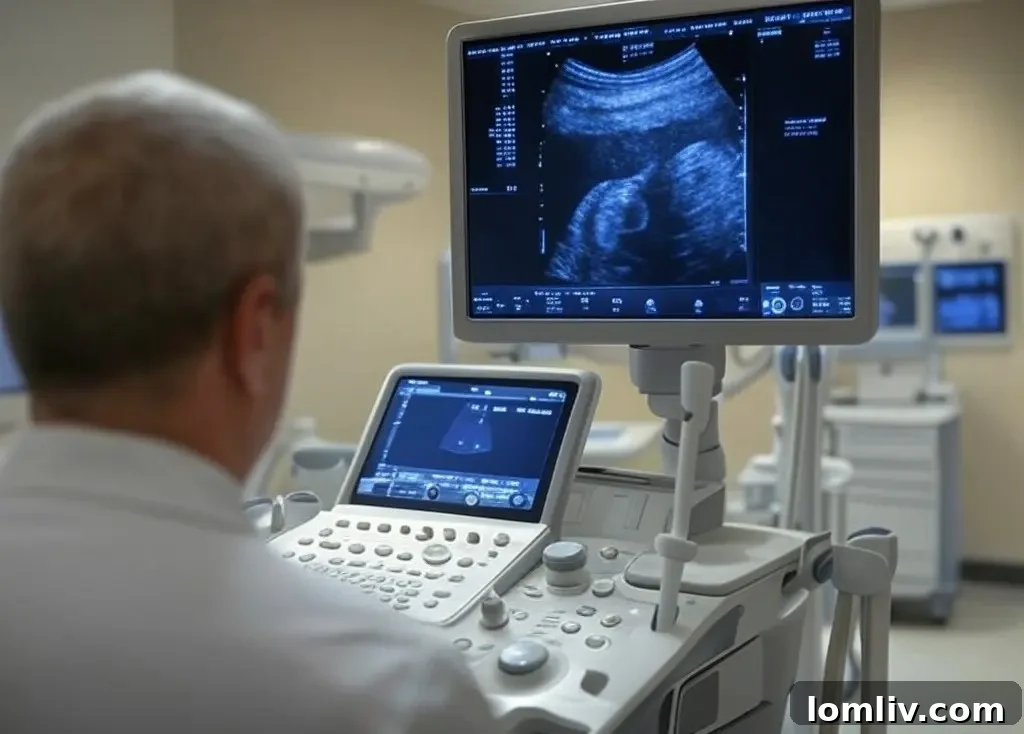
Ultrasounds utilize high-frequency sound waves to create real-time images of internal body structures. A special wand (transducer) is moved over the skin, often with a gel applied, bouncing sound waves off organs and tissues. These waves are then converted into visual images. Ultrasounds are famous for monitoring developing babies during pregnancy due to their safety profile (no radiation). They are also widely used to examine abdominal organs (liver, kidneys, gallbladder), the heart (echocardiograms), blood vessels, and to guide needle procedures.
PET Scans (Positron Emission Tomography)
PET scans are a unique nuclear medicine imaging technique that provides insights into your body’s metabolic activity. Before the scan, you are injected with a tiny amount of a radioactive tracer, often a glucose compound. Cancer cells, infections, and certain neurological conditions tend to absorb this tracer more rapidly than healthy tissues, causing them to “light up” on the scan. PET scans are highly effective in detecting cancer, assessing its spread, monitoring treatment effectiveness, and diagnosing certain brain disorders like Alzheimer’s disease.
Other Specialized Tests
Beyond these core modalities, various specialized imaging tests cater to specific diagnostic needs. Mammograms, for instance, are low-dose X-rays specifically designed to screen for breast cancer. Echocardiograms are ultrasounds that provide detailed images of the heart’s structure and function. Nuclear medicine scans, generally, involve introducing a small amount of radioactive material into the body to create images based on physiological function rather than just anatomy. Endoscopies, while not strictly “imaging” in the same sense as the others, involve using tiny cameras inserted into the body to visualize internal organs directly, like the digestive tract.
Why Medical Imaging Tests Can Be a Source of Discomfort or Stress
While the diagnostic power of medical imaging is undeniable and immensely helpful for doctors, we acknowledge that undergoing these tests can be a source of stress, anxiety, or physical discomfort for many individuals. Understanding these potential disadvantages can help manage expectations and allow for better patient preparation:
- Scheduling Challenges: Medical imaging clinics, especially those equipped with advanced machinery like MRIs and CTs, can be extremely busy. Securing a convenient appointment, particularly for specialized tests, can sometimes involve waiting lists or require flexibility in your schedule, adding a layer of logistical stress to an already anxious time.
- Unpleasant Contrast Solutions: For many CT and MRI scans, and some X-rays, patients are required to drink a “contrast solution” or receive an intravenous injection of contrast dye. These solutions, often chalky or metallic-tasting, are crucial for highlighting specific organs, blood vessels, or abnormalities, but their taste or the sensation of injection can be distinctly unpleasant for some individuals.
- Claustrophobia and Confinement: Tests like MRIs and PET scans require patients to lie still inside a long, narrow tube for an extended period, which can range from 30 minutes to over an hour. This confined space can trigger severe claustrophobia and anxiety in many individuals. Even those without a history of claustrophobia may find the experience unsettling.
- Radiation Exposure Concerns: Tests like X-rays and CT scans utilize ionizing radiation. While the doses are generally low and considered safe when medically necessary, the thought of radiation exposure can cause significant anxiety for some patients. Healthcare providers always weigh the diagnostic benefits against the minimal risks of radiation.
- The Need for Immobility: Achieving clear, diagnostic-quality images often requires the patient to remain perfectly still for specific durations. This can be challenging for children, individuals with pain, or those with restless conditions, leading to longer scan times or, in some cases, the need for repeat scans.
- Potential Allergic Reactions: Although rare, some individuals can experience allergic reactions to the contrast dyes used in CT or MRI scans. These reactions can range from mild (hives, itching) to severe (difficulty breathing, anaphylaxis). Medical staff are always prepared to handle such emergencies, and patients are typically screened for allergies beforehand.
- The Stress of False Positives: Sometimes, an imaging test might reveal an abnormality that looks concerning but ultimately turns out to be benign upon further investigation. These “false positives” can cause significant emotional distress, anxiety, and the need for additional, often invasive, follow-up tests, creating unnecessary worry and potential discomfort.
- Loud Noises: MRI machines, in particular, can be very loud, producing banging and knocking sounds during the scan. While hearing protection is provided, the intensity and duration of these noises can still be unsettling for many.
Navigating these various challenges is undoubtedly not enjoyable. However, it’s crucial to remember that healthcare professionals recommend these tests with your best interests at heart. The detailed images obtained are an invaluable source of information, critical for identifying problems, making accurate diagnoses, and guiding the most effective treatment plan for your health and well-being.
Preparing for Your Medical Imaging Test: Practical Advice
To minimize discomfort and ensure the best possible results, proper preparation for your imaging test is key. Here are some practical tips:
- Understand the Instructions: Pay close attention to any specific instructions provided by your doctor or the clinic, such as fasting requirements before a scan, medication adjustments, or bringing previous imaging results.
- Inform About Allergies and Medical History: Always disclose any allergies, especially to contrast dyes, iodine, or latex. Also, inform staff about any underlying medical conditions like kidney disease, diabetes, asthma, or if you are pregnant or breastfeeding.
- Discuss Your Fears: If you experience claustrophobia, anxiety, or have concerns about pain or noise, discuss this with your doctor and the imaging technologists beforehand. They may offer strategies like mild sedatives, an open MRI option (if available and appropriate), or simply provide reassurance and explain what to expect in detail.
- Wear Comfortable Clothing: Opt for loose-fitting, comfortable clothing without metal zippers, buttons, or embellishments, as these can interfere with imaging, especially MRIs. You may be asked to change into a gown.
- Remove Metal Objects: For MRI scans, it’s essential to remove all metal jewelry, watches, hairpins, glasses, and any other metallic items. Inform the staff about any implanted medical devices (pacemakers, cochlear implants, joint replacements) as some may be incompatible with MRI.
- Ask Questions: Don’t hesitate to ask your doctor or the imaging staff any questions you have about the procedure, its purpose, or what you can expect during and after the test. Being informed can significantly reduce anxiety.
Communicate with Your Doctor About Medical Imaging Concerns
It’s perfectly normal to have questions or concerns about an upcoming medical imaging test. If your doctor has ordered a scan and you feel worried or unsure, please do not hesitate to voice your concerns. Open communication with your healthcare provider is paramount. Let them know about any specific fears you have, any known sensitivities or allergies, or other medical conditions that might impact the test. This information allows them to take appropriate precautions, explore alternative options if necessary, and ensure your safety and comfort throughout the process.
Beyond expressing concerns, engage in a dialogue about the rationale behind the recommended test. Ask your doctor to explain why this particular imaging modality is necessary for your situation, what specific information they hope to gain from it, and how the results will benefit your overall treatment plan. If you are entirely opposed to a particular type of imaging test due to severe anxiety or other issues, inquire about alternative diagnostic methods. There might be another approach that can yield similar diagnostic information, providing you with results you’re comfortable with.
Doctors genuinely understand that medical scans and tests can be an unpleasant experience. However, good communication fosters a more patient-centered approach, helping to improve your experience and ensure you receive the essential imaging you need with as little stress and discomfort as possible. Your well-being, both physical and emotional, is their priority.
Conclusion
Heading to a medical imaging clinic for a diagnostic test is rarely at the top of anyone’s preferred activities. The prospect of entering a confining MRI machine, experiencing the unusual sounds of a CT scanner, or contemplating the mild radiation exposure from an X-ray can certainly evoke feelings of apprehension. However, a deeper understanding of why doctors prescribe these tests can transform annoyance into appreciation.
Medical imaging provides an indispensable window into the human body, offering diagnostic insights that are often unattainable through other means. The detailed images generated are a valuable source of information, crucial for accurately detecting, diagnosing, and effectively treating a vast spectrum of health conditions—from pinpointing the cause of persistent symptoms and identifying intricate injuries, to tracking down the earliest signs of cancer, monitoring chronic illnesses, and guiding complex medical procedures. Despite the temporary discomforts or anxieties associated with these tests, their role in modern medicine is foundational.
In essence, medical imaging is a powerful, non-invasive technology that empowers healthcare professionals to make informed decisions, leading to better patient outcomes and improved quality of life. By embracing these advancements and maintaining open communication with your healthcare team, you are taking a proactive step in managing your health, ensuring that you remain in the best possible shape. Medical imaging truly plays an integral and transformative role in safeguarding your well-being.