White Rock Chapel Secures Future in Addison: A Landmark Decision for History and Faith
In a decision that brought to a close a period of intense public debate, the Addison City Council on December 4th unanimously approved a Special Use Permit (SUP), granting the historic White Rock Chapel the necessary authorization to continue its vital church services within a residential neighborhood on Celestial Road. This pivotal vote, which unfolded amidst allegations of racism and NIMBY-ism, alongside profound discussions on property rights and religious freedom, reaffirms the church’s enduring presence in the community.
A Century of Faith: The Enduring Legacy of White Rock Chapel
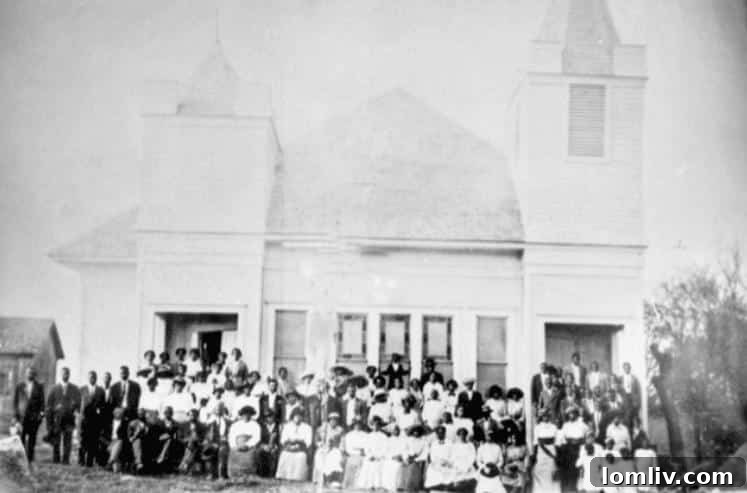
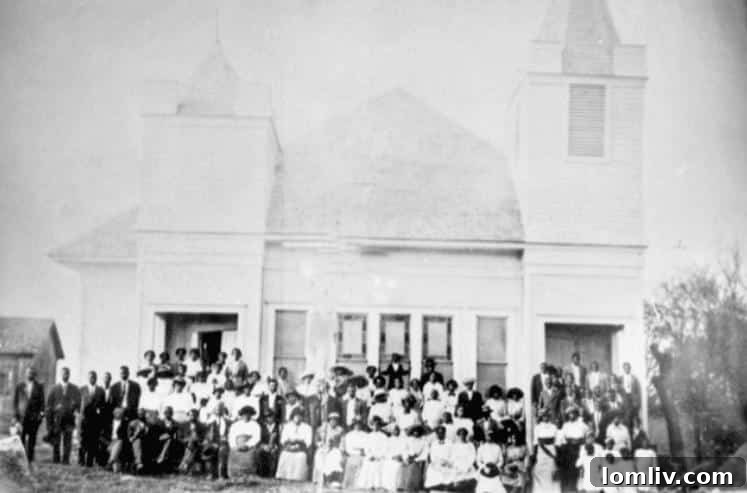
The White Rock Chapel stands as a testament to perseverance and faith, a historic African American church founded by freed slaves in the year 1884. Its establishment marked a significant milestone, providing a spiritual and communal bedrock for a population striving for self-determination and identity in post-slavery America. Originally located in Dallas, the congregation made a pivotal move to Addison in 1918, a relocation that firmly planted its roots within what would eventually become the town’s expanding landscape.
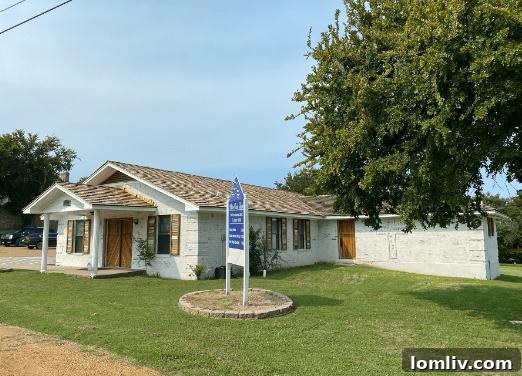
The church site, spanning 1.28 acres, is characterized by its two structures, which collectively offer 2,700 square feet of space dedicated to worship and community activities, complemented by an on-site parking lot. Over the past four decades, the area surrounding the chapel has transformed dramatically, with neighborhoods like Oaks North, Bellbrook Estates, Stanford Court Villas, and Celestial Place developing around the venerable institution. Recognizing its profound historical and cultural significance, the Texas Historical Commission officially designated the chapel as a historic site in 2000, underscoring its importance to the state’s heritage.
Director of Development Services, Ken Schmidt, elucidated the complex zoning issue that necessitated the recent council action. “We are here tonight,” Schmidt explained, “because Addison’s zoning ordinance requires a special use permit for religious institution uses.” He further clarified that the church’s religious use, having existed on the site for over a century, long “predated initial zoning of the property and following annexation action, zoning action was never taken by the town to make it a legal use.” This administrative oversight created a precarious situation for the church, despite its deep historical roots.
Navigating Zoning Complexities: The Path to Legal Certainty
The recent Special Use Permit was not merely about legitimizing the church’s long-standing presence; it also empowered property owner Dr. Don Wesson to undertake crucial site improvements. These enhancements are envisioned to facilitate various community events, including weddings and funerals, thereby allowing the chapel to serve the broader needs of Addison residents. The proposed upgrades include the addition of a small pavilion and a much-needed modernization of the existing parking lot, ensuring the facility can adequately accommodate its congregation and guests for diverse occasions.
Following the council’s unanimous vote, Dr. Wesson expressed his profound relief and optimism. “We are excited to have this issue settled and to continue being a good community member, neighbor, and civic partner,” Wesson stated, signaling a renewed commitment to fostering positive relationships within the surrounding residential area. This sentiment underscores the chapel’s desire to integrate seamlessly, contributing positively to the fabric of Addison.
The December 4th council meeting itself was a marathon session, extending just shy of midnight. Dozens of residents voiced their vehement opposition to the permit, urging council members to resist what they perceived as pressure stemming from fears of potential legal action. The passionate pleas from both sides highlighted the deep divisions and strong emotions stirred by the debate, making the council’s ultimate decision a truly significant moment for the community.
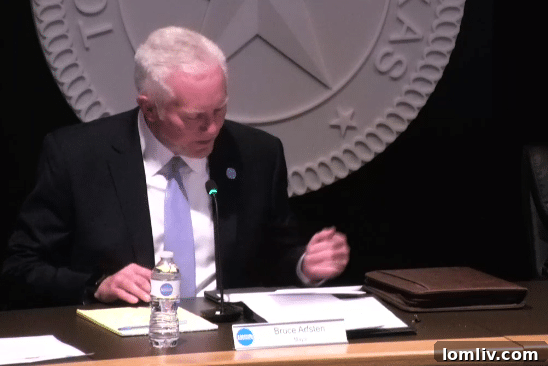
Mayor Bruce Arfsten acknowledged the difficult nature of the decision, stating that “no one takes pleasure in making a decision that is going to anger neighbors and friends.” However, he emphasized that the core of the matter boiled down to a fundamental question of appropriateness. “What it really comes down to is whether this SUP is an appropriate use for this property,” Arfsten articulated. He underscored the historical precedent, noting, “The use of this property is the only use this property has ever had, as far as we know, at least going back 100 years. The neighborhood grew up around it. There’s a matter of private property rights…” For the Mayor, the legal and constitutional imperatives were paramount, regardless of local sentiment. “For me, the decision is really clear. We have to follow the law and we have to follow the Constitution, even though it’s unpopular among a lot of our residents.” This stance highlighted the council’s commitment to upholding foundational legal principles amidst community pressure.
Interested citizens can review the complete proceedings of the Addison City Council meeting here.
Understanding the Opposition to the Historic Black Church’s Special Use Permit
The concerns raised by residents regarding the Special Use Permit were multifaceted and deeply felt. Chief among the problems articulated in numerous letters and impassioned in-person testimonies was the apprehension that the White Rock Chapel would transform from a place of worship into a full-fledged event center. This fear was often accompanied by worries that such a transformation could lead to the serving of alcoholic beverages on the premises, a practice many residents deemed incompatible with a tranquil residential environment. Further contentious points included speculation that convicted felons might be hired to work at the facility, raising safety and community character concerns.
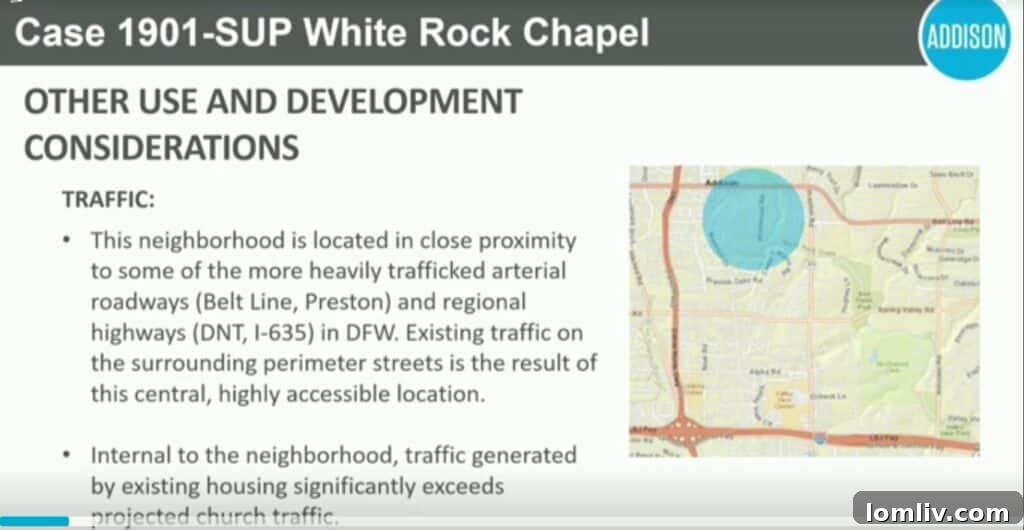
Beyond these specific anxieties, a broader spectrum of neighborhood concerns emerged, focusing on the potential negative impact on property values. Residents feared that increased activity, noise, and traffic, perceived as consequences of an expanded church operation, would diminish the desirability and economic worth of their homes. Traffic congestion, in particular, was a frequently cited worry, with residents envisioning overcrowded streets and compromised neighborhood tranquility.
The passionate opposition was encapsulated in a powerful letter from resident Kay Beatty, read aloud by Mayor Arfsten during the meeting. Beatty’s words painted a vivid picture of the perceived pressures on the council: “Fear and intimidation seem to be what this council is facing,” she wrote. “This applicant, a wolf, has shed his sheep’s clothing and is before you, snarling with teeth bared in attack mode. It seems to be working. Fear of legal costs that may be incurred, fear of accusation of racism, fear of being labeled anti-religion, fear of accusations of voting against the First Amendment of the U.S. Constitution… The easy way out gives the wolf what he wants.” This analogy underscored a prevalent feeling among opponents that the council was being strong-armed into a decision against the community’s best interests, fueled by legal threats and accusations.
Other residents highlighted the fact that, as a church, the property would not contribute to the local tax base, drawing comparisons to other establishments that do pay property taxes. Questions were also raised regarding neighborhood deed restrictions and the legal validity of Dr. Wesson’s ownership of the property, adding layers of complexity to the already contentious debate. The strength of this collective opposition was undeniable, with approximately 186 neighbors signing a formal petition against the Special Use Permit, demonstrating a unified front against the proposed changes.
Councilwoman Nancy Craig, reflecting on the community’s emotional response, acknowledged that the matter had unfortunately “brought division to the town.” She recognized the weight of the council’s responsibility, stating, “To deal with that is part of our responsibility. I ran for this position with the goal of serving our entire community. It is our job to listen with care and concern.” Craig assured residents that their voices had been heard: “I can say that I believe from my experience as well as what I’ve heard from the rest of the council that we have spent hours upon hours listening to those on both sides of this issue. You have not gone unheard.”
Vocal Support for White Rock Chapel: Upholding Religious Freedom and Heritage
In stark contrast to the opposition, a robust voice of support emerged for the White Rock Chapel, centered on principles of religious freedom, property rights, and the preservation of a crucial historical landmark. Attorney James Grossman of McDermott Will and Emery LLP, representing the chapel, eloquently conveyed to the council that the permit was not about establishing a new precedent, but rather about allowing a historic church to continue functioning authentically as a place of worship and community gathering, as it has for over a century.
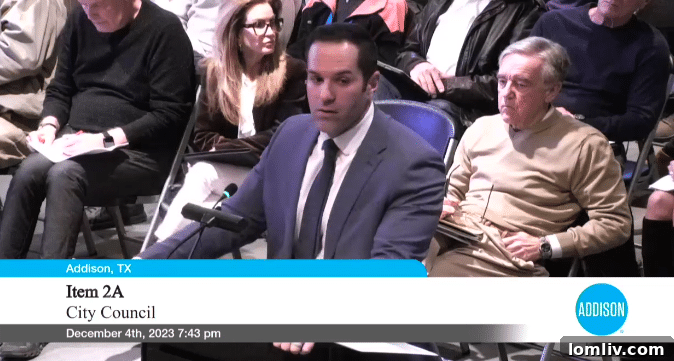
Grossman emphasized the broader implications of the decision, stating, “This small African American church is a reminder to everyone in Addison that unity, diversity, and religious freedom are core values that strengthen all communities.” He further expressed the collective relief and satisfaction of the chapel’s supporters: “We are thrilled that the chapel will be free to continue to serve its community.” This assertion highlighted the chapel’s role not just as a religious institution, but as a symbol of Addison’s commitment to inclusive values.
The legal representation for the Wesson family was a joint effort, with the Dallas law firm partnering with the esteemed First Liberty Institute, a non-profit organization dedicated to defending religious freedom for all Americans. Their combined expertise proved instrumental in navigating the complex legal and community landscape.
In a statement released subsequent to the December 4th vote, the attorneys detailed the crucial efforts undertaken by the current owners. They recounted how, in August 2018, Dr. Don Wesson and his family purchased the property, rescuing it from receivership. This act of preservation was vital, effectively saving the historic church from potential demolition and ensuring the continuity of its rich history and invaluable legacy for future generations. The acquisition was not merely a transaction but a commitment to safeguarding a piece of living history.
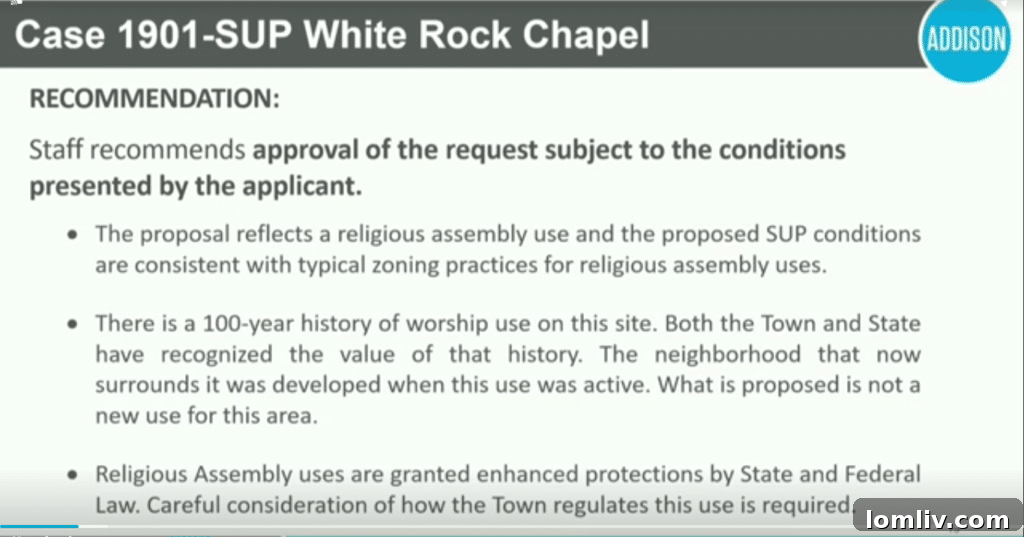
The journey to this permit approval was not without its hurdles. Prior to the recent vote, the church had sought building permits to restore the property. These permits, despite being advanced by the city’s Planning and Zoning Commission, were ultimately denied by the City Council. The December council vote, therefore, represented a critical turning point, finally providing the essential permit necessary for the church to legally operate and continue its venerable existence within Addison. As Jeremy Dys, Senior Counsel for First Liberty Institute, articulated, “We are pleased that the Addison City Council recognizes the rights of this historic African American church to remain at this location as it has for more than 100 years and continue to serve the needs of people in the surrounding areas.”
Deputy Mayor Pro Tem Guillermo Quintanilla, who bravely initiated the motion for approval, offered a nuanced perspective on the council’s deliberations. He contended that while the council was undoubtedly concerned by the issues at hand, they were not motivated by fear. “The fear that I have is not living up to my obligation and my oath that I took to sit in this seat,” Quintanilla stated, emphasizing the gravity of their responsibilities. He expressed confidence in his colleagues, adding, “I don’t believe the other council members are fearful. I believe they understand that the oath they have taken prevails over many of the issues that are brought to us. We take our oath very seriously.” This highlighted the council’s commitment to constitutional duties above popular opinion.
The motion was robustly seconded by Councilman Darren Gardner, who acknowledged the deeply ingrained resistance from some segments of the community. “I’ve come to determine that no matter what’s on paper, many people just won’t accept this,” Gardner conceded. He recognized that the resolution of such entrenched divisions would require time and demonstrated good faith. “It’s going to have to be played out. It’s going to have to be proven. There’s a ‘never will’ crowd… I am going to believe that Mr. Wesson is going to be a good neighbor.” Gardner’s statement reflected a forward-looking perspective, trusting in the chapel’s commitment to community integration moving forward.