The Enchanting Legacy of a Greenland Hills Tudor: From Musical Icon to Design Masterpiece
Step Inside History: Discovering the Soul of a 1924 Greenland Hills Tudor
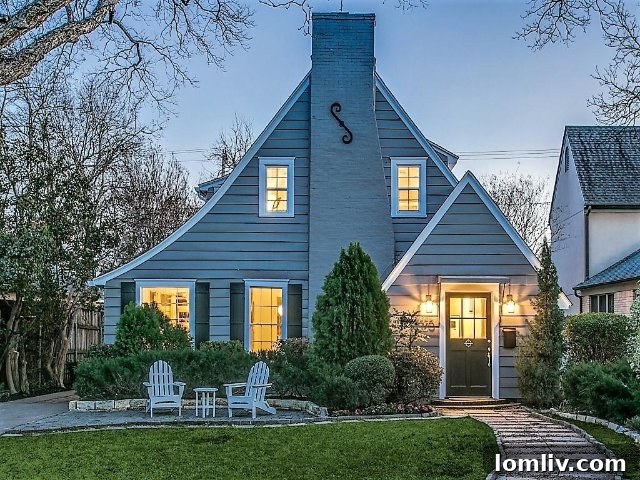
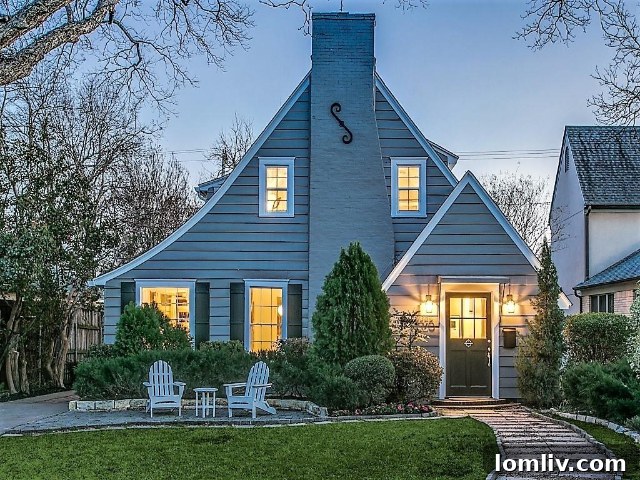
Imagine waking up in a home that has witnessed nearly a century of stories, creativity, and momentous occasions. There’s an undeniable allure to living within walls steeped in history, a connection to the past that modern architecture simply cannot replicate. Especially when that dwelling is a meticulously renovated 1924 Greenland Hills Tudor, a beacon of historical charm nestled in one of Dallas’s most beloved neighborhoods. This isn’t just a house; it’s a living narrative, inviting its next inhabitants to become part of its continuing saga.
The journey of uncovering who once graced the halls of such a distinguished residence is akin to embarking on an exhilarating treasure hunt. Each detail, from the original floorboards to the unique architectural elements, whispers tales of bygone eras. One can almost feel the echoes of talent that have permeated every room – the creative challenges embraced, the heartfelt conversations shared, the profound thoughts pondered, and yes, the captivating music that once filled its spaces. Such a home offers not just shelter, but inspiration, a timeless backdrop for creating new memories while honoring a remarkable heritage.
The Melodic Past: David Guion and “Home on the Range”
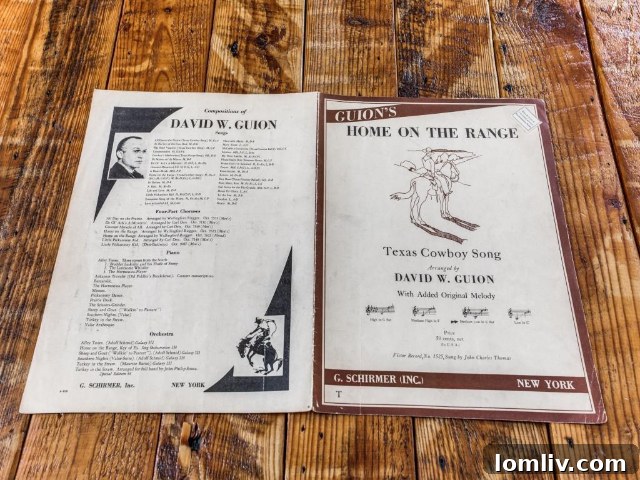
Ah, the music! And what an extraordinary musical legacy this particular Greenland Hills Tudor possesses. This very home once belonged to none other than the influential American musician and composer, David Guion. While his name might not immediately resonate with everyone today, the song he famously arranged and popularized is an indelible part of American culture. Guion is widely credited for transforming “Home on the Range” into the timeless Western classic we know and love, a song so cherished it was even a favorite of President Franklin D. Roosevelt.
A Texas Prodigy’s Journey to Musical Fame
David Guion’s story is one of fascinating contrasts and remarkable achievements. He spent his formative boyhood years immersed in the authentic cowboy culture of his father’s ranch in Ballinger, Texas. This rugged, expansive landscape undoubtedly shaped his deep appreciation for American folk traditions and the spirit of the West. Recognizing his prodigious musical talent early on, his family invested in his education, sending him by train each week to San Angelo for piano lessons. This dedication paid off handsomely, as by the tender age of 20, Guion found himself in the esteemed musical capital of Vienna, studying under the legendary Leopold Godowsky – a virtuoso often revered as the “Buddha of the Piano.”
The trajectory from a young boy on a West Texas ranch to a student of one of the world’s most acclaimed pianists is astonishing. Even more incredible is that this same individual would become a pioneering figure, one of the first American composers to dismantle the rigid barriers between classical and popular music. His innovative arrangements and compositions captured the attention of icons across genres, with legendary crooners like Bing Crosby singing his songs and classical maestros such as Arturo Toscanini conducting them. Guion’s ability to bridge these worlds speaks volumes about his genius and foresight, leaving an enduring mark on American musical heritage.
The Enduring Legacy of “Home on the Range”
The story of “Home on the Range” itself is as rich and meandering as the American landscape it evokes. While David Guion’s skillful arrangement propelled it to national fame, its origins trace back much further. The lyrics are generally attributed to Brewster Higley, a Kansas homesteader who penned them in 1873. Don Kelly then set these poignant words to a tune. The first published version combining words and music appeared in 1904, titled “My Arizona Home” by William Goodwin. However, it was the renowned Texan folklorist John Lomax who, in his celebrated 1910 anthology, Cowboy Songs, declared it “the cowboy’s national anthem,” cementing its place in the American songbook even before Guion’s major contribution.
Author and historian A.C. Greene eloquently captured Guion’s indispensable role in the song’s journey to iconic status in the Dallas Morning News in 1992:
As for David Guion, his skillful arrangement was what made the song the American favorite it has become. The lyrics were believed written by a Kansas homesteader, Brewster Higley, in 1873. Don Kelly then put the words to a tune. In 1904 words and music were issued together for the first time with the title My Arizona Home by William Goodwin. Texan John Lomax’s famed 1910 anthology, Cowboy Songs, called it “the cowboy’s national anthem.”
David Guion was the son of Judge John I. and Armour Fentress Guion, and he early showed his musical genius. He said that at a tender age, a nice Ballinger woman paid him $1 every Saturday to come play for her family. He did so until his mother discovered that the “family home’ was a brothel.
He was the first American composer to collect, arrange and publish Negro spirituals, cowboy songs, old fiddle tunes, and breakdowns. A collection of his works is at Baylor University.
From Broadway to Broadcast: Guion’s Showmanship
Guion’s legendary arrangement of “Home on the Range” originated in his grand production, “Prairie Echoes,” staged at the prestigious Roxy Theater in New York. This spectacular show was a vibrant celebration of Western culture, featuring skilled ropers and energetic cowboy dances, enchanting audiences with its authentic portrayal of frontier life. Its success was so profound that NBC broadcast an unprecedented hour-long radio program of “Prairie Echoes” coast-to-coast, bringing the spirit of the West to millions across the nation.
Ever the showman, Guion understood the power of spectacle. For the live radio broadcast, he arrived in true cowboy fashion, kitted out in his finest Western attire, chauffeured in a gleaming Cadillac, and escorted by the police. His dramatic entrance famously brought all traffic on Fifth Avenue to a standstill, a testament to his larger-than-life persona and his ability to command attention. Guion’s theatrical flair and deep connection to cowboy culture not only popularized “Home on the Range” but also heralded the emergence of an entire generation of “singing cowboys.” These crooning cowpokes became cinematic sensations, starring in Western films for over a decade and forever intertwining music with the mythos of the American West. Beyond his cowboy songs, Guion’s pioneering efforts as the first American composer to collect, arrange, and publish Negro spirituals, old fiddle tunes, and breakdowns underscore his profound and diverse impact on American folk music, preserving invaluable cultural expressions for future generations.
The Heart of Dallas: David Guion’s Beloved Greenland Hills Residence
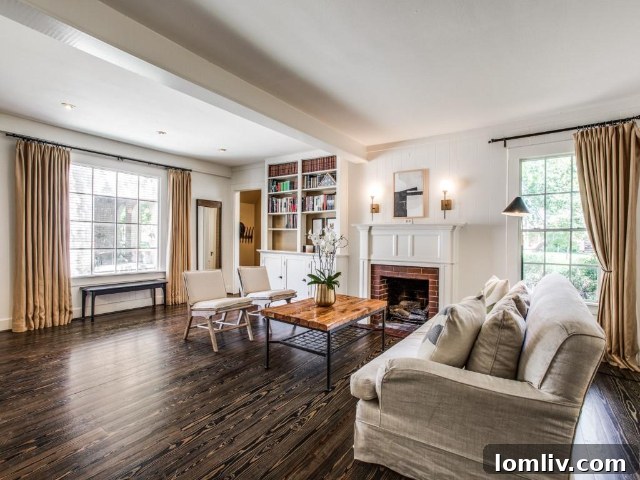
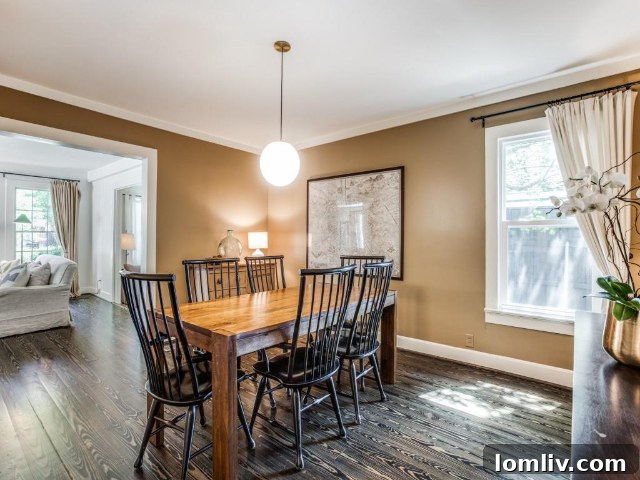
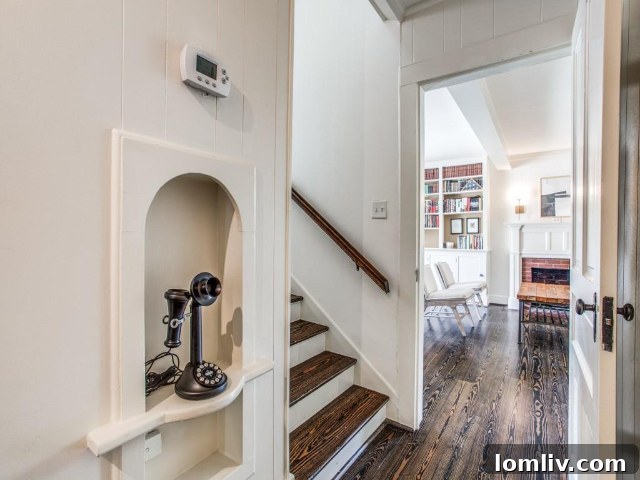
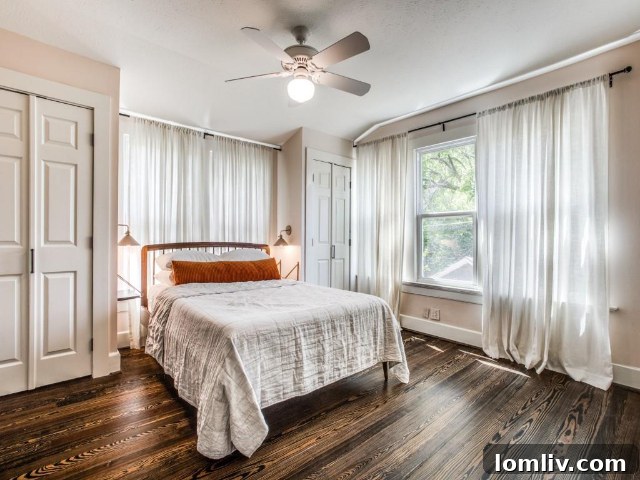
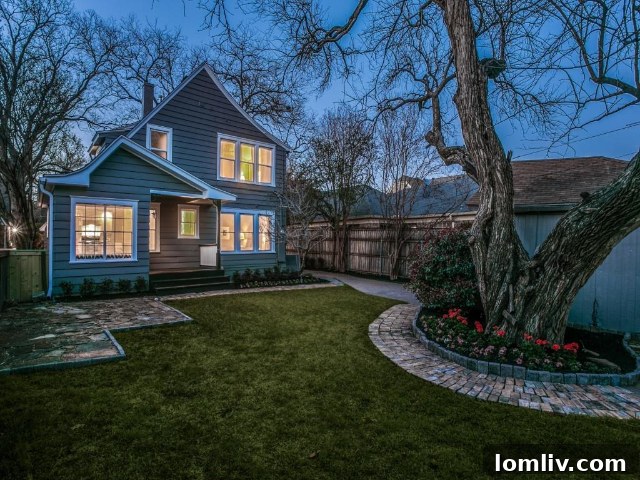
Following his father’s passing in 1920, the Guion family relocated to Dallas, eventually settling into this distinguished 2,655-square-foot Greenland Hills Tudor sometime in the 1930s. At a time when homes were generally much smaller, this residence was considered quite grand for the 1920s, boasting four spacious bedrooms and an expansive, open living space – a design concept almost unheard of and highly coveted in its era. The home served as a sanctuary and a source of inspiration for Guion, offering a quiet respite from his bustling career.
Despite his extensive travels and periods living in vibrant cultural hubs like New York and Pennsylvania, David Guion always considered this particular house his true home. His deep affection for the residence brought him back to Dallas to live here full-time, a place where he could reflect, compose, and find peace until his passing in 1981. This enduring connection imbues the home with an almost palpable sense of its former resident’s spirit, making it not just a piece of real estate, but a tangible link to a significant chapter in American music and Dallas history.
A New Harmony: Bonnee Sharp’s Vision for a Historic Gem
It is often said that talent draws talent, and this principle holds true for this remarkable Dallas property. Knowing its storied past, it came as no surprise when Allie Beth Allman listing agent Maribeth Messineo Peters revealed that acclaimed interior designer Bonnee Sharp had also resided in and left her indelible mark on this very home. Sharp is celebrated for her innovative Bon Ton Studio, particularly her incredible hand-printed, on-demand textile collection developed in a prestigious collaboration with F. Schumacher and Co. With her refined aesthetic and deep understanding of timeless design, who could be better suited to infuse a fresh, contemporary appeal into this beloved and charming Greenland Hills Tudor while respecting its historical integrity?
Thoughtful Transformations: Preserving the Tudor’s Essence
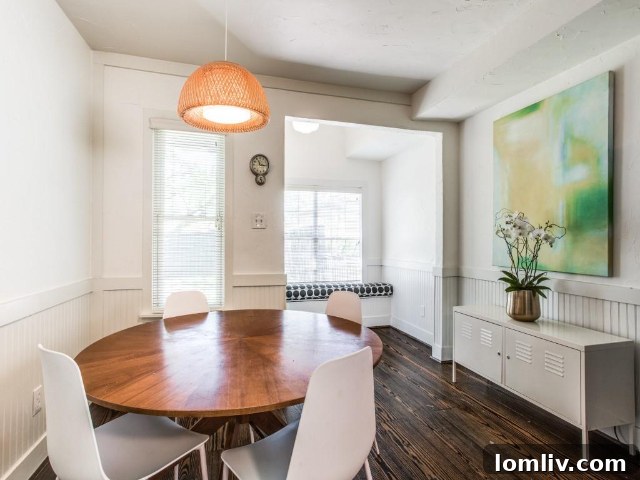
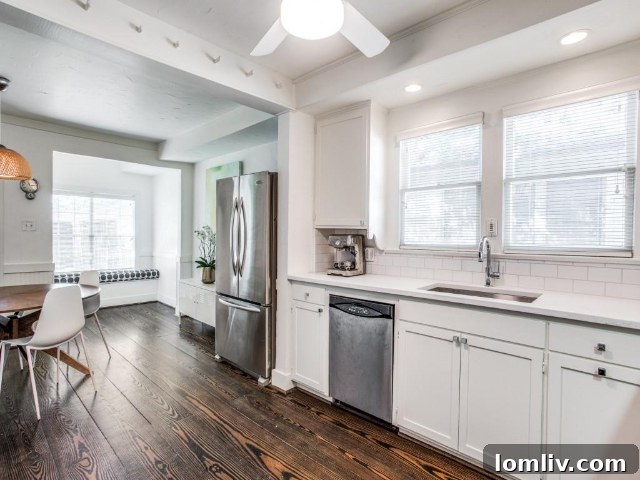
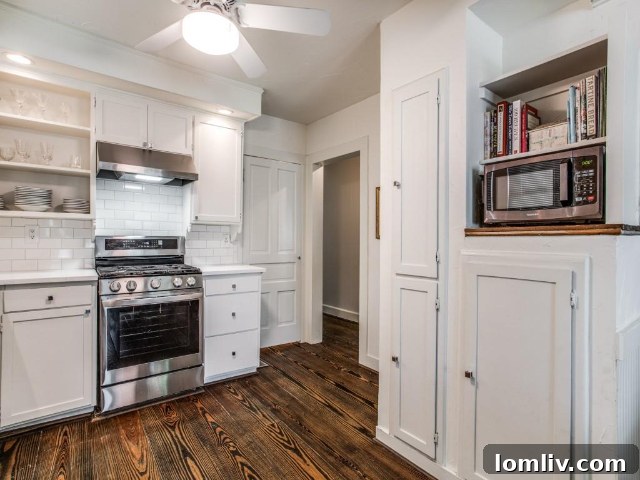
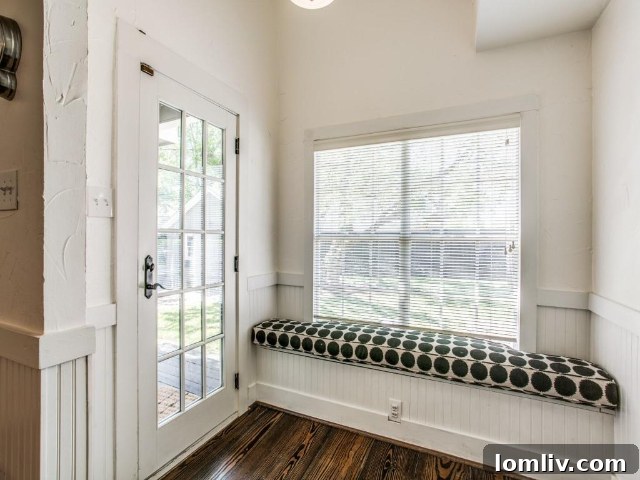
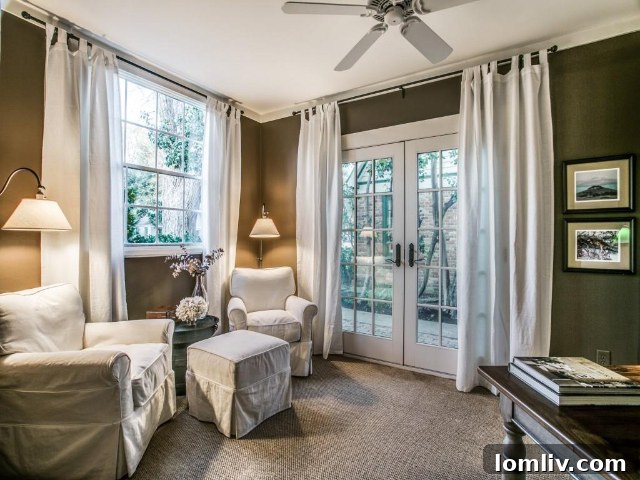
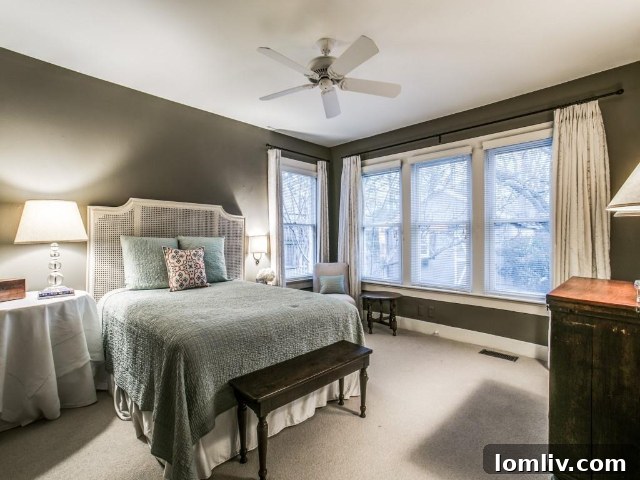
Bonnee Sharp’s approach to renovating this historic property was one of thoughtful preservation and subtle enhancement. As Peters noted, “Bonnee primarily made cosmetic changes in the house as the 1924 bones were so good.” This philosophy ensured that the home’s inherent architectural character and robust structure remained intact, allowing its century-old charm to shine through while integrating modern comforts and aesthetics. Sharp’s design interventions were artful and deliberate, elevating the home’s appeal without erasing its soul.
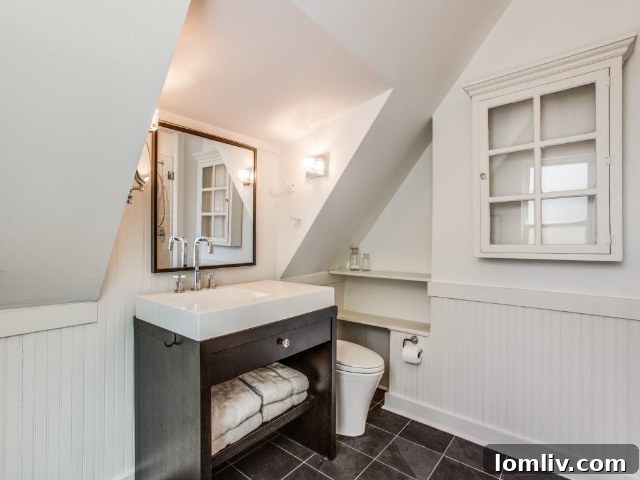
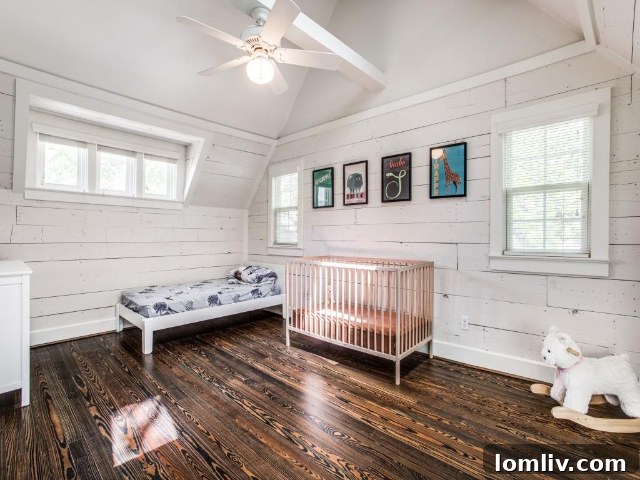
Among her notable contributions are the creation of the distinctive dot tile bathroom, a playful yet elegant nod to classic design, which adds a unique textural dimension to the space. Another standout feature is the utterly charming upstairs bedroom, transformed with a vaulted ceiling and rich wood-planked accents. This thoughtful design choice creates an airy, inviting retreat, blending rustic warmth with sophisticated craftsmanship. The result is a home that beautifully marries its historic roots with contemporary design, now a move-in-ready charmer eagerly awaiting its next generation of appreciative residents and, perhaps, another wave of creative talent.

Your Invitation to History: 5526 Monticello Avenue
This exquisite Greenland Hills Tudor at 5526 Monticello Ave. is more than just a house; it’s an opportunity to own a tangible piece of Dallas and American musical history. Maribeth Messineo Peters has listed this unique property for $799,500, presenting an exceptional chance to acquire a home that combines historical significance with thoughtful, elegant renovations. With its rich narrative, charming architectural details, and prime location in the desirable Greenland Hills neighborhood, this residence promises a lifestyle filled with inspiration and comfort.
Stepping into this home, you don’t just find four walls and a roof; you find echoes of a musical legend and the refined touch of a celebrated designer. It’s a place where tradition meets modernity, creating an atmosphere that is both grand and intimately welcoming. Given its illustrious past and inviting present, it’s undeniably safe to say that in this exceptional house, “seldom is heard a discouraging word, and the skies are not cloudy all day.” This Greenland Hills Tudor isn’t just a property; it’s a dream waiting to be lived.