Every year, millions of individuals across the United States face the distressing reality of injuries sustained from falls. The Centers for Disease Control and Prevention (CDC) highlights that falls are a leading cause of injury, resulting in approximately 8 million emergency department visits annually. These incidents, often preventable, can occur when least expected, profoundly altering a person’s life with consequences ranging from minor discomfort to severe, long-term disabilities, and even tragic fatalities. When such an injury happens on someone else’s property, the legal landscape shifts dramatically, bringing into focus the critical area of premises liability law.

Experiencing an injury due to unsafe conditions on another person’s or entity’s property is a serious matter that demands immediate attention and understanding of your legal rights. The aftermath of such an incident can be overwhelming, involving significant medical expenses, lost income, and considerable emotional distress. To successfully navigate the complexities of holding a negligent property owner accountable, it is essential to grasp the core principles of premises liability and property ownership laws. These legal frameworks are designed to ensure that property owners maintain their premises in a reasonably safe condition for visitors.
As Sacramento premises liability lawyer Catie Barr emphasizes, the specific circumstances surrounding a property liability claim can be intricate and confusing. Establishing liability often hinges on proving negligence – demonstrating that the property owner failed to exercise reasonable care, leading directly to the injury. If an injury is a direct result of a property owner’s carelessness or irresponsible maintenance, you may be legally entitled to claim substantial compensation from the liable parties for your suffering, losses, and grievances. Understanding the intricate details of premises liability cases is paramount for anyone considering filing a claim. This comprehensive guide will illuminate the crucial factors that can establish a property owner’s accountability for injuries sustained on their premises, providing you with the knowledge needed to pursue justice effectively.
Understanding Premises Liability: Your Rights as a Visitor
Premises liability is a legal concept that holds property owners responsible for certain injuries that occur on their land or in their buildings. This area of law covers a wide array of incidents, but as Baton Rouge slip-and-fall lawyer Michael Malinowski Jr. notes, slip-and-fall accidents are among the most frequent causes of premises liability claims. These incidents often occur when individuals are hurt on property owned, leased, or managed by another person or business, highlighting a breach of the duty of care owed to visitors. Under premises liability law, victims can seek comprehensive compensation for various damages, including medical bills, lost wages due to time off work, and the often-debilitating pain and suffering resulting from their injuries.
The fundamental premise of premises liability is that property owners and those in control of property have a legal obligation to ensure their premises are reasonably safe for lawful visitors. This responsibility isn’t absolute; it doesn’t mean owners are insurers against all accidents. Instead, it means they must exercise “reasonable care” to inspect their properties, identify potential hazards, and either rectify them or adequately warn visitors about their existence. The specific duty of care owed by a property owner can vary depending on the jurisdiction and the legal status of the visitor at the time of the injury. Generally, visitors are categorized into three groups: invitees, licensees, and trespassers, with different levels of protection afforded to each.
An **invitee** is someone who enters the property for the owner’s benefit or mutual benefit, such as a customer in a store or a patient in a doctor’s office. Property owners owe invitees the highest duty of care, which includes regularly inspecting the premises for dangers, fixing any known hazards, and warning about any non-obvious dangers. A **licensee** is someone who has permission to be on the property but not for the owner’s commercial benefit, like a social guest. Owners must warn licensees of known dangers they might not discover themselves, but they generally aren’t required to actively inspect for hazards. Finally, a **trespasser** is someone on the property without permission. While owners typically owe trespassers the lowest duty of care, they generally cannot intentionally harm them, and in some cases, an attractive nuisance doctrine (e.g., an unfenced swimming pool) can extend duties to child trespassers.
Regardless of the visitor’s status, property owners are expected to conduct regular inspections and promptly address any discovered faults. This proactive approach not only safeguards visitors but also demonstrates a commitment to safety, significantly reducing the likelihood of a successful premises liability lawsuit. Warning guests about any potential dangers, such as a recently mopped floor or a loose step, and ensuring they are fully aware of hazards on your property, is a critical step in fulfilling this duty. Taking the initiative to mitigate risks on your property is paramount to maintaining a safe environment and minimizing legal exposure. Failure to uphold these responsibilities can result in severe legal and financial repercussions for the property owner.
Common Hazards That Lead to Premises Liability Injuries
Understanding the types of hazards that frequently lead to injuries on a property is crucial for both visitors and property owners. For owners, recognizing these risks allows for proactive prevention; for visitors, it helps in identifying potentially dangerous situations. A diverse range of conditions can pose significant threats to the safety of individuals on a property, often leading to premises liability claims. Awareness and diligent maintenance are key to preventing these incidents.
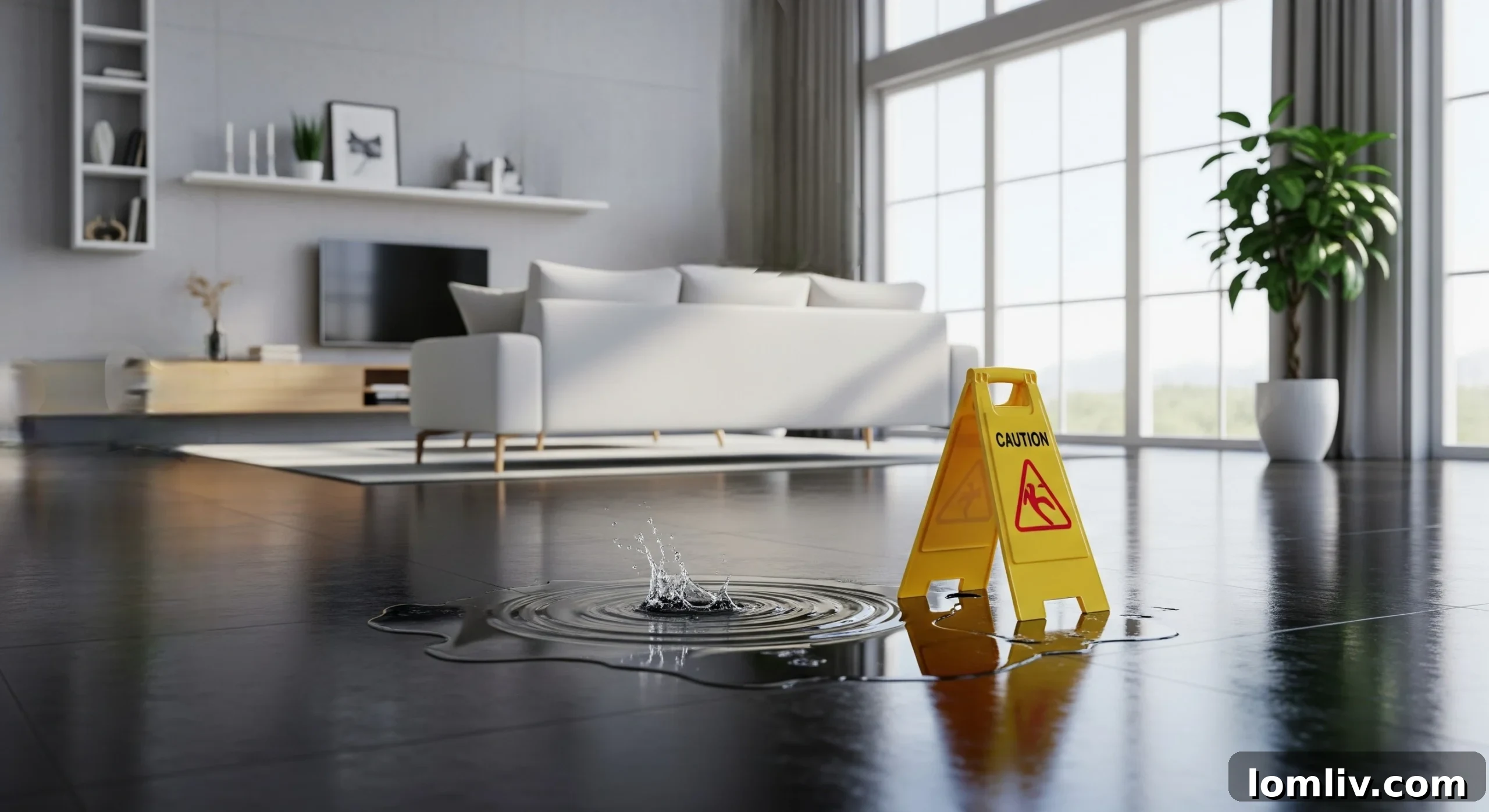
- **Slippery or Uneven Surfaces:** One of the most common culprits in premises liability cases is a hazardous walking surface. If a walkway, floor, or surface is wet from spills, rain, or cleaning, or if it is uneven due to cracks, loose tiles, torn carpets, or potholes, people can easily slip, trip, and fall. A simple yet effective remedy is to ensure all walkways are kept clear, dry, and in good repair. This includes promptly cleaning up spills, placing “wet floor” signs, repairing damaged flooring, and ensuring proper drainage outdoors. Similarly, cluttered or chaotic spaces, such as garages, storage areas, or even retail aisles, can become significant tripping hazards if items are left strewn across pathways.
- **Inadequate Lighting and Obscured Pathways:** Poor lighting is a major contributor to falls and other accidents, especially on stairs, pathways, and in dimly lit corridors. Guests are far more likely to misstep, trip over unseen objects, or lose their footing if the path ahead is not adequately illuminated. Property owners must ensure that stairs, entryways, parking lots, and all public access areas have proper, functional lighting. Regular checks of light fixtures and prompt replacement of burnt-out bulbs are essential. Furthermore, clear pathways free from obstructions like misplaced tools, equipment, or debris are vital to prevent inadvertent stumbles and serious injuries.
- **Unsecured or Dangerous Objects:** Leaving sharp tools, hazardous equipment, or other dangerous items unsecured and exposed is a significant risk. These objects should always be stored safely in designated areas, out of reach and out of the way of visitors. Beyond tools, structural elements like loose railings, wobbly handrails, or unstable shelving units can also pose a serious threat. Any item that could fall, collapse, or cause injury if bumped into must be properly secured or removed.
- **Aggressive Animals:** Pets, particularly dogs, can be a source of joy but also a serious liability if they exhibit aggressive behavior towards visitors. Property owners are responsible for controlling their animals, especially if they are known to be territorial or prone to biting. Keeping aggressive pets under strict control, using leashes, or securing them in a separate area when guests are present is crucial. Animals lacking proper behavioral training can inflict severe bites, scratches, or cause falls, leading to painful injuries and significant legal consequences for the owner.
- **Poorly Maintained Structures and Features:** The structural integrity of a property is paramount to visitor safety. Deteriorated structures like decaying fences, unstable decks, sagging staircases, or crumbling balconies can collapse without warning, causing severe harm or even fatalities. Property owners have a continuous duty to inspect and maintain these elements. Additionally, other property features such as swimming pools, if not properly secured with fences or equipped with safety drains, can lead to drowning incidents, especially involving children. Inadequate security, such as broken locks, insufficient lighting in parking lots, or non-functional surveillance systems, can also lead to injuries from criminal acts, for which a property owner may be held liable if they failed to provide reasonable protection.
The Role of Negligence in Establishing Premises Liability
At the heart of almost every premises liability claim is the concept of negligence. To successfully hold a property owner accountable for your injuries, you must demonstrate that their negligence directly caused the harm you suffered. Negligence, in a legal context, means that a person failed to exercise the degree of care that a reasonably prudent person would have exercised under similar circumstances. In premises liability, this often translates to a property owner failing to address dangerous conditions on their property.
Proving negligence typically involves establishing four key elements:
- **Duty of Care:** The property owner owed a legal duty to the injured party (e.g., to maintain a safe environment for visitors). As discussed earlier, this duty varies based on the visitor’s status.
- **Breach of Duty:** The property owner breached that duty by failing to act with reasonable care (e.g., by not fixing a known hazard or failing to warn about it).
- **Causation:** The owner’s breach of duty was a direct and proximate cause of the injury. This means the injury would not have occurred “but for” the owner’s negligence.
- **Damages:** The injured party suffered actual damages as a result of the injury (e.g., medical bills, lost wages, pain and suffering).
One critical way to demonstrate a property owner’s negligence is by providing proof that the owner either knew about a dangerous condition or reasonably should have known about it, yet failed to implement appropriate safety measures before your visit. This evidence could take many forms, such as an unrepaired dangerous structure, the conspicuous absence of sufficient cautionary signs, or a general lack of adequate safety maintenance across the entire property. For example, if a stair railing has been loose for weeks and the owner failed to repair it, and a visitor falls due to the loose railing, this clearly points to a breach of duty.
Property owners can significantly mitigate their liability and demonstrate their concern for visitors’ safety by proactively placing clear warning signs that explicitly illustrate potential on-site hazards. Signs indicating “Wet Floor,” “Uneven Surface,” or “Caution: Construction Area” are not merely suggestions; they are crucial tools that inform people of risks, thereby preventing accidents. The absence of such warning signs, especially when a hazard is not immediately obvious, can be a strong indicator of negligence and a significant factor in holding an owner liable for injuries that occur on their property. It highlights a failure to meet the duty to warn visitors of non-obvious dangers.
Your case becomes considerably stronger if you can establish that the owner not only should have known about a dangerous situation but also had **actual or constructive knowledge** of it. Actual knowledge means the owner was directly aware of the hazard (e.g., someone told them about a broken step). Constructive knowledge means the owner should have known about the hazard through reasonable diligence (e.g., the broken step had been visibly damaged for a long time, and a regular inspection would have revealed it). Demonstrating this prior knowledge clearly and compellingly can be pivotal in building a robust premises liability claim. This often involves gathering evidence such as maintenance logs, incident reports from previous similar occurrences, or witness testimony regarding the longevity of the hazardous condition.
The Critical Link: How Property Maintenance Directly Affects Liability

The standard of property maintenance is perhaps the most direct and tangible indicator of a property owner’s commitment to safety and, consequently, their potential liability. If a property owner neglects their duty to keep their property in good repair and condition, they become directly responsible for accidents and injuries that inevitably arise from their negligence in property maintenance. This responsibility extends beyond merely fixing obvious problems; it encompasses a proactive approach to upkeep and hazard prevention.
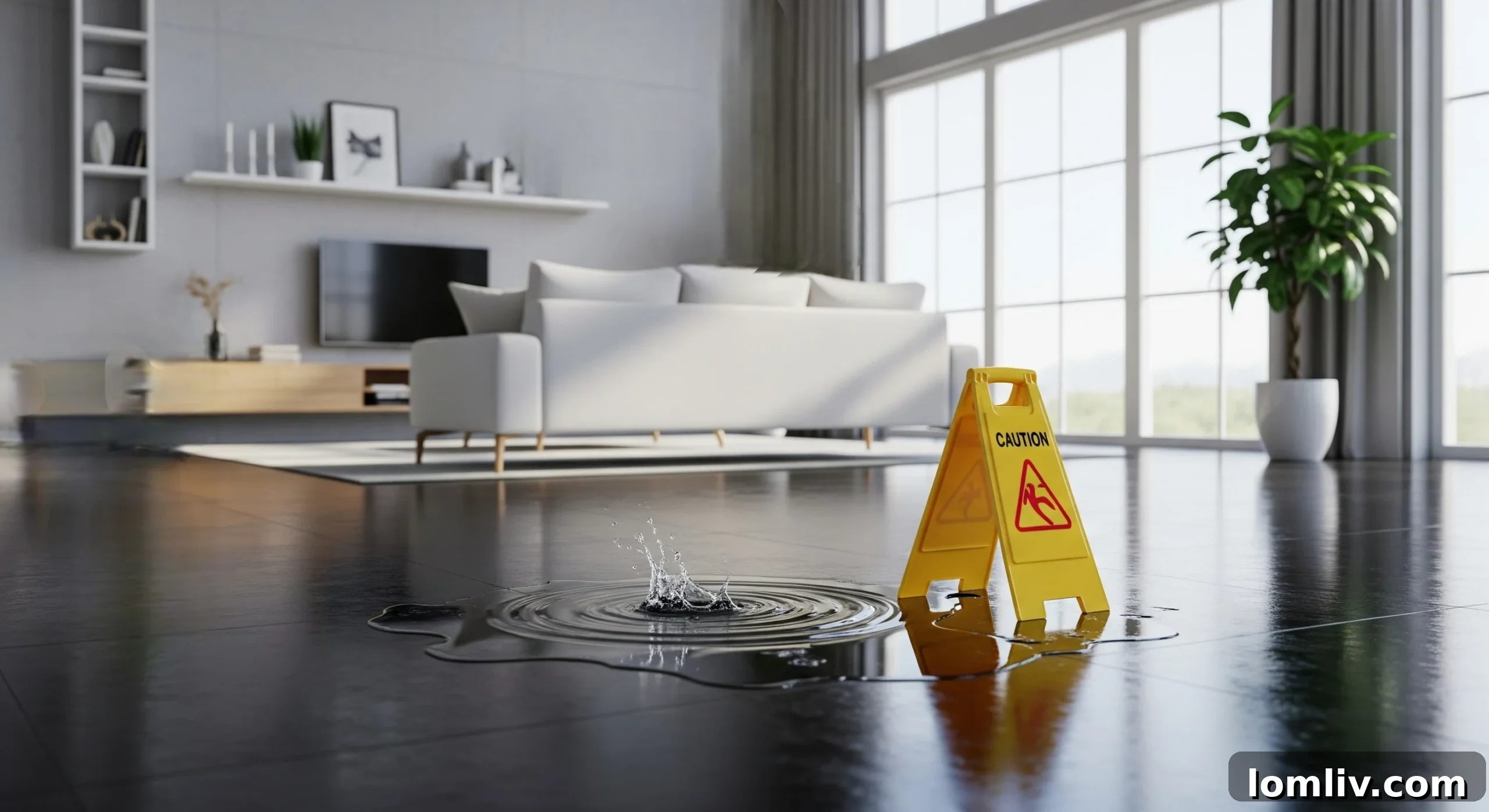
Consider a situation where a slip-and-fall incident occurs due to an unmarked, recently mopped, or uncleaned wet floor. In such a scenario, the property owner is unequivocally accountable for the resulting damages. Their failure to either clean the spill promptly or, at minimum, place a highly visible warning sign, constitutes a clear breach of their duty of care. Property owners must understand that swift action is paramount to prevent accidents. This involves not only promptly addressing urgent issues like spills but also systematically fixing broken structures, such as loose handrails or damaged flooring, and ensuring that debris is regularly cleared from pathways and common areas.
Effective property maintenance involves a comprehensive strategy that includes routine inspections, timely repairs, and proactive hazard identification. This means regularly checking for:
- **Structural Defects:** Cracks in foundations, crumbling stairs, deteriorating roofs, or unstable balconies.
- **Environmental Hazards:** Accumulated ice or snow on walkways, standing water, overgrown vegetation obstructing pathways, or poor drainage.
- **Functional Issues:** Non-working lighting in hallways or parking lots, faulty elevators or escalators, or inadequate security systems.
- **Temporary Conditions:** Spills, discarded items, or construction materials left unsafely in walkways.
A diligent property owner maintains detailed logs of inspections and repairs, demonstrating their commitment to safety. The absence of such records can be detrimental in a liability case.
When an owner demonstrably fails to implement reasonable safety measures and maintain their property to an acceptable standard, a lawsuit can justifiably be filed against them. This legal recourse allows injured parties to seek restitution for their losses. Therefore, if you are a property owner, safeguarding yourself from potential legal action is intrinsically linked to diligent property maintenance. It is not merely a suggestion but a legal imperative to ensure your property is consistently safe for anyone who legitimately comes onto it. Regular maintenance, coupled with timely hazard mitigation and clear warning protocols, forms the bedrock of responsible property ownership and effective liability prevention.
Crucial Legal Steps to Take Immediately After an Injury on Someone Else’s Property
Sustaining an injury on someone else’s property can be a traumatic and disorienting experience. However, the actions you take immediately following the incident are paramount to protecting your health and preserving your legal rights. Understanding the critical steps to follow can significantly strengthen any potential premises liability claim you might pursue.
- **Prioritize Medical Attention:** Your immediate safety and well-being should always be the top priority. Even if you believe your injuries are minor, it is crucial to seek prompt medical attention. Some injuries, particularly those involving the head, neck, or back, may have delayed or underlying symptoms that only a medical professional can properly diagnose. A visit to the emergency room or your doctor will not only ensure you receive necessary treatment and prevent further complications but also create an official medical record documenting the injury, its severity, and its potential cause. This medical documentation is invaluable evidence for any future legal claim.
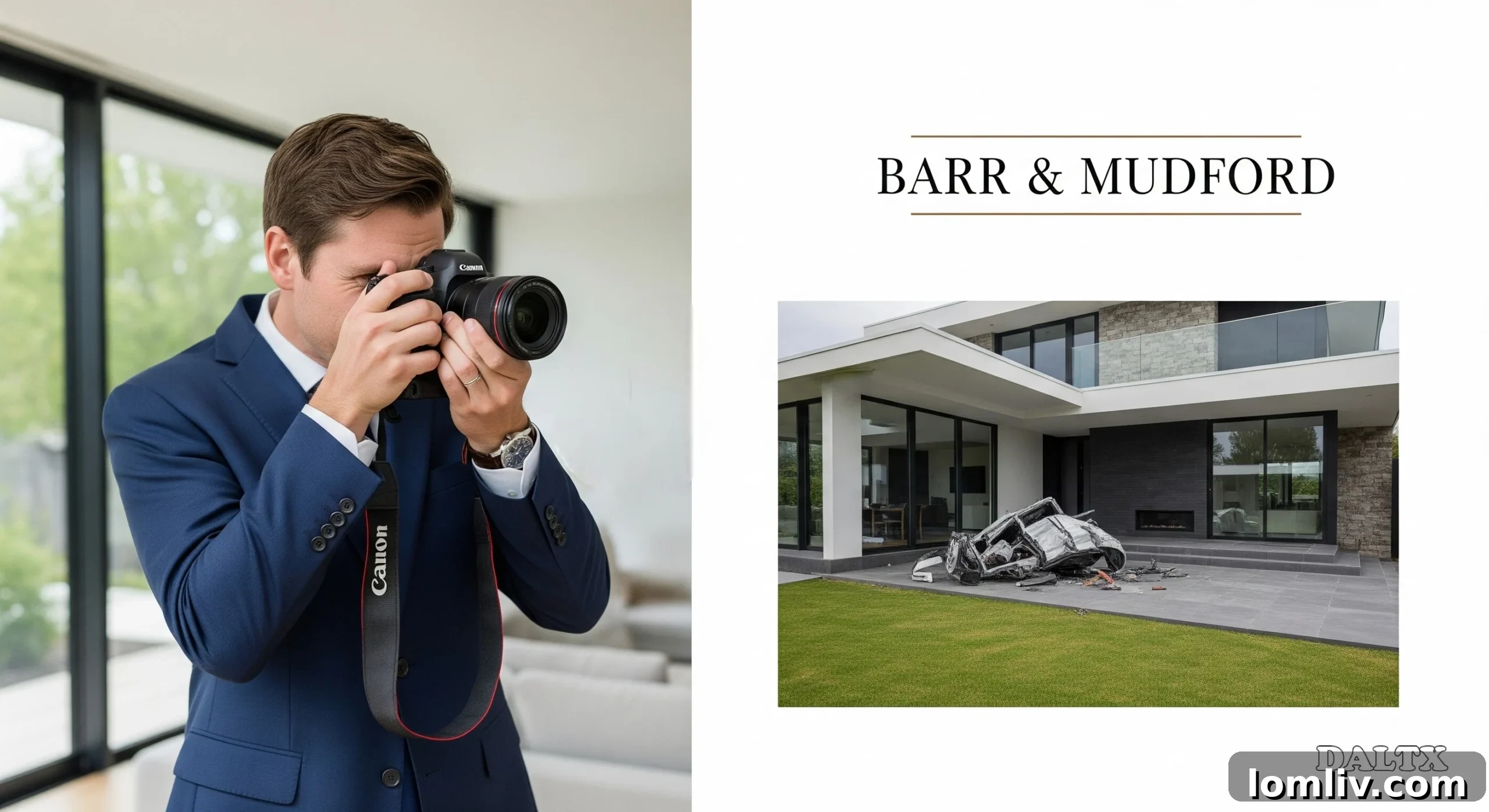
- **Thoroughly Document the Scene:** If your condition allows, and it is safe to do so, thoroughly document the accident scene before any changes can be made. Take multiple photographs and videos from various angles, capturing:
- The specific hazard that caused your injury (e.g., a puddle, broken step, torn carpet).
- The immediate area surrounding the hazard, showing its context.
- Any visible injuries you sustained (bruises, cuts, swelling).
- The general lighting conditions and any warning signs (or lack thereof).
- Any objects or debris that contributed to the fall.
Also, identify and try to locate any witnesses to the incident. Ask for their names and contact information, as their independent statements can provide crucial corroborating evidence for your claim.
- **Report the Incident Officially:** It is imperative to formally report the incident to the property owner, manager, or the person in charge as soon as possible. Request that an official incident report be filed and ask for a copy of it. Be factual and concise in your description of what happened, but avoid speculating or admitting fault. If you are asked to provide a written statement, ensure it is accurate and does not contain information you are unsure about. Additionally, create a personal journal or detailed notes related to the incident. Write down everything you remember about the accident, including the date, time, location, conditions, and any conversations you had. The more fresh the details are in your mind, the more accurate your account will be.
- **Preserve All Related Records:** Do not discard any documents related to your injury. This includes all medical records, doctor’s notes, hospital bills, prescription receipts, and any documentation of lost wages from your employer. These documents provide concrete proof of your damages and are essential for calculating compensation. Also, keep records of any communication with the property owner, their insurance company, or any witnesses. Organized records will streamline the claims process and provide strong support for your case.
- **Be Cautious with Statements and Settlements:** After an injury, you might be contacted by the property owner’s insurance company. While it’s important to report the incident, be extremely cautious about providing recorded statements or accepting any early settlement offers without first consulting with an attorney. Insurance companies are primarily interested in minimizing their payouts. An attorney can advise you on your rights, the true value of your claim, and protect you from inadvertently jeopardizing your case.
Seeking Just Compensation for Your Injuries: The Path to Recovery

Once your immediate medical needs have been addressed and you are on the path to recovery, your focus can shift towards pursuing the compensation you deserve for your injuries. This process, while sometimes lengthy, is crucial for covering your losses and ensuring you are not financially burdened by someone else’s negligence.
The initial step typically involves collecting all the relevant evidence you’ve gathered – medical records, incident reports, photographs, witness statements, and documentation of lost wages – and formally informing the property owner or their insurance company about your intent to file a claim. Your communication should be clear, concise, and factual, detailing what happened, who was involved, and the nature of your injuries and losses. Avoid emotional language; stick to the documented facts. This formal notification opens a dialogue, often leading to settlement negotiations. The insurance company will likely conduct its own investigation and may offer a settlement amount.
However, it is common for property owners’ insurance companies to initially deny claims or offer settlements that are significantly lower than the actual value of your damages. This is a crucial juncture where legal expertise becomes indispensable. If your claim is denied, or if the offered settlement is inadequate, consulting with an experienced personal injury attorney specializing in premises liability is highly recommended. Attempting to negotiate with large insurance companies on your own can be daunting and often results in an unfavorable outcome, as they have vast resources and legal teams dedicated to minimizing their payouts.
Hiring a qualified personal injury lawyer provides you with a distinct advantage. Attorneys bring a deep understanding of premises liability law, local statutes, and legal precedents to your case. They can:
- **Conduct an Independent Investigation:** Your lawyer will meticulously review all evidence, potentially gather additional proof, interview witnesses, and even consult with experts (e.g., medical professionals, accident reconstructionists) to build a robust case.
- **Accurately Assess Damages:** An attorney can precisely calculate the full extent of your damages, including both economic losses (medical bills, future medical expenses, lost wages, loss of earning capacity) and non-economic losses (pain and suffering, emotional distress, loss of enjoyment of life, disfigurement). This ensures that no aspect of your suffering goes uncompensated.
- **Handle All Negotiations:** Your lawyer will handle all communications and negotiations with the property owner, their attorneys, and the insurance adjusters on your behalf. This shields you from aggressive tactics and ensures that your interests are prioritized. They are skilled at countering lowball offers and advocating for a fair settlement.
- **Represent You in Court (if necessary):** If a fair settlement cannot be reached through negotiation, your attorney will be prepared to take your case to trial. They will represent you in court, present your evidence, cross-examine witnesses, and argue your case passionately before a judge and jury.
Ultimately, a skilled premises liability attorney will work tirelessly to secure reasonable compensation that truly reflects the impact of your injuries on your life. Their goal is to ensure you receive the financial resources necessary to cover your medical treatment, compensate for lost income, and acknowledge the profound physical and emotional pain and suffering you have endured. By entrusting your case to a legal professional, you can focus on your recovery while confident that your legal rights are being vigorously defended, paving the way for a more stable and secure future.