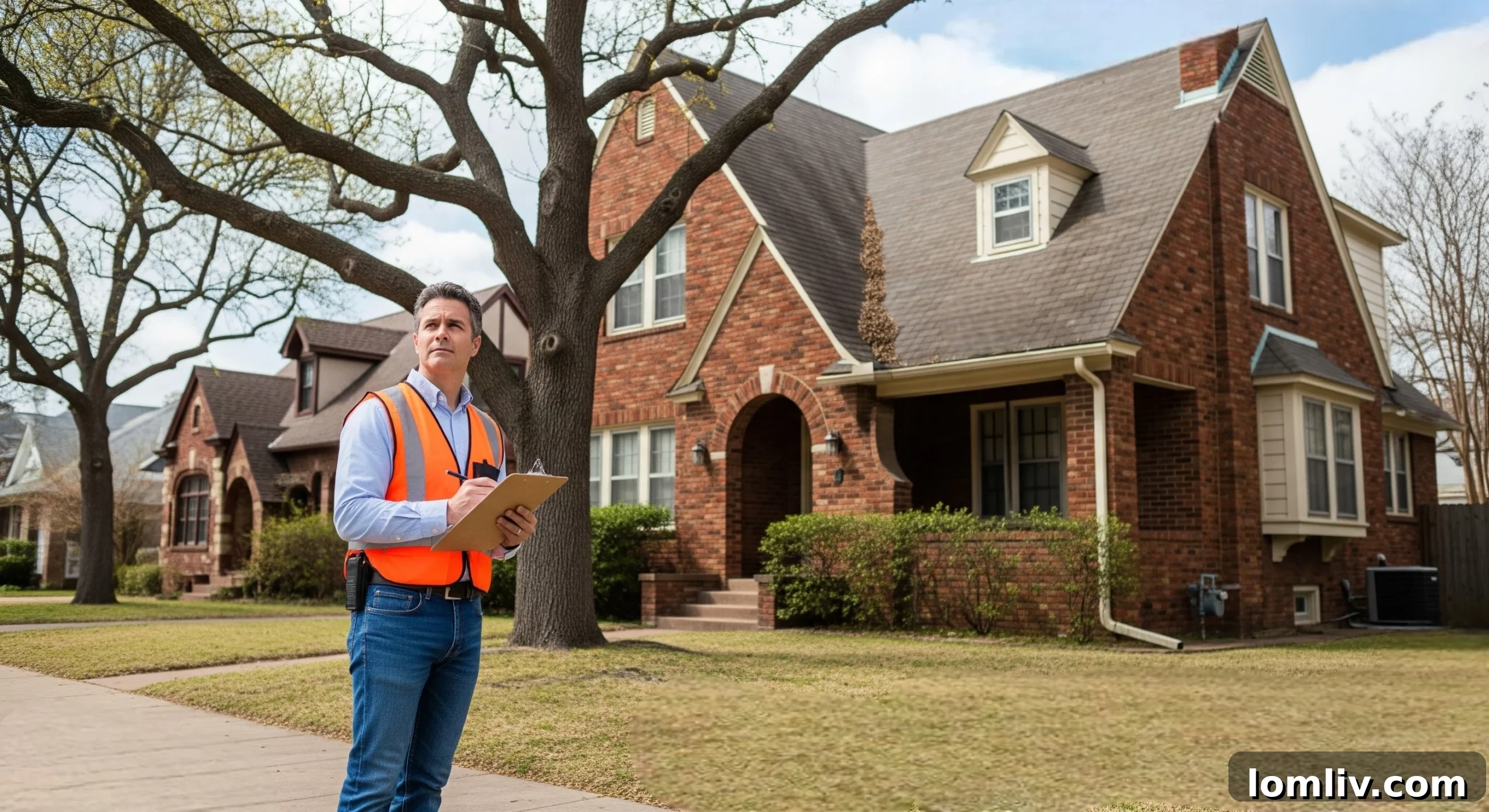
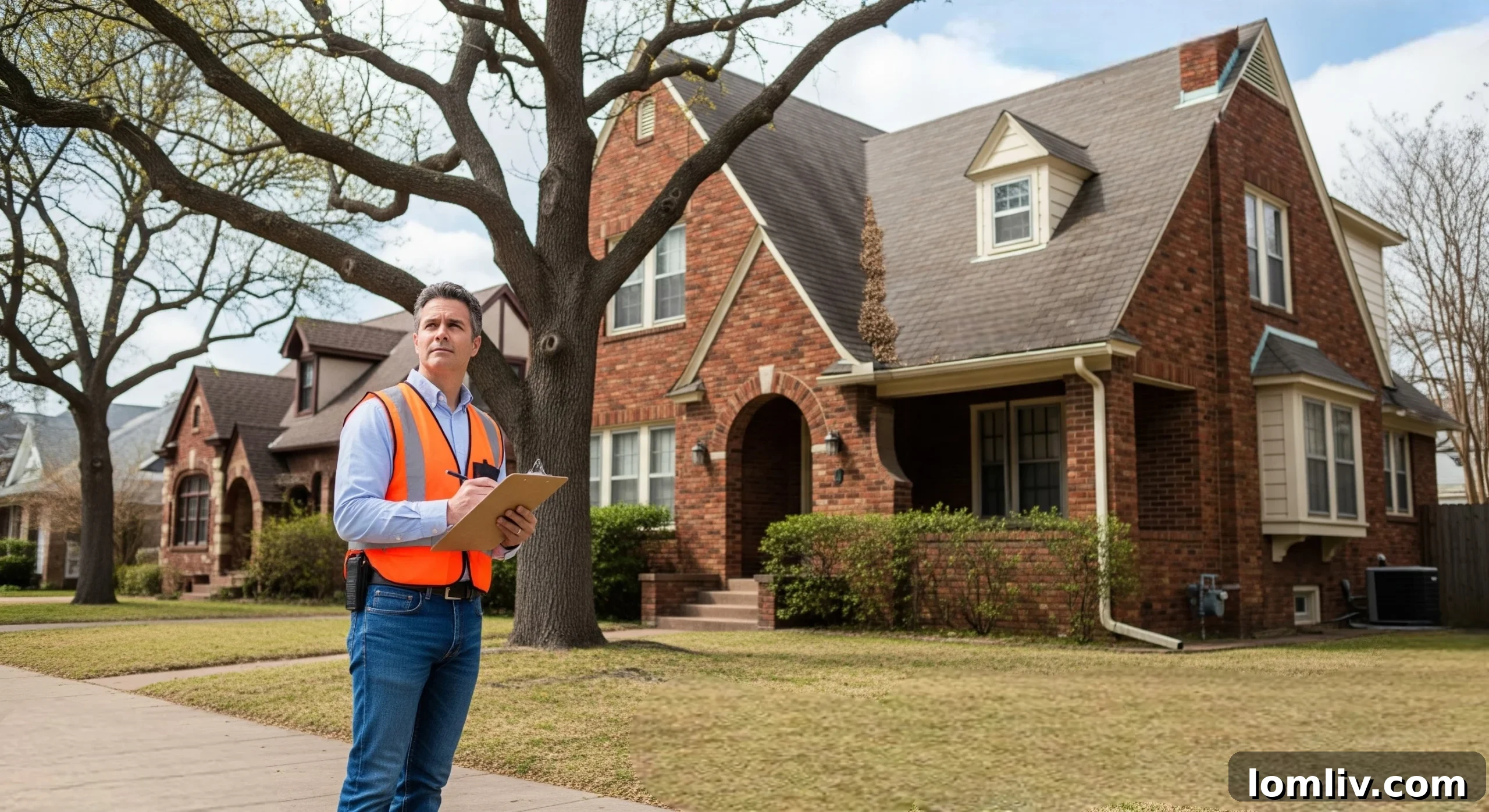
Stepping into an older home often feels like a journey back in time, offering a unique blend of character, history, and craftsmanship that modern houses simply can’t replicate. From intricate architectural details to mature landscaping, the allure of a vintage property is undeniable. However, beneath the charming façade lies a complex reality. Purchasing an older home can indeed be an incredibly rewarding experience, providing a sense of belonging to a storied past and the satisfaction of preserving a piece of heritage. Yet, it also comes with its share of potential challenges and risks that savvy buyers must carefully consider.
The decision to invest in an older property is multifaceted, requiring far more than a simple aesthetic appreciation. It involves a meticulous evaluation of the home’s condition, an understanding of its maintenance history, and a realistic assessment of future financial commitments. For instance, it’s particularly smart to factor in insurance costs from the outset, as older homes are frequently pricier to insure due to their unique construction materials, potential for outdated systems, and vulnerability to certain types of damage. Whether you’re embarking on your first home purchase or have previously owned and cherished historic residences, asking the right questions and conducting thorough due diligence is paramount. This proactive approach is the most effective way to preempt unwelcome and costly repair bills down the road, ensuring that your dream home doesn’t turn into a financial nightmare. This comprehensive guide outlines exactly what you need to look for and inquire about when considering an older home, empowering you to make a confident and informed decision.
Thorough Assessment of Major Replacements and Repairs
One of the most critical aspects of evaluating an older home involves understanding the status of its major systems. You absolutely need to determine whether these essential components require immediate attention or if they have enough life left to wait. Begin by asking the seller for detailed records indicating when the plumbing, electrical, heating, cooling, and other key structural and mechanical components were last replaced or significantly upgraded. Requesting copies of these records is crucial, as it provides tangible evidence of past work and helps you verify the age and condition of these systems. Obtaining the latest details on several vital areas will be indispensable for your assessment:
- The Water Heater: Understand its age, capacity, and service history. An older water heater is a common culprit for unexpected breakdowns and can lead to significant water damage if it fails.
- Plumbing Systems: Investigate the type of piping used (e.g., galvanized steel, copper, PEX, cast iron) and its age. Older materials like galvanized steel or cast iron can be prone to corrosion, leaks, and reduced water pressure, potentially requiring extensive and costly replacement.
- Windows: Ascertain if and when the windows were last replaced or if they are original. Older, single-pane windows are notorious for energy inefficiency, leading to drafts and higher utility bills.
- Roof Condition: This is a major structural component. Inquire about the roof’s age, the materials used, and its repair or replacement history. A compromised roof can lead to leaks, water damage, and significant structural issues if not addressed promptly.
- Electrical System: Determine if the home still uses outdated wiring (like knob-and-tube or aluminum wiring) or if it has been updated to modern standards. An old electrical system can be a fire hazard and may not support contemporary appliance usage.
- HVAC System: Beyond just the heating, understand the entire heating, ventilation, and air conditioning system. Its age, efficiency, and maintenance history will dictate future energy costs and potential replacement expenses.
Obtaining comprehensive information on these systems allows you to budget for necessary upgrades or replacements and negotiate effectively with the seller. A professional home inspection will delve deeply into these areas, providing an expert opinion on their current state and expected lifespan.
Scrutinizing Structural Integrity and Foundation Issues
The foundation is the bedrock of any home, and its integrity is paramount to the entire structure’s longevity and safety. A home simply won’t last long without a solid and stable foundation. When evaluating an older property, it’s imperative to meticulously check for any signs of flaws, cracks, or shifts in the foundation. These can manifest in various ways, from visible cracks in the exterior brickwork or interior walls to uneven floors, sticking doors, or windows that don’t close properly.
If foundation repairs are needed, it is absolutely crucial that they are addressed and resolved as soon as possible, ideally before closing on the property. Ignoring foundation issues can lead to a cascade of other structural problems throughout the house, significantly devaluing your investment and potentially rendering the house unsafe for habitation. Foundation repairs can be incredibly expensive and complex, often requiring the expertise of structural engineers and specialized contractors. Understanding the extent of any existing foundation problems and ensuring they are remediated by qualified professionals prevents you from inadvertently buying an unsafe or financially burdensome house. Always consider getting a separate, specialized foundation inspection in addition to a general home inspection for older properties, especially in regions known for soil movement.
Unpacking Past Maintenance Records and Quality of Work
When searching for an older home, one of the most invaluable resources you can request from the seller is a comprehensive set of detailed maintenance and repair records. These documents offer a transparent glimpse into the property’s care history and can reveal potential recurring issues or areas of concern. Specifically, you should ask for records that clearly indicate:
- Who performed the work: The names of companies or individual contractors involved in any repairs or upgrades.
- Specific contractor names: Knowing the individual or team responsible can allow you to research their reputation and qualifications.
- Dates of service: Precise dates help you track the frequency of repairs and the age of installations.
- Scope of work: Detailed descriptions of the work performed, including parts used and warranties.
Knowing who completed the repairs provides critical insight into the quality and longevity of the work. Work performed by licensed, reputable professionals is generally more trustworthy, often comes with guarantees, and adheres to building codes. Conversely, undocumented repairs or extensive DIY projects, while potentially cost-saving for the previous owner, can mask underlying issues and may not meet professional standards, potentially leading to future problems and higher repair costs for you. It’s also worth investigating if permits were pulled for major renovations, as unpermitted work can lead to legal complications and challenges with insurance or resale.
In regions like North Texas, where expansive clay soils are common, foundation stability is a perennial concern. Home buyers often seek opinions from DFW foundation experts to assess not only the current state of the foundation but also whether any previous work was performed correctly and effectively. This level of due diligence applies to all major systems; expert assessment of past work provides invaluable peace of mind.
Evaluating the Heating and Cooling Systems
Beyond just the “heating system,” a complete assessment of the HVAC (Heating, Ventilation, and Air Conditioning) system is essential. Older heating and cooling systems are frequently inefficient, struggling to circulate heat evenly in winter or provide adequate cooling in summer. These legacy units are often characterized by outdated technology, poor energy efficiency, and a diminished capacity to effectively regulate indoor temperatures, leading to uncomfortable living conditions and disproportionately high utility bills.
If you anticipate the need to install a new, modern HVAC system, be prepared for a substantial investment. While the equipment itself is costly, it’s important to remember that labor often represents the highest expense, especially in older homes where ductwork might need to be installed or extensively modified to accommodate contemporary systems. Older units not only require constant, often specialized, maintenance but are also prone to frequent breakdowns, transforming what should be a comfortable home environment into a source of ongoing hassle and expense. Inquire about the age of the furnace, boiler, or central air conditioning unit, as well as the condition of the ductwork or radiator systems, to gauge their remaining lifespan and potential for costly upgrades.
The Critical Question of Insulation
Proper insulation is a silent hero in any home, playing a vital role in maintaining comfortable indoor temperatures year-round while significantly lowering energy costs. In older homes, the state of insulation is a particularly important factor. If the property has never undergone significant renovation or energy efficiency upgrades, chances are the existing insulation is old, settled, uneven, or simply inadequate by modern standards. Some very old homes might even lack insulation entirely in certain areas.
Poor insulation manifests as drafty rooms, cold spots, and an HVAC system that constantly struggles to keep up, leading directly to inflated heating and cooling bills. It can also contribute to moisture problems if temperature differences between interior and exterior surfaces are too great. Ask about the type of insulation present (if any), its R-value (a measure of thermal resistance), and where it’s located (attic, walls, crawl spaces, basement). Upgrading insulation is an investment that quickly pays for itself through reduced energy consumption and enhanced indoor comfort, but it’s an expense you should factor into your initial budget if the current setup is insufficient.
Lath and Plaster or Drywall: Understanding Wall Materials
The type of material used for the interior walls might seem like a minor detail, but it can significantly impact living in and renovating an older home. Traditional lath and plaster walls, common in homes built before the mid-20th century, consist of wooden strips (lath) covered with multiple layers of plaster. While they offer superior soundproofing and fire resistance compared to modern drywall, they can be a considerable headache when it comes to hanging heavy artwork, mounting a television, or making any significant structural changes. Old lath and plaster walls typically don’t have a strong threshold for heavy loads and can crack easily if you try to hammer in a nail or screw without proper technique and anchoring.
In contrast, drywall (or plasterboard) is a more modern material, easier to install, repair, and modify. Knowing the wall material upfront is crucial. Ask the seller explicitly whether the walls are lath and plaster or have been updated to drywall. This information will not only help you avoid damaging the walls when decorating but also inform your renovation budget, as working with lath and plaster can be more labor-intensive and costly for electricians, plumbers, and general contractors during upgrades.
The Condition of Windows and the Roof: Dual Priorities
When assessing an older home, the condition of both the windows and the roof should be at the top of your inspection checklist, as these are two of the most significant and potentially costly components to repair or replace.
Windows: Have the windows ever been replaced or upgraded? This is a critical question. Original windows in older homes, often single-pane, are typically inefficient, allowing significant heat loss in winter and heat gain in summer. Drafty windows are not merely an inconvenience; they are a non-negotiable expense in colder climates, leading to exorbitant heating bills. Replacing all the windows in a house is a substantial investment, potentially costing tens of thousands of dollars depending on the number, size, and type of windows chosen (e.g., vinyl, wood, fiberglass, double-pane, triple-pane). Knowing their age and condition upfront allows you to budget for potential replacement or, at the very least, extensive weatherization to improve energy efficiency.
Roof: As for the roof, inquire about when it was last repaired or completely replaced. This information is vital for estimating when you might need to undertake this major project. A roof’s lifespan varies significantly depending on the material (asphalt shingles typically last 20-30 years, metal roofs much longer, slate or tile even more so) and local weather conditions. Without proper records of installation or maintenance, you have to assume the roof has suffered from typical wear and tear over its assumed lifespan, and its integrity could be compromised. Look for signs of missing or curling shingles, moss growth, sagging, or water stains on interior ceilings, all of which indicate potential problems. A thorough roof inspection by a qualified professional is absolutely essential to avoid expensive surprises.
Assessing Drainage and Flood Risks
Water is perhaps the greatest enemy of any home, and in older properties, drainage issues can be particularly pervasive and damaging. It’s crucial to investigate whether the property is built on land that is prone to flooding or suffers from poor drainage. Older homes often feature outdated drain tiles, inadequate grading around the foundation, or small, ineffective window wells that simply cannot cope with heavy rainfall, leading to various drainage problems. These issues can result in water pooling around the foundation, seeping into basements or crawl spaces, causing structural damage, mold growth, and a host of other expensive problems.
Get the right information on the property’s flood risks. This includes checking FEMA flood maps for the area, inquiring about any historical flooding events the property has experienced, and observing the landscape for proper grading that directs water away from the house. Understanding these risks will enable you to budget for potential fixes, such as installing French drains, improving gutter systems, regrading the yard, or even installing sump pumps in basements. Furthermore, be aware that homes in designated flood zones may require mandatory flood insurance, which adds another layer to your ongoing homeownership costs.
Other Crucial Considerations for Older Homes
Beyond the major systems and structural components, several other factors are uniquely relevant to older properties and demand your careful attention:
- Pest Infestations: Older homes can be more susceptible to pests. Termites, carpenter ants, rodents, and other critters can cause significant damage to wood structures, wiring, and insulation. Look for signs of previous or current infestations, such as droppings, gnaw marks, or visible pest activity. A pest inspection is highly recommended.
- Hazardous Materials (Asbestos and Lead Paint): Homes built before the late 1970s often contain lead-based paint, and properties built before the 1980s may have asbestos in materials like insulation, floor tiles, and pipe wrapping. These materials pose serious health risks if disturbed. While not always requiring immediate removal, you need to be aware of their presence and the potential costs of abatement if renovation plans involve disturbing them.
- Permits and Building Codes: Inquire about permits for any major renovations or additions. Work done without proper permits can be a legal liability, may not meet current building codes, and could complicate future sales or insurance claims. Ensuring past work was permitted and inspected gives you peace of mind.
- Local Historic District Regulations: If the older home is located within a designated historic district, there might be strict regulations governing exterior alterations, additions, and even landscaping. These rules, enforced by local historical preservation commissions, can impact your renovation plans, material choices, and overall project costs. Understand any such restrictions before you buy.
Endnote: Making an Informed Decision
Buying an older home is a significant undertaking that requires careful, detailed evaluation of its current condition, comprehensive maintenance history, and a forward-looking perspective on potential future expenses. It’s not just about falling in love with the aesthetics; it’s about making a sound investment.
Take the necessary time to thoroughly assess all these critical factors, from the integrity of the foundation and major systems to the nuances of insulation and drainage. More importantly, always seek professional guidance. Engaging experienced and reputable home inspectors, structural engineers, and specialized contractors for each key area will provide you with an unbiased, expert opinion on the true state of the property. This comprehensive due diligence helps you avoid potentially costly mistakes, uncovers hidden problems, and ensures that you can move forward with a confident and well-informed decision. Ultimately, a thorough inspection and expert advice transform the perceived risks of buying an older home into manageable challenges, allowing you to embrace its unique charm with genuine peace of mind and excitement for its future.
If you’re considering an older home, the single most valuable step you can take is to reach out to a trusted professional for a comprehensive inspection. This critical assessment will equip you with all the knowledge needed to make a clear-eyed decision, empowering you to move forward with peace of mind and confidence in your investment.