Purchasing a home is one of the most significant investments you’ll ever make, and ensuring its structural integrity is paramount. While many aspects of a home demand attention during the buying process, certain “big-ticket” items stand out due to their potential for costly repairs if overlooked. Among these critical components—the roof, plumbing, electrical systems, and HVAC—the foundation is arguably the most crucial. It is the very bedrock upon which your entire home rests, dictating the stability and longevity of the structure above.
At Green Scene Home Inspections, our commitment is to equip homebuyers with the knowledge they need to make informed decisions. We delve deep into every nook and cranny, identifying potential issues that could impact your investment. This week, as part of our “Upon Closer Inspection” series, we’re focusing on a topic that causes considerable concern for prospective homeowners, especially in regions like North Texas: foundation problems. Understanding the nuances of these issues, from minor wear and tear to serious structural concerns, is essential for every homebuyer.
Navigating the Landscape of Foundation Problems in North Texas
If you’re looking to buy a home in North Texas, it’s almost an unspoken rule that you should anticipate some level of foundation discussion. The unique geological characteristics of the region, primarily its expansive clay soils, make properties particularly susceptible to foundation issues. These soils can swell significantly when wet and contract drastically when dry, a cycle often exacerbated by the region’s alternating periods of heavy rainfall and drought. This constant shifting creates immense stress on a home’s foundation, leading to various problems.
A thorough foundation inspection is not merely a recommendation; it’s a necessity in this area. Ignoring potential signs of distress could lead to a cascade of problems throughout the house, affecting everything from interior walls and ceilings to doors and windows, and even plumbing systems. Our expert inspectors are trained to identify these subtle (and not-so-subtle) indicators, helping you distinguish between minor cosmetic flaws and serious structural compromises. By paying close attention to the foundation, you’re not just saving money on future repairs; you’re protecting your home’s long-term value and your peace of mind.
Deciphering Foundation Cracks: Corner Pop vs. Structural Concerns
One of the most common signs of foundation activity homebuyers encounter is cracking. However, not all cracks are created equal. Knowing the difference between a superficial defect and a serious structural issue can save you undue stress and significant repair costs. Let’s examine two types of cracks frequently observed:
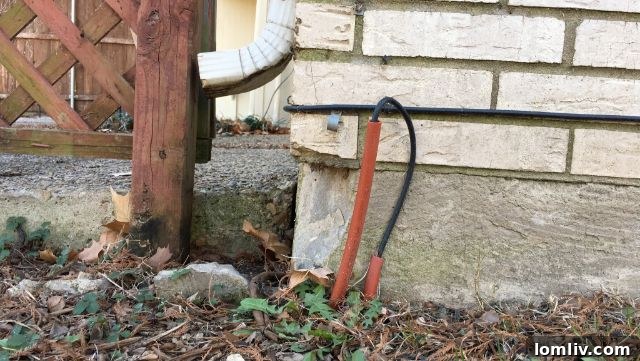
The Common “Corner Pop”
Notice the missing wedge from the foundation slab in the picture above? This is known as a corner pop. These typically occur when the weight of the wall above causes a slight shearing force against the foundation edge, leading to a small chip or crack at the corner of a slab. While they are almost always noted in an inspection report, it’s crucial for homebuyers to understand that corner pops are generally not a cause for alarm. They are usually a superficial wear-and-tear issue, much like a chip in a sidewalk, and rarely indicate a serious structural problem. These minor imperfections are often a result of the concrete curing process, slight thermal expansion, or minimal movement over time. Monitoring them is prudent, but extensive repairs are rarely required for a simple corner pop.
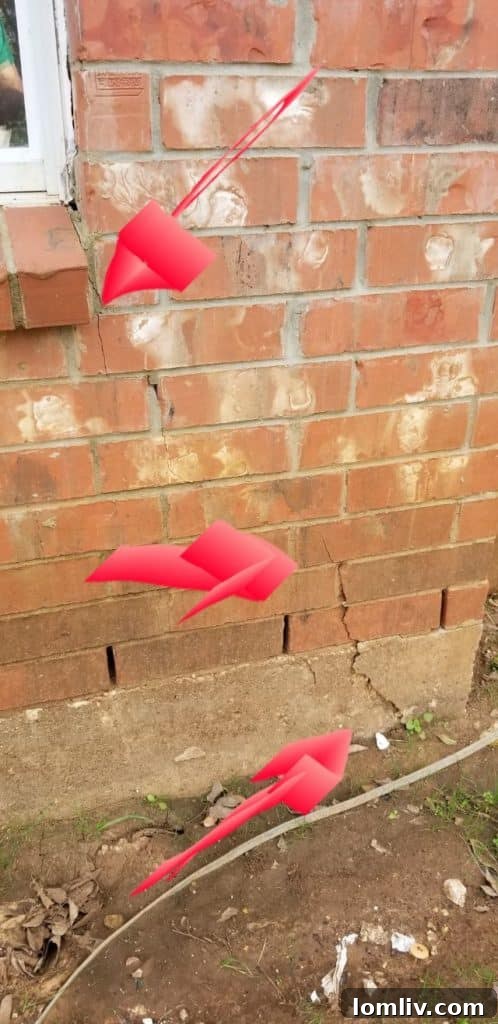
Identifying a Serious “Beam Corner Crack”
In contrast to a corner pop, some cracks signal more significant underlying issues. Consider the image directly above. While rare, seeing a severe beam corner crack like this—especially when directly correlated with visible stair-step cracks in the brick-and-mortar above—is a strong indicator of more serious foundation movement. Such cracks are typically wider, longer, and may extend through the entire foundation beam. They suggest that the foundation is experiencing significant stress, possibly due to differential settlement (uneven sinking) or heave (uneven rising) caused by dramatic soil changes, inadequate support, or long-term structural stress. When our inspectors identify such cracks, coupled with corresponding damage to the home’s superstructure (like distorted door frames, uneven floors, or extensive interior wall cracks), it signals a need for further investigation by a qualified structural engineer or foundation repair specialist. Addressing these issues promptly is vital to prevent escalating damage and preserve the home’s structural integrity.
The Unseen Threat: How Trees Can Damage Foundations
While trees enhance curb appeal and provide shade, their proximity to a home’s foundation can pose a significant and often underestimated threat. Even an untrained eye can recognize in the photo above that the tree is planted much too close to the house. This particular example showcases a pier-and-beam foundation, where the expansive root system is visibly cracking and lifting the adjacent pavement—a clear warning sign.
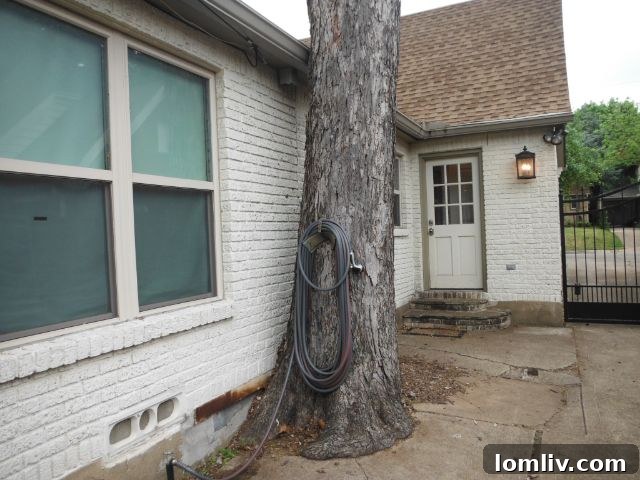
Tree roots are naturally drawn to moisture, and foundations often present a convenient source, especially during dry spells. As roots grow and expand, they exert tremendous pressure on concrete slabs and pier-and-beam supports, leading to cracks, shifts, and uneven settlement. Furthermore, large trees near a foundation can aggressively absorb moisture from the surrounding soil. During droughts, this can lead to excessive soil shrinkage beneath the foundation, causing it to settle unevenly. Conversely, during periods of heavy rain, roots can prevent proper drainage, leading to localized soil expansion and upward pressure (heave).
For homeowners, strategic landscaping is key. Planting large, water-hungry trees too close to the house is a common mistake. Ideally, trees should be planted at a distance equal to their mature height, if possible. If existing trees are too close, options like root barriers or regular root pruning can mitigate some risks, but these are often temporary solutions. Our inspectors frequently highlight this issue, advising on appropriate tree placement and the potential long-term risks associated with mature trees that are too near the foundation. This proactive approach can prevent costly foundation repairs down the line.
Water is the Number One Enemy: Drainage and Your Foundation’s Health
Perhaps the single most prevalent cause of foundation problems is improper water management around the home. It’s a recurring theme in our inspections: water damage to foundations often stems from a lack of attention to simple drainage principles. In fact, our inspectors will tell you that they encounter more improperly installed downspouts than correctly functioning ones. This seemingly minor detail can have monumental consequences for your home’s structural integrity.
The Critical Role of Downspouts and Gutters
The primary function of your home’s gutter system is to collect rainwater from the roof and direct it away from the foundation. For this system to be effective, the gutter drain pipe, or downspout, should extend at least three to five feet from the house. When downspouts terminate directly at the foundation, or too close to it, they dump concentrated volumes of water right where you least want it. This leads to:
- Soil Saturation: Excess water saturates the soil directly adjacent to the foundation, causing expansive clay soils to swell significantly. This “heave” can push up on the foundation, leading to cracks and uneven floors.
- Soil Erosion: Conversely, heavy runoff can erode the soil away from the foundation, leaving it unsupported and leading to settlement.
- Crawl Space Moisture: For pier-and-beam foundations, improper drainage can lead to excessive moisture in the crawl space, fostering mold growth, wood rot, and attracting pests, all of which compromise structural components.
- Basement Flooding: In homes with basements, poor exterior drainage is a direct cause of water intrusion and flooding.
Effective solutions include installing simple downspout extensions (flexible or rigid), burying drain pipes to carry water further away, or incorporating French drains for more significant issues. Regular cleaning of gutters and ensuring downspouts are properly positioned are simple, yet profoundly effective, preventative measures.
The Importance of Proper Grading
Beyond downspouts, the overall grading of your yard plays an equally vital role. The ground around your home should gently slope away from the foundation at all points, creating a positive grade. If the ground slopes towards the house (negative grade), water will naturally flow back towards the foundation, pooling and saturating the soil. This creates persistent moisture problems that can undermine even the most robust foundation over time.
Landscaping choices also impact drainage. Flower beds and dense shrubs directly against the foundation can trap moisture. While mulch is beneficial for plants, excessive layers can also hold water against the foundation wall. It’s important to strike a balance between aesthetics and functionality, ensuring that no element of your landscaping inadvertently directs or holds water near the structure.
Beyond Cracks: Other Key Indicators of Foundation Distress
A thorough home inspection looks for a spectrum of signs, not just visible cracks. Understanding these additional indicators can help you recognize potential foundation problems early:
- Interior Wall and Ceiling Cracks: Diagonal or horizontal cracks in drywall, plaster, or masonry inside the home often mirror foundation movement. These are distinct from hairline cracks that typically result from normal house settling.
- Sticking Doors and Windows: If doors or windows no longer close or latch properly, or if there are noticeable gaps around their frames, it can indicate that the door or window frames have become distorted due to shifts in the foundation.
- Uneven or Sloping Floors: A noticeable slope or unevenness in floors is a classic sign of differential foundation movement, where one part of the foundation has settled more than another.
- Gaps Between Walls and Ceilings/Floors: As walls shift due to foundation issues, small gaps may appear where walls meet ceilings or floors, indicating separation.
- Separation of Exterior Features: Look for chimneys pulling away from the house, or fascia boards separating from the roofline, which can be symptoms of structural movement.
- Standing Water in the Crawl Space or Near the Foundation: As discussed, persistent standing water is a critical warning sign that requires immediate attention to prevent long-term damage.
Protecting Your Investment: The Value of a Professional Home Inspection
Given the complexities and potential costs associated with foundation repairs, the expertise of a certified home inspector is invaluable. At Green Scene Home Inspections, our professionals meticulously examine every aspect of a home’s foundation, looking for both overt and subtle signs of distress. We utilize specialized tools and extensive knowledge to provide you with a clear, comprehensive report on the foundation’s condition.
While an inspection provides a snapshot in time, it empowers you with critical information. Should our inspectors identify significant foundation concerns, we will recommend further evaluation by a licensed structural engineer or a reputable foundation repair specialist. This step ensures that any necessary repairs are accurately diagnosed and properly addressed, protecting your investment for years to come.
Don’t let hidden foundation problems compromise your dream home. Trust the detail-oriented team at Green Scene Home Inspections to provide the thorough, unbiased assessment you need. Investing in a professional inspection is not an expense; it’s an essential part of safeguarding your home and your financial future.
For expert home inspection services and peace of mind, contact Green Scene Home Inspections today. Your foundation of knowledge starts with us.