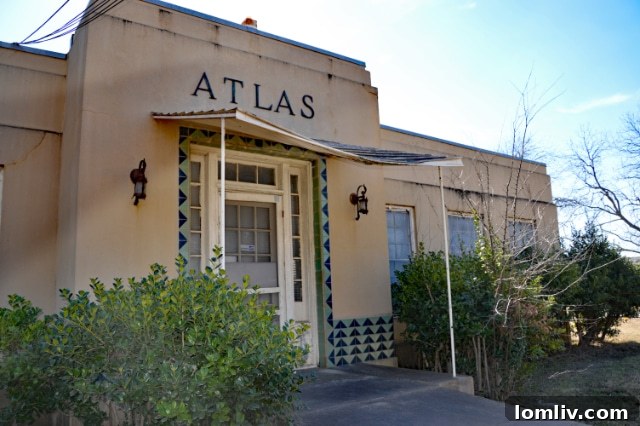
As cities globally embrace innovative adaptive reuse strategies to revitalize urban spaces, Dallas often finds itself lagging, seemingly content with a trajectory of demolition over preservation. The recent situation surrounding Atlas Metal Works serves as a stark reminder of this persistent challenge, highlighting a disconnect where developers either fail to grasp the profound value of historic industrial architecture or simply choose to disregard it.
Yet, Dallas is not entirely devoid of visionaries. Companies like Todd Interests have brilliantly demonstrated the immense success of thoughtful restoration and adaptive reuse, particularly with their acclaimed East Quarter development. This project stands as a shining beacon, proving that embracing out-of-the-box thinking and prioritizing a larger, long-term vision can yield significantly more impactful and profitable outcomes than simply opting for immediate, short-sighted gains.
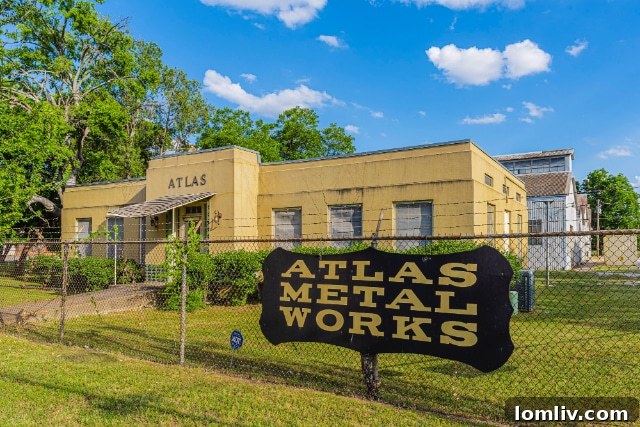
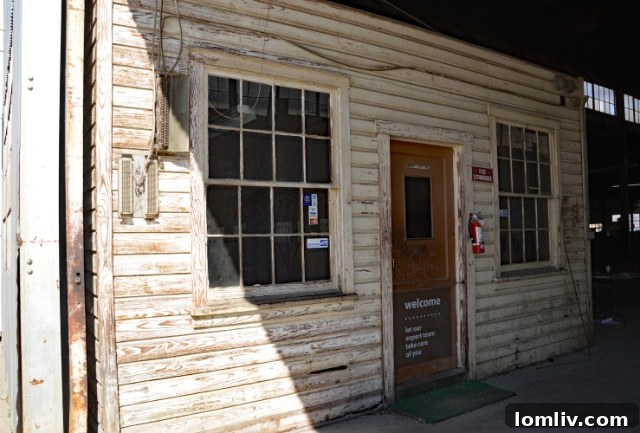
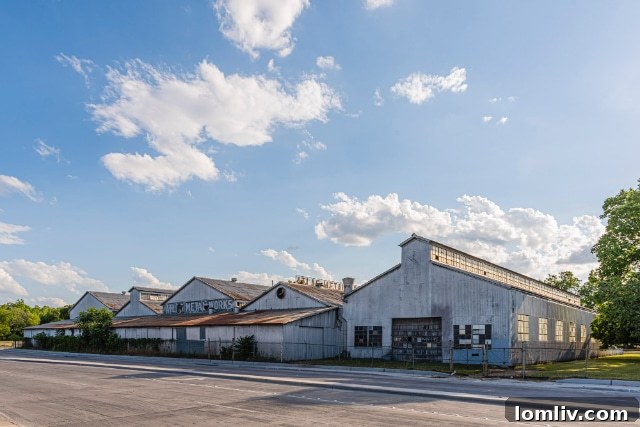
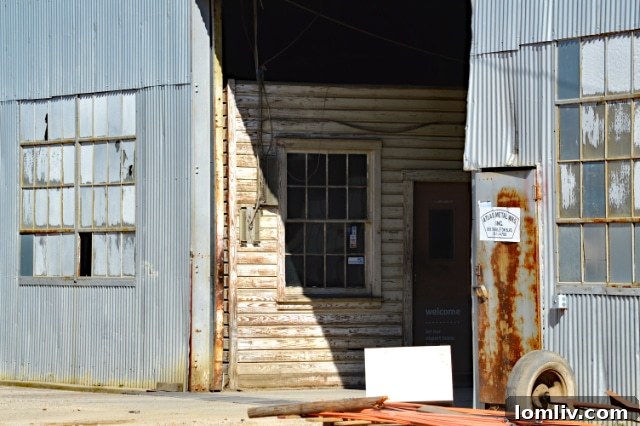
For many, particularly those unfamiliar with the nuanced narrative of urban heritage, the Atlas Metal Works site might appear to be nothing more than a collection of dilapidated industrial metal buildings. The plan to preserve a single 1929 Art Deco stucco and tile administration building might seem like a sufficient concession, leading some to question the importance of the remaining structures. However, this perspective overlooks the multifaceted significance embedded within these seemingly humble edifices.
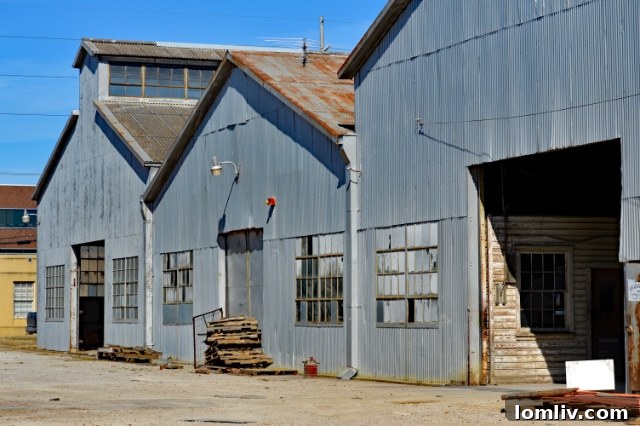
Unearthing the Profound Value of Atlas Metal Works
Before dismissing these buildings, it is crucial to delve into their deeper meaning. These are far more than just “run-down industrial structures.” They possess undeniable architectural significance as one of Dallas’s last remaining intact industrial complexes, showcasing a distinct style and construction from a bygone era that is increasingly rare within the city’s rapidly evolving landscape. Their robust designs and utilitarian beauty tell a story of Dallas’s industrial past that cannot be replicated.
Beyond aesthetics, these buildings are culturally significant due to their pivotal role in history. Atlas Metal Works was instrumental in manufacturing critical items for the Allied effort during World War II, contributing directly to a global struggle. Moreover, the culverts produced here were vital in the expansion and modernization of Dallas, underpinning much of the city’s early infrastructure development. Fundamentally, Atlas was an indispensable part of building the Dallas we know today, making these structures tangible links to our collective past and a testament to the hard work and innovation that shaped the city.
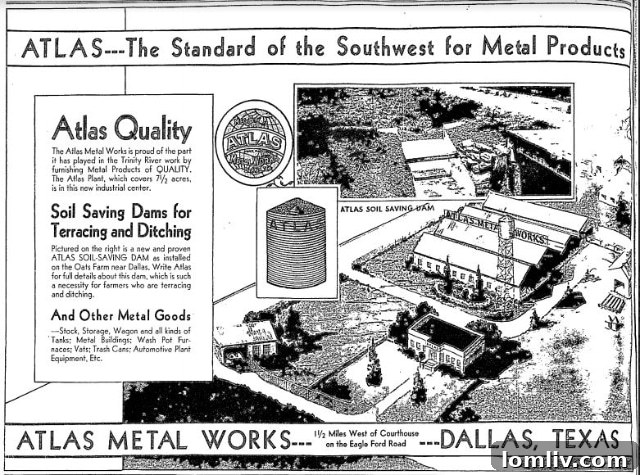
The historical weight of Atlas Metal Works extends even further, resonating on both a national and local scale. Nationally, Atlas was recognized as one of America’s largest steel and iron mills, a significant contributor to the nation’s industrial might during a transformative period. Locally, its importance is deeply intertwined with the Storey family, who founded and operated this business from 1909 until its recent sale. The family’s legacy is particularly profound through Boude Storey, a revered community leader who dedicated nine years to the Dallas board of education, and whose contributions are memorialized by Oak Cliff’s first junior high school bearing his name. To erase the physical embodiment of this history is to diminish a vital chapter of Dallas’s narrative.
Architect Alicia Quintans, a staunch advocate for preserving Dallas’s industrial heritage, eloquently encapsulates the frustration and concern surrounding developments like the one proposed for Atlas Metal Works:
This area of West Dallas is quickly becoming unrecognizable to locals who call this place home. A few industrial buildings and warehouses have been repurposed, yet most have been demolished to make way for five to eight-story apartment buildings. When the news came this week that yet ANOTHER apartment building is planned for this historic property, it was like a sucker punch.
Unlocking the Unrealized Potential of Atlas Metal Works Through Adaptive Reuse
This brings us back to the present dilemma with an out-of-town developer eyeing the Atlas Metal Works site. Rather than assuming a lack of care or malicious intent, it is more constructive to consider that they might simply lack a comprehensive understanding of Dallas’s rich architectural, historic, and cultural heritage. More importantly, they may not yet grasp the profound economic advantages that a more thoughtful, adaptive reuse approach could unlock—advantages far exceeding the returns from conventional, generic new constructions.
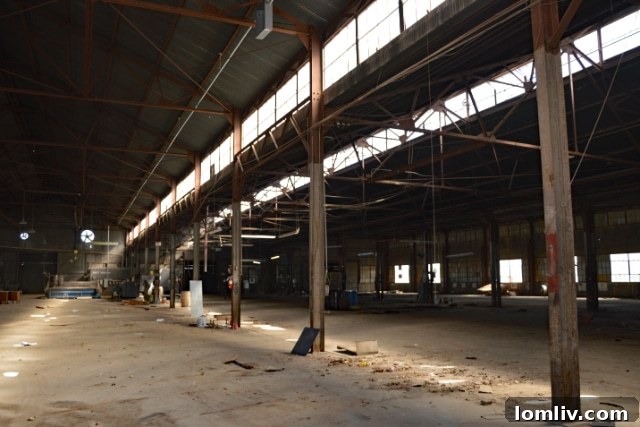
A quick search for “industrial adaptive reuse” reveals countless success stories globally. The idea of repurposing the giant metal buildings of Atlas isn’t just an exercise in preservation; it’s a smart, sustainable business strategy. We have an opportunity to illustrate to developers the millions of dollars in untapped potential lying within these historic structures, offering a vision far more compelling than the limited, often predictable returns of yet another new multifamily or retail development.
The global landscape is replete with inspiring examples of industrial adaptive reuse. Everyone is familiar with the phenomenal success of Pike Place Market in Seattle, Washington, a vibrant public market housed within historic structures. San Diego ingeniously integrated the Western Metal Supply Building into its new baseball stadium, Petco Park, creating a unique fan experience. Vancouver transformed an old industrial complex into the bustling Granville Island Public Market, a cultural and culinary hotspot. In Lyon, France, a former sugar warehouse now serves as a dynamic cultural focal point, while a textile plant in Lisbon, Portugal, has been reimagined as a thriving mixed-use space featuring offices, restaurants, and art galleries. Germany even boasts an entire 400-kilometer Industrial Heritage Trail, celebrating its industrial past. Closer to home, in Sebastopol, California, Barney Aldridge acquired the old Barlow apple processing plant. By listening to the community and recognizing the daily traffic of 26,000 cars, he transformed it into a vibrant, community-oriented marketplace that respects its heritage. These examples underscore a universal truth: historic industrial buildings offer a robust foundation for distinctive, economically prosperous, and culturally enriching developments.
Preserving historic buildings is not merely an act of nostalgia; it’s a strategic business decision. Unique, historically rich spaces are inherently “cool” and provide an unparalleled branding opportunity. Integrating a landmark like Atlas Metal Works into a development instantly confers recognition, character, and a compelling narrative, making a company or project instantly more memorable and desirable. This is smart marketing at its best. Therefore, maintaining the integrity of all Atlas Metal buildings makes absolute sense, not just as a cultural asset, but as a powerful draw to the entire area. It’s a compelling win-win scenario that seems, quite frankly, an absolute no-brainer.
Imagine the immense potential: those colossal metal buildings could be transformed into vibrant artist studios, dynamic event spaces, or bustling farmer’s markets, injecting unparalleled character into West Dallas. Envision one of these grand structures repurposed as a breathtaking wedding venue, offering a truly unique setting. Think about the magic that visionaries like Chip and Joanna Gaines could work with the raw, authentic canvas of Atlas Metal Works. Every city can boast blocks of generic new apartments. What Dallas truly needs, and what its community genuinely desires, is something different, something authentic, something that celebrates its unique history while boldly stepping into the future.


“You have to look not just at the land, but what is on it and why it’s important. Don’t assume people do not care.”
David Preziosi, FAICP, Hon. AIA Dallas
Executive Director, Preservation Dallas

Take Action: Preserve Dallas’ Heritage
The future of Atlas Metal Works hinges significantly on community engagement. The upcoming City Plan Commission hearing on March 3rd, addressing the rezoning of Atlas Metal, is open to the public. This is a crucial opportunity for every concerned citizen to voice their perspective. If you are a community advocate, a resident who cherishes Dallas’s unique character, or simply believe in the power of thoughtful development, this is your moment to help guide developers towards a more insightful understanding of what truly matters to our city’s identity and long-term prosperity. Your participation can provide invaluable insight that shapes not only this project but potentially sets a precedent for future developments in Dallas.
To participate or submit your comments, please use Case number Z212-145. You can send your comments via email directly to the CPC secretary at [email protected]. Your written input will be distributed to all commission members, ensuring your voice is heard as they consider this pivotal decision.
The City Plan Commission meetings will be held in person and by video conference. Individuals who wish to speak in accordance with the City Plan Commission Rules of Procedure should contact the Current Planning division at 214-670-4209 by the close of business Tuesday prior to the scheduled CPC Meeting date. The links below will direct you to the respective CPC meeting date to listen to the meeting and Public Affairs and Outreach will also stream the public hearing on Spectrum Cable Channel 96 and bit.ly/cityofdallastv.