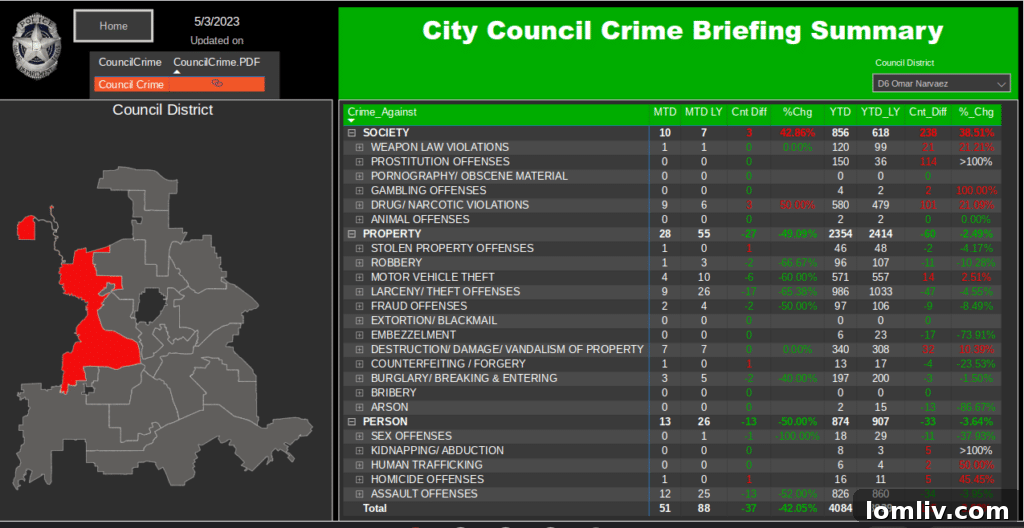
Dallas City Council District 6 faces persistent challenges with its crime rate, ranking as the second-highest among Dallas’s fourteen districts. It trails only District 2, an area encompassing the vibrant entertainment hub of Deep Ellum and the historic charm of Old East Dallas. This elevated crime rate presents a complex issue for residents, local businesses, and city leadership alike, demanding focused attention and strategic interventions.

Leading District 6 is Councilman Omar Narvaez, who first took office in 2017. Narvaez is deeply rooted in the community, with his family having lived in the Ledbetter, La Loma, and Bachman Lake areas for over 90 years. A renter himself, he has consistently championed a “Yes In My Backyard” (YIMBY) philosophy, advocating for increased development of mixed-income multifamily and single-family housing options. This stance aims to address housing affordability and accessibility, ensuring diverse housing choices for the district’s growing population.
Narvaez secured his re-election on May 6, capturing 53.29 percent of the vote against three formidable challengers. While his victory wasn’t a landslide, it was a significant achievement, allowing him to avoid a runoff in a crowded race. This outcome, alongside the return of every eligible incumbent to the horseshoe, suggested a general contentment among Dallasites with their current leadership, despite relatively low voter turnout across the city. Meanwhile, a June 10 runoff election will determine the occupant of the District 3 seat, vacated by the term-limited Casey Thomas, with Zarin Gracey and Joe Tave vying for the position.
Understanding Crime Trends in Dallas City Council District 6
Analyzing crime statistics for District 6, and indeed for the entire city, has been complicated recently. The Dallas Police Department’s comprehensive crime dashboard has not been updated since city servers fell victim to a May 3 ransomware attack. This disruption hinders real-time assessment and strategic planning, creating a gap in understanding current public safety needs and the effectiveness of ongoing initiatives.
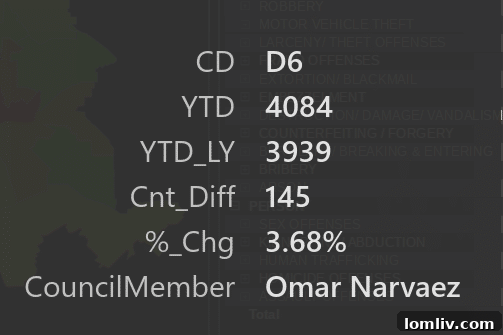
Based on the latest available data, District 6 has observed a mixed bag of crime trends. There were slight decreases in property crime, falling by 2.49 percent, and crimes against persons, which saw a 3.64 percent reduction. These declines offer a glimmer of progress in some areas of public safety. However, a deeper dive into specific crime categories reveals more concerning shifts. The district has experienced significant spikes in drug offenses, which rose by 21 percent, and destruction of property, up by 10.39 percent. Most critically, homicides in District 6 have seen a stark increase of 45 percent, climbing from 11 fatalities last year to 16 in the current year to date. This alarming rise in violent crime necessitates urgent attention and a re-evaluation of current prevention strategies. On a more positive note, assaults, sex offenses, and thefts have all decreased compared to the same period last year.
Despite these critical public safety issues, Deputy Mayor Pro Tem Narvaez did not respond to an interview request from daltxrealestate.com to discuss these pressing matters. His silence leaves questions about his direct perspective on the recent crime trends and his specific plans to address the concerning increases in drug offenses, property destruction, and homicides.
It’s official! ☀️ Summer 2023 marks the second annual Summer of Safety in the City of Dallas.
Learn more about the programming offered by our partners: https://t.co/fSnjVydLhT. pic.twitter.com/q7cavVSag0
— City of Dallas (@CityOfDallas) May 16, 2023
During his re-election campaign, Councilman Narvaez notably did not receive endorsements from key public safety organizations, including the Dallas Police Association Political Action Committee and the Dallas Fire Fighters Association. Both PACs chose instead to back his challenger, Monica R. Alonzo. This lack of support from first responder associations could indicate a disconnect in strategies or priorities regarding public safety, a critical aspect given the Dallas Police Department’s significant challenges, including a massive staffing shortage and a substantial pension fund deficit. These issues place considerable strain on the department’s ability to effectively patrol and respond to incidents, directly impacting the city’s overall crime rate, especially in high-crime districts like District 6.
Despite these underlying issues, the Dallas City Council largely stands in unified support of Police Chief Eddie Garcia and his comprehensive Violent Crime Reduction Plan. This plan outlines a multi-pronged approach to tackle crime, from immediate interventions to long-term community development strategies. District 12 Councilwoman Cara Mendelsohn underscored this consensus during a May 8 Public Safety Committee meeting, stating, “I don’t think everyone on council always agrees on everything, but we have a very unified support of public safety right now.” This collective commitment is crucial for implementing sustained changes in public safety across Dallas.
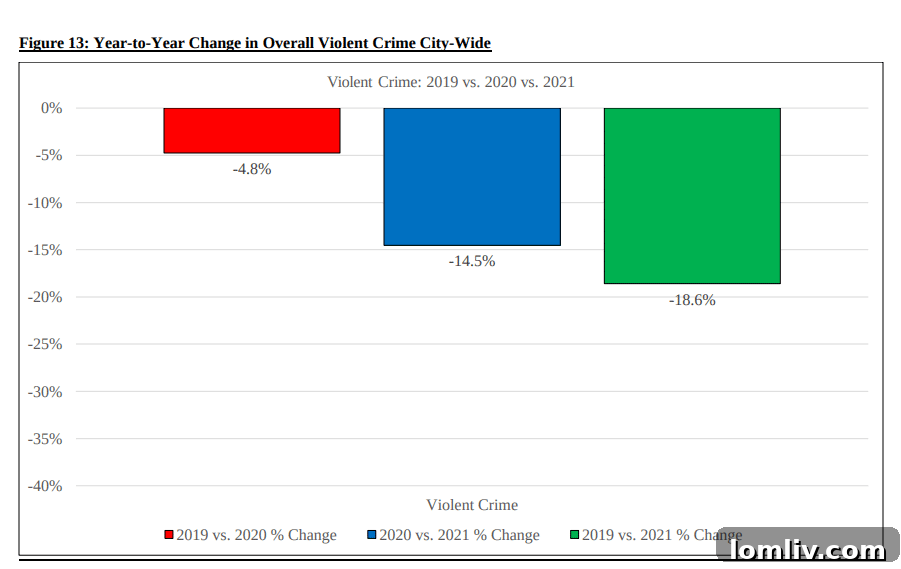
Chief Garcia’s Violent Crime Reduction Plan is structured with both immediate and long-term objectives. The short-term strategy focuses on “hot spots policing,” aiming to significantly increase police visibility in high-crime areas. This involves heightened lawful enforcement and surveillance activities designed to deter violent offenders and disrupt criminal operations. The goal is to make these areas less attractive for criminal activity through a strong and visible police presence.
As a mid-term strategy, the Dallas Police Department (DPD) commits to coordinating and leading a place-based enforcement approach. This involves identifying and targeting specific networks of crime-prone locations, not just to apprehend offenders but also to address the underlying environmental conditions that facilitate crime. This could mean focusing on particular streets, blocks, or even buildings that are consistently linked to criminal behavior, implementing targeted interventions beyond simple patrols.
The long-term vision of the plan is more holistic and collaborative. It entails the DPD working closely with City leadership, other municipal departments, and non-profit partners to tackle urban blight. This includes initiatives like “greening” vacant lots, transforming neglected spaces into community assets, improving the appearance and safety of vacant and abandoned houses, and abating crime-conducive environmental conditions at multi-family housing complexes. By addressing these foundational issues of urban decay, the plan aims to foster safer, more vibrant communities where crime is less likely to flourish.
Evolving Landscape: Neighborhoods of West Dallas and District 6
Beyond crime statistics, District 6 is experiencing significant development and shifts in its neighborhood composition. Last week, Councilman Narvaez joined Dallas Fire-Rescue officials to inaugurate the new Fire Station 58 on Water Mill Road. This state-of-the-art facility is strategically positioned to serve the rapidly developing Cypress Waters area within District 6, promising enhanced emergency response times and greater peace of mind for residents. “This fire station is an exciting addition to Cypress Waters that will bring peace of mind to our community,” Narvaez stated in a press release, emphasizing the improved capabilities for Dallas Fire-Rescue to perform their vital work.
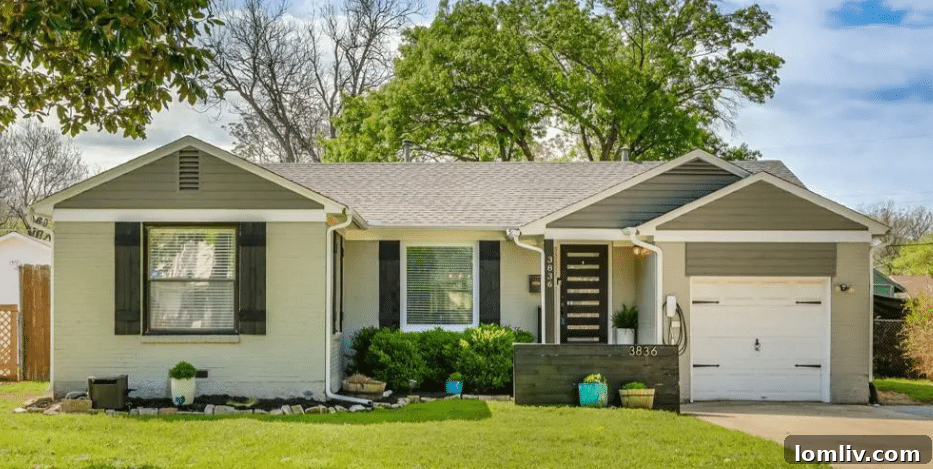
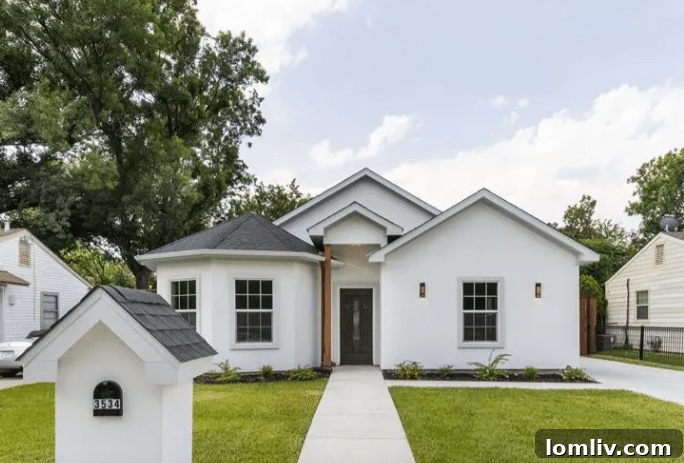
The landscape of West Dallas, including District 6, is also being redefined by the recent implementation of new redistricting maps earlier this month. These maps were designed to more evenly distribute the city’s population among its districts, leading to significant changes in their geographical and demographic makeup. While West Dallas has historically faced one of the city’s highest crime rates, the impact of these new boundaries on future crime data remains to be seen, as population shifts can alter socio-economic dynamics.
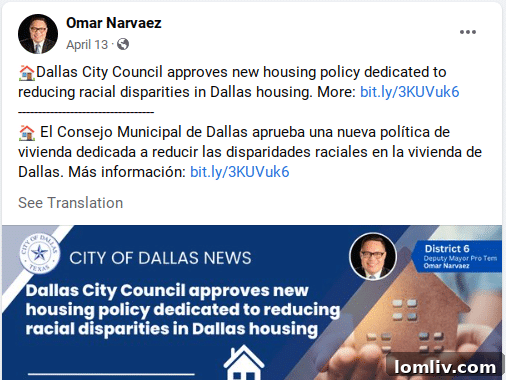
As part of this redistricting process, District 6 has expanded to include new neighborhoods. Notably, it gained portions of Elm Thicket/Northpark, previously represented by District 2, and Briarwood, formerly part of District 13. This expansion brings a new set of challenges and opportunities for District 6. For instance, some residents in these newly integrated areas, particularly Elm Thicket/Northpark, have voiced growing noise complaints concerning flights arriving at and departing from Dallas Love Field. These concerns add a fresh layer of complexity to the councilman’s agenda, requiring careful balancing of constituent needs with broader urban development.
District 6 is characterized by a diverse mix of apartments and single-family homes, reflecting its dynamic urban fabric. In this predominantly Hispanic district, where 70 percent of the population identifies as Hispanic, issues of gentrification and displacement are particularly prominent and contentious. As property values rise and new developments emerge, many long-time residents, especially those with limited incomes, face the risk of being priced out of their homes and communities. This phenomenon is acutely felt in areas like Bachman Lake, where residents have reported facing unlawful evictions. Councilman Narvaez, in collaboration with Dallas Eviction Advocacy Center founder Mark Melton, has actively engaged in efforts to secure stable housing for those displaced and to challenge the justice of the peace courts that permit such evictions. Their advocacy highlights the critical need for robust tenant protections and fair housing practices to preserve the district’s diverse community fabric and prevent further social dislocation.
This comprehensive analysis marks the 11th installment in our ongoing series delving into neighborhood crime dynamics across Dallas City Council districts. We believe in the power of community voices and shared experiences. If you or someone you know has been the victim of a crime in a Dallas neighborhood or shopping center, we encourage you to share your story with us. Your insights are invaluable as we continue to shed light on these critical issues and advocate for safer communities. Please reach out to us at [email protected].