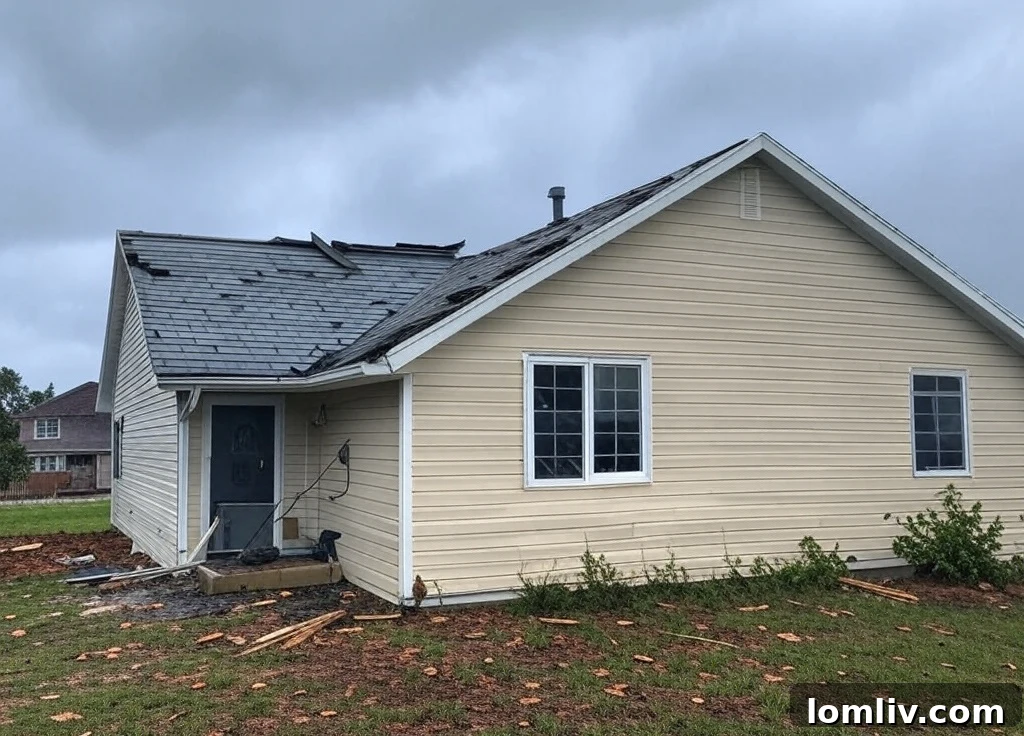
Storms, with their unpredictable nature and immense power, pose a significant threat to residential and commercial properties alike. Among the most vulnerable components of any structure are the roof and gutter systems, which act as the primary defense against the elements. These critical systems are often the first to suffer damage from severe weather, including heavy rainfall, strong winds, hail, and flying debris. Such damage can range from minor wear and tear to catastrophic structural failures, leading to extensive repair costs and potential long-term issues for property owners.
Proactive measures are not just recommended but essential for mitigating the destructive impact of storms. By implementing preventative strategies and ensuring regular maintenance, property owners can significantly reduce storm-related issues. This foresight not only saves money on costly emergency repairs but also extends the operational lifespan of both the roof and gutter systems, preserving the overall integrity and value of the property. This comprehensive guide will explore various effective strategies you can adopt to safeguard your roof and gutters, ensuring your home remains secure and protected against the harshest weather conditions.
The Indispensable Role of Robust Roof and Gutter Protection
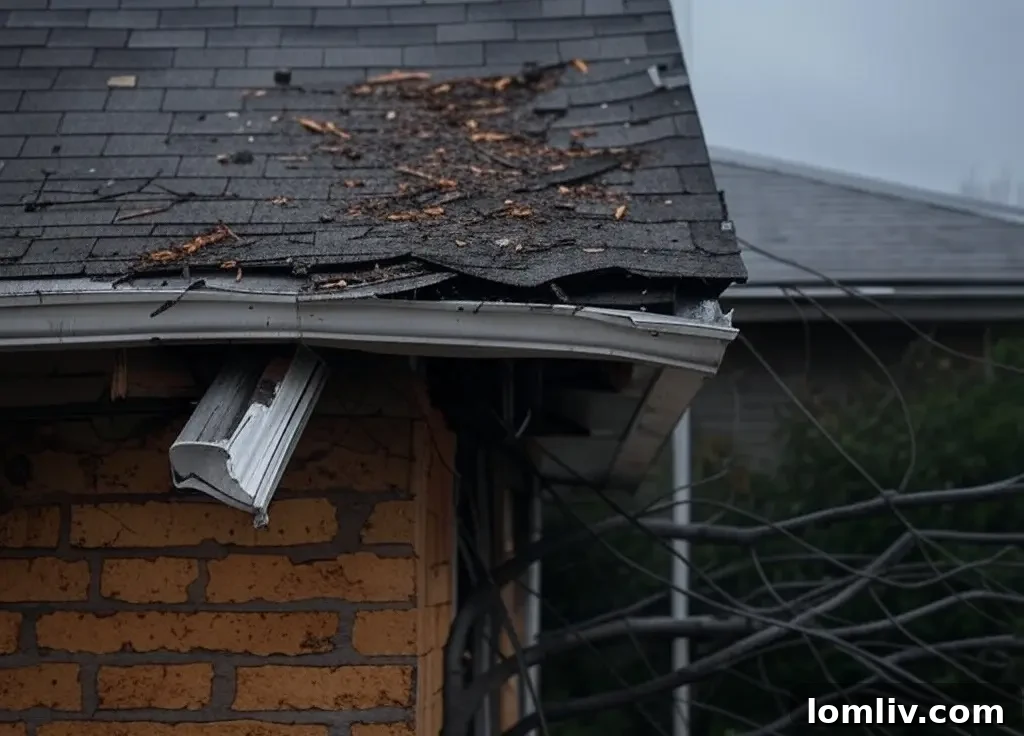
The roof and gutter system on any property are more than just aesthetic features; they are a unified defense mechanism designed to shield your home from the relentless forces of nature. A well-constructed and properly maintained roof serves as the first line of defense, preventing water infiltration, protecting the structural framework from moisture damage, and contributing significantly to the property’s energy efficiency. It acts as a resilient barrier against rain, snow, sun, and wind, preserving the comfort and safety of those within.
Complementing the roof, a high-functioning gutter system is crucial for managing rainwater runoff. Its primary role is to collect water cascading off the roof and channel it safely away from the property’s foundation. Without an efficient gutter system, rainwater would simply pour directly down the sides of the house, eroding landscaping, saturating the soil around the foundation, and potentially leading to severe structural damage, basement flooding, and even foundation cracks. This can compromise the entire stability of the building and necessitate extremely expensive repairs.
Neglecting these two vital systems can lead to a cascade of problems. Beyond the obvious water damage, which can manifest as ceiling stains, warped floors, and damaged insulation, prolonged moisture can foster the growth of mold and mildew. These not only compromise indoor air quality, posing health risks to occupants, but also cause unpleasant odors and further deteriorate building materials. Moreover, constant repairs due to preventable issues can drain your finances and significantly diminish your property’s value. Investing in their protection means investing in the longevity and resilience of your entire home.
Understanding How Storms Inflict Damage on Roofs and Gutters
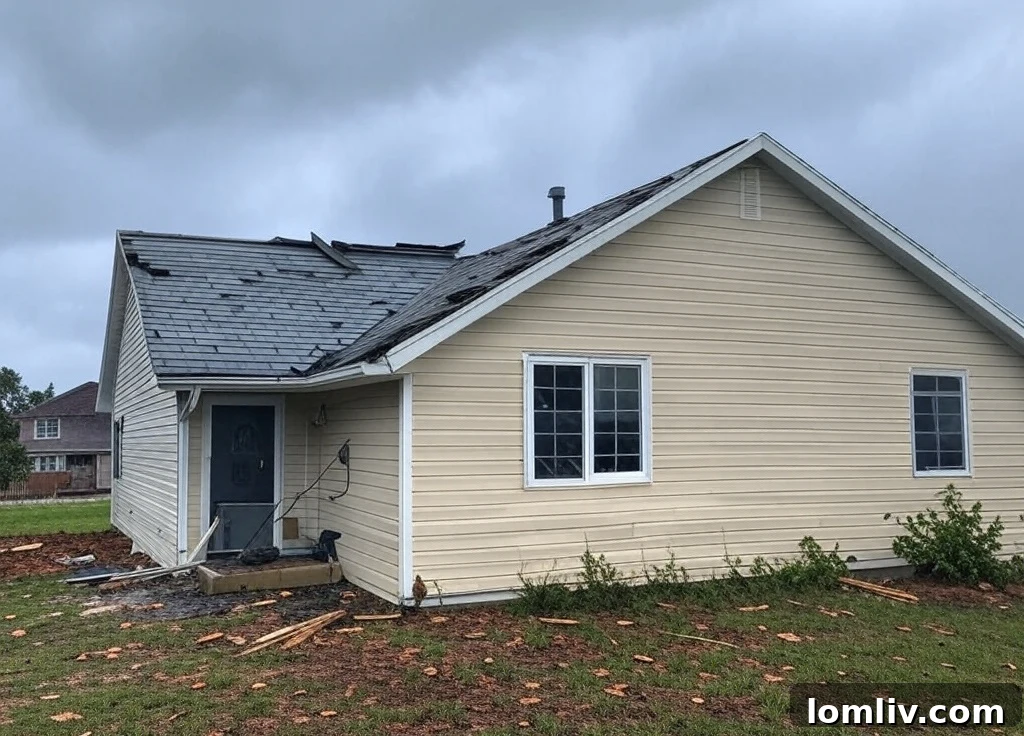
Storms come in many forms, but their common thread is the potential for significant property damage. Understanding the specific ways these natural phenomena impact your roof and gutters is the first step toward effective storm-proofing.
Roof Damage: The Direct Impact of Severe Weather
- High Winds: Gusting winds can exert tremendous pressure on your roof, particularly on the edges and corners. This force can lift and tear off shingles, exposing the underlying roofing materials and vulnerable wooden decking to direct water infiltration. Even if shingles aren’t completely detached, strong winds can loosen their seals, making them susceptible to future damage and allowing water to seep underneath, potentially leading to leaks inside your home.
- Heavy Rain: While a healthy roof is designed to shed water, heavy downpours following wind damage can exacerbate problems. If shingles are already compromised or missing, torrents of rain can quickly penetrate the roof layers, saturating insulation, damaging ceilings, and even affecting the electrical system. Prolonged exposure to heavy rain can also overwhelm damaged flashing around chimneys, vents, and skylights, creating prime entry points for water.
- Hail: Hailstorms, often underestimated, can cause surprisingly extensive damage. Hailstones can vary significantly in size and density, striking the roof with considerable force. On asphalt shingles, this impact can create visible dents, granular loss, and bruising, weakening the material and reducing its lifespan. For metal roofing, hail can cause unsightly dents and even compromise protective coatings, leading to rust. Repeated hail strikes can severely diminish a roof’s integrity, making it prone to premature wear and leaks.
- Debris Impact: Storms frequently carry heavy debris, such as tree branches, fallen limbs, or even objects from neighboring properties. These projectiles can strike your roof with considerable velocity, causing punctures, deep gouges, and cracks in roofing materials. A large branch can even compromise the structural integrity of the roof decking, necessitating extensive and costly repairs beyond simple shingle replacement.
Gutter Damage: When Water Management Systems Fail
- Clogging: Storms often bring a deluge of leaves, twigs, dirt, and other organic debris. This material can quickly accumulate in gutters, blocking the proper flow of water. A clogged gutter can no longer direct water away from the foundation; instead, water overflows, cascading down the side of the house, saturating the ground around the foundation, and potentially causing landscape erosion, basement flooding, and fascia board rot.
- Detachment: The sheer force of strong winds can cause gutters to loosen from their fastenings or even completely tear away from the fascia boards. This is especially true if the gutters are already weakened, overloaded with debris, or improperly installed. Detached gutters render the entire system ineffective and leave the property vulnerable to uncontrolled water runoff.
- Cracking and Rusting: High moisture levels associated with storms, especially when combined with standing water from clogs, accelerate the corrosion of metal gutters, leading to rust. Rust weakens the material, causing cracks and holes through which water can escape. Even non-metal gutters can suffer from cracks due to impact damage or extreme temperature fluctuations, leading to leaks and compromising their ability to channel water effectively.
Comprehensive Strategies for Storm-Proofing Your Roof and Gutters
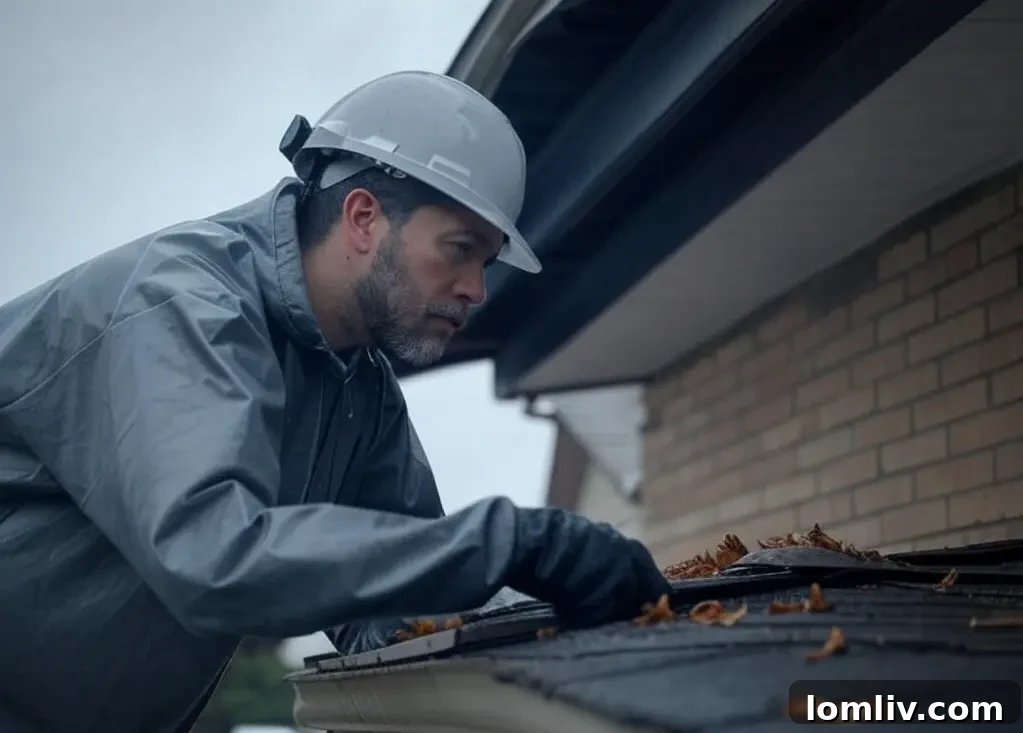
Protecting your property from storm damage requires a multifaceted approach, combining diligent maintenance with strategic upgrades. By proactively addressing vulnerabilities, you can significantly enhance your home’s resilience.
1. Implement a Regular Roof Maintenance Program
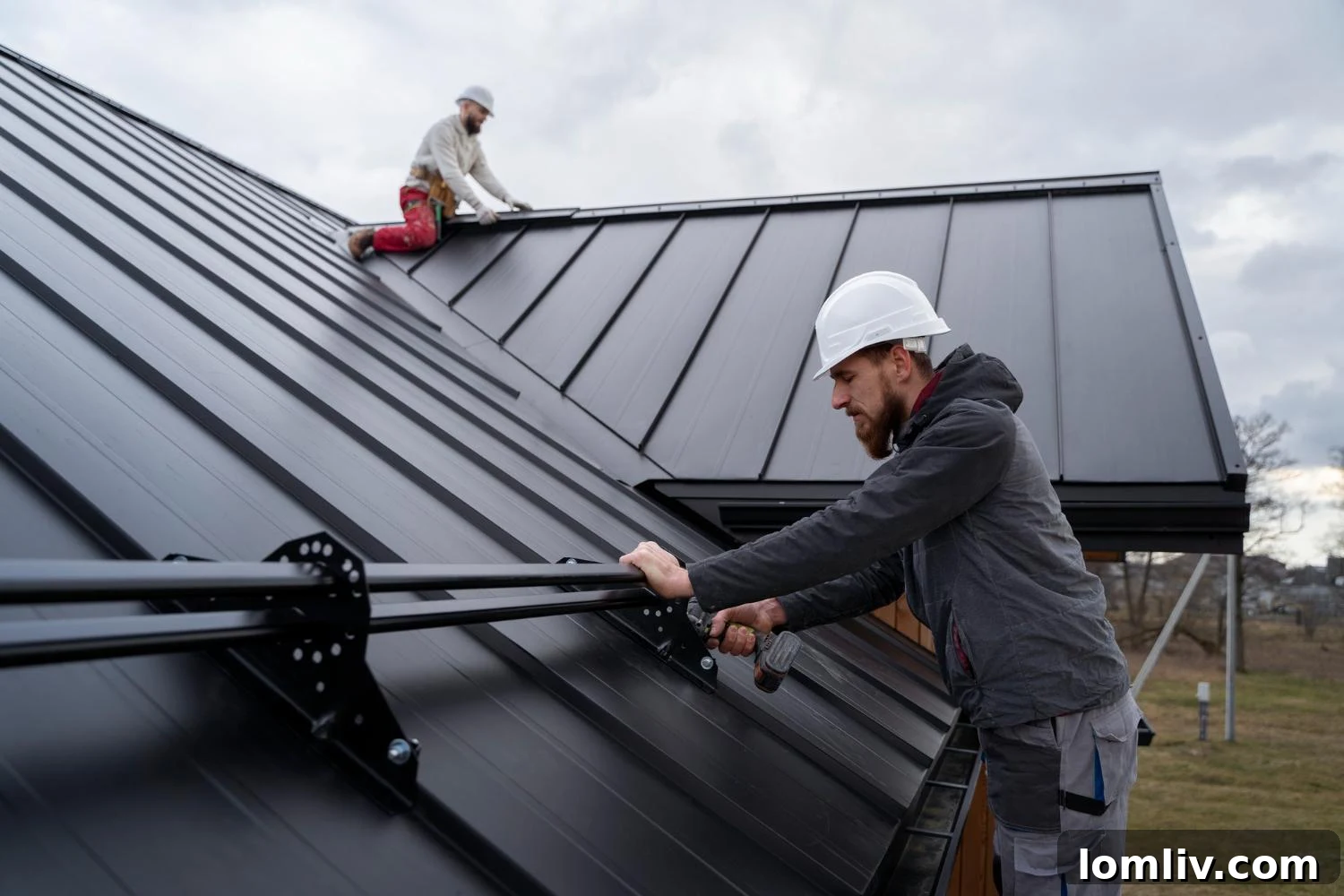
Routine inspection and maintenance are paramount to keeping your roof in optimal condition and extending its lifespan. A small, unaddressed issue can rapidly escalate into a major problem during a storm. While some tasks can be done by a vigilant homeowner, a professional roof cleaning in Beaverton or a comprehensive inspection is highly recommended. These experts possess the knowledge and equipment to safely identify and rectify issues that might otherwise go unnoticed. They can clear debris, moss, and algae that retain moisture and degrade roofing materials, ensuring your roof is clean and structurally sound.
Essential Tips for Protecting Your Roof:
- Pre-Storm Season Inspection: Before storm season begins, conduct a thorough visual inspection of your roof, either from the ground with binoculars or safely from a ladder. Look for any damaged, curled, cracked, or missing shingles. Pay close attention to areas where shingles might be lifting, as these are prime entry points for wind and water.
- Secure Flashing: Verify that all flashing around chimneys, skylights, vent pipes, and wall junctions is securely in place and free of cracks or corrosion. Flashing is designed to create a waterproof seal at critical junctures; if compromised, it leaves your roof highly vulnerable to leaks. Apply roof sealant where necessary or replace damaged flashing immediately.
- Strategic Tree Trimming: Trim any tree branches that overhang your roof or are dangerously close to your property. Strong winds can cause these branches to break off and fall onto your roof, leading to significant impact damage. Removing dead or weak limbs is crucial for minimizing debris hazards during a storm.
- Address Minor Issues Promptly: Don’t procrastinate on small repairs. A single loose shingle or a tiny crack can quickly lead to widespread damage during adverse weather. Fixing minor issues like resealing small cracks, replacing a couple of missing shingles, or tightening loose fasteners is far less costly and time-consuming than repairing extensive storm damage.
2. Maintain and Upgrade Your Gutter System for Peak Performance
A properly functioning gutter system is indispensable for directing rainwater away from your property’s foundation, protecting it from erosion and structural damage. If your current gutter system is old, corroded, or frequently prone to clogs, it might be time to consider an upgrade. Investing in a new, high-quality gutter installation in Beaverton can provide enhanced durability and efficiency, safeguarding your property for years to come. Regular maintenance, however, remains the cornerstone of protection.
Key Tips for Protecting Your Gutters:
- Regular Cleaning: Establish a routine for cleaning your gutters at least twice a year, or more frequently if you have many trees nearby. Remove leaves, twigs, dirt, and any other debris that can accumulate and impede water flow. Clogged gutters can cause water to overflow, damaging fascia boards, siding, and compromising your foundation. If you’re uncomfortable with heights, hire professionals for safe and thorough cleaning.
- Install Gutter Guards: Consider installing gutter guards or screens to significantly reduce debris buildup. While not entirely maintenance-free, gutter guards dramatically decrease the frequency of cleaning needed and help ensure that water can always flow freely, even during heavy downpours, preventing clogs and overflows.
- Inspect for Damage: Regularly check your gutters for any signs of leaks, rust, sagging, or loose fasteners. Leaks can be indicative of cracks or holes, while sagging often points to loose hangers or an overloaded system. Promptly repair or replace damaged sections to maintain the system’s integrity. Ensure all connections are secure and leak-free.
- Ensure Proper Downspout Function: Verify that your downspouts are securely attached and direct water at least 5-10 feet away from the foundation of your home. You may need to add downspout extensions to ensure water drains far enough away, preventing soil saturation around the foundation and protecting your landscaping from erosion.
3. Reinforce Your Roof with Superior Materials and Construction
For those living in areas highly susceptible to severe storms, simply maintaining your roof may not be enough. Upgrading to more resilient materials and reinforcing the roof structure itself is a wise long-term investment. This can drastically improve your home’s ability to withstand extreme weather and potentially lower insurance premiums.
Advanced Reinforcement Options for Your Roof:
- Choose Wind-Resistant and Impact-Resistant Materials: When it’s time to upgrade your roof, opt for materials specifically designed for storm resistance. Wind-resistant shingles, often rated for higher wind speeds, or durable metal roofing systems can offer superior protection against high winds. Impact-resistant shingles, typically rated Class 4 for hail, are engineered to withstand the force of hailstones and heavy debris, significantly reducing the likelihood of damage from such impacts.
- Apply a Waterproof Underlayment: Beyond standard felt paper, consider installing a high-quality synthetic or self-adhering modified bitumen underlayment beneath your shingles. This “ice and water shield” provides an additional layer of waterproofing protection, acting as a critical barrier against water penetration should your primary roofing material be compromised during a severe storm. It’s particularly effective in areas prone to heavy rain or ice dams.
- Utilize Hurricane Straps and Clips: For homes in hurricane-prone regions, hurricane straps or clips are essential. These metal connectors secure the roof trusses or rafters to the wall plates and studs, providing a stronger connection that helps prevent the roof from lifting off the house during extremely high winds. This structural reinforcement significantly enhances the roof’s resistance to uplift forces.
- Reinforce Soffits and Fascia: Soffits and fascia boards, which cover the underside of your roof’s eaves and the edges of the roofline, are vulnerable to wind damage. Reinforcing these components with sturdy materials and secure fastening can prevent wind from getting underneath the roof deck, which can cause significant damage. Ensuring proper ventilation in the soffits also contributes to overall roof health.
4. Implement an Efficient Property-Wide Drainage System
Effective water management extends beyond just your gutters. Preventing water from pooling on your roof or around your foundation is critical to avoiding long-term structural damage. An integrated and efficient drainage system is a holistic approach to protecting your property.
Effective Drainage Strategies:
- Ensure Correct Gutter Slope and Downspout Placement: It’s not enough to just have gutters; they must be installed with the correct slope to allow water to flow freely towards the downspouts. Furthermore, ensure enough downspouts are present to handle the volume of water your roof generates, especially during heavy rainfall. For many homeowners, installing the best Cincinnati gutters becomes essential to guarantee their property’s drainage system works optimally.
- Install French Drains or Rain Barrels: To manage excess water runoff from downspouts or areas prone to pooling, consider installing French drains. These subsurface drainage systems effectively divert water away from your foundation. Alternatively, rain barrels can be used to collect rainwater for later use in gardening, while also reducing the volume of water flowing into your yard’s drainage system during a storm. Ensure rain barrels have overflow mechanisms that direct excess water appropriately.
- Optimize Landscape Grading: Ensure the ground around your home slopes away from the foundation. This natural grading helps direct surface water away from the house, preventing it from pooling against the foundation walls. Regrading can be a significant investment but offers substantial protection against water intrusion.
- Check Attic Ventilation: Proper attic ventilation is crucial for preventing moisture buildup and regulating temperature. Good ventilation helps to prevent condensation, which can lead to mold, mildew, and premature deterioration of roof decking and insulation. While not directly part of water runoff, it’s an important aspect of overall roof health and longevity.
5. Prioritize Professional Inspections and Maintenance
While DIY checks are valuable, they cannot replace the expertise of a trained professional. Roofing and gutter specialists possess the knowledge, experience, and specialized tools to identify subtle issues that might be missed by the untrained eye. Regular professional inspections are a small investment that can prevent incredibly costly future repairs.
Benefits of Scheduling Professional Inspections:
- Early Detection of Problems: Professionals can spot underlying structural issues, potential leak points, and areas of wear and tear before they escalate into major damage during a storm. They can identify weakened seams, compromised flashing, or subtle signs of rot that are invisible from the ground.
- Comprehensive Assessment: Beyond just the surface, experts can assess the condition of your roof decking, attic ventilation, and the integrity of your entire gutter system, including hidden components. They can provide a thorough report on the health of your roof and gutters, offering tailored recommendations for maintenance or repair.
- Expert Repair and Cleaning: Professionals can perform necessary repairs with precision and efficiency, using the correct materials and techniques. They also offer thorough cleaning services for gutters, ensuring all blockages are removed and the system is operating at peak capacity.
- Insurance Claim Assistance: In the unfortunate event of storm damage, a professional inspection report can be invaluable when filing insurance claims, providing objective evidence of damage and necessary repairs.
- Extending System Lifespan: Regular professional maintenance and timely repairs contribute significantly to extending the useful life of your roof and gutter systems, maximizing your investment and delaying the need for full replacement.
Conclusion: Proactive Protection for Lasting Home Security
The threat of storm damage to your home’s roof and gutter systems is undeniably real and can have profound, far-reaching consequences. These two components are fundamental to the structural integrity and protective envelope of your property. Ensuring they remain in excellent shape is not merely a matter of aesthetic upkeep; it is crucial for maintaining a solid foundation, preventing costly interior damage, and safeguarding your family’s health and comfort.
Regular roof and gutter maintenance, coupled with strategic upgrades, forms the backbone of a resilient home. By consistently inspecting for damage, keeping gutters clear, reinforcing vulnerable areas, and ensuring efficient drainage, you effectively shield your most valuable asset. While some tasks can be managed by homeowners, scheduling routine cleaning, maintenance, and comprehensive inspections by a trusted professional is highly recommended for peace of mind and optimal protection.
Investing in these services now is a proactive decision that secures your home against the unpredictable forces of nature. Taking these essential steps ensures your home is not just prepared to face the next storm season, but built to withstand it, preserving its value and providing a safe haven for years to come.