
For countless individuals, the allure of owning a waterfront property represents the pinnacle of a dream lifestyle. Imagine waking to the gentle lapping of waves, enjoying breathtaking sunsets over an expansive horizon, or having direct access to recreational activities right from your backyard. Whether your vision involves a serene lake house retreat, a vibrant oceanfront haven for retirement, a tranquil riverside escape, or a strategic investment opportunity, a home by the water offers an undeniable, unique appeal. However, the journey of purchasing waterfront real estate is often far more intricate than acquiring a conventional residential property. It involves navigating a complex landscape of legal considerations, environmental variables, specialized maintenance, and ensuring a perfect alignment with your desired lifestyle. To embark on this significant investment with confidence and clarity, a thorough understanding of the unique aspects of waterfront ownership is paramount.
This comprehensive guide delves into the essential factors prospective buyers must meticulously consider before committing to a waterfront property. Adopting a practical, insight-driven approach, it aims to equip you with the knowledge necessary to make an informed, confident, and ultimately rewarding decision.
1. Understand the Specific Type of Waterfront Property
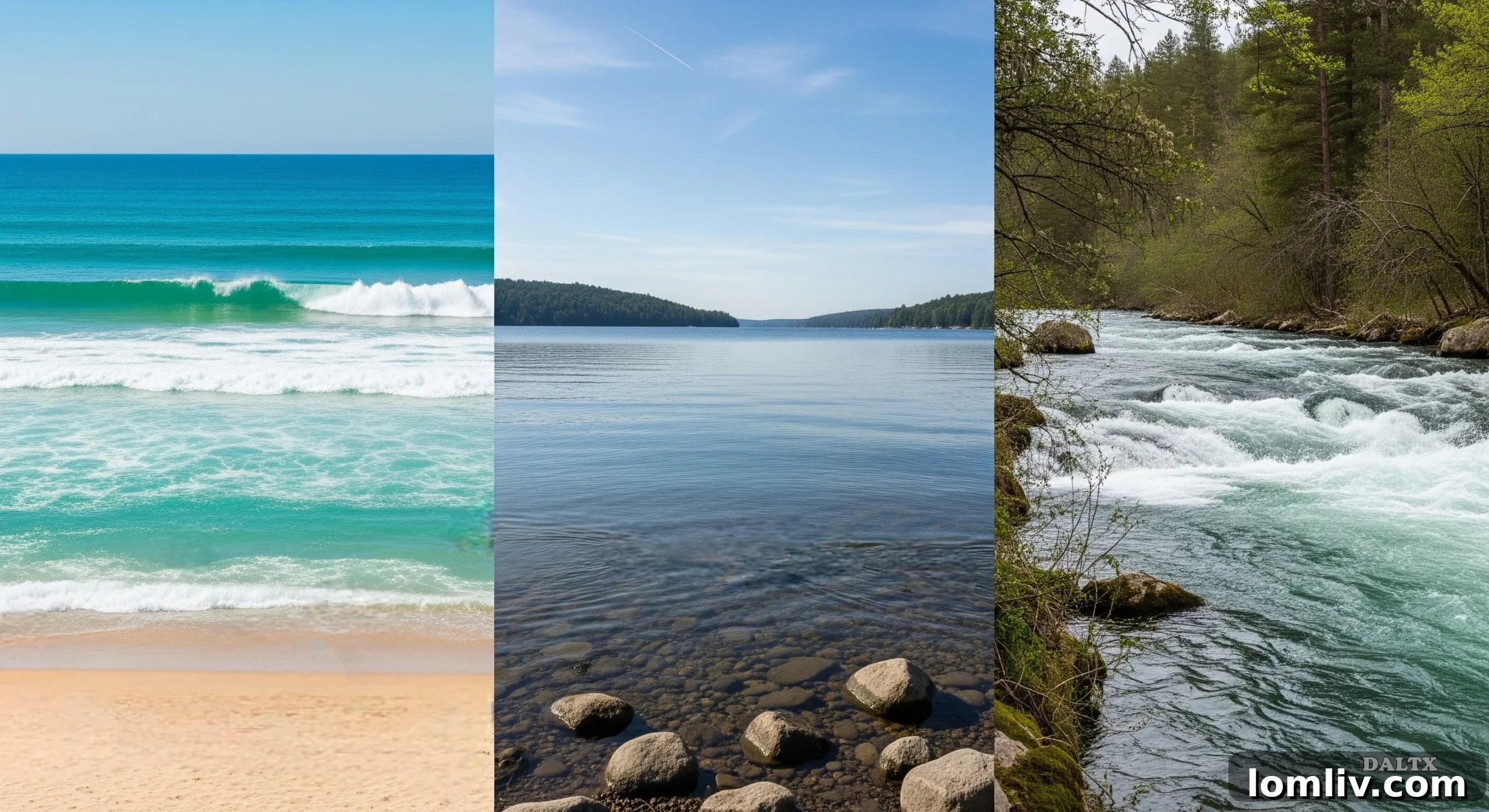
The foundational step in your waterfront property search is to clearly define the specific type of waterfront you’re interested in. The term “waterfront” encompasses a diverse array of environments, and each category presents its distinct advantages, disadvantages, and critical considerations that will profoundly impact your experience and investment. Understanding these distinctions early on can prevent future disappointments.
- Oceanfront Properties: These homes offer unparalleled, dramatic views and direct access to beaches, often featuring the soothing sounds of crashing waves. However, they come with significant maintenance demands due to relentless salt corrosion affecting structures and appliances. Buyers must also contend with a higher risk of hurricanes, storm surges, and the long-term implications of rising sea levels, which can significantly impact insurance costs and property values. Shoreline erosion can also be a persistent concern, potentially requiring costly mitigation efforts.
- Lakefront Properties: Typically providing calmer waters ideal for a range of recreational activities such as boating, swimming, and paddleboarding, lakefront properties often foster a strong sense of community. Yet, potential issues include seasonal algae blooms, which can impact water quality and recreational enjoyment. Some lakes impose strict restrictions on motorized watercraft, noise levels, or specific times of use, which might not align with every buyer’s lifestyle. Water levels can also fluctuate due to rainfall patterns or dam management, affecting dock usability and shoreline appearance.
- Riverfront Homes: These properties often exude a serene tranquility and offer unique opportunities for fishing, kayaking, or enjoying the natural riparian ecosystem. When considering a riverfront home, it’s crucial to thoroughly understand the river’s flow dynamics, particularly during different seasons, and identify its floodplain boundaries. Bank erosion risks can be considerable, necessitating careful evaluation of shoreline stability. Navigation rights, water access for different types of boats, and potential impacts from upstream or downstream developments are also vital aspects to research.
Beyond these broad categories, it’s absolutely vital to clarify whether the property offers genuine, direct water access, or merely a “water view.” There’s a substantial difference between a property marketed as “waterfront” (implying direct access and riparian rights), “water view” (offering a scenic vista without direct physical access), and “water access” (which might mean shared access points or a short walk to the water without direct frontage). For precise assessments and to ensure your purchase includes the rights and privileges you anticipate, always consult with a reputable and experienced real estate agent who possesses specialized knowledge of waterfront regulations and property types in your target area.
2. Research Local Regulations and Environmental Restrictions
Owning property adjacent to any body of water invariably introduces an additional layer of regulatory scrutiny, often stemming from municipal, provincial/state, and even federal governmental bodies. Prospective buyers must conduct diligent research to fully comprehend these frameworks, as they can significantly dictate what you can and cannot do with your property, impacting its use, value, and future development potential.
- Zoning Laws and Permitting: These regulations are critical. Can you build a private dock or a boathouse? Are there specific setback requirements from the shoreline for construction or renovation? Are there building height restrictions that might impact your desired view? Furthermore, if you plan to use the property for income generation, such as short-term rentals (e.g., Airbnb, VRBO), you must investigate local bylaws regarding such operations, as many waterfront communities have strict limitations or outright prohibitions.
- Environmental Regulations: Waterfront properties are frequently subject to stringent environmental protections. There may be significant restrictions on building, renovating, or even landscaping due to wetland protection zones, critical wildlife habitats, or designated shoreline buffer zones. These buffers are often designed to prevent erosion, protect water quality, and preserve natural ecosystems. Understanding these limitations is essential before making any plans for expansion or modification. You may require specific permits for any work near the water, including tree removal, grading, or installing erosion control measures.
- Riparian Rights (or Littoral Rights for lakes/oceans): These are the legal rights of landowners whose property borders a body of water. While often assumed, the specifics of these rights vary dramatically by jurisdiction. They typically include access to the water, reasonable usage, and sometimes the right to water withdrawal (though often regulated). It’s crucial to understand if your property comes with these rights and their exact scope. Some regions operate under the “riparian doctrine,” granting landowners reasonable use of water, while others might follow “prior appropriation,” where water rights are allocated based on historical usage, especially relevant for rivers. Legal counsel is advised to fully understand these complex rights.
- Floodplain Mapping and Insurance Requirements: A critical piece of due diligence involves determining if the property is located within a designated high-risk flood zone. Floodplain maps are publicly available and indicate areas prone to flooding. If your property is in such a zone, you will likely be required by lenders to purchase separate flood insurance, which can be considerably expensive. Additionally, specific building codes may apply, dictating elevated foundations or flood-resistant construction techniques to mitigate damage.
Beyond consulting official records, it is always wise to proactively contact local conservation authorities, environmental agencies, or planning offices. Engaging with these bodies directly allows you to clarify specific restrictions, inquire about necessary permits for any intended modifications (such as installing a new dock, stabilizing a shoreline, or significant landscaping changes), and gain a comprehensive understanding of the environmental stewardship expectations associated with waterfront ownership. This proactive approach can save significant time, money, and legal complications down the line.
3. Check the Shoreline and Water Quality Thoroughly

When you first view a potential waterfront home, the captivating views and serene ambiance can easily overshadow practical considerations. However, it is imperative to move beyond the initial impression and conduct a meticulous inspection of the shoreline’s physical condition and the water’s quality. These aspects are fundamental to your long-term enjoyment, property value, and safety.
- Shoreline Condition and Stability: What is the composition of the shore – is it a pristine sandy beach, a rocky expanse, a muddy bank, or perhaps a natural marshland? Assess its stability carefully. Is there evidence of erosion, such as crumbling banks, exposed tree roots, or receding land? A stable shoreline is crucial not only for preserving long-term property value but also for ensuring the safety of inhabitants and structures. Unstable banks may require costly and often highly regulated engineering solutions like riprap, seawalls, or bioengineering techniques to prevent further loss.
- Water Level Fluctuations: In many regions, lakes and rivers experience significant seasonal variations in water levels. These fluctuations can be influenced by rainfall, snowmelt, dam operations, or drought conditions. Drastic changes can severely impact the usability of docks, beachfront areas, and overall aesthetics. A dock that is perfectly functional in summer might be high and dry, or completely submerged, in other seasons. Research historical water level data for the specific body of water.
- Access to the Water: Evaluate the practicality of gaining access to the water. Is there a gentle, natural slope leading to the shore, or will you need to construct stairs, a ramp, or a dedicated path? Steep, slippery, or unstable banks can pose significant safety hazards and may prove extremely expensive to manage, improve, or make accessible, especially for individuals with mobility challenges. Consider how easy it will be to launch a boat, carry kayaks, or simply walk to the water’s edge.
- Water Quality for Recreation and Health: Never assume that water that appears clean is safe. Inquire about historical data concerning water quality, including reports of algae blooms (especially blue-green algae, which can be toxic), bacteria levels (e.g., E. coli), or industrial/agricultural contamination. Water quality directly impacts its safety for swimming, fishing, and other recreational activities. Professional water testing may be a wise investment to understand the current conditions and potential health risks.
- Boating Restrictions and Water Usage: Each body of water has its own set of rules regarding recreational use. Some lakes or sections of rivers may strictly prohibit motorized boats, jet skis, or impose specific speed limits and noise restrictions to preserve tranquility or protect wildlife. Others may permit full recreational use. Ensure that the permissible water activities align perfectly with your desired lifestyle and hobbies, whether it’s high-speed water sports, quiet fishing, or simply enjoying a peaceful paddle.
Valuable information regarding shoreline stability, historical water levels, and water quality can often be obtained from local conservation authority reports, environmental ministry data, university research, or even established resident associations. Engaging with long-time locals can also provide invaluable anecdotal insights into the water body’s characteristics and community norms.
4. Evaluate Infrastructure, Utilities, and Access Critically
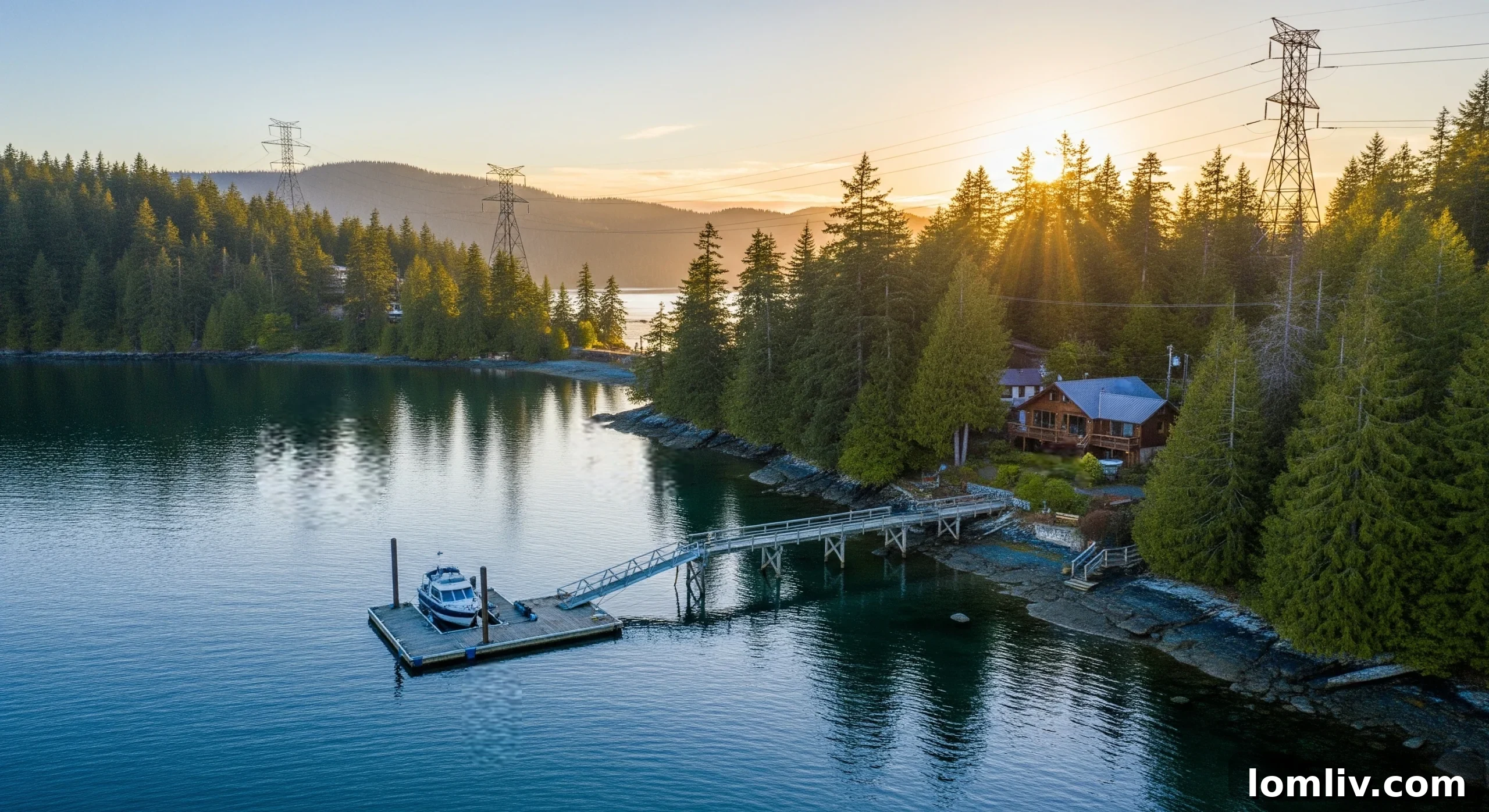
Waterfront properties are frequently situated in more rural or less-developed areas, a characteristic that often contributes to their charm and exclusivity but can concurrently introduce significant complications related to essential infrastructure and utility services. A thorough investigation of these aspects is crucial for understanding the practicalities and potential costs of ownership.
- Road Access and Maintenance: Determine the nature of the road leading to the property. Is it a publicly maintained road, ensuring year-round access and snow plowing in winter? Or is it a private road, potentially shared with neighbors via an easement? Private roads often come with joint maintenance agreements (or a lack thereof), meaning you could be responsible for a share of repairs, snow removal, or even basic upkeep, which can vary significantly in cost and reliability. Assess the road condition in all seasons, especially if planning for year-round residency.
- Internet and Cell Service: The idyllic seclusion of many waterfront homes often comes at the cost of robust connectivity. Many properties suffer from weak cell signals or a complete lack of high-speed internet. Confirm the availability and reliability of internet providers (cable, fiber, satellite, fixed wireless) and cellular coverage. For remote properties, investing in satellite internet, cellular boosters, or even exploring newer technologies like Starlink might be necessary, adding to your overall budget.
- Sewer and Septic Systems: Unlike urban properties with municipal sewer connections, a significant number of waterfront homes rely on private septic systems. It is absolutely essential to request detailed inspection records, service history, and ensure the system meets all modern environmental standards and local regulations. An aging or improperly maintained septic system can lead to costly repairs, significant environmental contamination of the adjacent water body, and a drastic reduction in property value. Understand the location of the septic field, its capacity, and recommended maintenance schedules.
- Water Supply: Investigate the source of the home’s water supply. Is it connected to a reliable municipal waterline? Does it rely on a private well? Or does it utilize a lake water intake system? Each option carries distinct testing, filtration, maintenance, and potential cost implications. Well water should always be tested for potability, mineral content, and flow rate. Lake water systems typically require extensive filtration and purification processes to be safe for potable use. Understand the condition of pumps, pipes, and purification equipment.
- Power and Heating: Some waterfront cottages, particularly older or more remote ones, may be off-grid or rely on alternative heating and power sources. This could include propane tanks for heating and cooking, backup generators, or solar power systems. While these offer independence, they often entail additional maintenance, fuel costs, and potentially specialized expertise for repairs. For year-round use, ensure the heating system is robust enough for winter conditions. Smart home systems for remote monitoring of power and heating can be invaluable for seasonal properties.
Ensuring year-round usability and comfort in a waterfront home may necessitate significant upfront investments in infrastructure updates or improvements. Factor these potential costs, along with ongoing maintenance, into your budget calculations to avoid unexpected financial burdens down the road.
5. Seasonal and Specialized Maintenance Considerations
Waterfront homes, by their very nature, are exposed to unique environmental stressors that typically demand a higher level of upkeep and specialized maintenance compared to standard residential properties. Understanding these challenges is key to realistic budgeting and time management for property owners.
- Salt Air, Humidity, and Moisture Exposure: For coastal properties, the constant presence of salt in the air is a significant corrosive agent. It accelerates the deterioration of metal components (fixtures, hardware, outdoor appliances), paint finishes, and even building materials. Inland waterfront properties, especially those in humid climates, also face challenges from persistent moisture, leading to issues like mold, mildew, and wood rot. Regular cleaning, using marine-grade materials (like stainless steel), and applying protective coatings are essential preventative measures. Adequate ventilation is also critical.
- Pest Management: The proximity to water and often natural surroundings makes waterfront homes particularly susceptible to various pests. Mice, rats, insects (mosquitoes, ants, spiders, termites), and birds are common visitors, especially in cottages left vacant for extended periods. Robust pest control strategies, including sealing entry points, regular inspections, and potentially professional pest management services, are crucial to protect the property and ensure comfort. Wildlife such as raccoons, squirrels, or even larger animals can also be drawn to these locations.
- Storm Preparation and Mitigation: Homes situated near water bodies are inherently more vulnerable to severe weather events. Coastal properties face hurricane and tropical storm threats, while lakefront and riverfront homes can be susceptible to intense thunderstorms, high winds, and ice storms. Preparing for these events may necessitate installing storm shutters, ensuring reliable sump pumps are in place (perhaps with battery backups), and having backup generators to maintain essential services during power outages. Landscaping choices can also play a role in wind protection and erosion control.
- Specialized Landscaping and Erosion Control: The vegetation near shorelines is often protected by environmental regulations, limiting what you can plant or remove. Property owners may need to focus on native plants that are adapted to the local ecosystem and can help prevent erosion. Aggressive invasive species can also be a concern, requiring regular management. Dock maintenance is another significant factor, involving seasonal installation and removal, repairs, winterization, and regular structural integrity checks to withstand water conditions.
If the waterfront property is intended primarily for vacation or seasonal use, the logistics of property management become even more critical. Consider how you will handle off-season maintenance, such as winterizing plumbing, securing the property, and ensuring general security against vandalism or break-ins. Hiring local caretakers or property management companies can be a valuable investment for absentee owners.
As a technician from Best Solution Appliance Repair aptly points out, “Waterfront homes face unique maintenance challenges that often extend to their internal systems and appliances. For example, the combined effects of high humidity and salt exposure, particularly in coastal areas, can increase appliance failure rates by up to 30% compared with standard homes located inland. Regular, proactive inspections and preventative maintenance for critical appliances like refrigerators, washing machines, and HVAC systems are not just recommended, but often essential to prevent costly breakdowns and significantly extend their operational lifespan in these demanding environments.” This highlights the importance of incorporating appliance care into your overall maintenance strategy.
6. Financing and Insurance Challenges Unique to Waterfront Property

Securing financing and obtaining adequate insurance for a waterfront property can be considerably more complex than for a conventional home. Lenders and insurers often perceive these properties as carrying elevated risks due to factors such as potential flooding, remote locations, and seasonal usage patterns. These unique risk profiles necessitate a specialized approach to financial planning.
- Mortgage Pre-Approval and Lender Specifics: It is crucial to obtain mortgage pre-approval from a lender who is experienced and comfortable with waterfront properties. Some banks may be more cautious or have specific requirements for vacation homes or properties classified as seasonal versus year-round residences. You may encounter higher down payment requirements, potentially stricter lending criteria, and slightly higher interest rates. Clearly communicate the property type and your intended use to your lender from the outset to avoid delays or unexpected hurdles.
- Flood Insurance Requirements: A significant number of waterfront properties, especially those located in federally designated floodplains, will require a separate flood insurance policy in addition to standard homeowner’s insurance. This is often a mandatory condition for mortgage approval. Premiums for flood insurance can be substantial and can fluctuate, so it is imperative to obtain accurate quotes early in the buying process. Understand what flood insurance covers (typically structural damage and contents, but not land) and what it does not, as well as deductibles.
- Property Taxes and Assessed Value: Waterfront properties inherently tend to carry higher assessed values due to their premium location and desirable features. This directly translates into significantly higher annual property taxes. Research the local tax assessment methods and historical tax rates for comparable waterfront homes in the area to accurately project your ongoing tax burden. Be aware that improvements you make could trigger reassessments, further increasing your taxes.
- Appraisal Challenges: Lenders will undoubtedly require a formal appraisal to ascertain the property’s current market value. Appraising waterfront homes can be particularly tricky due to their unique features (e.g., custom docks, specific views, diverse shoreline types) and the often-limited number of truly comparable sales in secluded or niche markets. An appraiser with specific expertise in valuing waterfront real estate is invaluable to ensure an accurate and fair valuation.
- Additional Insurance Considerations: Beyond flood insurance, you might need specialized coverage for features like docks, seawalls, or boathouses. If you plan to rent out the property, landlord insurance or short-term rental specific policies will be necessary. Moreover, consider the implications of title insurance and a comprehensive land survey to ensure clear property lines and address any potential easements or encroachments, especially crucial for properties bordering water.
To navigate these financial complexities smoothly, it is highly recommended to work with a mortgage broker or lender who has a proven track record and expertise in financing waterfront properties. Their specialized knowledge can help you find suitable products, anticipate challenges, and avoid unpleasant surprises throughout the purchasing process.
7. Align with Your Lifestyle and Long-Term Goals

Ultimately, a waterfront property acquisition is far more than a mere financial transaction; it represents a profound lifestyle decision. Before committing, it is imperative to deeply reflect on how the property truly aligns with your personal aspirations, daily routines, and long-term vision. A mismatch here can quickly diminish the joy of waterfront living.
Ask yourself these fundamental questions:
- Year-Round vs. Seasonal Use: Do you envision using this property as your primary residence throughout all four seasons, or is it intended purely for seasonal vacations? Year-round living demands robust infrastructure, reliable road access in winter, and access to local amenities and services. Seasonal use, while offering a retreat, requires careful planning for winterization, security, and off-season maintenance.
- Comfort with Maintenance and Costs: Are you genuinely comfortable with the increased maintenance demands and potentially higher ongoing costs associated with waterfront living? This includes everything from specific seasonal tasks to dealing with environmental stressors. Are you prepared to handle these tasks yourself, or budget for professional help?
- Long-Term Vision: What is your long-term plan for the property? Is this a short-term investment with an eye toward quick appreciation, a family legacy to be passed down through generations, or your ultimate retirement haven? Your long-term goals will influence everything from renovation choices to financial planning and succession strategies.
- Water Body Compatibility with Hobbies: Does the specific body of water and its regulations genuinely support your preferred recreational activities? If you dream of motorboating, ensure the lake allows it. If fishing is your passion, research local fish populations and regulations. For canoeing or paddleboarding, calmer waters might be preferred. Ensure the water body itself enhances, rather than restricts, your lifestyle.
- Impact of External Factors: Will potential noise from motorboats, increased tourism during peak seasons, or general boating activity disrupt the peace and tranquility you seek? Waterfront areas, particularly popular ones, can become bustling hubs during warmer months. Research the local activity levels and consider visiting the area during different times of the year to gauge its atmosphere.
- Community and Social Aspects: Are you looking for a vibrant, social waterfront community, or a more secluded, private retreat? Some areas have active homeowner associations, community events, and shared amenities, while others offer greater solitude.
If the property is being considered for rental income, thoroughly research local occupancy rates, the specific tourism appeal of the area, and critically, all licensing and regulatory requirements for short-term rentals. This due diligence ensures your investment aligns with both your financial and personal objectives, making your waterfront dream a sustainable reality.
Summary: Making Your Waterfront Dream a Reality
Owning a waterfront property holds an undeniable allure, promising an unparalleled lifestyle and often significant financial value. However, this dream comes with its own distinct set of complexities and considerations that extend far beyond a typical real estate transaction. The key to successfully navigating this specialized market is to approach the entire process with meticulous diligence, unwavering clarity, and realistic expectations regarding both the joys and responsibilities of ownership.
Throughout your journey, involving experienced professionals is not merely advisable but crucial. This includes specialized home inspectors who understand waterfront unique challenges, local conservation officers for regulatory insights, environmental consultants for water and shoreline assessments, and legal advisors for complex property rights. Most importantly, ensure that the property you choose not only satisfies all legal, structural, and financial criteria but also genuinely resonates with your long-term goals and perfectly complements the lifestyle vision you aspire to create. By taking these comprehensive steps, your waterfront property can indeed become the fulfilling sanctuary you’ve always dreamed of.