In the quiet mechanics of our homes, some appliances work tirelessly behind the scenes, their importance often overlooked until they falter. The water heater is undoubtedly one of these unsung heroes. Providing the comforting warmth for our showers, the hot water essential for clean dishes, and the necessary heat for laundry, it’s a cornerstone of modern living. Yet, when a water heater stops working, it’s more than just an inconvenience; it can lead to significant property damage, costly repairs, and even pose severe safety risks. Understanding your water heater’s health is crucial for both comfort and home safety.
At Green Scene Home Inspections, our detail-oriented experts regularly uncover critical issues that homeowners might never notice. Our mission is to educate and empower homeowners and buyers, ensuring they understand the vital components of their properties. This installment of “Upon Closer Inspection” delves into common water heater findings during home inspections, arming you with the knowledge to identify potential problems before they escalate. We’ll explore tell-tale signs, common hazards, and what to look for to ensure your water heater is operating safely and efficiently, protecting both your comfort and your investment. From carbon monoxide risks to potential flooding, we cover the essential aspects that keep your water heater running smoothly and your home safe.
The Silent Threat: Disconnected Flue Pipes and Carbon Monoxide Risks
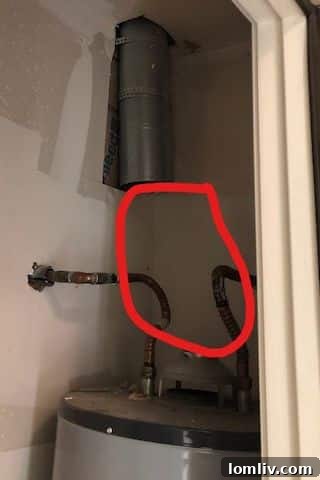
One of the most alarming issues we frequently encounter during water heater inspections is a disconnected or improperly installed flue pipe. The flue pipe is a crucial component responsible for safely venting dangerous combustion gases, including carbon monoxide (CO), out of your home. Gas-fired water heaters produce these byproducts as part of their normal operation. When this pipe is compromised – perhaps never correctly installed, loosened over time due to vibrations, or accidentally dislodged during routine maintenance or a repair – it creates an immediate and severe health hazard for anyone in the vicinity.
Imagine this scenario: your gas water heater quietly burns fuel to heat water, but instead of the byproduct gases being directed safely outdoors through the chimney or dedicated vent, they accumulate in an enclosed space like a utility closet, basement, or even a garage. Carbon monoxide is an insidious “silent killer” because it is an invisible, odorless, and tasteless gas. Early exposure symptoms are often mistaken for the flu, including dizziness, headache, nausea, and fatigue. In more severe cases, exposure can lead to confusion, disorientation, loss of consciousness, permanent brain damage, and even death. A properly functioning, securely connected flue pipe with an adequate upward slope and proper clearances ensures these toxic gases are safely expelled, maintaining healthy indoor air quality and protecting your family’s well-being. Always ensure your flue pipe is free of rust, holes, or blockages, and is securely fastened to the water heater draft hood and the main vent system. Furthermore, installing UL-listed carbon monoxide detectors on every level of your home, especially near sleeping areas, is a non-negotiable safety measure that could save lives.
Water Where It Shouldn’t Be: The Improperly Discharging Drain Pan
Water heaters, by their very nature, contain significant amounts of water under pressure and temperature. Leaks, while ideally prevented through regular maintenance, are a real possibility due to corrosion, cracks in the tank, or failures of internal components and valves. This is where the water heater drain pan comes into play. Positioned strategically beneath the unit, its primary purpose is to catch any leaking water, preventing it from damaging your floors, walls, and potentially the structural integrity of your home. However, merely having a drain pan isn’t enough; it must be correctly installed and, critically, properly plumbed to discharge any collected water to an appropriate and safe location.
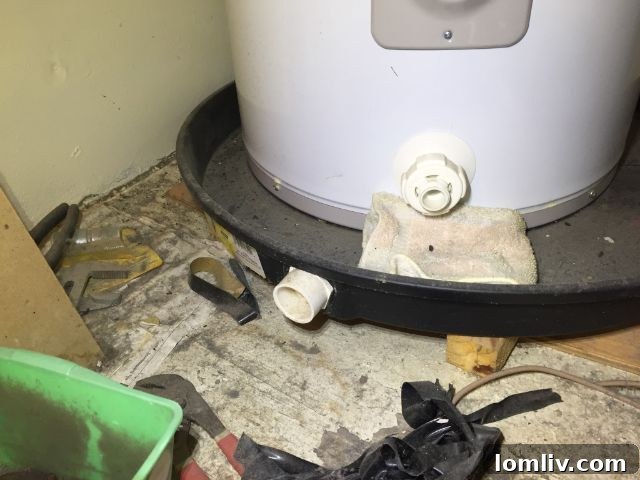
During our inspections, we frequently find drain pans that are either entirely missing, too small for the water heater, or, as vividly illustrated in the provided photo, without a proper drainage connection. In the depicted image, someone has placed a towel to absorb water from a slow leak – a temporary, ineffective, and ultimately insufficient fix for a serious problem. That open pipe originating from the drain pan is specifically designed to be connected to a dedicated drainage line that carries water safely away from the living space, typically to an exterior location, a utility sink, or a designated floor drain. Without this essential connection, the drain pan will eventually overflow, rendering it completely useless and allowing water to spread unchecked across the floor. This can lead to extensive water damage, the growth of hazardous mold and mildew, and costly structural repairs that could have been easily avoided. A properly installed drain pan with a clear, unobstructed discharge line is paramount for preventing water damage and maintaining a healthy and dry living environment.
It’s also essential to highlight the critical role of the Temperature and Pressure (T&P) relief valve. This indispensable safety device is engineered to release water if the pressure or temperature inside the tank becomes dangerously high, preventing a potential explosion. The T&P valve’s discharge pipe should always extend to within six inches of the drain pan or an approved drain, ensuring that any discharge from this safety valve is safely contained and directed away from occupied spaces. An improperly installed or absent T&P discharge pipe is a significant safety violation and a fire/explosion hazard.
Too Close for Comfort: Heat Sources and Combustible Materials
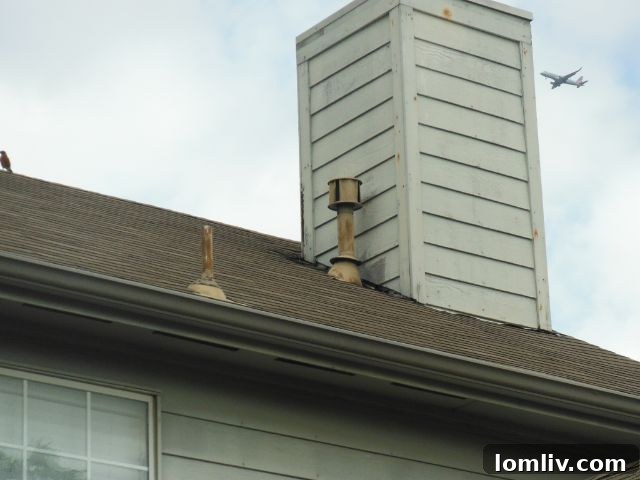
Safety clearances around heat-producing appliances are not mere suggestions; they are non-negotiable requirements based on stringent building codes and fire safety standards designed to protect homes and their occupants. The vent pipe of a water heater, which expels hot exhaust gases from the combustion process, can reach extremely high temperatures during operation. As seen in another concerning inspection find, a water heater vent pipe was installed with a complete disregard for safety, coming out directly against the wooden siding on a chimney. This is an egregious example of poor workmanship, a clear violation of safety codes, and a severe fire hazard.
When hot surfaces, such as a water heater’s vent pipe or the unit itself, are in direct or very close contact with combustible materials like wood framing, drywall, insulation, or even household items stored nearby (e.g., cardboard boxes, clothing, cleaning supplies), the risk of ignition is dramatically increased. Over time, constant exposure to high heat can dry out and weaken these materials, a process known as pyrolysis, which significantly lowers their ignition point and makes them highly susceptible to catching fire. Building codes specify minimum clearances (ee.g., typically 1 to 6 inches, depending on the material and appliance type) that must be maintained around vent pipes and the water heater unit itself. These clearances ensure adequate air circulation and prevent heat transfer that could lead to smoldering, charring, or direct flames. Always check that no combustible materials are stored too close to your water heater or its venting system, and that all vent piping maintains appropriate distances from walls, ceilings, and other structural components. Professional installation adheres to these critical safety standards, preventing avoidable tragedies.
Beyond the Basics: Other Critical Water Heater Inspection Points
While flue pipes, drain pans, and proper clearances are common culprits for concern, a comprehensive water heater inspection covers much more to ensure safety, efficiency, and longevity. Here are additional vital points our inspectors meticulously examine, providing a holistic view of your water heater’s condition:
- Age and Overall Condition: Most conventional tank water heaters have a lifespan of 8-12 years. An older unit, even if currently functioning, is more prone to failure, leaks, and reduced energy efficiency. Visible signs of rust or corrosion on the tank, connections, or piping are immediate red flags indicating potential leaks or impending failure.
- Sediment Buildup: Over time, minerals present in your water can accumulate at the bottom of the tank. This sediment acts as an insulator, reducing heating efficiency, causing strange rumbling or popping noises (known as “kettling”), and can lead to premature tank failure by eroding the tank lining.
- Anode Rod Condition: Often called the “sacrificial rod,” the anode rod is designed to corrode instead of the tank’s interior, protecting the steel tank from rust and extending its lifespan. A depleted anode rod can accelerate tank corrosion, leading to costly leaks.
- Expansion Tank Functionality: For closed-loop plumbing systems, an expansion tank is crucial. It absorbs the thermal expansion of water during heating cycles, protecting the water heater and the entire plumbing system from excessive pressure fluctuations that can damage pipes and fixtures.
- Electrical/Gas Connections and Shut-offs: Ensuring electrical wiring is properly sized, securely connected, and free from damage is essential for electric water heaters. For gas units, verifying that gas lines are leak-free, properly installed, and equipped with accessible shut-off valves is paramount for safety.
- Proper Strapping and Support: In seismic zones, water heaters must be adequately strapped to the wall studs to prevent tipping during an earthquake. A falling water heater can rupture gas lines, electrical conduits, or water pipes, leading to fires, explosions, or severe water damage.
- Venting System Integrity (Beyond Flue Connection): The entire vent system should be checked for proper materials (e.g., double-wall metal for gas), correct slope for condensation drainage, absence of obstructions (like bird nests), and a safe termination point (e.g., not near windows or fresh air intakes).
The Indispensable Value of a Professional Home Inspection
Attempting to self-diagnose complex water heater issues can be challenging and, in many cases, dangerous. This is where the expertise of a professional home inspector becomes invaluable. Our certified inspectors possess the training, experience, and specialized tools to meticulously examine every aspect of your water heater’s installation and condition, often identifying hidden dangers or minor deficiencies before they escalate into major, costly problems. They go beyond surface-level observations, delving into compliance with local building codes, manufacturer specifications, and safety standards, offering insights that typical homeowners might miss.
Whether you’re buying a new home and need a thorough pre-purchase assessment or simply ensuring the longevity and safety of your current residence through preventative maintenance, a professional inspection provides peace of mind. For homebuyers, it offers critical insights into potential negotiation points and future maintenance costs, allowing for informed decisions. For current homeowners, it’s a proactive measure to safeguard your property and loved ones, ensuring appliances are running efficiently and safely. Don’t wait for a flood, a fire, or a carbon monoxide alarm to signal a problem; let a professional assessment guide your maintenance decisions and prevent costly emergencies.
Your Water Heater’s Health is Your Home’s Health
Your water heater, though often out of sight, plays an undeniable and crucial role in your home’s functionality, comfort, and safety. From the daily convenience of hot water for essential tasks to the critical safety aspects of venting hazardous gases and preventing devastating leaks, its proper installation and operation are paramount. The issues highlighted in this article – disconnected flue pipes creating carbon monoxide risks, improperly discharging drain pans leading to water damage, and dangerous proximity to combustible materials causing fire hazards – are just a few examples of the preventable dangers that professional home inspections are designed to bring to light.
By understanding these common inspection finds, homeowners can be more vigilant about the condition of their appliances and recognize when professional attention is needed. Regular maintenance, including periodic checks and timely professional inspections, are not merely expenses; they are vital investments in your home’s safety, efficiency, and your long-term peace of mind. Prioritize the health of your water heater, and in doing so, you prioritize the health and safety of your entire home. For detailed assessments, expert advice, and comprehensive home inspection services, always turn to trusted professionals like Green Scene Home Inspections.