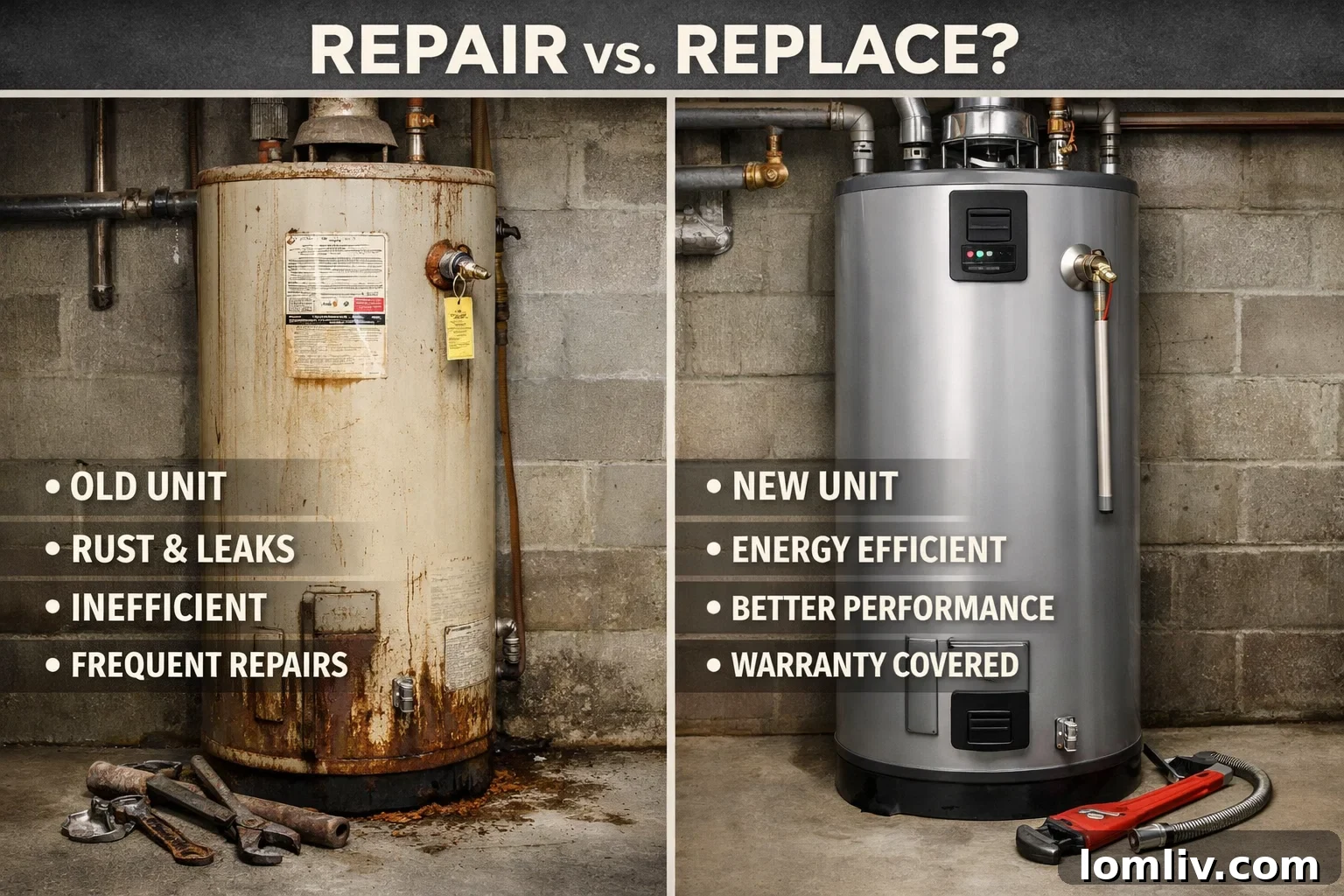
In the modern home, few appliances are as essential as a reliable water heater. It silently powers many of our daily routines, from invigorating morning showers and maintaining impeccable laundry to efficient dishwashing. The convenience of readily available hot water is often taken for granted until a problem arises. When a water heater malfunctions, it can abruptly disrupt comfort and daily schedules, turning simple tasks into frustrating challenges. Understanding common issues and knowing when to tackle a do-it-yourself repair versus calling in a professional can save homeowners time, money, and significant inconvenience. Early identification of symptoms is key, empowering you to make informed decisions about your home’s hot water supply.
This comprehensive guide delves into the most frequent water heater problems, offering clear explanations, practical troubleshooting tips, and advice on when to seek expert assistance. By familiarizing yourself with these common issues, you can often diagnose problems early, potentially preventing more extensive and costly repairs down the line.
No Hot Water At All: A Chilling Revelation
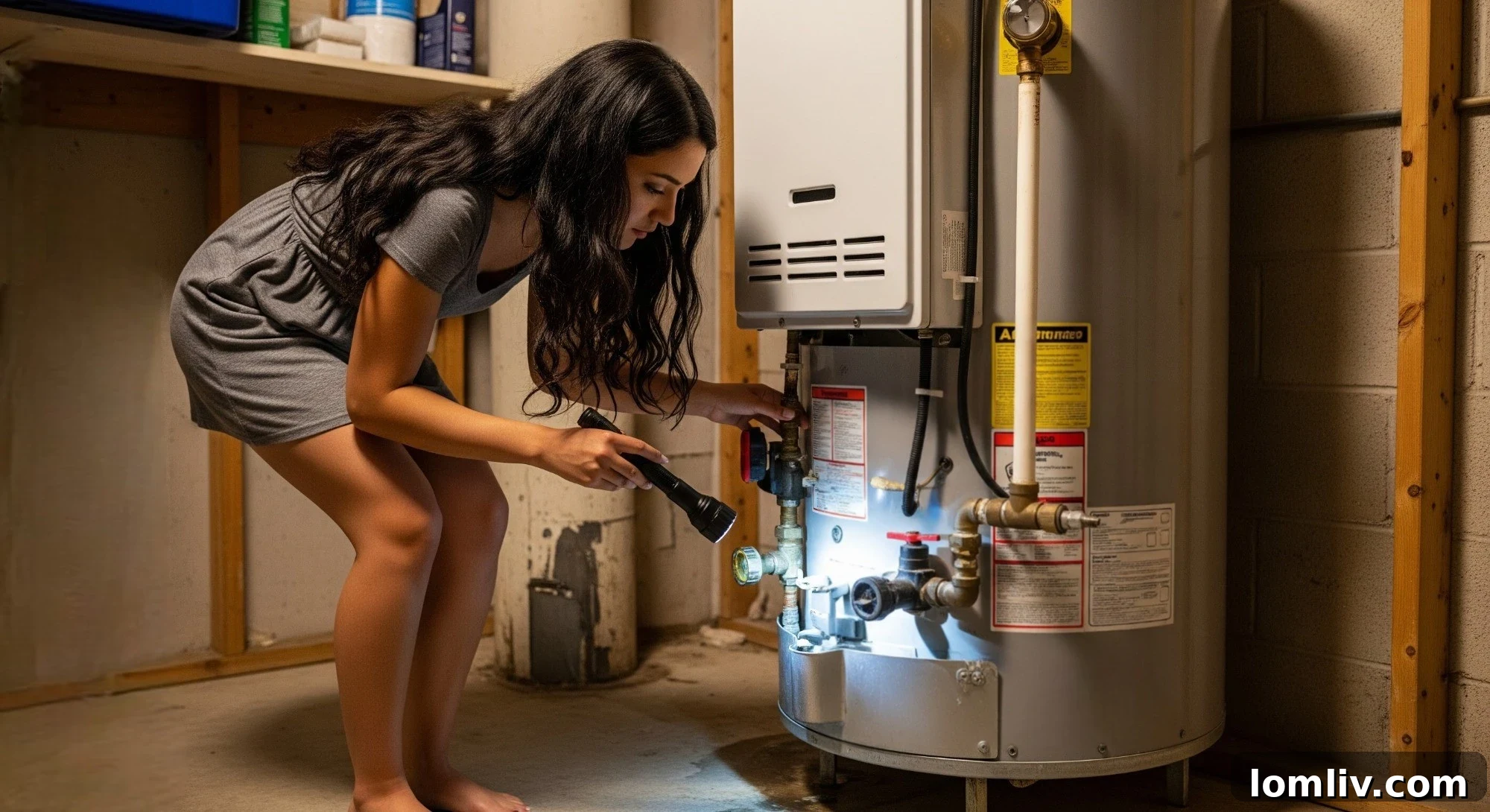
Discovering your water heater has completely stopped producing hot water is arguably one of the most immediate and disruptive problems homeowners face. Before panic sets in, a few basic checks can often pinpoint the cause and even resolve the issue without professional intervention.
For Electric Water Heaters:
- Check the Electrical Panel: The first step is to visit your home’s main electrical panel. Look for any tripped circuit breakers. A circuit breaker might trip due to an overload or a short circuit, cutting power to your water heater. If you find a tripped breaker, firmly switch it completely off and then back on. If the breaker trips again immediately or frequently, this indicates a more serious electrical problem that warrants professional attention, as it could signal an issue with the heating elements or the wiring itself.
- Examine the Reset Button: Many electric water heaters have a red reset button, typically located behind an access panel on the unit itself. If the high-temperature limit switch trips (often due to overheating), this button will pop out, cutting power. Press it firmly. If it clicks back in, power may be restored. If it trips again quickly, there might be a problem with the thermostat or a persistent overheating issue.
For Gas Water Heaters:
- Inspect the Pilot Light: If your gas water heater isn’t producing hot water, the most common culprit is often a pilot light that has extinguished. This small flame is crucial for igniting the main burner. Check the viewing window on the gas control valve to see if it’s lit. If it’s out, carefully follow the manufacturer’s instructions printed on the unit for relighting it. This usually involves turning the gas control knob to ‘pilot,’ pressing it down, and igniting with a piezo igniter or a long match. Gas safety is paramount; if you smell gas or are uncomfortable performing this task, call a professional immediately.
- Check the Thermocouple: The thermocouple is a safety device that senses if the pilot light is lit. If it fails, it will shut off the gas supply, even if the pilot is ignitable, as a safety measure. While a DIY replacement is possible for experienced individuals, it’s often best left to a qualified technician, especially if you’re uncertain.
If these initial steps do not resolve the issue, the problem likely lies with more complex components such as a faulty heating element (in electric models), a malfunctioning thermostat (in both gas and electric models), or a defective gas control valve (in gas models). These components require specialized knowledge and tools for safe diagnosis and repair. At this point, homeowners typically consider professional water heater repair services to accurately identify and address the underlying cause, ensuring safe and effective resolution.
Water Isn’t Hot Enough: The Lukewarm Letdown
Another common and frustrating issue is when your water heater produces water that is consistently too cool, or runs out of hot water far too quickly. This can turn a relaxing shower into a miserable experience and make household chores less effective. Several factors can contribute to this problem, ranging from simple adjustments to more complex internal issues.
Temperature Setting Issues:
- Check Your Thermostat Setting: The first and easiest check is the temperature setting on your water heater’s thermostat. Many units leave the factory set at a default of 120°F (about 49°C), which is considered the optimal balance between safety, efficiency, and comfort for most households. If the setting has been inadvertently lowered, perhaps by a child or during a maintenance check, simply turning it up a bit may significantly improve your hot water supply. However, exercise caution: avoid setting the temperature too high (above 120°F-125°F) as this dramatically increases the risk of scalding, especially for young children and the elderly, and can also lead to higher energy consumption.
Sediment Buildup in the Tank:
Over time, minerals present in your water supply, such as calcium and magnesium, can accumulate at the bottom of the water heater tank. This hard, crusty sediment creates an insulating layer between the heating element (or burner flame in gas units) and the water itself. The result is significantly reduced heating efficiency, as the heater has to work harder and longer to transfer heat to the water. This also severely limits the volume of hot water available, as the sediment takes up space and impedes efficient heat transfer. Regular tank flushing, ideally once a year, is highly recommended to prevent this issue. Flushing helps remove these mineral deposits, restoring optimal heating performance and extending the lifespan of your unit.
Faulty Heating Elements or Thermostat:
If your electric water heater isn’t heating water sufficiently, one or both of its heating elements might be failing. Electric water heaters typically have two elements – an upper and a lower. If the upper element fails, you might get no hot water at all. If the lower element fails, you might get some hot water, but it will quickly run out. Similarly, a malfunctioning thermostat, which regulates the water temperature, can cause the unit to heat water incorrectly or intermittently. In gas water heaters, a weak burner flame or an issue with the gas valve could be the culprit. These components are critical for proper operation, and if they are suspected to be faulty after basic troubleshooting, a qualified technician should inspect and replace them.
Undersized Water Heater:
Sometimes, the issue isn’t a malfunction but simply that your water heater isn’t large enough to meet your household’s demand. If your family size has grown, or if you’ve added new appliances like a large soaking tub or a high-capacity washing machine, your existing unit might be constantly struggling to keep up. This results in frequently running out of hot water, especially during peak usage times. A professional can help assess your hot water needs and recommend a suitably sized unit or alternative options like a tankless water heater, which heats water on demand.
If the water remains too cold even after adjusting settings, performing a tank flush, and verifying power, it’s a strong indication that internal components such as heating elements or the thermostat require professional diagnosis and potentially replacement. A technician possesses the tools and expertise to safely test these components and ensure your system is running efficiently.
Strange Noises From the Tank: The Symphony of Sediment
It’s natural to be alarmed by unusual sounds emanating from your water heater. Popping, rumbling, hissing, or cracking noises are often a clear indicator of sediment accumulation at the bottom of the tank, a problem that goes beyond mere annoyance.
The Science Behind the Sounds:
As water heats up, it gets trapped beneath layers of mineral deposits. When these pockets of superheated water eventually break through the sediment, they create pressure and cause the distinct popping or rumbling sounds you hear. Think of it like boiling water in a pot with rocks at the bottom; the water tries to boil but is obstructed. Over time, these sounds can intensify and become more frequent, signaling a significant and growing buildup. Hissing sounds might indicate a small leak or a pressure issue, while crackling could be sediment reacting to heating cycles.
Impact on Efficiency and Lifespan:
While some minor sounds are normal for any appliance, persistent or loud noises are a tell-tale sign of a considerable sediment accumulation. This buildup not only reduces the water heater’s heating efficiency, forcing it to consume more energy to achieve the desired temperature, but also places undue stress on the tank itself. The repeated heating and cooling of the sediment can lead to thermal expansion and contraction, which can weaken the tank’s lining and integrity over time. Ultimately, this can shorten the lifespan of the water heater and potentially lead to premature failure.
Addressing the Noise:
Flushing out the tank annually is the most effective way to reduce the amount of sediment and, consequently, the associated noises. This maintenance task involves draining the tank to clear out the accumulated minerals. If the sounds persist or worsen even after regular maintenance, or if you begin to hear metallic grinding or knocking sounds, it might indicate more severe internal issues, such as a deteriorating heating element or a compromised tank lining. In such cases, having the system checked by a professional is highly advisable to prevent further damage and ensure safety.
Water Leaks Around the Heater: A Drip That Signals Danger
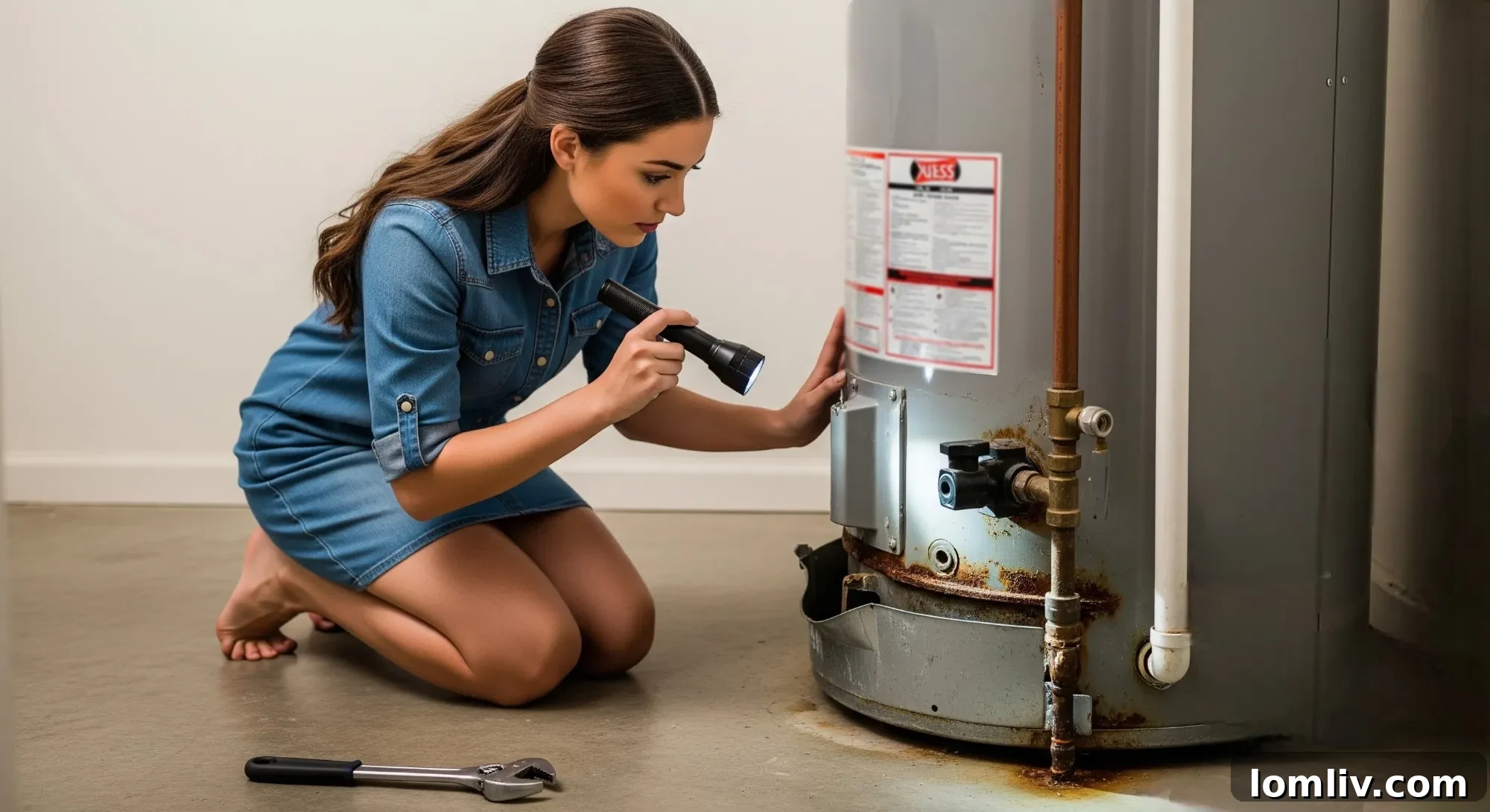
Water accumulation at the base of a water heater is a serious issue that demands immediate attention. Leaks, regardless of their size, can lead to significant water damage, mold growth, and ultimately, a complete failure of the unit. Identifying the source of the leak is crucial for determining the appropriate course of action.
Common Leak Points:
- Inlet and Outlet Pipes: Begin your inspection by closely examining the cold water inlet and hot water outlet pipes at the top of the unit. Connections can loosen over time due to vibrations or temperature changes, leading to drips or slow leaks. Often, simply tightening these connections with a wrench can resolve a minor leak. Check the dielectric unions, if present, as they can also be a source of leaks.
- Temperature and Pressure (T&P) Relief Valve: This crucial safety device is designed to open and release water if the pressure or temperature inside the tank exceeds safe limits, preventing an explosion. A T&P valve that frequently drips or constantly releases water may indicate excessive pressure within the tank (which needs professional investigation) or a faulty valve itself. While a small drip might be manageable, consistent leaking from the T&P valve should not be ignored and often requires replacement of the valve.
- Drain Valve: Located near the bottom of the tank, the drain valve is used for flushing sediment. If this valve becomes loose or corroded, it can also develop a leak. Tightening it or replacing the valve, if damaged, can often fix the problem.
- Anode Rod Opening: The anode rod screws into the top of the tank. If its connection is loose or if the gasket fails, it can be a source of a leak.
Internal Tank Leaks and Corrosion:
The most severe type of leak originates from the tank itself. If you’ve checked all external connections and valves and still observe water at the base of the heater, it’s highly probable that the leak is due to internal corrosion. Over years of use, the protective lining of the tank can degrade, and the metal can corrode, eventually leading to small pinhole leaks that expand over time. Unfortunately, internal tank leaks are typically irreparable. Once the tank itself begins to leak, the only viable and safe solution is to replace the entire water heater. Attempting to patch a corroded tank is a temporary fix at best and can be dangerous, as it often signifies a complete structural failure.
Promptly addressing any water leak is paramount. Not only does it prevent further damage to your home, but it also ensures the safe operation of your water heater. If you cannot identify the source of the leak or if it appears to be coming from the main tank, professional intervention is necessary.
Rusty or Discolored Water: A Telltale Sign of Internal Decay
If you turn on your hot water tap and observe a reddish-brown tint or rust particles, but your cold water runs clear, your water heater is almost certainly the source of the problem. This discoloration is a strong indicator of internal corrosion or a failing anode rod within the unit, signaling potential long-term issues.
The Role of the Anode Rod:
The anode rod is a critical, yet often overlooked, component designed to protect the steel interior of your water heater tank from corrosion. Often referred to as a “sacrificial anode,” it is made of a more reactive metal (usually magnesium, aluminum, or zinc) than the steel tank. Instead of the tank corroding, the anode rod “sacrifices” itself by attracting the corrosive elements in the water. As it slowly dissolves, it prevents rust from forming on the tank walls, significantly extending the lifespan of the appliance.
When the Anode Rod Fails:
As the anode rod wears out and completely corrodes away, it can no longer protect the tank. At this point, the corrosive elements in the water will begin to attack the exposed steel interior of the tank, leading to rust. This rust then mixes with your hot water supply, causing the discoloration you observe. Replacing the anode rod can be an effective way to extend the life of your unit if corrosion is in its early stages and the tank itself is still largely intact. It’s a preventative maintenance item that should be checked every few years, depending on your water quality.
Distinguishing From Rusty Pipes:
It’s important to differentiate between rust from your water heater and rust from your home’s plumbing pipes. If both your hot and cold water taps produce rusty water, the problem likely lies with your main water supply line or the internal galvanized pipes throughout your home. However, if only the hot water is discolored, the water heater is almost certainly the culprit.
Implications of Persistent Rust:
If rust persists even after replacing the anode rod or if the problem has been ongoing for a significant period, it may be an indication of advanced tank decay. Unfortunately, once internal tank corrosion is extensive, it cannot be reversed. This widespread corrosion eventually leads to leaks and complete tank failure, at which point replacement is the only safe and practical solution. Ignoring rusty water can lead to contaminated water, reduced appliance lifespan, and eventually, a costly leak.
When Local Assistance May Be Helpful: Expertise at Your Doorstep
While some water heater issues lend themselves to basic troubleshooting and DIY repairs, others necessitate the skilled hands and specialized knowledge of an experienced technician. Understanding when to call a professional is paramount for both safety and effective resolution.
Complex Diagnostics and Repairs:
Many water heater problems involve intricate electrical components, gas lines, or sealed pressure systems. Diagnosing issues like faulty heating elements, thermostats, gas control valves, or intricate leaks often requires specialized tools, such as multimeters for electrical testing or pressure gauges. Attempting complex repairs without proper training can be dangerous, potentially leading to electrical shocks, gas leaks, water damage, or further damage to the appliance.
Safety First:
Working with gas or high-voltage electricity carries inherent risks. Improper handling of gas lines can result in leaks and potential explosions, while mishandling electrical wiring can lead to severe injury or fire. Professional technicians are trained in safety protocols and possess the necessary certifications to work with these systems securely. They understand local codes and regulations, ensuring any repair is compliant and safe for your household.
Value of Local Professionals:
Seeking out a specialist who is familiar with the types of units common in your area, such as Dallas or Phoenix, offers distinct advantages:
- Understanding Local Water Conditions: Water quality varies significantly by region. Local professionals are accustomed to the mineral content and specific water characteristics prevalent in their service areas. This knowledge allows them to more accurately diagnose issues related to sediment buildup, corrosion, and anode rod wear specific to your local conditions.
- Familiarity with Common Equipment Setups: Technicians in a particular region often work with similar brands and models of water heaters and plumbing configurations, making their diagnostic process quicker and more accurate.
- Faster Response Times: Local companies can typically offer quicker emergency services, minimizing downtime and discomfort.
- Compliance with Local Codes: They are well-versed in local building codes and permitting requirements, ensuring all repairs and installations meet necessary standards.
For homeowners needing water heater repair in Phoenix, for example, technicians familiar with the desert climate’s impact on plumbing and the specific water conditions of the region can provide tailored, efficient, and long-lasting solutions. Local professionals can conduct thorough inspections, accurately identify worn-out parts, and provide expert recommendations for maintaining consistent hot water and maximizing your unit’s lifespan. Their expertise extends beyond simple fixes, offering peace of mind and reliable results.
Repair or Replacement: How Do You Go About Making That Decision? Which One?
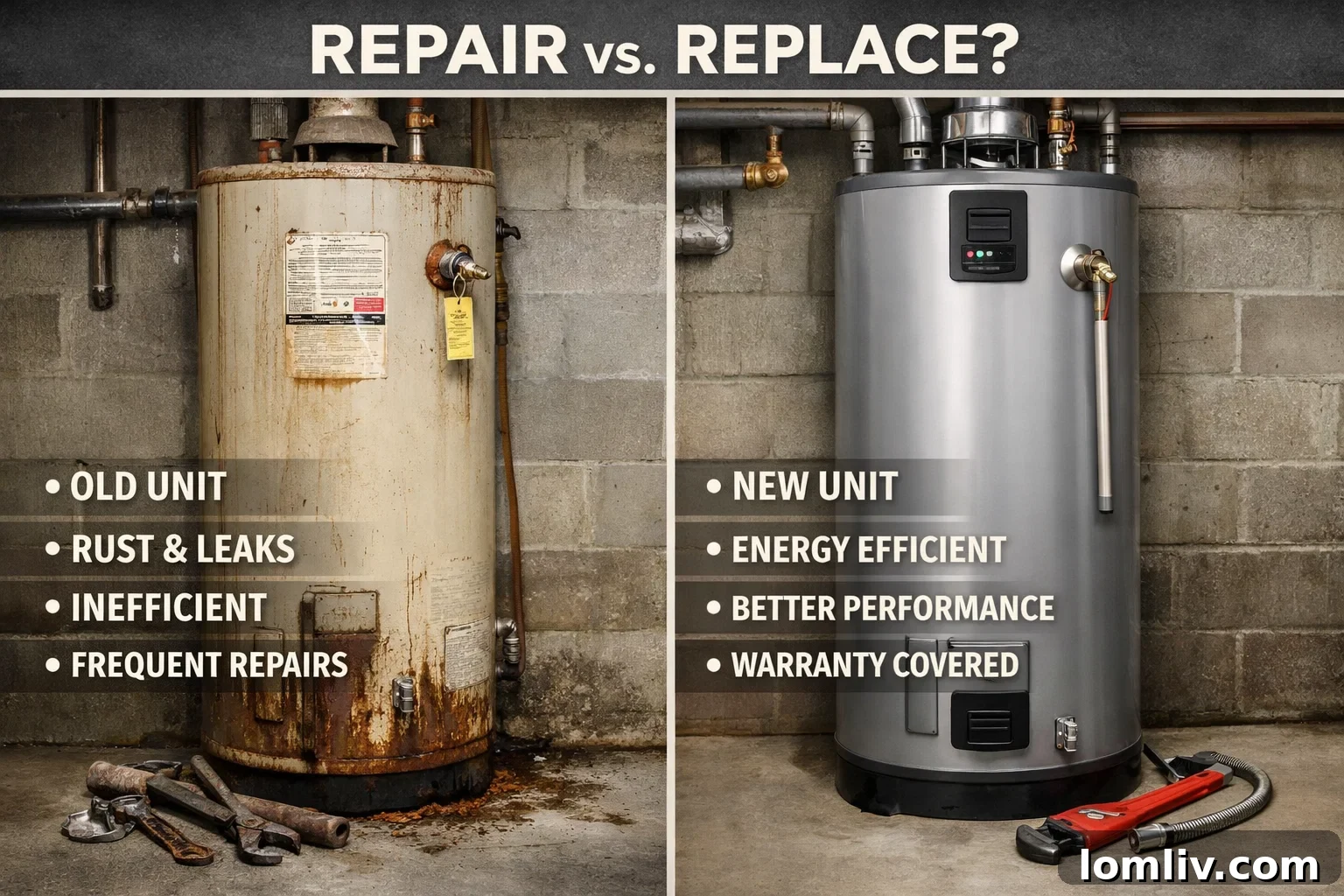
When faced with a malfunctioning water heater, one of the most significant decisions homeowners must make is whether to repair the existing unit or invest in a full replacement. This choice involves weighing several critical factors to ensure both immediate relief and long-term value.
Age of the Unit: A Primary Indicator
The age of your water heater is a paramount consideration. Most traditional tank-style water heaters have a typical lifespan of 8 to 12 years with regular maintenance. If your unit is approaching or has exceeded this age range and is experiencing multiple or recurring issues, replacement often proves to be the more economically sound decision. An older unit is more prone to subsequent failures, and continuous repairs can quickly accumulate, costing more than a new installation.
Cost-Effectiveness of Repair vs. Replacement:
- Repair: If your water heater is relatively new (under 6-7 years old) and experiencing an isolated issue, such as a faulty thermostat, a broken heating element, a minor leak from an external valve, or a worn-out anode rod, a repair is usually the most cost-effective option. These components are generally replaceable, and the cost of repair is significantly less than that of a new unit.
- Replacement: When the repair cost approaches or exceeds 50% of the cost of a new unit, or if the unit is old and suffering from major problems like a leaking tank, extensive corrosion, or multiple failing components, replacement is strongly recommended. The investment in a new water heater will prevent future headaches and potentially save money in the long run.
Energy Efficiency:
Newer water heater models, including traditional tank-style units, tankless water heaters, and heat pump water heaters, are significantly more energy-efficient than older models. Upgrading to an ENERGY STAR certified unit can lead to substantial savings on your utility bills over its lifespan. An older, less efficient unit that requires frequent repairs might be a money pit, costing you more in energy consumption and ongoing maintenance than a new, efficient model.
Types of Replacement Units:
Consider the various types of water heaters available today. While traditional tank heaters are common, tankless water heaters offer on-demand hot water and significant energy savings, albeit with a higher upfront cost. Heat pump water heaters are also highly efficient. A professional can help you assess your household’s hot water demand, budget, and energy-saving goals to recommend the best type of replacement unit.
Long-Term Investment and Warranty:
A new water heater comes with a fresh warranty, providing peace of mind for several years. While a repair might offer a temporary fix, a replacement is a long-term investment in your home’s comfort and efficiency, preventing unforeseen breakdowns and providing reliable hot water for years to come. Routine maintenance, which includes annual tank cleaning and periodic inspections, also plays a crucial role in extending the life of any appliance, old or new, and improving its efficiency.
Ultimately, the decision to repair or replace hinges on a careful assessment of age, repair cost versus replacement cost, energy efficiency benefits, and the overall reliability you expect from your hot water system. Consulting with a qualified plumbing professional is highly recommended to receive an accurate diagnosis and personalized advice tailored to your specific situation.
Final Thoughts: Empowering Homeowners for Consistent Hot Water
Water heaters, while robust, are susceptible to a range of issues, from minor nuisances that can be easily remedied to major malfunctions demanding professional intervention. Understanding these common problems empowers homeowners to be proactive, ensuring a consistent and reliable supply of hot water for their daily needs.
By taking the time to observe basic elements—such as checking the power source or pilot light, verifying thermostat settings, inspecting for visible leaks, and listening for unusual noises—homeowners can often identify simple solutions early. This proactive approach can prevent minor issues from escalating into costly repairs, and in many cases, can even defer the need for immediate professional service.
However, it is equally important to recognize the limitations of DIY troubleshooting. When issues persist, appear to affect internal components, involve gas lines or high-voltage electricity, or indicate significant tank damage, the safest and most effective course of action is to seek out a qualified professional. Expert technicians possess the specialized knowledge, tools, and experience to accurately diagnose complex problems, perform repairs safely, and ensure your water heater operates efficiently and reliably for years to come. Regular preventative maintenance, combined with informed decision-making, is the ultimate strategy for guaranteeing uninterrupted hot water and maximizing the lifespan of this indispensable home appliance.