Understanding and Preventing Water Damage: An In-Depth Guide for Homeowners
For homeowners, few threats are as insidious and destructive as water damage. While often invisible until it’s too late, water can silently compromise a home’s structural integrity, foster unhealthy environments, and lead to incredibly costly repairs. In recent weeks, many property owners have faced the harsh reality of water damage, especially following extreme weather events like the intense winter storms experienced in February.
At Green Scene Home Inspections, our mission is to empower homeowners and prospective buyers with the knowledge needed to protect their investments. Through our ongoing series, “Upon Closer Inspection” for Daltxrealestate.com readers, we dive deep into the often-overlooked issues that can plague a property. This week, our focus is squarely on the pervasive problem of water damage, exploring common culprits and offering expert insights into detection and prevention.
The Pervasive Threat of Water Intrusion: Why Vigilance is Key
Water, essential for life, becomes a destructive force when it enters parts of your home where it doesn’t belong. Its ability to seep into cracks, saturate materials, and remain hidden makes it a formidable foe. Undetected water leaks can lead to a cascade of problems:
- Structural Compromise: Water can weaken wood, corrode metal, and deteriorate concrete, leading to foundation issues, sagging floors, and compromised walls.
- Mold and Mildew Growth: Damp environments are breeding grounds for mold, which can spread rapidly, cause unpleasant odors, and pose significant health risks, especially for individuals with allergies or respiratory conditions.
- Reduced Indoor Air Quality: Mold spores, dust mites, and other allergens thrive in moist conditions, circulating through your home’s ventilation system and affecting the air you breathe.
- Pest Infestations: Many pests, including termites, carpenter ants, and cockroaches, are drawn to damp, decaying wood and moist conditions, exacerbating damage and creating further health hazards.
- Diminished Property Value: Lingering water damage, mold issues, and structural concerns can significantly decrease a property’s market value and make it difficult to sell.
- Expensive Repairs: The cost of remediating water damage, repairing structural issues, and replacing damaged materials can quickly escalate into thousands or even tens of thousands of dollars.
Understanding the signs and sources of water intrusion is the first step in safeguarding your home and your health. Let’s examine some of the most frequently encountered water damage scenarios our inspectors uncover.
Negative Drainage: Directing Trouble Towards Your Home
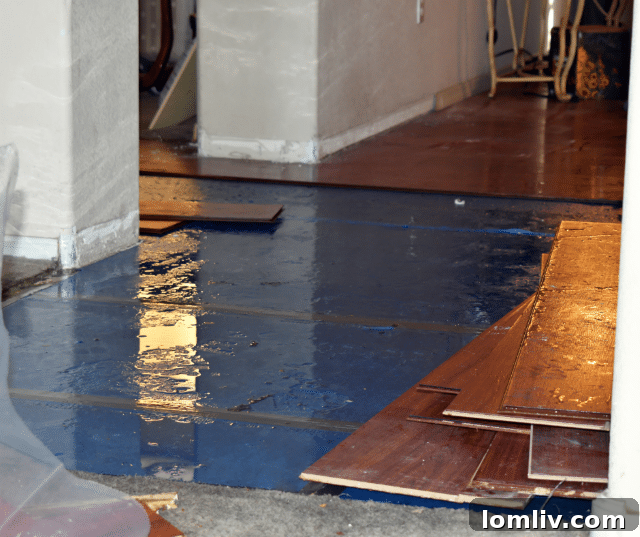
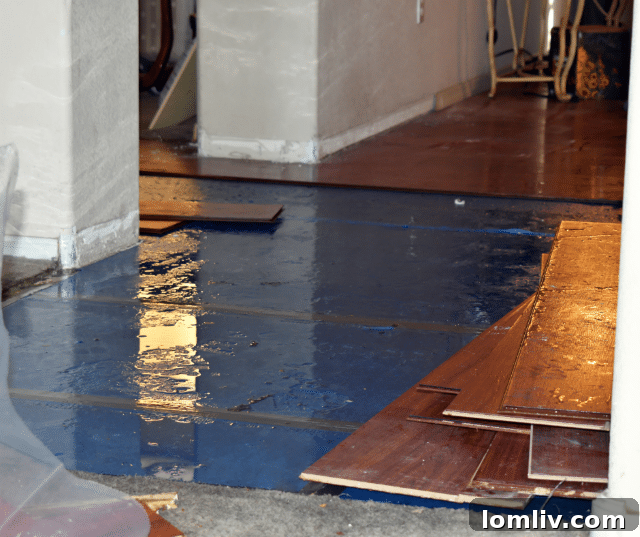
One of the most common and often underestimated causes of significant water damage is negative drainage. Our inspectors frequently observe this issue, often leading to severe problems like water accumulating between floor coverings and the concrete slab.
What is Negative Drainage?
Negative drainage occurs when the ground immediately surrounding your home slopes inwards, directing rainwater and melted snow directly towards your foundation instead of away from it. Over time, this constant flow of water against your foundation walls or under your slab can lead to immense hydrostatic pressure.
Signs of Negative Drainage Damage:
- Discolored or Warped Flooring: A key indicator, especially in areas adjacent to exterior walls, suggesting water has seeped beneath the surface.
- Damp or Musty Basements/Crawl Spaces: Persistent moisture, condensation, or a damp smell are clear warnings.
- Foundation Cracks: Hydrostatic pressure can cause stress on foundation walls, leading to cracks that further allow water intrusion.
- Pooling Water Near the Foundation: Visible puddles after rain are a direct sign of improper grading.
- Efflorescence: White, powdery deposits on basement walls, indicating minerals left behind by evaporating water.
- Pest Activity: Insects and rodents are often attracted to damp environments found in areas with poor drainage.
The Consequences and Solutions:
The implications of negative drainage are severe, ranging from extensive foundation repairs and slab leaks to chronic mold issues. Fortunately, this is often a preventable and correctable problem. Solutions include:
- Regrading: The most effective long-term solution involves resloping the landscape so that it gently slopes away from the foundation at a minimum of 6 inches over the first 10 feet.
- Extending Downspouts: Ensure all downspouts extend several feet away from the foundation, discharging water onto a sloped surface or into a drainage system.
- Maintaining Gutters: Regularly clean gutters to prevent overflows that saturate the ground near your home.
- French Drains: Installing a subsurface drainage system can effectively divert groundwater away from sensitive areas.
- Strategic Landscaping: Avoid planting water-intensive shrubs or trees too close to the foundation.
Water in the Ductwork: A Hidden Reservoir of Problems
During a re-inspection after repairs, one of our Green Scene Home Inspectors encountered an astonishing sight: significant water accumulation within the home’s ductwork. As our team likes to remind everyone, ductwork is definitively not designed to function as a water balloon.
How Water Infiltrates Ductwork:
The presence of water in a home’s heating, ventilation, and air conditioning (HVAC) ducts is a serious issue that often indicates a larger problem. Common sources include:
- Roof Leaks: Water penetrating the attic space can drip onto or into exposed ductwork.
- HVAC Condensation Issues: Malfunctioning or poorly maintained AC coils can produce excessive condensation that overflows the drip pan and seeps into the ducts.
- Plumbing Leaks: Leaking pipes in walls, ceilings, or attics can saturate surrounding insulation and find their way into duct systems.
- Unsealed or Damaged Ducts: Gaps or holes in ductwork can allow moisture-laden air to enter, condense, and collect, especially in unconditioned spaces like attics or crawl spaces.
- Improper Ventilation: High humidity levels combined with inadequate attic ventilation can lead to condensation forming on cold duct surfaces.
The Dangers of Water-Filled Ducts:
Beyond the “crazy surprise” of finding water, the consequences are severe:
- Mold Dispersal: Water in ducts creates an ideal environment for mold growth. When the HVAC system operates, it can spread mold spores throughout the entire living space, leading to respiratory problems, allergies, and other health issues for occupants.
- Reduced HVAC Efficiency: Water and damp insulation inside ducts reduce the system’s ability to heat or cool effectively, leading to higher energy bills.
- Ductwork Degradation: Prolonged exposure to water can corrode metal ducts and destroy fiberglass insulation, necessitating costly replacement.
- Foul Odors: Musty, mildewy smells emanating from vents are a strong indicator of water or mold in the system.
- Electrical Hazards: In extreme cases, water can come into contact with electrical components within the HVAC system, posing a fire or shock risk.
Prevention and Professional Intervention:
Preventing water in ductwork involves a multi-faceted approach:
- Regular HVAC Maintenance: Ensure your HVAC system is serviced annually, including checking condensation pans and drain lines.
- Roof Inspections: Periodically inspect your roof for leaks and address any issues promptly.
- Proper Insulation and Sealing: Ensure ductwork in unconditioned spaces is properly insulated and sealed to prevent condensation.
- Attic Ventilation: Adequate attic ventilation helps control humidity levels, reducing the risk of condensation.
- Plumbing Checks: Address any plumbing leaks in walls, ceilings, or attics immediately.
Foundation Seepage: The Silent Structural Threat
In another critical instance, our inspector meticulously traced the path of a persistent water leak, ultimately discovering it was actively seeping through the home’s foundation slab. Foundation seepage is a particularly alarming form of water damage, as it directly compromises the very base of your home.
Understanding Foundation Seepage:
Foundation seepage refers to water penetrating the foundation structure, whether it’s through the concrete slab, basement walls, or crawl space walls. This can occur for several reasons, often exacerbated by the same negative drainage issues discussed earlier.
Key Causes:
- Hydrostatic Pressure: When the soil around your foundation becomes saturated with water (due to heavy rains, poor drainage, or a high water table), the resulting pressure can push water through cracks or porous areas in the foundation.
- Foundation Cracks: Even hairline cracks can allow water to enter. These cracks can develop due to soil movement, settling, or age.
- Plumbing Leaks Under the Slab: Buried water or sewer lines can develop leaks that saturate the ground directly beneath the foundation, leading to “slab leaks.”
- Poor Foundation Construction: Inadequate waterproofing or faulty construction practices can leave a foundation vulnerable to water intrusion from the outset.
Visible Signs and Hidden Dangers:
Detecting foundation seepage often requires a keen eye and sometimes professional tools. Look out for:
- Wet Basement or Crawl Space: The most obvious sign is visible water, damp spots, or puddles in these lower areas.
- Musty Odors: A persistent earthy or moldy smell, even without visible water, indicates chronic moisture.
- Efflorescence on Walls: White, chalky deposits on concrete or brick walls are mineral salts left behind as water evaporates after seeping through.
- Visible Cracks: Any new or widening cracks in the foundation walls or floor should be investigated.
- Bowing Walls: In basements, hydrostatic pressure can cause walls to bow or bulge inwards, a severe structural concern.
- Interior Damage: Warped floors, peeling paint, or damaged drywall on lower levels can be secondary signs of foundation seepage.
Mitigation and Professional Solutions:
Addressing foundation seepage is crucial for the long-term stability and health of your home. Solutions often require professional expertise:
- Exterior Waterproofing: This involves excavating around the foundation, repairing cracks, applying waterproof coatings, and installing drainage systems like French drains.
- Interior Waterproofing: For existing basements, solutions like interior drainage systems with sump pumps, vapor barriers, and sealants can manage water that enters.
- Slab Leak Repair: Locating and repairing plumbing leaks under the slab is a specialized job, often requiring slab penetration or pipe rerouting.
- Landscape Grading: As with negative drainage, ensuring proper grading away from the foundation is a fundamental preventative measure.
The Indispensable Role of Professional Home Inspections
Whether water is seeping in from the outside, leaking from an internal pipe, or accumulating where it absolutely shouldn’t be, its destructive potential is undeniable. This is where the expertise of professional home inspectors, like those at Green Scene Home Inspections, becomes invaluable. Our detail-oriented approach means we’re trained to spot the subtle clues and tell-tale signs of water damage that most homeowners might miss.
A thorough home inspection can identify vulnerabilities before they escalate into major problems, providing you with a comprehensive understanding of your property’s condition. This is particularly crucial after periods of extreme weather, which can expose weaknesses in even well-maintained homes. Investing in regular inspections is not just about identifying existing damage; it’s about proactive maintenance, risk mitigation, and protecting your most significant asset.
Conclusion: Stay Vigilant, Stay Dry
Water damage is a pervasive and often hidden threat to the integrity and health of your home. From issues like negative drainage directing water towards your foundation, to unexpected accumulations within your ductwork, or insidious seepage through your foundation slab, the consequences can be profound.
By understanding the common causes, recognizing the early warning signs, and implementing preventative measures, homeowners can significantly reduce their risk. Don’t wait for visible damage to appear; be proactive in inspecting your property, especially after severe weather. If you suspect water intrusion or simply want peace of mind, enlist the expertise of certified professionals. Remember, timely detection and intervention are your best defense against the destructive power of water, ensuring your home remains a safe, dry, and valuable sanctuary for years to come.