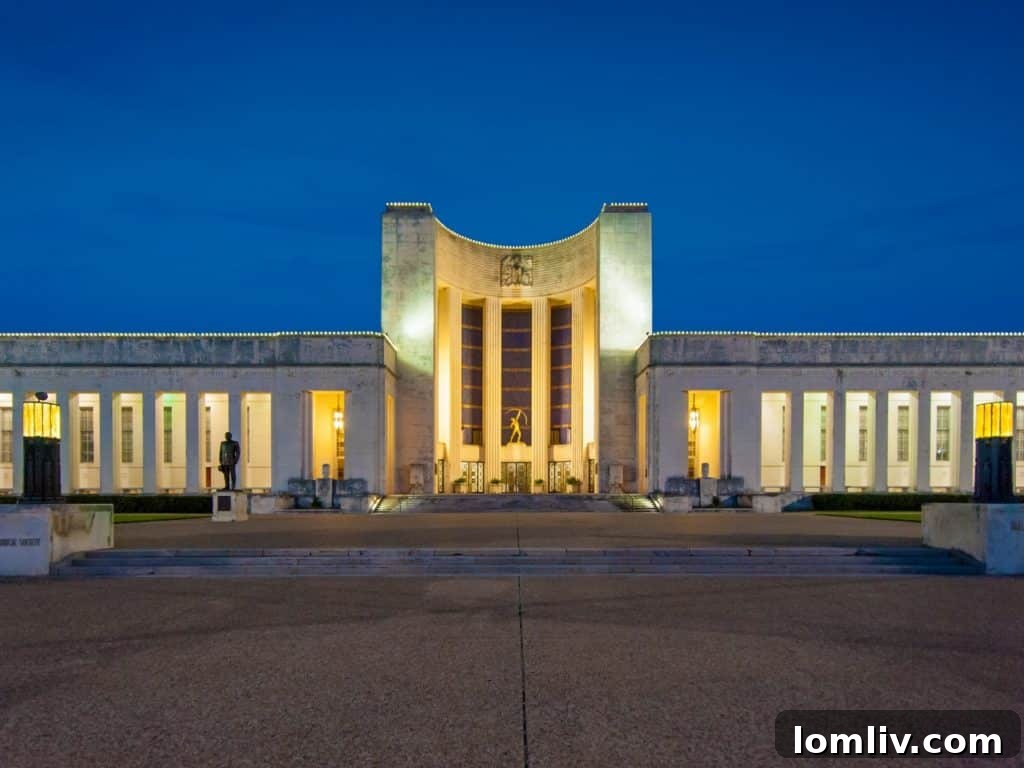
A significant development has emerged regarding the hotly debated Fair Park privatization plan in Dallas. Recent reports from within City Hall suggest that the controversial proposal, spearheaded by local figure Walt Humann, is facing considerable legal challenges and may soon be withdrawn. This comes as a crucial turning point for the future management and revitalization of one of Dallas’ most historic and culturally significant landmarks.
Dallas City Attorney’s Opinion: A Pivotal Shift for Fair Park Management
Just last week, an anonymous, yet highly credible, source provided a pivotal insight into the ongoing Fair Park debate. According to this source, the Dallas City Attorney’s office is reportedly advising Mayor Mike Rawlings that the current Fair Park management plan, often referred to as the Humann plan, is legally unsound. The core issue revolves around the necessity for a transparent and competitive bidding process, specifically Request for Proposals (RFPs), which the initial plan conspicuously bypassed. The source revealed:
“The city attorney’s office is now telling Mayor Rawlings that the Humann plan won’t fly, that they were wrong, and they do need to open the bid up to RFPs.”
For a local blogger dedicated to real estate and urban development in Dallas, this kind of exclusive tip demanded thorough verification rather than immediate publication. Attempts to contact the Dallas City Attorney’s office last week, and again earlier this week, yielded no immediate response. An email inquiry sent to Paul Simms, a key contact, resulted in a swift reply indicating he had no knowledge of such specific legal developments at that time. However, the persistent whispers and growing unease surrounding the plan within official circles were undeniable.
The situation gained significant public traction and further validation when veteran journalist Jim Schutze, writing for the Dallas Observer, published an early morning report confirming the swirling rumors. Schutze’s article vividly painted a picture of the Humann plan potentially being “on its deathbed,” citing anonymous sources within City Hall who suggested a new, adverse legal opinion from the city attorney’s office was the primary catalyst for its impending collapse. As Schutze aptly put it in his report:
“…close observers around town are beginning to place bets on strong rumors that the Walt Humann Fair Park deal will fall apart soon. The ostensible reason – the one for public consumption — would be that a new adverse city attorney opinion says it wasn’t done right.”
This development sends significant ripples through the Dallas political landscape and deeply impacts the community invested in Fair Park’s future. It underscores the critical importance of due process, transparency, and legal adherence in managing precious public assets.
The “Significant Value” Clause: Legal Hurdles for the Humann Plan
The core of the legal challenge and the City Attorney’s shift in opinion lies in the interpretation of state law concerning exemptions from competitive bidding. The initial justification for bypassing standard RFPs for the Humann plan hinged on a specific clause that allows for the direct assignment of a management contract to a nonprofit entity that “has provided significant value” to the asset being managed. However, critics, including outspoken Council Member Phillip Kingston, have consistently argued that Walt Humann’s contributions, while well-intentioned, do not meet this stringent legal threshold.
According to the anonymous sources and corroborated by Schutze’s reporting, the City Attorney’s office may have initially misjudged this crucial legal nuance. Kingston’s perspective highlights a critical distinction in the law:
Kingston thinks all the stuff Humann did was for his own benefit, not the park’s, and can’t be counted toward the exemption in the law: “The language under which Walt’s foundation could be exempted from the general requirement says you do not have to bid it out if you are assigning a management contract to a nonprofit management company that has provided — and that’s key language, ‘has provided’ — significant value to the park or asset to be managed.” Humann’s group, if there really is such a thing, is brand new and has never raised a nickel. Humann has said he will raise money to match the city’s contribution after the city makes the contribution, which is a little bit backward from what the law seems to anticipate, kind of like agreeing to help the poor if the poor will agree to get rich first.
This argument is compelling and highlights a fundamental issue. The legal requirement explicitly specifies “has provided” value, implying a verifiable track record of tangible contributions to Fair Park. Humann’s newly formed entity, without a history of significant fundraising or direct investment in the park’s existing infrastructure or programming, struggles to meet this prerequisite. The proposal that future fundraising would be contingent upon an initial city contribution further complicates any claim of “significant value” already provided. Contesting this point in court could lead to protracted and costly legal battles, potentially wasting millions of taxpayer dollars on litigation rather than on actual park improvements.
The Enduring Question: Why Were RFPs Bypassed for Fair Park?
The question of why competitive bids were initially sidestepped has been a contentious and central point of debate for months, raised by various community leaders, public officials, and media outlets. This fundamental query dates back to an August panel discussion hosted by daltxrealestate.com publisher Candy Evans, where urban development expert Jon Anderson first spotlighted the glaring absence of RFPs as required by state law. The very same critical question was powerfully reiterated by Council Member Phillip Kingston during a City Council briefing on Fair Park on August 29th.
Competitive bidding processes, or Requests for Proposals (RFPs), are not merely bureaucratic formalities; they are standard and vital practices for managing public projects and assets for several crucial reasons. They ensure transparency in public spending, foster fair competition among potential managers, and are meticulously designed to secure the best possible value and most effective management solution for valuable public resources. Bypassing this process not only raises serious legal eyebrows but also sparks legitimate concerns about potential favoritism, stifled innovation, and the very real possibility of overlooking superior proposals that could genuinely benefit Fair Park and its surrounding communities more effectively.
Schutze suggests that this new legal opinion might offer Mayor Rawlings a diplomatic and face-saving way to extricate Walt Humann, a respected gentleman who has dedicated three years to developing this specific plan, from what has become a challenging and legally precarious situation. It provides a justifiable legal reason for a graceful exit, acknowledging the significant effort while steadfastly upholding fundamental legal principles and public trust.
A Vision Lacking Depth: Beyond Mere Building Repairs for Fair Park
The Humann plan’s critics have consistently argued that its vision for Fair Park was fundamentally flawed, lacking a truly comprehensive, sustainable strategy for urban development that integrates the park with its surroundings. Schutze’s characterization of the proposal as a “good-old-geezer deal” conceived without any competitive proposal process underscores the perception of a plan developed in isolation rather than through a rigorous and open public vetting process. The “big entrepreneurial idea” at its heart was largely focused on simply “fix[ing] up the buildings.” But as critics, and Schutze, provocatively asked: “And then what?”
Radio silence.
This silence speaks volumes about the perceived shortcomings of the original proposal. A truly transformative plan for a public asset as significant as Fair Park needs to extend far beyond mere structural repairs or cosmetic upgrades. It must embody a robust real estate strategy, grounded in principles of equitable community development, long-term economic sustainability, and genuine social impact. The Humann plan, as initially presented, conspicuously failed to articulate a clear and compelling pathway to uplift the surrounding neighborhoods, create sustainable economic opportunities for residents, and foster a self-sufficient ecosystem that would reduce its perpetual reliance on taxpayer funding.
Instead of prioritizing the park’s immense potential as a catalyst for broader community benefits and a vibrant urban core, the plan appeared to overlook the critical need for deep, meaningful community engagement and collaborative partnerships with a diverse array of private foundations, businesses, and local stakeholders. Such an approach could have forged a viable path toward true self-sufficiency for Fair Park, ensuring it not only thrives as a premier Dallas attraction but also serves as an integrated, vibrant, and beneficial part of the broader South Dallas fabric. This significant oversight was something many astute observers, including our own publication, noted immediately.
The State Fair Conundrum and the Demand for Taxpayer Accountability
Adding another layer of complexity and contention to the Fair Park debate is the long-standing and often-criticized arrangement with the State Fair of Texas. As Schutze shrewdly points out, Mayor Rawlings’ initial appointment of Humann was seemingly an attempt to preempt other proposals and streamline the process. Consequently, the resulting plan carefully avoided disrupting the State Fair’s existing lease deal, a deal many consider highly unfavorable to the city. The proposal instead focused almost entirely on taxing Dallas citizens “hundreds of millions of dollars” to fund necessary building renovations, leaving the contentious State Fair lease agreement untouched and unaddressed.
This situation can be aptly likened to a landlord dealing with a problematic tenant on a valuable property. Fair Park, a vast public property encompassing 277 acres, hosts the State Fair for a mere 23 days a year. The central question then becomes: Is this “tenant” adequately fulfilling its responsibilities to maintain and invest in the property for the remaining 342 days? Opinions on this vary significantly among City Council members, reflecting a broader division within the community regarding the State Fair’s role and contribution.
However, a growing and palpable sentiment among Dallas taxpayers, particularly those residing north of I-30, indicates a deep-seated frustration. Many are weary of continuously funding maintenance and significant improvements for Fair Park with what they perceive as minimal, or at best, an inadequate return on their investment. They are demanding greater accountability, increased transparency, and a more equitable arrangement that genuinely benefits the entire city, not just a select few or a limited annual event. The substantial financial burden on taxpayers for a facility that sees limited comprehensive public use outside a short annual event is increasingly difficult to justify, especially when more pressing urban challenges across the city compete for critical municipal funds.
The potential collapse of the Humann plan, therefore, represents a significant opportunity for a fundamental re-evaluation of Fair Park’s future management and development. It underscores the urgent need for a transparent, inclusive, and legally robust process to determine the best path forward for this cherished Dallas landmark. This revised process must prioritize the long-term sustainability and vibrancy of Fair Park, its meaningful integration with the surrounding South Dallas communities, and a clear, demonstrable return on investment for all Dallas taxpayers. The renewed call for RFPs is not merely a legal technicality; it is a fundamental demand for a fair, competitive approach that ensures Dallas gets the most value and impact from one of its most cherished public assets.
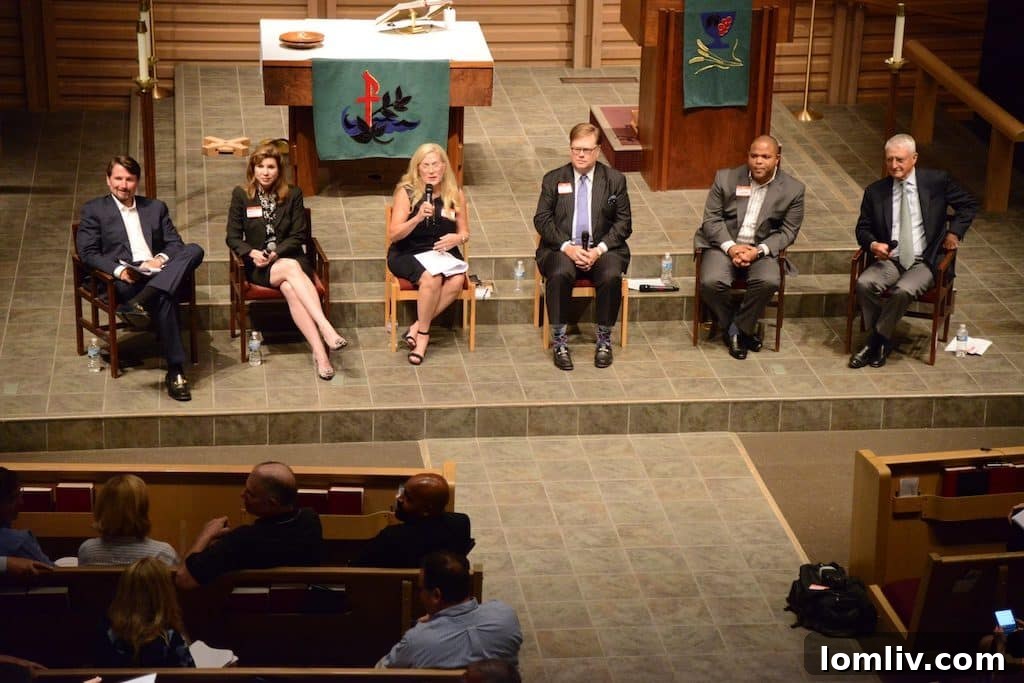
As this critical debate unfolds and new possibilities emerge, I must conclude this update as I am off to hear the latest discussions on the Humann plan at Midway Hills Christian Church. Expect a full report soon on the continuing developments surrounding Fair Park’s uncertain, yet potentially promising, future.