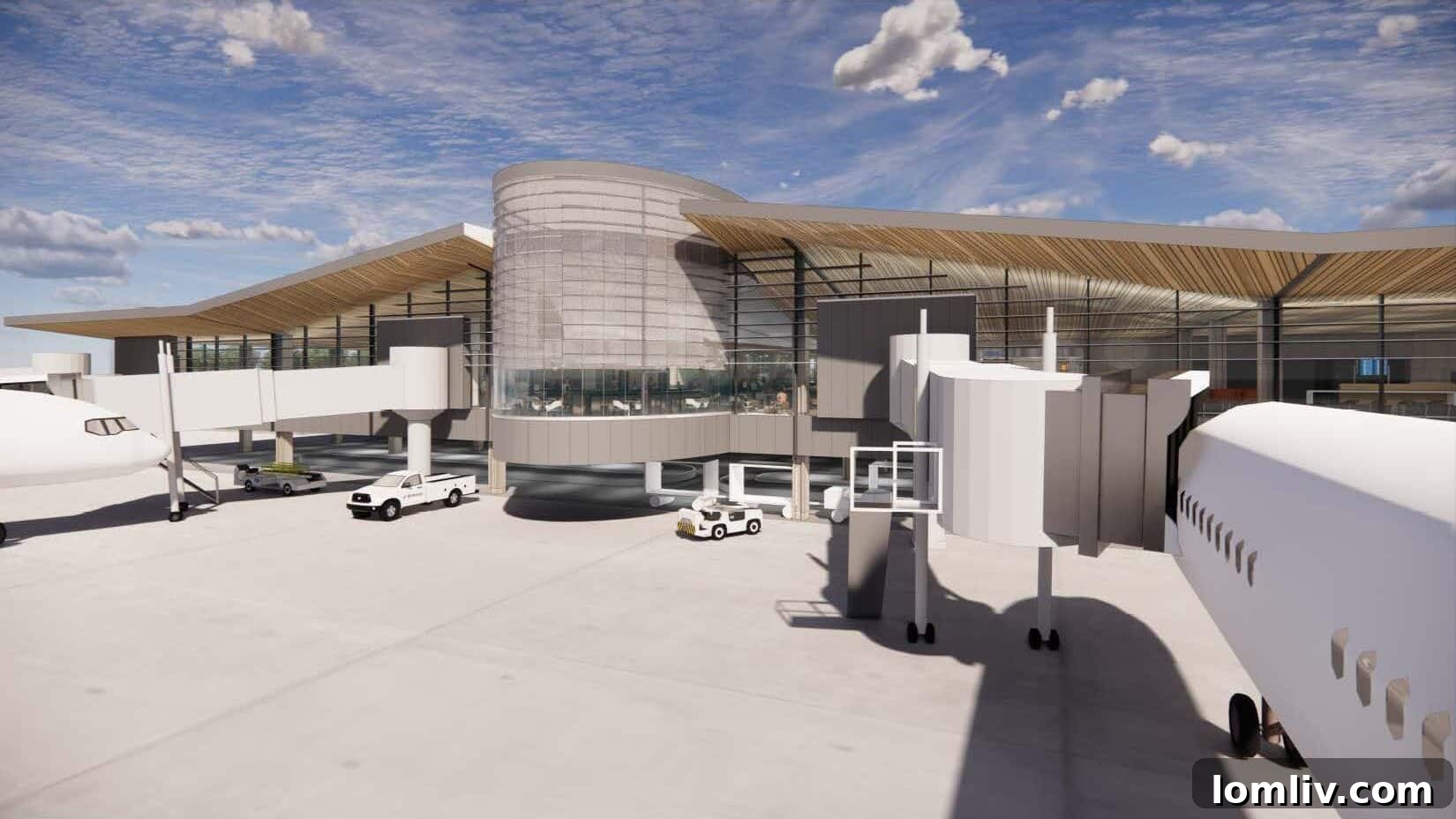
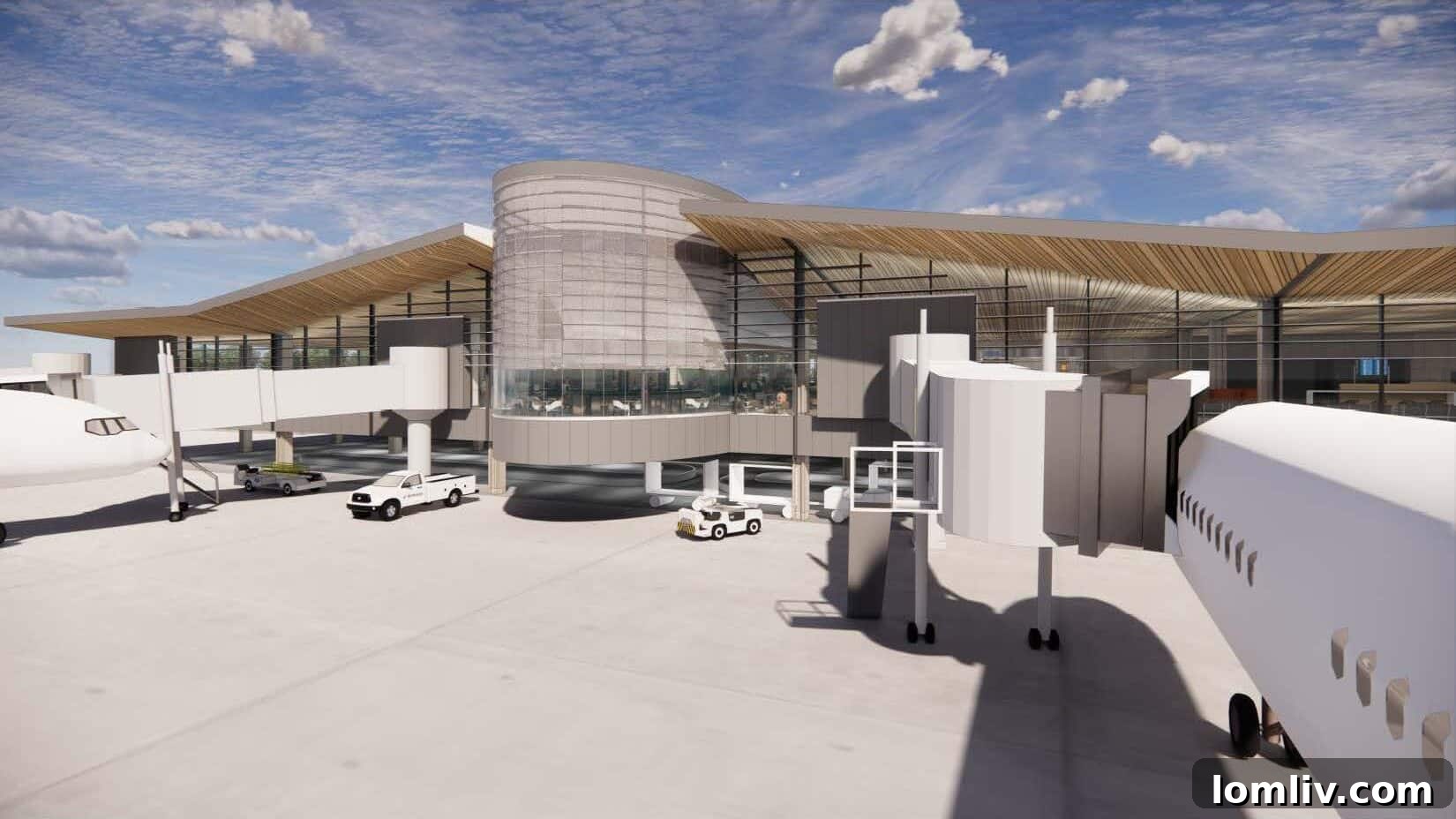
The city of McKinney stands at a pivotal juncture as its residents prepare to head to the polls on Saturday, May 6. Voters face a crucial decision that will determine the future trajectory of McKinney National Airport: either pave the way for commercial air service and significant expansion or halt these ambitious plans. This upcoming bond election is more than just a vote on infrastructure; it’s a referendum on McKinney’s growth, economic development, and its role within the dynamic North Texas region.
Mayor George Fuller has emphasized the city’s extensive efforts in community engagement and outreach, aiming to foster a clear understanding among residents regarding the implications of the proposed expansion. He acknowledges that there has been a significant amount of “misinformation” circulating about the city’s plans, underscoring the importance of an informed electorate. “When people go to the polls,” Mayor Fuller urged, “they should make a decision based on the facts.” The stakes are high, and the outcome will undoubtedly shape McKinney for decades to come, affecting everything from local economy to daily life for its citizens.
McKinney National Airport: A Critical Bond Election
The McKinney City Council officially approved the May 6 bond election earlier in February, setting the stage for this transformative decision. This measure proposes an investment of $200 million, earmarked specifically for the expansion and modernization of McKinney National Airport to accommodate commercial airline service. This substantial financial commitment reflects a long-term vision for the airport, positioning it as a key transportation hub for Collin County and beyond.
During the February council meeting, Mayor Fuller highlighted that the city has dedicated years to meticulously planning this expansion, working closely with the Federal Aviation Administration (FAA) and a host of expert consultants. A cornerstone of this planning, and indeed a prerequisite for such a project, is the FAA’s comprehensive environmental analysis. Assistant City Manager Barry Shelton assured the public that the detailed results of this crucial assessment would be made available well in advance of the May 6 election, ensuring transparency and providing residents with essential data to inform their vote.
In a more recent interview, Mayor Fuller revealed that the city has observed “overwhelming” interest from various airlines regarding the prospect of establishing commercial flights from McKinney. While specific details cannot be disclosed due to non-disclosure agreements (NDAs), this high level of interest underscores the perceived viability and attractiveness of McKinney as a new commercial air travel destination. The city remains confident that once the necessary infrastructure is in place, attracting reputable carriers will not be an issue.
Navigating the FAA Environmental Assessment
The FAA’s role in this expansion is paramount. As Mayor Fuller explained, the FAA is responsible for conducting an exhaustive environmental assessment, which meticulously reviews all analyses and mitigating factors associated with the proposed airport development. This process is designed to ensure that any expansion adheres to stringent federal environmental standards and minimizes potential impacts on the surrounding community and ecosystem. While the FAA’s final report will not be completed before the May 6 election, Mayor Fuller noted that all preliminary findings presented thus far have been favorable, indicating strong support for the airport’s capability to host commercial flights.
Despite the final report still being underway, the city has proactively posted relevant environmental assessments on its official website. This commitment to transparency allows residents to delve into the details of noise studies, air quality analyses, traffic impact assessments, and other environmental considerations that are integral to the FAA’s review process. An informed public is better equipped to weigh the benefits against potential concerns, making an educated decision at the ballot box.
The Promise of Economic Growth and Regional Connectivity
The proposed expansion of McKinney National Airport for commercial service is envisioned as a powerful catalyst for economic development throughout Collin County and the broader North Texas region. The $200 million bond investment aims to modernize and enhance existing facilities, including extending runways, building new terminals, and improving access infrastructure. Such an undertaking promises significant job creation, not only during the construction phase but also in the long-term operations of the airport and related businesses.
A commercial airport in McKinney could attract new businesses to the area, encourage corporate relocations, and boost local tourism. Enhanced air travel options would make McKinney a more accessible destination for both business travelers and tourists, injecting new revenue into local hotels, restaurants, and retail establishments. Furthermore, it would offer residents unparalleled convenience, eliminating the need for long drives to Dallas/Fort Worth International (DFW) or Dallas Love Field (DAL) for many flights, particularly for regional destinations.
Addressing Community Concerns: Noise, Traffic, and Environmental Impact
While the economic benefits are compelling, the city acknowledges legitimate community concerns associated with airport expansion. Noise pollution is often a primary worry for residents living near airports. The FAA’s environmental assessment includes detailed noise contour analyses, modeling the projected impact of increased air traffic. Mitigation strategies, such as flight path adjustments and noise abatement procedures, are typically developed to minimize disruption to residential areas.
Traffic congestion is another significant consideration. An increase in passenger volume and airport operations would necessitate improvements to surrounding road networks and infrastructure. The city’s planning efforts consider these factors, aiming to develop integrated transportation solutions that can accommodate increased demand without overburdening existing systems. Furthermore, environmental concerns extend beyond noise to include air quality, water runoff, and potential impacts on local wildlife. The FAA’s rigorous review process is designed to identify and address these issues, ensuring compliance with federal environmental regulations and promoting sustainable development practices.
The Future Hangs in the Balance
The outcome of the May 6 bond election will profoundly influence McKinney’s trajectory. If voters approve the bond, the city will move forward with a substantial investment in its airport, transforming it into a vital commercial gateway. This would mark a new era for McKinney, enhancing its regional prominence and offering residents and businesses expanded connectivity. The city would then proceed with detailed design, regulatory approvals, and construction, a multi-year process that would culminate in commercial flights taking off from McKinney National Airport.
Conversely, if the bond fails, the plans for commercial service expansion will be put on hold, potentially indefinitely. This would mean McKinney National Airport would continue to operate as a general aviation facility, serving private and corporate aircraft. While this maintains the current status quo, it would also mean foregoing the potential economic boons and increased convenience that commercial air service promises. The city would likely have to reassess its long-term development strategies and find alternative avenues for growth and regional integration.
As May 6 approaches, the responsibility falls to McKinney voters to weigh all the information, consider the comprehensive planning that has gone into this proposal, and cast their votes based on facts and their vision for the city’s future. This election represents a defining moment for McKinney, charting its course in an ever-evolving North Texas landscape.