Navigating Residency: The Complex Case of Phillip Jones, VisitDallas Executive
Unraveling the Dallas-Southlake Residency Debate
In the dynamic landscape of urban development and public service, questions about transparency and accountability frequently emerge. One such query that captured public attention and sparked considerable discussion revolves around Phillip Jones, a high-profile executive tasked with promoting the vibrant city of Dallas. Earning a substantial taxpayer-funded salary, the perception arose that Jones, despite his role, resided with his family outside Dallas, specifically in Southlake. This article aims to delve into the nuances of this situation, providing a comprehensive and clear perspective on Jones’s residency, family considerations, and the broader context of his professional duties.
Before proceeding, it’s crucial to clarify a common misconception regarding VisitDallas’s funding. The operational budget for VisitDallas, the organization Jones led, is primarily derived from a hotel occupancy tax paid by visitors staying in Dallas hotels. This means its funding stream comes directly from tourism and not from the general tax contributions of Dallas residents. Understanding this distinction is fundamental to grasping the financial ecosystem within which VisitDallas operates and dispels any notion of local resident tax dollars directly supporting Jones’s salary in the conventional sense.
The Southlake Family Home: A Foundation Built in 2004
The story of Phillip Jones’s residency begins years prior to the public scrutiny. In 2004, Phillip Jones and his wife, Patricia, made a significant investment in a new home located at 930 Deer Hollow Blvd. in Southlake. This substantial property, situated within the desirable Southlake Woods area, boasts a generous 3,886 square feet of living space on nearly 0.60 acres. Valued by the Tarrant County Appraisal District at $652,000, this residence became the cherished setting where the Jones family raised their two children, who are now young adults.
Southlake, a highly affluent suburb located north of Fort Worth and west of Dallas, has long been a magnet for families seeking an exceptional quality of life. Its reputation for outstanding public schools, safe neighborhoods, and a strong community spirit has consistently drawn residents from across the state and beyond. For the Jones family, the decision to settle in Southlake in 2004 was likely influenced by these very factors, prioritizing an environment conducive to family growth and educational excellence, particularly for their children.
At the time of their move, there was no explicit requirement for Phillip Jones to reside within the Dallas city limits as part of his professional role. Like many executives managing regional or metropolitan-focused organizations, personal residency choices often balance professional proximity with family needs and preferences. The Southlake home served as the undisputed family base for over a decade, representing a deep-rooted personal connection to the community and a significant part of their family history.
Establishing a Dallas Presence: The House by Philippe Starck
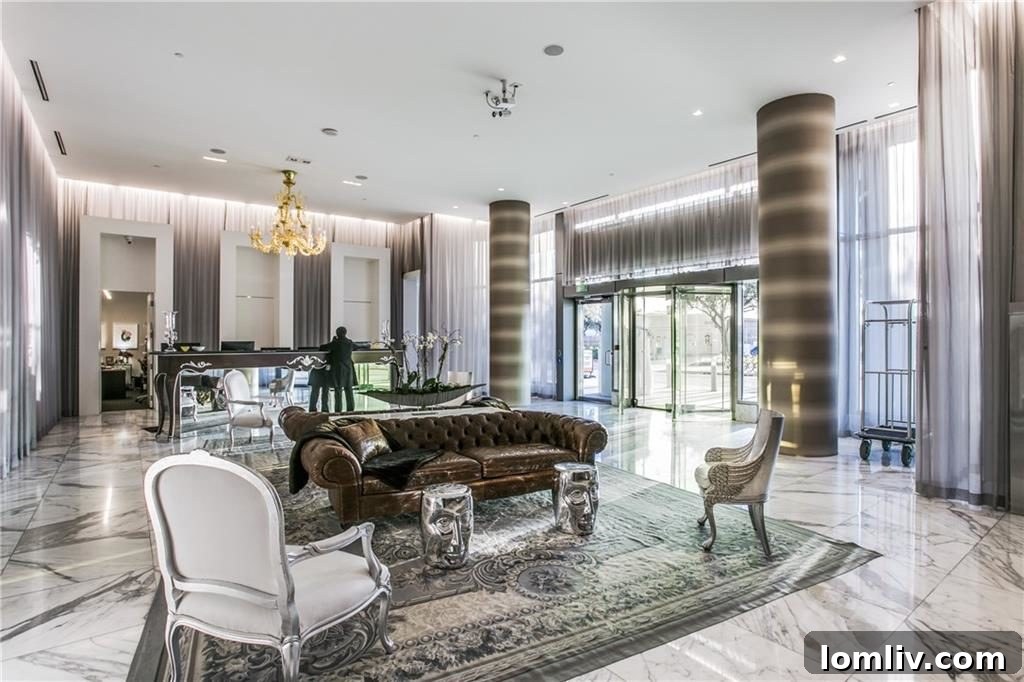
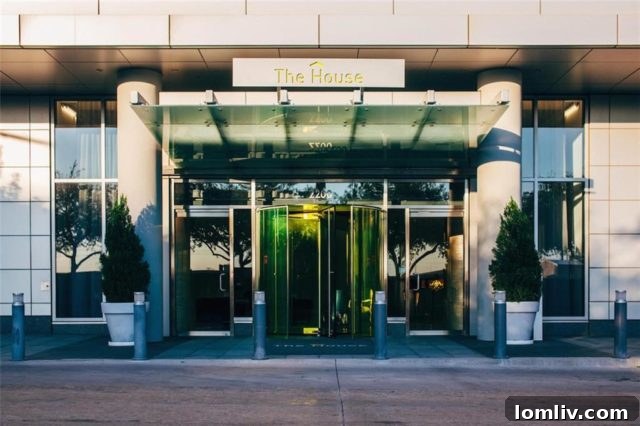
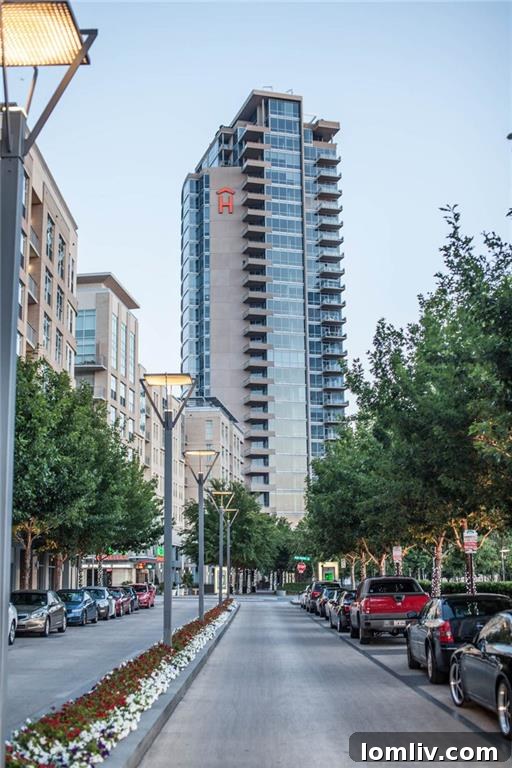
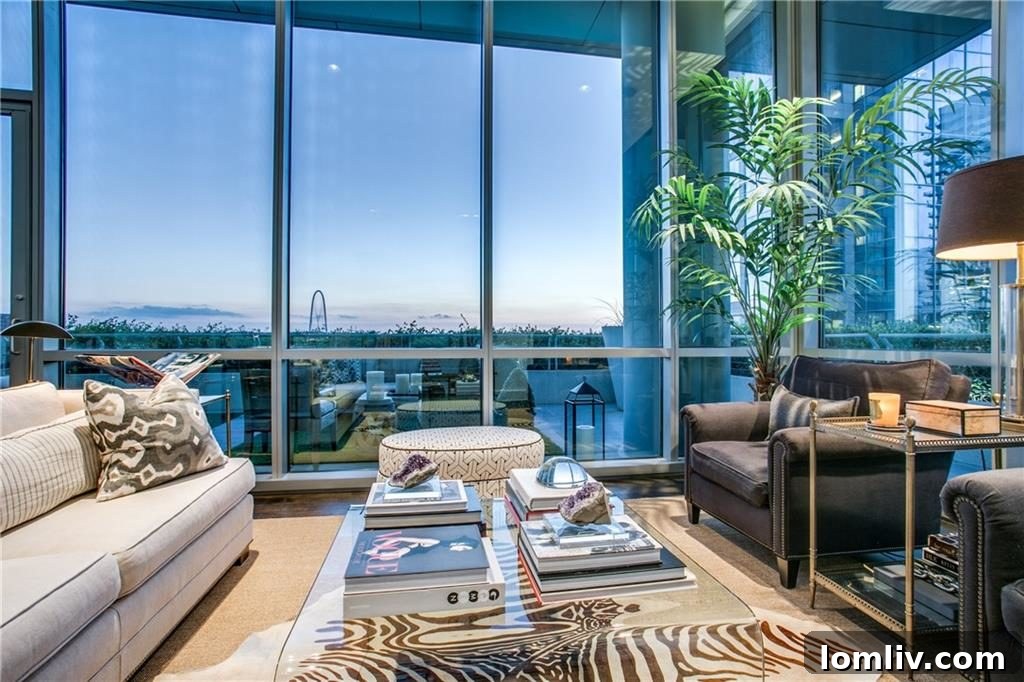
The narrative around Jones’s residency took a significant turn around four years prior to the initial reports, specifically in 2014. It was during this period that Dallas Mayor Mike Rawlings reportedly engaged with Phillip Jones, suggesting that, given his prominent role in promoting Dallas, a direct residency within the city would be more appropriate and beneficial. Responding to this encouragement, Phillip and Patricia Jones acquired a unit on the ninth floor of “The House by Philippe Starck,” an iconic luxury condominium complex in Dallas.
Interestingly, public records suggest that Phillip Jones had been leasing this condo for approximately seven years before ultimately purchasing it. The unit was not listed on the Multiple Listing Service (MLS), indicating a potential off-market transaction, which can occur when a long-term renter decides to buy the property they are already occupying. The timing of this purchase in 2014 was strategically advantageous. Just two years prior, in 2012, the original developers of The House—London-based Yoo Ltd. and Dallas’s Hillwood—had filed for bankruptcy, leading to what was described as one of the largest residential foreclosure postings in Dallas history. This period of financial distress likely created a buyer’s market for units within the prestigious building.
The Dallas Central Appraisal District (DCAD) currently appraises the Joneses’ ninth-floor condo at $483,280. Given the market dynamics of 2014, coupled with the property’s history, it is reasonable to infer that they secured a favorable deal. For context, a similar unit on the fifth floor was sold for $595,000 in November of the same year by Claudine King of Dave Perry-Miller, suggesting the Joneses’ acquisition was indeed well-timed. This purchase marked a tangible step towards establishing a more direct and visible residential tie to the city Phillip Jones was professionally dedicated to promoting.
Homestead Exemption and Family Dynamics
A key point of contention and a source of public inquiry centered on the homestead exemption claimed by the Jones family. At the time the issue surfaced, the homestead exemption was still being applied to their Southlake property. This is typically done on a primary residence and often on the higher-valued property to maximize tax savings. However, this appeared to contradict the public perception of Jones’s intent to reside in Dallas.
Promptly addressing the concerns, Frank Librio, VisitDallas’s Senior Chief Marketing Officer, confirmed that the Joneses indeed maintained two homes. He clarified that the condo at The House in Dallas served as Phillip Jones’s residence for four to five nights out of the week, reflecting his active engagement within the city he promoted. Librio also noted Phillip Jones’s high visibility in Dallas, often seen participating in local activities like cycling on the Katy Trail, consistent with his avid interest in cycling and triathlons. When confronted with the homestead exemption detail, Jones acknowledged the oversight, stating, “yeah, I need to change that.” According to Librio, the process to adjust the homestead exemption was initiated to reflect the current living arrangements accurately.
The underlying reason for maintaining the Southlake property as the initial homestead, beyond its higher value, stems from a deeply personal family matter. The Joneses’ eldest son, who has a disability, prefers living in the Southlake home. This preference means that Patricia Jones, Phillip’s wife, frequently stays at the Southlake residence to provide care for their son. This situation highlights the complex balance many families face, where personal caregiving responsibilities dictate residential arrangements, even for public figures.
The “Why Southlake?” Factor: Education and Lifestyle Choices
The decision to initially settle in Southlake in 2004 was heavily influenced by the educational landscape available at the time, a factor common for many families relocating to the Dallas-Fort Worth metroplex. Our education editor, Bethany Erickson, provided valuable insight into this choice. While Dallas Independent School District (DISD) was not necessarily considered “horrible” in 2004, it was rated “academically acceptable” by the Texas Education Agency (TEA), with only two schools rated unacceptable.
In stark contrast, Carroll Independent School District (CISD), which serves Southlake students, was rated “Exemplary” by the TEA in 2004 – the highest possible rating at the time. All of Carroll ISD’s schools achieved either the “Exemplary” rating (seven schools) or the second-highest rating, “Recognized” (four schools). This significant disparity in educational performance and reputation would understandably sway any family, especially those with young children, towards a district like Carroll ISD.
As Erickson aptly summarized, “If I was moving from out of state, and just looking at the two districts on paper, I would probably have opted for Southlake as well in 2004. Especially if the people hiring me never said living in Dallas was a requirement for the job.” This perspective underscores that the initial choice of residence was a logical one based on prevalent community preferences and available information, made without any specified professional constraint regarding Dallas residency.
Beyond Residency: Addressing Financial Inquiries
Beyond the residency debate, media reports also brought to light a pay advance loan of approximately $35,000 extended to Phillip Jones in 2015. Naturally, this raised questions, particularly in the context of his real estate transactions. There was a direct query about whether this loan was connected to the purchase of The House condo.
Frank Librio, again, provided clarification, stating definitively that the loan was not tied to the condo acquisition. Instead, he explained that the advance was related to a private family issue concerning the Joneses’ adult son, reinforcing the ongoing caregiving responsibilities and the son’s specific needs that anchored the family to their Southlake home. This explanation underscores the importance of separating personal family matters, particularly those involving a disabled adult child, from professional financial transactions, while also highlighting the need for transparency in roles funded by public, albeit visitor-generated, funds.
Public Accountability and Executive Responsibilities
The discussion surrounding Phillip Jones’s residency encapsulates a broader conversation about public accountability, executive roles in civic organizations, and the delicate balance between personal life and professional expectations. As the head of VisitDallas, an organization dedicated to boosting Dallas’s image and economy, Jones was naturally under public scrutiny. While his family’s initial choice of Southlake was based on understandable personal reasons—primarily driven by superior educational opportunities and lifestyle preferences without an explicit job requirement to live in Dallas—the evolving expectations for public-facing leaders shifted.
The move to acquire a residence in Dallas and actively use it as a primary weekday base demonstrates an effort to align personal choices with professional responsibilities and public perception. His visible participation in Dallas community life, despite maintaining a family home elsewhere for specific caregiving needs, suggests a commitment to the city beyond just the workplace. This situation offers a valuable case study into the complexities faced by executives of publicly funded bodies, where private decisions can unexpectedly intersect with public expectations and demands for exemplary local identification.
Ultimately, the extensive clarification regarding the source of VisitDallas’s funding, the reasons behind the Southlake homestead, and the establishment of a Dallas residency demonstrates a willingness to address public concerns transparently. It highlights the often unseen personal commitments that shape the lives of individuals in public-facing roles, reminding us that personal circumstances, especially those involving family care, frequently play a significant role in residential decisions.