Your asphalt driveway is more than just a path to your home; it’s a significant investment that enhances your property’s curb appeal, functionality, and safety. However, like any outdoor surface, it’s constantly exposed to harsh weather conditions, heavy vehicle traffic, and the passage of time, all of which can lead to wear and tear. Have you started noticing unsightly cracks, frustrating potholes, or a dull, faded appearance? These aren’t just minor cosmetic blemishes; they are critical warning signs indicating that your asphalt driveway requires immediate attention and professional repair.
Ignoring these early indicators can have far-reaching consequences. What might seem like a small hairline crack today can quickly escalate into a gaping pothole, compromising the entire structure of your driveway. Such deterioration not only detracts from your home’s aesthetic appeal but also poses significant safety hazards for pedestrians and vehicles alike. Regular inspection and timely, professional asphalt repair are crucial for identifying these problems before they spiral out of control. By understanding the common warning signs, homeowners can take proactive steps, preventing minor issues from becoming costly replacements and ensuring the longevity and safety of their driveway for years to come.
Key Warning Signs Your Asphalt Driveway Needs Repair
Maintaining an asphalt driveway is essential for its longevity and your property’s overall appeal. Recognizing the subtle and not-so-subtle indicators of damage can save you considerable time, money, and hassle in the long run. Here are the most common warning signs that signal it’s time to call in the professionals for your asphalt repair needs:
1. Cracks in the Surface
Cracks are perhaps the most common and visible manifestation of asphalt deterioration. They can vary significantly in type and severity, ranging from fine hairline cracks that appear almost imperceptible to wide, deep fissures that crisscross the surface. Understanding the different types of cracks and their implications is key to effective asphalt driveway repair:
- Hairline Cracks: These are the first signs of asphalt fatigue, often caused by UV exposure, oxidation, and minor expansion/contraction. While small, they are gateways for water.
- Longitudinal Cracks: Running parallel to the driveway’s centerline, these often result from weak pavement joints or repeated stress along a specific path.
- Transverse Cracks: Extending across the width of the driveway, these typically develop due to thermal cycling (freeze-thaw) and asphalt shrinkage.
- Alligator Cracks (Fatigue Cracking): Resembling alligator skin, these interconnected cracks indicate severe underlying issues. They form when the sub-base can no longer support the traffic load, leading to widespread structural failure. This is a critical warning sign that comprehensive repairs are needed to prevent total asphalt breakdown.
The primary danger with any type of crack is water infiltration. When water penetrates the asphalt surface, it seeps into the foundational layers beneath. During colder months, this trapped water can freeze and expand, creating pressure that widens existing cracks and creates new ones. This continuous cycle of freezing and thawing severely weakens the asphalt’s foundation, eventually leading to more severe problems like potholes and complete structural compromise. Addressing cracks early with proper sealing can prevent extensive water damage and prolong the life of your driveway significantly.
2. Formation of Potholes
Potholes are far more than just an inconvenience; they are clear indicators of serious, progressive damage to your asphalt driveway’s underlying structure. These gaping holes form when cracks are left unattended, allowing water to continuously infiltrate and erode the asphalt’s foundation layer. The repeated impact of vehicles over the weakened area then causes pieces of asphalt to break away, creating the characteristic depressions known as potholes.
Potholes pose significant risks: they can cause considerable damage to vehicles, including tire punctures, wheel misalignment, and suspension problems. More importantly, they create dangerous tripping hazards for pedestrians, potentially leading to injuries and liability issues. Given their rapid growth and the extensive damage they can cause, potholes should be repaired as soon as they appear. Neglecting them will inevitably lead to their expansion, requiring more extensive, complex, and ultimately more expensive repairs in the future, often involving larger sections of the driveway being excavated and replaced.
3. Uneven Surfaces and Sinking Areas
An uneven driveway, characterized by noticeable dips, humps, or areas that have visibly sunk, is a strong indicator that the foundation supporting the asphalt is eroding or failing. This underlying issue can stem from several factors, including poor initial drainage, significant soil erosion beneath the surface, or the constant stress of excessively heavy traffic. When the sub-base—the crucial layer beneath the asphalt—becomes compromised, it can no longer adequately support the surface, leading to these visible irregularities.
Beyond being an eyesore, sunken patches and uneven surfaces severely compromise the structural integrity of the entire driveway. They create dangerous tripping hazards for anyone walking on the surface and can lead to vehicles bottoming out, especially those with lower ground clearance. Moreover, these low spots often collect water, exacerbating other issues like cracking and pothole formation. Prompt restoration is essential not only to maintain the driveway’s aesthetic appeal but also to ensure its continued usability and, most importantly, the safety of all who use it.
4. Discoloration and Fading
Over time, continuous exposure to the elements—primarily intense sunshine, harsh weather conditions, and various chemicals (such as oil spills or de-icing agents)—can cause the asphalt driveway to undergo significant discoloration and fading. What was once a rich, dark black surface gradually turns to a dull gray or brownish hue. This fading is more than just a cosmetic problem; it signals that the protective sealant layer, which is vital for the asphalt’s health, has worn off or degraded. Without this crucial barrier, the asphalt binder begins to oxidize and break down, leaving the surface vulnerable to damage from UV rays, moisture, and chemical penetration.
The loss of this protective layer accelerates the aging process of the asphalt, making it more brittle and susceptible to cracking and crumbling. A fresh seal coat can significantly help restore your driveway’s original deep black appearance, but more importantly, it replenishes this vital protective shield. Sealcoating not only enhances curb appeal but also extends the life of your asphalt by safeguarding it against the deteriorating effects of environmental exposure, preventing premature wear and tear.
5. Water Pooling
The presence of puddles on your driveway long after a rain shower or snowmelt is a definitive sign of poor drainage. A properly paved and maintained asphalt driveway should allow water to flow easily and efficiently off its surface, rather than accumulating in stagnant pools. Water pooling is a critical issue because stagnant water accelerates the deterioration of asphalt in several ways:
- Softening and Weakening: Constant saturation softens the asphalt, making it more pliable and susceptible to damage from traffic.
- Increased Cracking and Potholes: As water sits, it seeps into any existing cracks, expanding them and contributing to the formation of new cracks and potholes, especially during freeze-thaw cycles.
- Sub-Base Erosion: Prolonged pooling can erode the underlying aggregate base, leading to uneven surfaces and structural failure over time.
Early identification and addressing of drainage issues, such as re-grading sections of the driveway or installing proper drainage systems, are paramount. Proactive measures in this area help maintain the structural integrity of the driveway, prevent costly water-related damage, and ensure a safer, longer-lasting surface.
6. Visible Wear Along Edges
The edges of an asphalt driveway are often the first areas to exhibit clear signs of deterioration. Unlike the central portion, edges lack the lateral support of adjacent pavement or curbing, making them more susceptible to damage. You might observe:
- Fraying and Cracking: The edges may appear jagged, with small pieces of asphalt breaking away, indicating that the binder is losing its integrity.
- Crumbling: More advanced wear results in significant crumbling, where chunks of the edge material detach, widening the driveway and exposing the sub-base.
- Grass/Weed Encroachment: Weeds pushing through the edges can further break down the asphalt.
Fraying or crumbling along the sides is a clear signal that the asphalt is losing its stability and structural cohesion. If left unaddressed, these damaged edges can progressively expand inward, compromising the entire width and integrity of the driveway. Vehicles driving over weakened edges, or snow plows impacting them, can accelerate this process. Regular maintenance, including patching and potentially reinforcing the edges, is crucial to prevent further erosion and keep the surface intact, thereby protecting the overall structure and extending the lifespan of your asphalt driveway.
The Importance of a Strong Asphalt Foundation
Many of the visible problems on an asphalt driveway—cracks, potholes, and uneven surfaces—are often symptoms of deeper issues stemming from a compromised foundation. The sub-base, typically a layer of crushed stone, is the unsung hero of your driveway. It provides structural support, distributes weight evenly, and allows for proper drainage. When this foundation is poorly constructed, subject to excessive moisture, or erodes over time, the asphalt surface above it inevitably suffers. A weak foundation leads to increased flexibility and movement in the asphalt, making it highly susceptible to cracking under stress and eventually causing sections to collapse into potholes. Ensuring the integrity of this underlying structure through professional assessment and repair is fundamental to achieving a truly durable and long-lasting asphalt driveway.
Proactive Steps to Address Driveway Issues and Prevent Future Damage
Taking a proactive approach to driveway maintenance can significantly extend its life and reduce the need for major, expensive repairs. Here are key strategies:
- Regular Cleaning: Keep your driveway free of dirt, debris, and chemical spills. Regularly sweep or power wash to prevent abrasive materials from accumulating and liquids from staining or deteriorating the surface.
- Seal Small Cracks Promptly: The moment you notice hairline or minor cracks, apply a high-quality crack sealant. This crucial step prevents water from infiltrating the sub-base, which is the root cause of most severe asphalt damage. Early crack sealing helps maintain the structural integrity of your driveway and prevents issues from escalating.
- Fix Potholes with Professional-Grade Materials: For existing potholes, prompt and proper patching is essential. Using professional-grade materials and techniques ensures a durable repair that restores the structural integrity of the affected area, preventing further growth and potential vehicle damage.
- Reapply Sealant Periodically (Sealcoating): Sealcoating is a vital preventative measure. Every 2-5 years, depending on traffic and climate, reapply a protective sealant layer. This not only restores the driveway’s dark, attractive appearance but also provides a fresh barrier against UV radiation, water penetration, and chemical spills, significantly extending the asphalt’s lifespan.
- Address Drainage Issues: Ensure water drains efficiently from your driveway. If pooling occurs, consider solutions like re-grading the surface, installing French drains, or clearing blocked channels. Effective drainage is critical to prevent water damage to the asphalt and its foundation.
- Limit Heavy Vehicle Traffic: If possible, minimize the presence of extremely heavy vehicles (e.g., construction trucks, RVs for extended periods) on your residential driveway, as they can cause significant stress and damage to the asphalt and sub-base over time.
This proactive care strategy not only reduces the need for costly major repairs but also dramatically extends the functional and aesthetic life of your asphalt driveway, protecting your investment.
Why Hiring Specialists for Asphalt Driveway Repairs is a Smart Investment
While some minor driveway issues might seem like feasible DIY projects, engaging professional asphalt repair specialists offers unparalleled advantages and ensures a superior, long-lasting solution. Their expertise goes beyond merely patching a visible problem; they are equipped to diagnose and correctly address the underlying issues that often elude untrained individuals, thereby eliminating recurring problems.
Here’s why investing in competent services is crucial:
- Expert Diagnosis: Professionals can accurately identify the root causes of deterioration, whether it’s poor drainage, sub-base failure, or material fatigue. This precise diagnosis ensures that repairs are not just superficial but address the core problem.
- Specialized Equipment and Materials: Asphalt repair requires specific tools and high-quality, professional-grade materials that are not readily available to the average homeowner. Specialists have access to these resources, ensuring a durable and aesthetically pleasing repair.
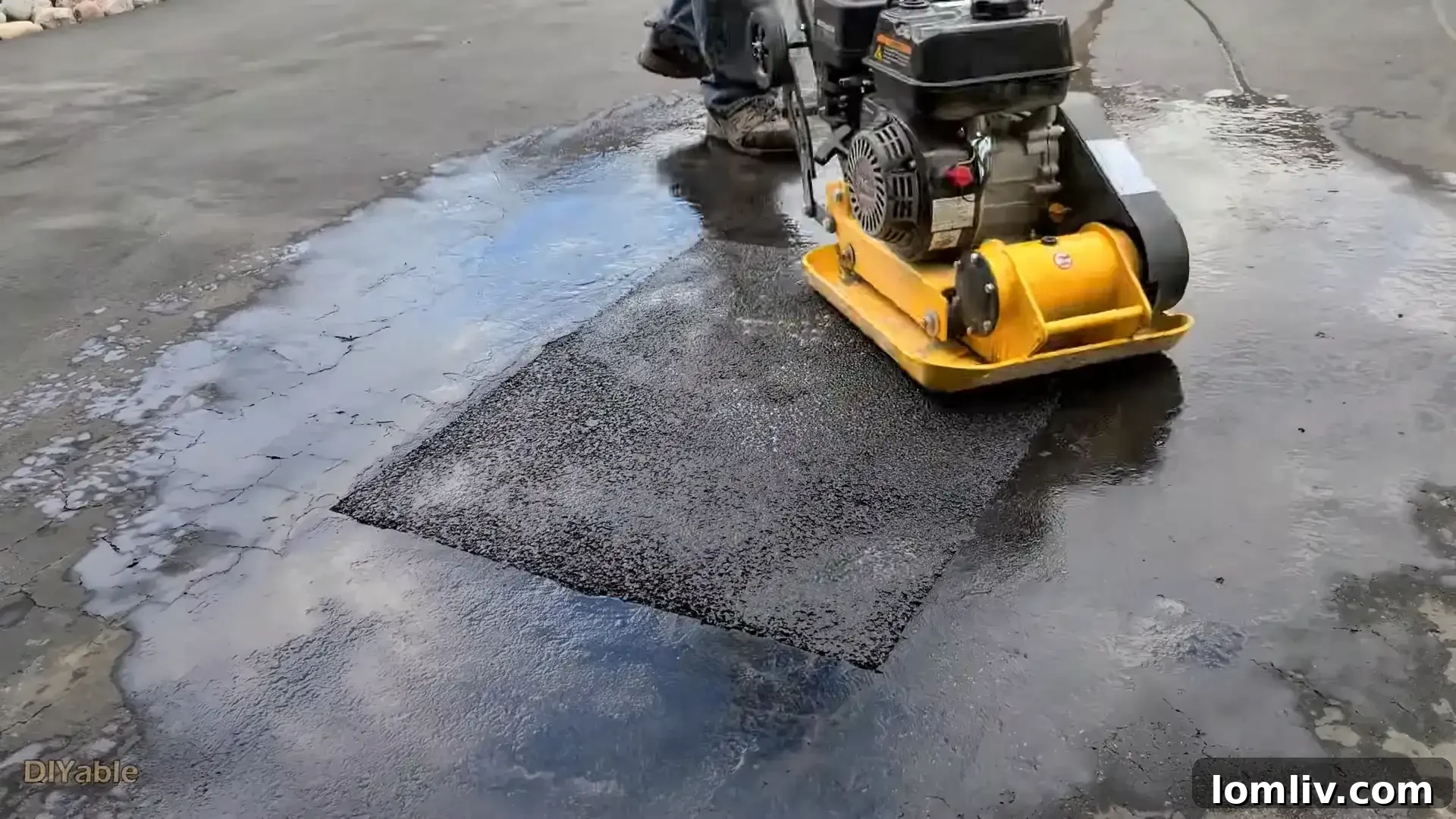
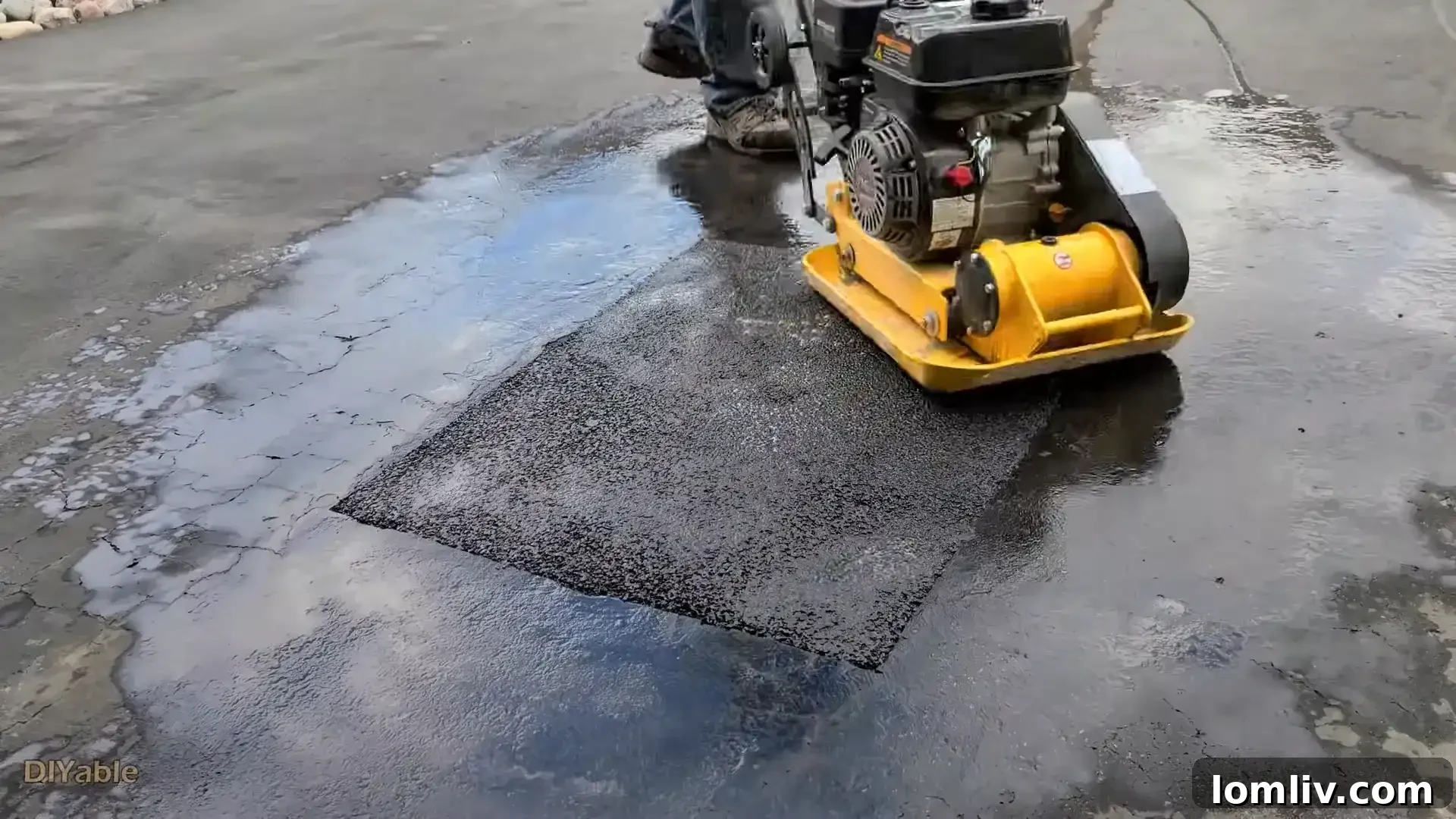
- Proper Techniques: From preparing the surface for crack sealing to compacting new asphalt patches, there are specific techniques that must be followed for optimal results. Professionals are trained in these methods, guaranteeing a repair that lasts.
- Safety and Efficiency: Working with hot asphalt and heavy machinery can be hazardous. Professionals adhere to strict safety protocols, ensuring the job is done safely and efficiently, minimizing disruption to your routine.
- Long-Term Durability: Their expertise ensures durable asphalt repair that will maintain the driveway structurally sound for years to come. This means you won’t have to revisit the same issues repeatedly.
- Warranty and Assurance: Reputable asphalt contractors typically offer warranties on their work, providing peace of mind and protecting your investment should any issues arise post-repair.
Ultimately, investing in professional asphalt repair services leads to significant long-term savings in time, money, and effort. It ensures that your driveway receives the attention it needs, transforming a potential liability into a well-maintained, safe, and attractive asset for your property.
Conclusion: Protect Your Investment with Timely Asphalt Repair
Your asphalt driveway plays a crucial role in your home’s functionality, safety, and curb appeal. Recognizing the early warning signs of asphalt deterioration—from hairline cracks and developing potholes to fading and uneven surfaces—is the first, most critical step in maintaining this valuable asset. These indicators are not merely cosmetic; they signal underlying issues that, if ignored, can lead to accelerated damage, significant safety hazards, and ultimately, far more expensive repair or replacement costs.
Timely and appropriate repairs, whether it’s sealing a small crack, patching a pothole, or applying a fresh seal coat, will keep the surface serviceable, safe, and attractive for years to come. By adopting a proactive approach to inspection and maintenance, and knowing when to call upon the expertise of professional asphalt repair specialists, homeowners can effectively protect their investment. Early attention to flaws can not only save you considerable financial strain but also ensure your driveway remains a durable, smooth, and welcoming pathway to your home.